
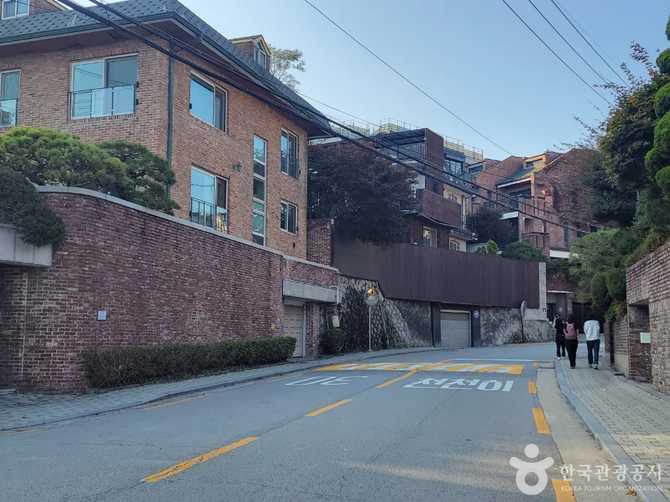
출처 : ⓒ한국관광콘텐츠랩 또는 ⓒ한국관광공사
Discover Seongbuk-dong Hanok Village and Bukchon Cultural Walk
Location 서울특별시 성북구 선잠로5길 68 (성북동) 길상사~수연산방
Location 서울특별시 성북구 선잠로5길 68 (성북동) 길상사~수연산방
Experience Seoul’s rich history and traditional architecture on a peaceful walk through Seongbuk-dong Hanok Village and Bukchon Cultural Path, perfect for travelers seeking authentic Korean cultural immersion.
At a glance
- Who this is for
-
- Travelers eager to explore Seoul’s traditional culture and historic sites
- Visitors interested in Hanok architecture and cultural heritage
- Local residents seeking a quiet, scenic walk within the city
- History enthusiasts wanting to experience Korea’s past firsthand
- Key takeaways
-
- Located at Seoul Seongbuk-gu, accessible via public transportation
- Features historic Hanok houses, temples, and cultural spaces
- Open year-round with free admission; parking is limited
- Includes notable sites like Gilsangsa Temple and Simuwonjang
- Ideal for a peaceful, cultural stroll in the heart of Seoul
- Tips & cautions
-
- Use public transportation for convenience; nearest subway is Seongbuk Station
- Wear comfortable shoes for walking on uneven traditional paths
- Check opening hours and reservation requirements for certain cultural spaces
- Bring weather-appropriate gear, such as umbrellas or raincoats
- Bottom line
- Seongbuk-dong Hanok Village and Bukchon Cultural Walk offer an authentic glimpse into Korea’s traditional lifestyle and architecture, making it a must-visit for cultural explorers in Seoul.
Seongbuk-dong Hanok Village and Bukchon Cultural Walk are among Seoul’s most charming and historically significant walking routes. Located in the heart of Seoul’s Seongbuk District, this scenic trail showcases Korea’s traditional Hanok houses, ancient temples, and cultural landmarks that have stood for centuries. Whether you’re a history buff, a lover of traditional Korean architecture, or simply seeking a tranquil escape from the city’s hustle, this walk offers a perfect blend of cultural immersion and natural beauty.
Walking along this route, visitors can enjoy the peaceful ambiance of historic houses and serene temples, while also experiencing modern cultural spaces like art galleries and traditional tea houses. The area is easily accessible by public transport, especially from Seongbuk Station, making it a convenient destination for both locals and international travelers. The route is open year-round, allowing visitors to explore Korea’s rich cultural heritage in any season, whether during cherry blossom season or in the quiet winter months.
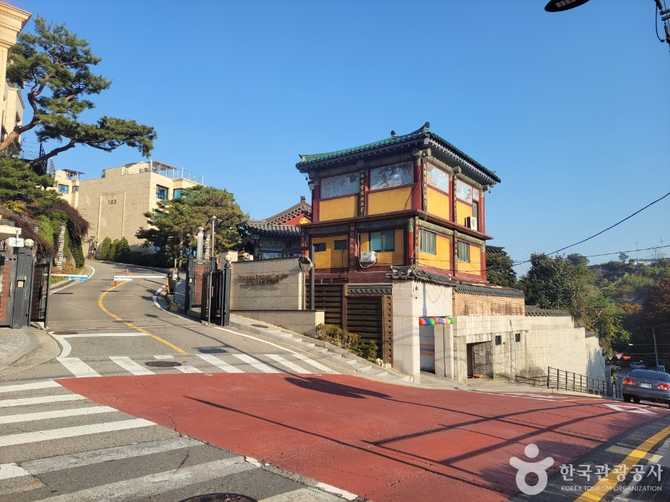
Seongbuk-dong Hanok Village and Bukchon Cultural Path are more than just scenic walkways—they are living museums where Korea’s history, architecture, and cultural traditions are preserved and celebrated. This guide will help you navigate the key sites, understand the cultural significance of each location, and plan your visit to maximize your experience of Seoul’s traditional charm.
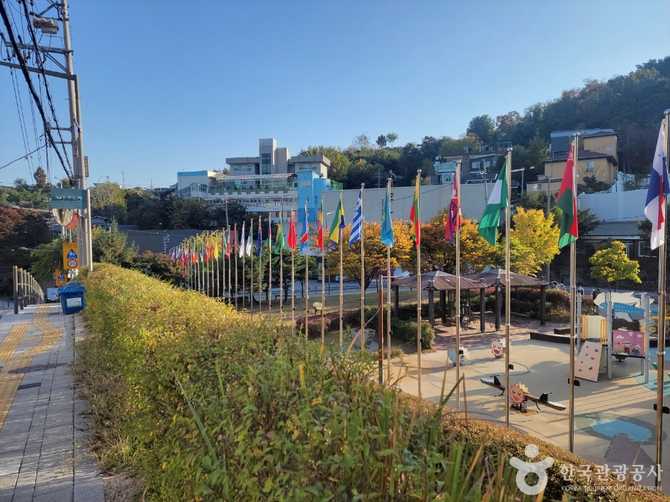
Overview of Seongbuk-dong Hanok Village and Bukchon Cultural Walk
Seongbuk-dong Hanok Village and Bukchon Cultural Walk are among Seoul’s most cherished traditional neighborhoods, offering visitors an immersive experience into Korea’s rich cultural heritage. Located in the heart of Seoul, this scenic route provides a peaceful retreat from the bustling city, allowing travelers to explore historic Hanok houses, ancient temples, and cultural spaces that have been preserved for centuries. The focus keyword, Seongbuk-dong Hanok Village and Bukchon Cultural Walk, encapsulates this unique area where history and modern life coexist harmoniously.
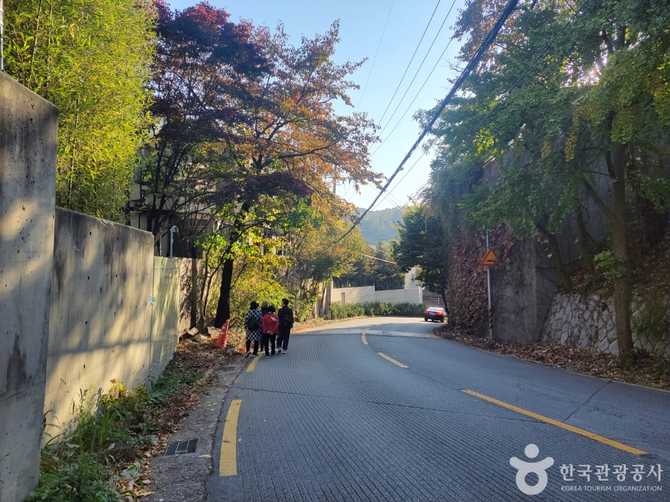
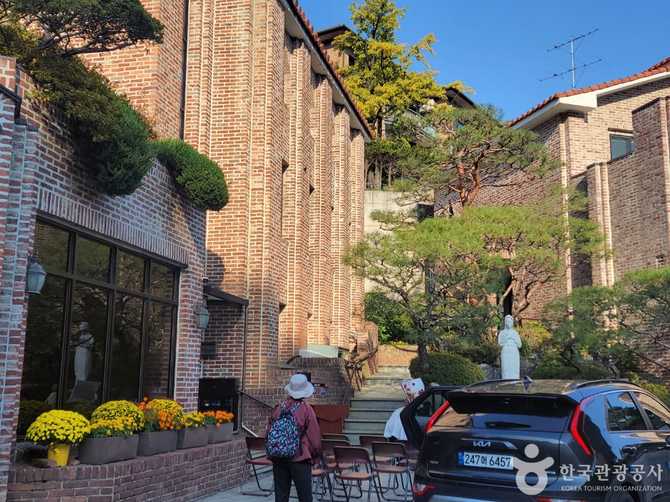
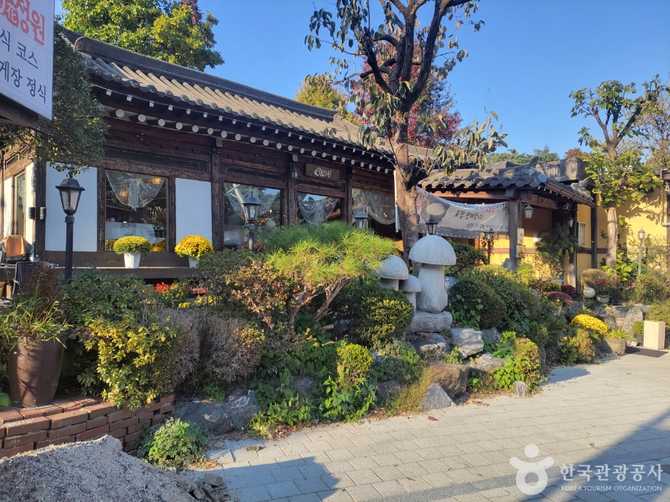
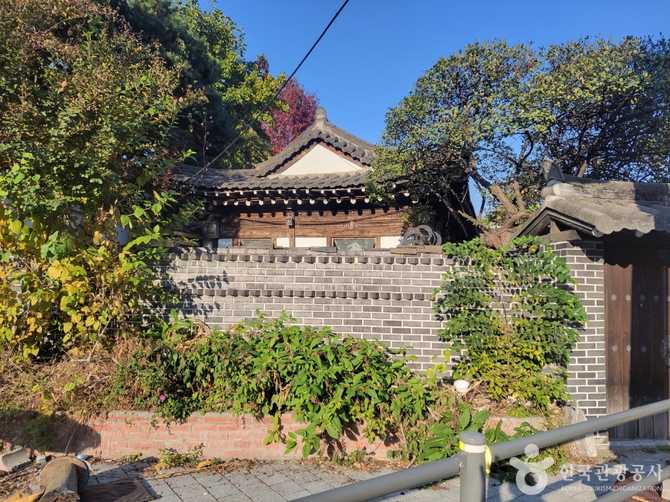
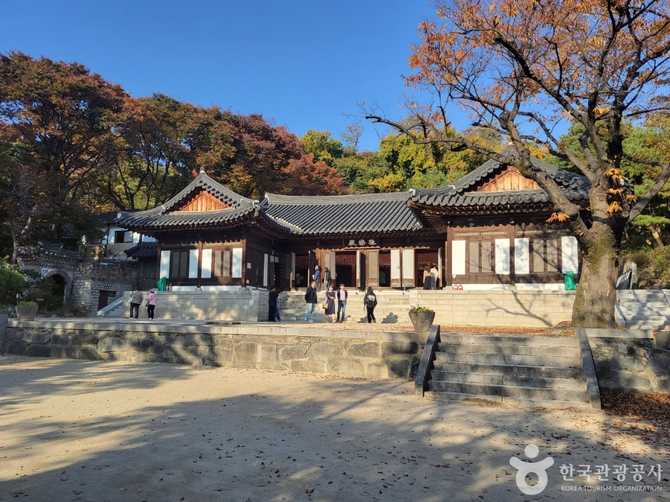
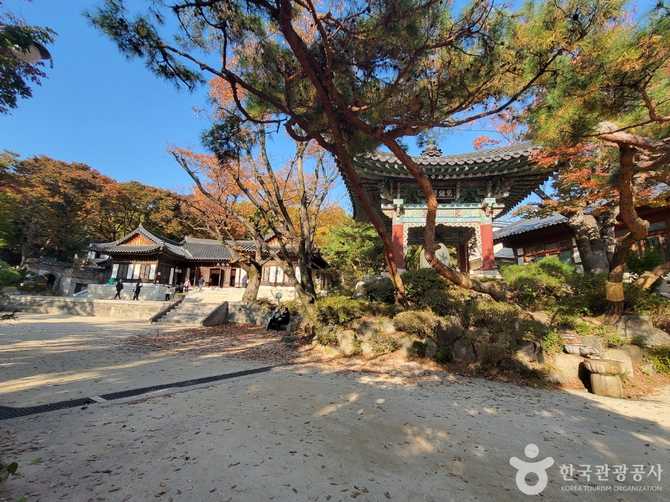
The walk spans a picturesque route along narrow alleyways lined with traditional Korean architecture, offering a glimpse into Korea’s past. As you stroll through this area, you will encounter beautifully preserved Hanok homes, some of which serve as cultural centers, tea houses, or guesthouses, providing an authentic experience of traditional Korean living. Notable landmarks such as Gilsangsa Temple, a serene Buddhist temple, and the historic Simuwonjang, the birthplace of renowned poet Han Yong-un, highlight the area’s cultural depth.
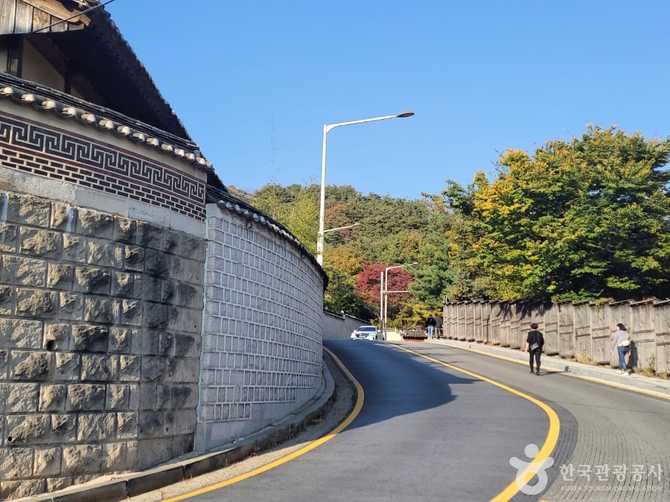
This cultural walk is accessible year-round and is suitable for all visitors interested in Korean history, architecture, and traditional customs. It is particularly ideal for those seeking a tranquil environment within Seoul, away from the city’s modern hustle. The route is also close to other cultural attractions like art galleries and traditional markets, making it a comprehensive cultural exploration in one scenic area.
Whether you are a history enthusiast, a lover of traditional Korean architecture, or a traveler seeking a peaceful cultural experience, Seongbuk-dong Hanok Village and Bukchon Cultural Walk offer a meaningful journey through Korea’s heritage. This area not only preserves the beauty of Korea’s past but also invites visitors to participate in ongoing cultural traditions, making it a must-visit destination for an authentic Seoul experience.
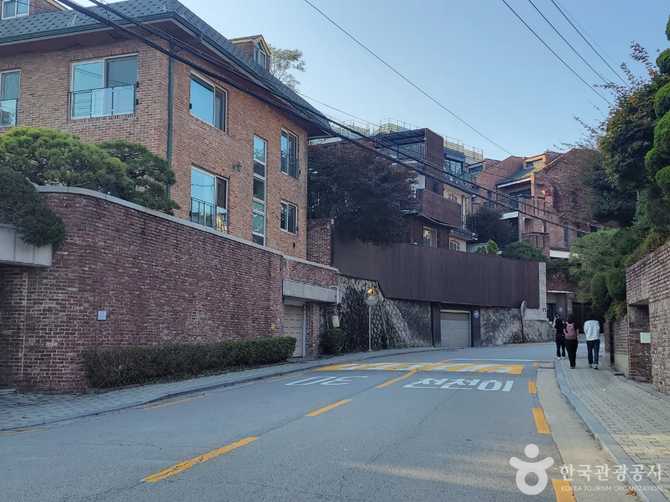
Comparison of Key Cultural and Historic Sites Along the Walk
| Site / Space | Features & Highlights | Visitor Tips |
|---|---|---|
| Gilsangsa Temple | A tranquil Buddhist temple offering meditation, temple stay programs, and cultural experiences in a serene setting. | Visit early morning or late afternoon to enjoy peaceful surroundings; check for temple stay reservation requirements. |
| Simuwonjang | Historic site, birthplace of poet Han Yong-un, designated as cultural heritage; offers a glimpse into Korea’s literary history. | Open to the public; best visited during cultural festivals or literary events. |
| Traditional Hanok Houses | Well-preserved examples of Korean traditional architecture, some functioning as guesthouses or cultural centers. | Take guided tours if available; respect private property and avoid entering restricted areas. |
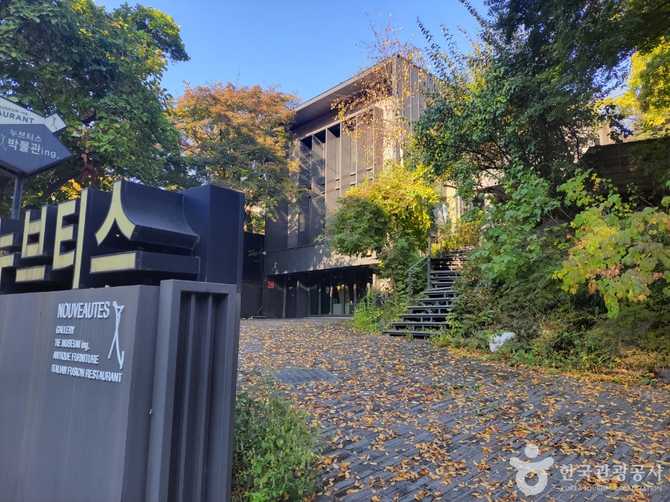
| Suyun Sangbang (Tea House) | Traditional tea house offering Korean teas and cultural ambiance, ideal for relaxing and experiencing local customs. | Enjoy a cup of tea while soaking in traditional decor; reservations recommended during peak hours. |
| Seongbuk Cultural Center | Provides art exhibitions, traditional craft workshops, and cultural programs for visitors of all ages. | Check schedule for workshops and exhibitions; participate in hands-on cultural activities. |
Visitor Information, Accessibility, and How to Get There
- Location: 68 Seonjam-ro 5-gil, Seongbuk-dong, Seoul
- Opening Hours: Open year-round, 24 hours, no admission fee
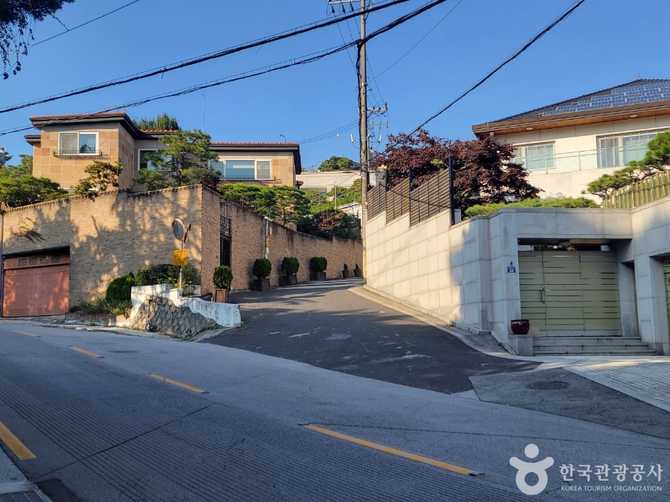
- Accessibility: The area is best explored on foot; some paths are uneven due to traditional stone paving. Wheelchair access is limited in certain sections.
- Transportation:
- Take Seoul Subway Line 4 to Seongbuk Station, Exit 2. Walk approximately 10 minutes to the starting point.
- Bus options include local lines stopping near Seongbuk-dong; check local schedules for routes.
- For those driving, parking is limited; public transport is highly recommended.
Before visiting, it’s recommended to check the opening hours of specific cultural spaces or temples if you plan to participate in special programs or events. Remember to wear comfortable shoes suitable for walking on traditional stone paths, and bring weather-appropriate gear such as umbrellas or raincoats during rainy seasons.
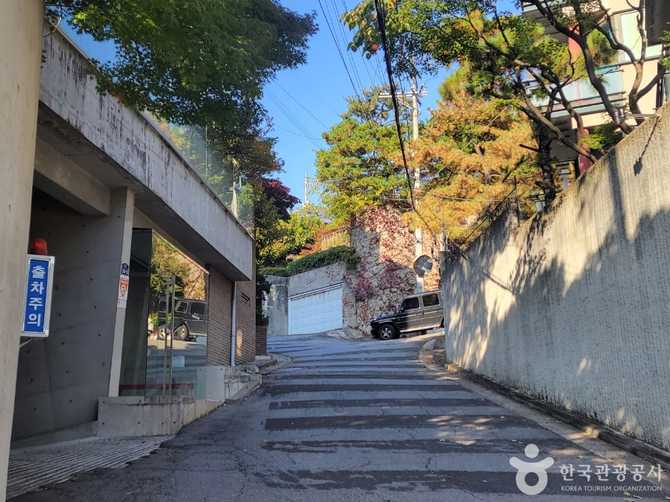
Visitor Tips & Important Notes for Exploring Seongbuk-dong Hanok Village and Bukchon Cultural Walk
- Plan Your Visit with Public Transportation: Since parking is limited, using subway lines and buses is highly recommended. The nearest subway station is Seongbuk Station on Line 4, just a 10-minute walk from the starting point.
- Wear Comfortable Shoes: The traditional paths and stone alleys can be uneven, so sturdy, comfortable footwear is essential for an enjoyable walk.
- Check for Reservation Requirements: Some cultural spaces, temples, or tea houses may require prior reservations, especially during peak seasons or special events. It’s best to verify ahead of time.
- Weather Preparedness: Be sure to bring an umbrella, raincoat, or sun protection depending on the season. The area is mostly outdoor, so weather conditions can affect your experience.
- Respect Local Customs and Private Property: Many Hanok houses are private residences or cultural centers. Avoid entering restricted areas and always ask permission if you wish to visit private spaces or participate in workshops.
- Bring a Camera and Personal Items: Capture the beautiful scenery, but keep your belongings secure to prevent loss or theft during your walk.
- Stay Hydrated and Take Breaks: Enjoy traditional tea or snacks at local tea houses like Suyun Sangbang to rest and experience Korean tea culture.
- Check Opening Hours for Specific Sites: While the overall area is open year-round, individual attractions or cultural programs may have specific schedules or closures. Confirm in advance for a smooth visit.
Essential Checklist Before Visiting Seongbuk-dong Hanok Village and Bukchon Cultural Walk
- Comfortable walking shoes suitable for uneven paths
- Weather-appropriate gear (umbrella, raincoat, sun protection)
- Personal identification and any reservation confirmations
- Camera or smartphone for photos
- Water bottle and snacks for hydration and energy
- Map or guidebook of the area (if available)
- Small amount of cash for small purchases or tips
- Knowledge of nearby public transportation options
Whether you visit during the day or evening, Discover Seongbuk is a meaningful stop on any Seoul itinerary for history-minded travelers.
Frequently Asked Questions (FAQ)
Q1: Where is Seongbuk-dong Hanok Village and Bukchon Cultural Walk located?
An: The walk is located at 68 Seonjam-ro 5-gil, Seongbuk-dong, Seoul, South Korea. It is easily accessible from Seongbuk Station on Seoul Subway Line 4.
Q2: Is there an admission fee to visit Seongbuk-dong Hanok Village and Bukchon Cultural Walk?
An: No, the area is open to the public free of charge. Visitors can explore the streets and many cultural sites without an entrance fee.
Q3: What are the best times to visit Seongbuk-dong Hanok Village and Bukchon Cultural Walk?
An: The walk is open year-round, 24 hours a day. However, visiting during spring or autumn offers the most scenic views with cherry blossoms or fall foliage.
Q4: Is parking available at Seongbuk-dong Hanok Village and Bukchon Cultural Walk?
An: Parking is limited in the area, so public transportation is highly recommended. There are no dedicated parking lots for visitors.
Q5: Are there guided tours or cultural programs available along the walk?
An: Some cultural spaces and Hanok houses offer guided tours and workshops, but most of the walk itself is self-guided. It is advisable to check schedules in advance for specific programs.
Q6: Is Seongbuk-dong Hanok Village suitable for wheelchair users?
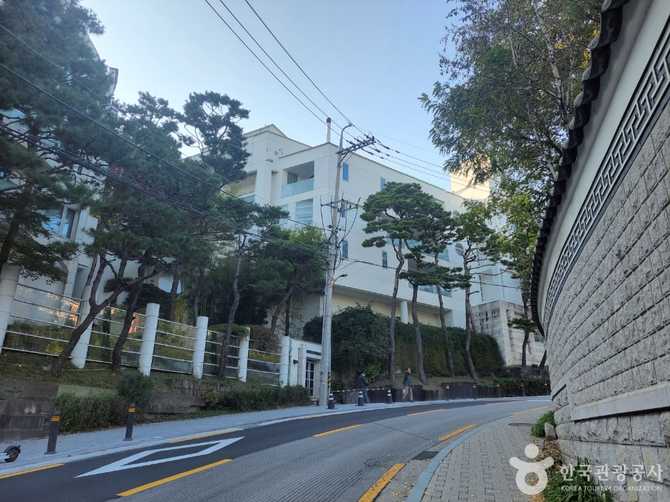
An: Accessibility is limited in some areas due to traditional stone paths and uneven surfaces. Wheelchair access may be restricted in certain sections of the walk.
Experience the Charm of Seongbuk-dong Hanok Village and Bukchon Cultural Walk
A visit to Seongbuk-dong Hanok Village and Bukchon Cultural Walk offers a rare opportunity to immerse yourself in Korea’s rich cultural heritage right in the heart of Seoul. This scenic route beautifully combines traditional architecture, historic sites, and tranquil natural surroundings, making it an ideal destination for travelers seeking an authentic Korean experience. Whether you are interested in exploring centuries-old Hanok houses, visiting serene temples, or enjoying cultural spaces like tea houses and art galleries, this walk caters to all interests. The area’s peaceful atmosphere provides a perfect escape from the city’s hustle, allowing visitors to connect with Korea’s past while appreciating its present vibrancy.
Planning your visit is straightforward, as the area is easily accessible by public transportation, with Seongbuk Station on Seoul Subway Line 4 just a short walk away. The walk is open year-round, offering different seasonal charms, from cherry blossoms in spring to colorful foliage in autumn. Remember to wear comfortable shoes and bring weather-appropriate gear to ensure a pleasant experience. With its combination of historical significance and natural beauty, Seongbuk-dong Hanok Village and Bukchon Cultural Walk promises a memorable journey into Korea’s cultural soul. Whether you’re a history enthusiast, a lover of traditional architecture, or simply seeking a peaceful retreat within Seoul, this cultural walk is a must-visit destination that will leave you with lasting impressions of Korea’s timeless beauty and heritage.