

Discover Namtaryeong Pass: A Scenic and Historic Hiking Spot near Seoul
Looking for a tranquil escape that combines natural beauty with a touch of history? Namtaryeong Pass offers a perfect blend of scenic landscapes and cultural significance, making it an ideal destination for outdoor enthusiasts and history buffs alike. Whether you’re interested in a leisurely walk, a family outing, or exploring the historical routes connecting Seoul and Gyecheon, this site provides a rewarding experience for all visitors.
Situated on the border of Seoul’s Gwanak District and Gyecheon City in Gyeonggi Province, Namtaryeong Pass is a historic mountain pass with a rich past dating back to the Joseon Dynasty. Today, it is part of the Gwanaksan Trail, offering easy-to-walk paths amid lush scenery. With an elevation of 183 meters, the pass has served as a crucial gateway connecting Seoul to the southern regions, including the historic routes leading to Chungcheong, Jeolla, and Gyeongsang provinces.
Many visitors come to enjoy the scenic views of Gwanaksan Mountain, walk along well-preserved old trails, or simply relax in nature. The area is open year-round and free to access, making it a popular choice for locals and travelers seeking a peaceful outdoor experience close to the city. The trail is suitable for all ages and fitness levels, with gentle slopes and beautiful vistas at every turn. Whether you’re interested in exploring historical pathways or enjoying the natural surroundings, Namtaryeong Pass provides a meaningful and refreshing outdoor activity.
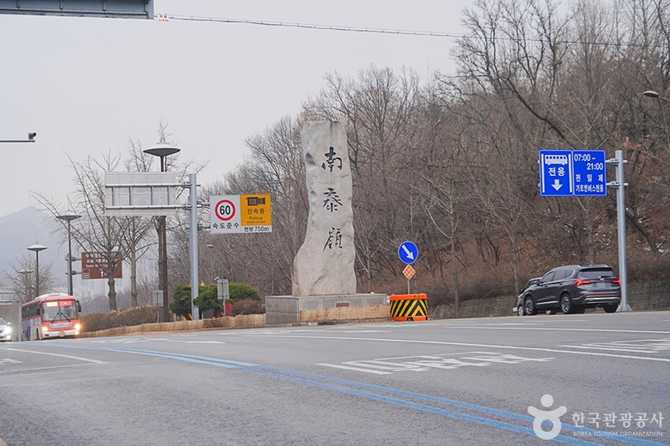
In addition to its natural beauty, the pass offers a glimpse into Korea’s past, with remnants of ancient roads and pathways that once served as vital transportation routes. The combination of history and nature makes it a unique destination for cultural exploration and outdoor recreation. Before visiting, it is recommended to check the weather and trail conditions, and remember to practice eco-friendly habits by taking your trash with you and respecting the environment. With easy access and no entrance fee, Namtaryeong Pass is an accessible, enriching experience for everyone.
At a glance
- Who this is for
-
- Travelers interested in Korea’s natural landscapes and history
- Local residents seeking a peaceful outdoor walk
- Hikers and outdoor enthusiasts of all ages
- Families looking for a safe, scenic trail
- History buffs exploring Korea’s ancient routes
- Key takeaways
-
- Located on the border of Seoul and Gyecheon, with historical significance
- Part of Gwanaksan Trail, offering easy walks with scenic views
- Rich history as a Joseon Dynasty gateway connecting Seoul to southern Korea
- Open year-round and free to access
- Approximately 6.6 km trail suitable for all levels
- Tips & cautions
-
- Check weather and trail conditions before visiting
- Wear comfortable, weather-appropriate clothing and sturdy shoes
- Carry sufficient water and sun protection
- Respect natural environment by taking trash with you
- Be cautious on uneven or natural terrain
- Bottom line
- Enjoy a scenic and historic outdoor experience at Namtaryeong Pass, accessible year-round and suitable for all visitors seeking natural beauty and cultural insights.
Namtaryeong Pass Location and Historical Background
Namtaryeong Pass is a historically significant mountain pass situated on the border between Seoul’s Gwanak District and Gyeonggi Province’s Gyecheon City. This scenic route, at an elevation of 183 meters, has played an important role in Korea’s transportation history for centuries. Known as a key gateway during the Joseon Dynasty, Namtaryeong Pass connected the capital city of Seoul with the southern provinces, including Chungcheong, Jeolla, and Gyeongsang. Its strategic location made it a vital route for trade, military movements, and cultural exchanges.
Historically, the pass was part of the main routes that linked Seoul to the southern regions, serving as a crucial point for travelers and merchants. During the Joseon era, it was recognized as a significant mountain gateway, facilitating movement across the rugged terrain of Gwanaksan Mountain. The narrow pathways of the pass were once bustling with foot traffic, horse caravans, and traders. Over time, as transportation infrastructure developed, parts of the old trail were expanded or replaced by modern roads. During the Japanese occupation, some sections were altered or lost, but efforts have been made to preserve the historical routes.
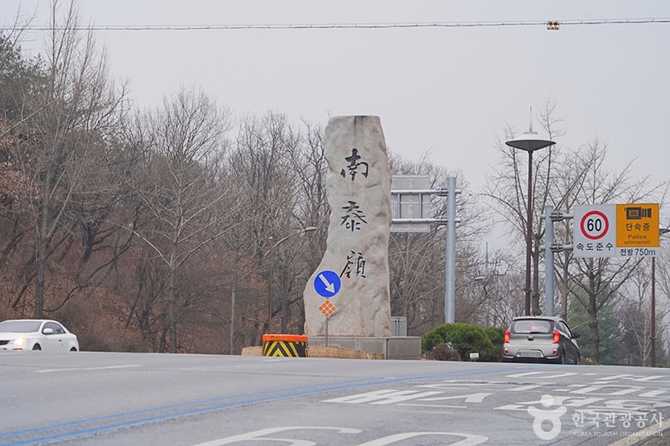
Today, Namtaryeong Pass is integrated into the Gwanaksan Trail, offering visitors a chance to experience Korea’s rich history amid natural surroundings. The site is not only a place for outdoor recreation but also a cultural landmark that reflects Korea’s historical connectivity. Visitors can walk along the preserved old trails, view remnants of ancient pathways, and enjoy panoramic views of the surrounding mountains and cityscape. Its accessibility all year round and free admission make it an attractive destination for both locals and international travelers seeking to explore Korea’s historical landscape in a natural setting.
Comparison of Namtaryeong Pass and Other Scenic Trails
| Feature | Namtaryeong Pass | Other Popular Trails in Korea |
|---|---|---|
| Location | Border of Seoul (Gwanak District) and Gyecheon (Gyeonggi Province) | Various locations across Korea, including Bukhansan, Jirisan, and Seoraksan |
| Historical Significance | Joseon Dynasty gateway connecting Seoul to southern provinces | Many trails have cultural or historical importance, such as Bukhansan’s fortress routes or Jirisan’s ancient temples |
| Trail Length | Approximately 6.6 km | Varies, from short scenic walks to multi-day hikes (e.g., 20+ km) |
| Difficulty Level | Easy, suitable for all ages | Range from easy to challenging, depending on the trail |
| Accessibility | Open year-round, free admission, accessible from Seoul via public transport | Most are accessible but may require longer travel or guided tours |
| Main Attractions | Historical pathways, scenic mountain views, remnants of old roads | Mountain summits, temples, fortress ruins, waterfalls |
Visitor Checklist and Tips for Namtaryeong Pass
- Check the weather forecast before heading out to ensure safe hiking conditions.
- Wear comfortable walking shoes suitable for uneven natural terrain.
- Bring sufficient water and sun protection, especially during summer months.
- Carry a small first aid kit for minor injuries or emergencies.
- Respect the natural environment by taking your trash with you and avoiding damage to the trails.
- Plan your route in advance, especially if you intend to explore the entire trail or connect to other scenic paths.
- Start early in the day to enjoy cooler temperatures and avoid crowds.
Highlights of Gwanaksan Trail and Recommended Routes
The Gwanaksan Trail, which includes Namtaryeong Pass, offers several scenic routes suitable for various levels of hikers and outdoor lovers. Exploring these paths provides a chance to enjoy Korea’s natural beauty and historical sites simultaneously. Here are some of the recommended routes and key highlights to enhance your visit:
- Starting from Seonbawi Station: Begin your hike at Seonbawi Station on Seoul Subway Line 4. Follow signs toward Gwanaksan and head to the trailhead near the station. This route offers an easy start with gentle slopes leading into the natural scenery of Gwanaksan Mountain.
- Old Gwanaksan Path: Walk along the historic trail that traces the old pathways used during the Joseon Dynasty. This route passes through scenic forests, stone steps, and remnants of ancient roads, providing a cultural experience along with nature.
- Summit and Observation Points: For a more challenging hike, ascend toward the summit of Gwanaksan. The trail to the top includes panoramic viewpoints, including the famous Yeonjuam and the observation deck at the summit, offering breathtaking views of Seoul and surrounding mountains.
- Connecting to Namtaryeong Pass: The trail from Seonbawi Station to Namtaryeong Pass is approximately 6.6 km and features a gentle incline suitable for most hikers. Along the way, enjoy views of Gwanaksan’s rugged terrain, lush forests, and historical pathways.
- Extended Trails to Other Attractions: After exploring Namtaryeong Pass, hikers can extend their journey toward other scenic spots like the Yeonjudae Pavilion or continue along the Gwanaksan Trail to reach more distant peaks and temples.
These routes are designed to provide a comprehensive experience of Gwanaksan’s natural and historical landscape, suitable for families, casual walkers, and seasoned hikers alike. Remember to prepare adequately, especially if you plan to extend your hike beyond Namtaryeong Pass, and enjoy the diverse scenery along each route.
Precautions and Visiting Tips
- Weather Check: Always verify the weather forecast before your hike. Avoid hiking during heavy rain, thunderstorms, or extreme heat to ensure safety.
- Proper Footwear: Wear sturdy, comfortable shoes suitable for uneven and natural terrain to prevent slips and injuries.
- Stay Hydrated: Carry enough water, especially during summer or hot days. Dehydration can occur quickly during outdoor activities.
- Sun Protection: Use sunscreen, wear hats, and bring sunglasses to protect yourself from sun exposure during prolonged outdoor activity.
- Environmental Respect: Take all trash with you, avoid damaging plants or disturbing wildlife, and stay on designated paths to preserve the natural environment.
- Trail Awareness: Be cautious of uneven surfaces, loose stones, and natural obstacles. Walk carefully, especially on slopes and rocky sections.
- Timing: Start early in the morning to enjoy cooler temperatures and avoid midday heat or crowds. Plan your return before sunset for safety.
- Emergency Preparedness: Carry a small first aid kit, a fully charged mobile phone, and inform someone about your hiking plans, especially if exploring less crowded areas.
- Trail Conditions: Check trail conditions and any notices at the trailhead or local information centers before starting your hike. Some sections may be temporarily closed or have maintenance work.
Whether you visit during the day or evening, Discover Namtaryeong Pass is a meaningful stop on any Seoul itinerary for history-minded travelers.
Frequently Asked Questions (FAQ)
Q1: Where is Namtaryeong Pass located?
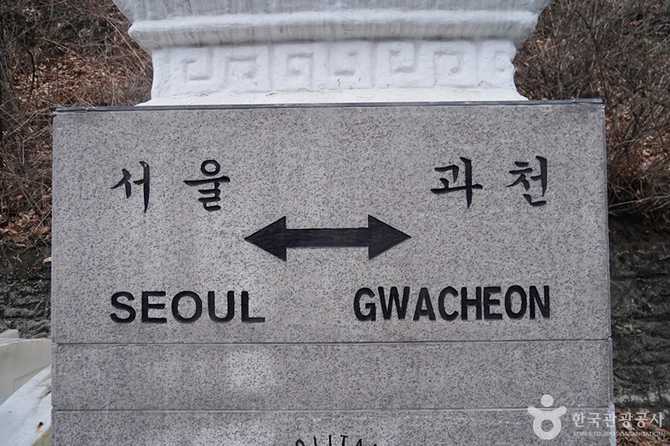
Namtaryeong Pass is situated on the border between Seoul’s Gwanak District and Gyecheon City in Gyeonggi Province. It lies along the Gwanaksan Mountain ridge, with the address in Seoul’s Gwanak District, South Korea.
Q2: What is the historical significance of Namtaryeong Pass?
Historically, Namtaryeong Pass served as a key gateway during the Joseon Dynasty, connecting Seoul with the southern provinces such as Chungcheong, Jeolla, and Gyeongsang. It was an important route for trade, military movement, and cultural exchange.
Q3: How long is the walking trail at Namtaryeong Pass?
The trail is approximately 6.6 kilometers long, making it suitable for a leisurely walk. The path features gentle slopes and scenic views, suitable for visitors of all ages and fitness levels.
Q4: Is Namtaryeong Pass accessible year-round?
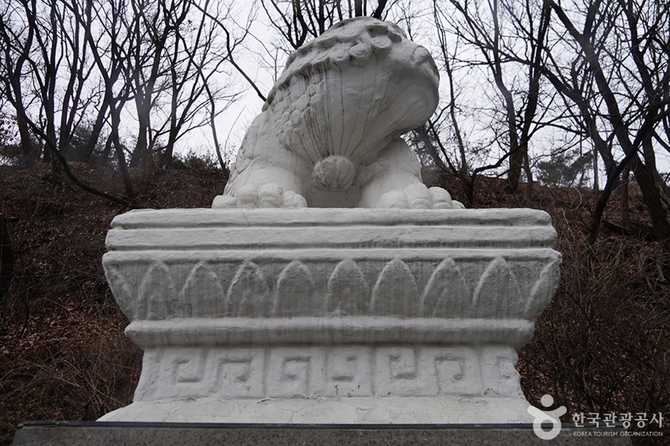
Yes, Namtaryeong Pass is open year-round and free to access. It is available for visitors at any time, with no designated holidays, making it a convenient outdoor destination.
Q5: What are recommended routes for visiting Namtaryeong Pass?
A popular route starts from Seonbawi Station, following the old Gwanaksan pathways past Gwanaksan and toward Namtaryeong. Visitors can also explore connecting trails leading to Gwanaksan summit and scenic observation points.
Q6: What precautions should I take when visiting Namtaryeong Pass?
Visitors should wear suitable footwear for uneven terrain, carry sufficient water, and check weather conditions beforehand. It is important to respect the natural environment by disposing of trash properly and staying cautious on natural trails to prevent accidents.
Experience the Natural Beauty and Rich History of Namtaryeong Pass
Visiting 남태령고개 offers a unique opportunity to immerse yourself in Korea’s scenic landscapes while exploring its historical significance. Whether you’re a nature lover, history enthusiast, or simply seeking a peaceful escape from the city, this trail provides an accessible and enriching experience. The combination of lush mountain views, well-preserved old pathways, and cultural remnants makes it an ideal destination for a relaxing day outdoors. The trail’s easy difficulty level ensures that visitors of all ages and fitness levels can enjoy a leisurely walk while soaking in the natural surroundings and learning about Korea’s past as a vital transportation route during the Joseon Dynasty. Remember to check the weather before your visit, wear comfortable shoes, and carry essentials like water and sun protection. Since the site is open year-round and free of charge, it’s a perfect place for spontaneous visits or planned outings. Make sure to respect the environment by taking your trash with you and staying on designated paths. A trip to 남태령고개 promises a memorable blend of history, nature, and tranquility that will leave you refreshed and inspired.