
출처 : ⓒ한국관광콘텐츠랩 또는 ⓒ한국관광공사
Discover Marpo Food Culture Street: A Must-Visit Foodie Destination in Seoul
Location 서울특별시 마포구 용강동
Location 서울특별시 마포구 용강동
Are you looking for an authentic Korean food experience in Seoul? Marpo Food Culture Street offers a vibrant atmosphere filled with delicious local dishes, cultural sights, and a lively neighborhood vibe. Whether you’re a food lover or a cultural explorer, this bustling street provides a perfect blend of culinary delights and historical charm.
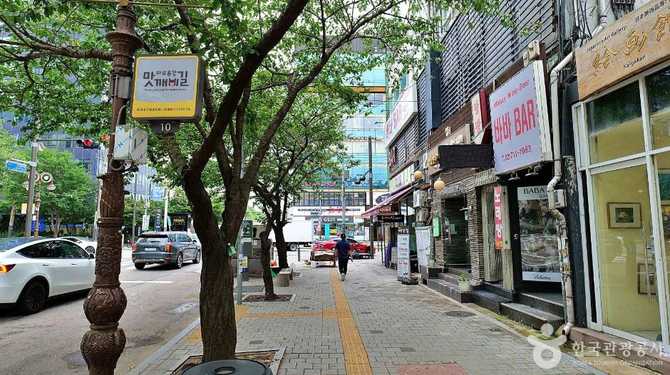
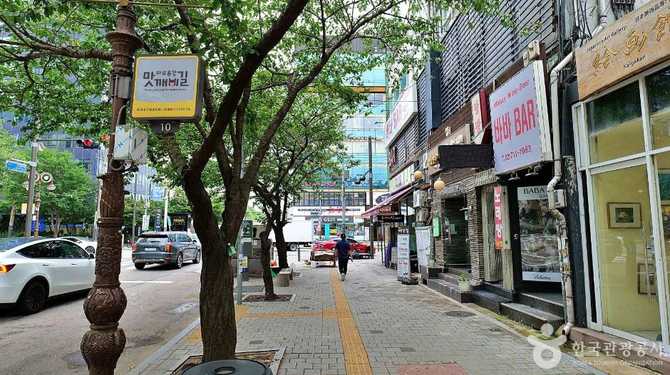
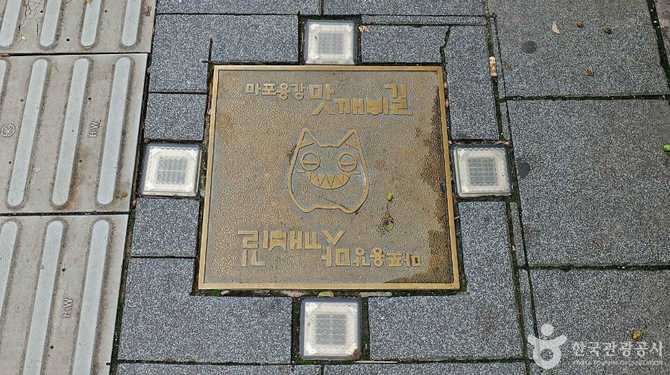
Located in the heart of Mapo-gu, Seoul, Marpo Food Culture Street, also known as Mapo Yonggang Mat-ggebi-gil, is renowned for its diverse array of restaurants specializing in Korean grilled meats like jokbal, pork ribs, and other barbecue favorites. With 37 eateries lined up along a lively alley, visitors can enjoy a variety of flavors in one convenient location. The street is well-marked with signage to help visitors find their favorite spots easily. Beyond the culinary scene, the street is steeped in history, as it was home to the famous scholar Tojeong Yi Jiham, whose statues and fortune-telling fish sculptures adorn the neighborhood, adding a cultural touch to your visit.
Whether you’re visiting for a quick bite or a leisurely exploration of local cuisine, Marpo Food Culture Street offers a memorable experience for all travelers. The area is accessible from Mapo Station Exit 1, with many restaurants open at different hours, and although parking is unavailable, public transportation makes it easy to reach. Entry to the street is free, and the vibrant atmosphere promises a delightful journey into Korea’s rich food culture and history.
At a glance
- Who this is for
-
- Food enthusiasts seeking authentic Korean barbecue
- Cultural travelers interested in local history and sculptures
- Tourists visiting Seoul looking for a lively neighborhood experience
- Anyone wanting to explore traditional Korean street food scenes
- Key takeaways
-
- Located in Mapo-gu, Seoul, also called Mapo Yonggang Mat-ggebi-gil
- Features 37 restaurants specializing in grilled meats and Korean cuisine
- Historical significance with statues of Tojeong Yi Jiham and fortune-telling sculptures
- Accessible from Mapo Station Exit 1; free entry, no parking available
- Street is lively, with signage for easy navigation and diverse food options
- Tips & cautions
-
- Check restaurant hours in advance, as they vary by shop
- Public transportation is recommended due to limited parking
- Look out for cultural sculptures and historical markers during your walk
- Prepare cash or card for dining and shopping at local eateries
- Bottom line
- Marpo Food Culture Street offers an authentic taste of Seoul’s culinary and cultural heritage, perfect for food lovers and history enthusiasts alike.
Seoul’s Marpo Food Culture Street is a lively, culturally rich destination that combines traditional Korean flavors with historical landmarks. This street, also known as Mapo Yonggang Mat-ggebi-gil, is a vibrant alley filled with 37 restaurants serving up delicious grilled meats, including jokbal, pork ribs, and more. Located conveniently near Mapo Station, it is a popular spot for both locals and tourists seeking an authentic Korean dining experience. The street’s historical significance is highlighted by statues of Tojeong Yi Jiham, a renowned scholar, and fish sculptures related to fortune-telling, adding a unique cultural dimension to your visit.
Whether you are craving a hearty Korean barbecue or interested in exploring local history, Marpo Food Culture Street provides a lively atmosphere and diverse culinary options. The street is well-marked with signage, making it easy to navigate, and offers a free entry experience. Keep in mind that parking is not available, so public transportation is the best way to visit. With its combination of food, history, and vibrant street life, Marpo Food Culture Street is a must-see destination for travelers exploring Seoul’s rich cultural tapestry.

- Introduction to Marpo Food Culture Street
- Location and How to Get There
- What to Expect: Food and Cultural Attractions
- Visitor Tips and Practical Information
- Nearby Attractions and Additional Recommendations
- Frequently Asked Questions
Overview of Marpo Food Culture Street
Marpo Food Culture Street, also known as Mapo Yonggang Mat-ggebi-gil, is one of Seoul’s most vibrant culinary destinations. Located in the heart of Mapo-gu, this bustling alley is famous for its diverse array of Korean barbecue and street food options, making it a must-visit for food enthusiasts and cultural explorers alike. The street features 37 restaurants, primarily specializing in grilled meats such as jokbal (pig’s trotters), pork ribs, and other traditional Korean barbecue dishes. Visitors can enjoy an authentic dining experience amidst lively surroundings, with many eateries offering outdoor seating and vibrant signage that guide you through the culinary journey.
Beyond its culinary appeal, Marpo Food Culture Street holds cultural significance due to its historical background. It was once home to the renowned scholar Tojeong Yi Jiham, and statues of him along with fish sculptures symbolizing fortune-telling can be seen throughout the area. These cultural elements add a unique dimension to your visit, blending Korea’s rich history with its modern street food scene. The street is conveniently accessible from Mapo Station Exit 1, making it easy for travelers to reach without the need for parking, as there is no designated parking area. The street’s lively atmosphere, combined with its historical sculptures and signage, creates an immersive experience for visitors seeking both taste and cultural insight.
Whether you’re stopping by for a quick snack or planning a leisurely exploration of local flavors, Marpo Food Culture Street offers a memorable experience. The area is open year-round, although individual restaurant hours may vary. Entry to the street itself is free, and it is recommended to visit during the evening when the neon signs and street lights create a lively ambiance. This destination perfectly combines Seoul’s culinary traditions with its cultural heritage, making it an essential stop for anyone interested in experiencing authentic Korean street food and local history in one vibrant neighborhood.

Comparison of Key Features at Marpo Food Culture Street
| Feature | Details |
|---|---|
| Location | Mapo-gu, Seoul, South Korea |
| Main Attractions | 37 restaurants specializing in Korean grilled meats, street food, and cultural sculptures |
| Historical Significance | Statues of Tojeong Yi Jiham and fortune-telling fish sculptures |
| Accessibility | Nearest station: Mapo Station Exit 1; no parking available |
| Operating Hours | Varies by restaurant; generally open in the evenings |
| Entry Fee | Free |
| Special Features | Signage for easy navigation, cultural sculptures, lively street atmosphere |
Visitor Checklist for Marpo Food Culture Street
- Plan your visit timing: Most restaurants are lively in the evening, so consider visiting after sunset for the best atmosphere.
- Check restaurant hours: Each eatery has different operating hours; verify in advance if you have specific places in mind.
- Use public transportation: Since parking is unavailable, take the subway to Mapo Station Exit 1 for easy access.
- Bring cash or card: Local eateries typically accept both, but it’s good to have cash on hand for smaller vendors.
- Explore cultural sculptures: Take time to appreciate the statues of Tojeong Yi Jiham and the fortune-telling fish sculptures scattered throughout the street.
Practical Tips for Visiting Marpo Food Culture Street
- Check restaurant hours in advance: Since each eatery operates on different schedules, it’s recommended to verify their opening and closing times before your visit to ensure you can dine at your preferred spot.
- Use public transportation: Parking is not available along the street, so plan to take the subway or bus. The nearest station is Mapo Station Exit 1, which provides convenient access to the area.
- Prepare cash or card: Most restaurants accept both cash and credit/debit cards, but carrying some cash is advisable for smaller vendors or street stalls.
- Visit during the evening: The street comes alive at night with vibrant neon lights and bustling crowds, creating an authentic Korean street food atmosphere. Evening visits are highly recommended for the full experience.
- Respect cultural sculptures and landmarks: Take time to appreciate the statues of Tojeong Yi Jiham and the fish sculptures associated with fortune-telling, which add cultural depth to your visit.
Additional Recommendations and Nearby Attractions
- Explore nearby cultural sites: After enjoying the street food, consider visiting nearby attractions such as the Hongdae area, known for its youthful vibe, street performances, and indie shops.
- Visit traditional markets: For a broader taste of local flavors, head to Mangwon Market, located a short subway ride away, offering fresh produce, snacks, and local specialties.
- Experience local cafes and bars: The Mapo district is filled with cozy cafes and lively bars where you can relax after your street food adventure.
- Take a cultural walk: Walk along the nearby Han River parks or explore the historic Sinchon area for a mix of leisure and cultural insights.
- Plan your transport: Besides the subway, consider using local buses or taxis for convenient travel between attractions, especially if you’re carrying shopping or souvenirs.
Whether you visit during the day or evening, Discover Marpo Food Culture Street is a meaningful stop on any Seoul itinerary for history-minded travelers.
Frequently Asked Questions (FAQ)
Q1: What is Marpo Food Culture Street in Seoul?
Marpo Food Culture Street, also known as Mapo Yonggang Mat-ggebi-gil, is a lively alley in Seoul’s Mapo-gu featuring 37 restaurants specializing in Korean grilled meats and street food. It combines culinary delights with cultural landmarks, making it a popular destination for food and history enthusiasts.
Q2: How do I get to Marpo Food Culture Street?
The street is accessible via Mapo Station Exit 1, with many restaurants nearby. Since parking is unavailable, public transportation is recommended for easy access to this vibrant neighborhood.

Q3: Are there any cultural attractions at Marpo Food Culture Street?
Yes, the street features statues of the scholar Tojeong Yi Jiham and fish sculptures related to fortune-telling, adding a cultural and historical dimension to your visit.
Q4: What types of food can I expect to find on Marpo Food Culture Street?

The street is known for Korean barbecue dishes such as jokbal (pig’s trotters), pork ribs, and other grilled meats, along with various street food options and local specialties.
Q5: Is there an entrance fee to visit Marpo Food Culture Street?

No, entry to the street is free. Visitors can explore the area and enjoy the lively atmosphere without any admission charges.
Q6: When is the best time to visit Marpo Food Culture Street?
The street is most lively in the evening when the neon signs and street lights create an authentic Korean street food ambiance. It is recommended to visit after sunset for the full experience.
Final Tips for Visiting Marpo Food Culture Street
Exploring Marpo Food Culture Street offers a unique opportunity to immerse yourself in Seoul’s vibrant culinary scene and rich cultural heritage. To make the most of your visit, plan ahead by checking restaurant hours, as each establishment operates on its own schedule. Remember, public transportation is the most convenient way to reach this lively street since parking options are limited or unavailable. Taking the subway to Mapo Station Exit 1 is highly recommended for easy access.
While strolling along the street, don’t miss the cultural sculptures and historical markers that add a special charm to the area. The statues of Tojeong Yi Jiham and the fortune-telling fish sculptures are fascinating sights that connect the modern street food scene with Korea’s historical traditions. When it comes to dining, carry some cash or a credit card, as most vendors accept both forms of payment. Visiting during the evening is ideal, as the street lights and neon signs create an energetic and authentic atmosphere that captures the true essence of Korean street food culture.
In summary, Marpo Food Culture Street is a must-visit destination for travelers seeking an authentic taste of Seoul’s culinary and cultural landscape. With careful planning and an open mind, your experience here will be memorable, offering delicious food, cultural insights, and a lively neighborhood vibe that embodies the spirit of Seoul. Whether you’re a foodie, a history enthusiast, or simply looking for an exciting local experience, this vibrant street provides everything you need for a fulfilling adventure in Korea’s capital city.