
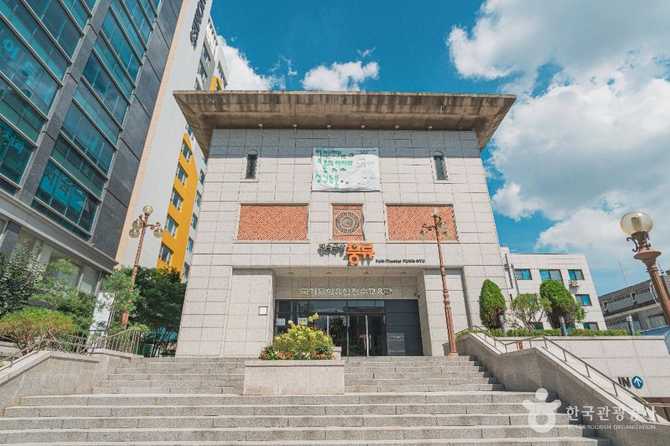
출처 : ⓒ한국관광콘텐츠랩 또는 ⓒ한국관광공사
Discover Korea’s Intangible Cultural Heritage at the National Intangible Cultural Heritage Education Center
Location 서울특별시 강남구 봉은사로 406
Location 서울특별시 강남구 봉은사로 406
Looking to experience authentic Korean traditional culture and intangible cultural assets? The National Intangible Cultural Heritage Education Center offers a unique opportunity to explore, learn, and participate in Korea’s rich cultural heritage through performances, exhibitions, and hands-on activities. Whether you’re a culture enthusiast, a visitor seeking immersive experiences, or a professional involved in cultural preservation, this center provides a comprehensive space to enjoy and understand Korea’s intangible cultural assets.
At a glance
- Who this is for
-
- Culture enthusiasts interested in Korean traditional arts and intangible heritage
- Visitors seeking authentic cultural performances and craft experiences
- Cultural professionals and educators involved in heritage preservation
- Key takeaways
-
- Established in 1997 to preserve and promote Korea’s intangible cultural assets
- Hosts regular traditional performances, exhibitions, and hands-on workshops
- Features facilities like the ‘Pungnyu Folk Theater’ and exhibition halls
- Open year-round with free admission, operating hours vary by day
- Located conveniently in Seoul’s Gangnam district
- Tips & cautions
-
- Check the official website or call ahead for current hours and special events
- Closed on major Korean holidays (Lunar New Year and Chuseok)
- Arrive early to secure participation in popular workshops
- Parking available but may be crowded; public transportation recommended
- Bottom line
- Experience Korea’s vibrant intangible cultural heritage firsthand at the National Intangible Cultural Heritage Education Center.
Immerse yourself in Korea’s traditional culture at the National Intangible Cultural Heritage Education Center, the country’s premier space dedicated to the preservation and transmission of intangible cultural assets. Since its establishment in 1997, this center has served as a hub for cultural preservation, offering visitors a chance to witness and participate in Korea’s living traditions through performances, exhibitions, and interactive workshops.
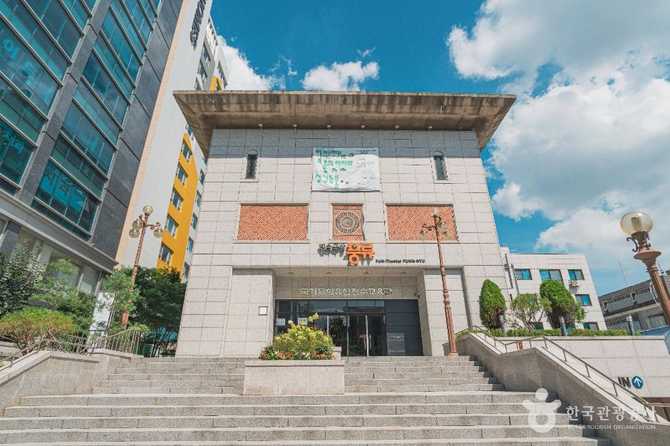
Located in Seoul’s vibrant Gangnam district, the center is easily accessible and provides a comprehensive experience of Korea’s intangible cultural heritage. From traditional music, dance, and theater performances to craft-making and cultural demonstrations, visitors can enjoy a variety of programs designed to educate and inspire. The center’s facilities, including the Folk Theater ‘Pungnyu’ and exhibition halls, host regular events that showcase Korea’s rich cultural history.
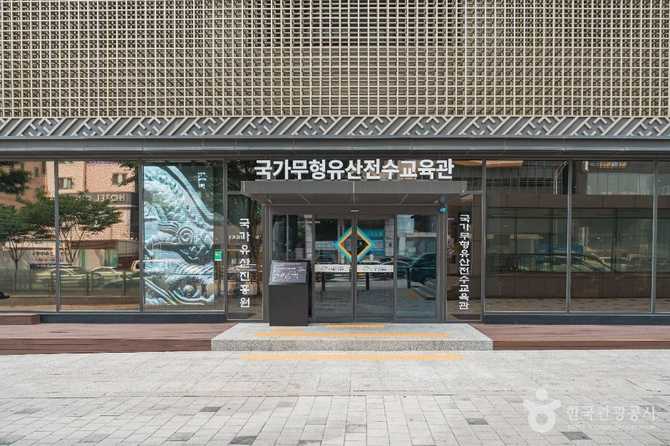
Whether you are a casual visitor, a student of Korean culture, or a professional working in cultural preservation, the National Intangible Cultural Heritage Education Center offers a meaningful way to connect with Korea’s living traditions. Admission is free, and the center operates throughout the year, with specific hours and holidays to keep in mind. Planning your visit ahead by checking the official website or making a phone inquiry will ensure you don’t miss out on special performances or workshops.
Overview of the National Intangible Cultural Heritage Education Center
The National Intangible Cultural Heritage Education Center is Korea’s leading institution dedicated to the preservation, promotion, and transmission of the country’s rich intangible cultural assets. Established in 1997, this center serves as a vital hub where traditional Korean arts, crafts, performances, and cultural practices are showcased, taught, and celebrated. Its primary goal is to ensure that Korea’s vibrant intangible cultural heritage continues to thrive through active participation, education, and community engagement.
Located in Seoul’s bustling Gangnam district, the center is easily accessible via public transportation, making it convenient for both locals and international visitors to explore Korea’s cultural treasures. It functions as a comprehensive space that combines performance venues, exhibition halls, and hands-on workshop areas. Visitors can enjoy traditional music, dance, and theatrical performances, as well as observe artisans demonstrating traditional crafts such as pottery, weaving, and metalwork.
The center not only hosts regular cultural performances but also offers educational programs designed for all age groups, from school children to adults and professionals. These programs include traditional craft workshops, demonstration sessions, and cultural seminars aimed at fostering appreciation and understanding of Korea’s intangible heritage. Admission is free, and the center operates year-round, with specific hours that vary depending on the day of the week and special holidays.
By visiting the National Intangible Cultural Heritage Education Center, travelers gain a unique opportunity to experience Korea’s living traditions firsthand. It is a place where history, art, and community come together, making it an essential destination for anyone interested in Korean culture, heritage preservation, and traditional arts. Whether attending a performance, participating in a craft workshop, or simply exploring the exhibitions, visitors can immerse themselves in the beauty and depth of Korea’s intangible cultural assets.

Comparison of Traditional Performances, Exhibitions, and Hands-On Programs
| Category | Description | Frequency | Cost |
|---|---|---|---|
| Traditional Performances | Regular traditional music, dance, and theater shows performed by masters of Korean intangible cultural assets. | Year-round, scheduled performances | Free or paid, depending on event |
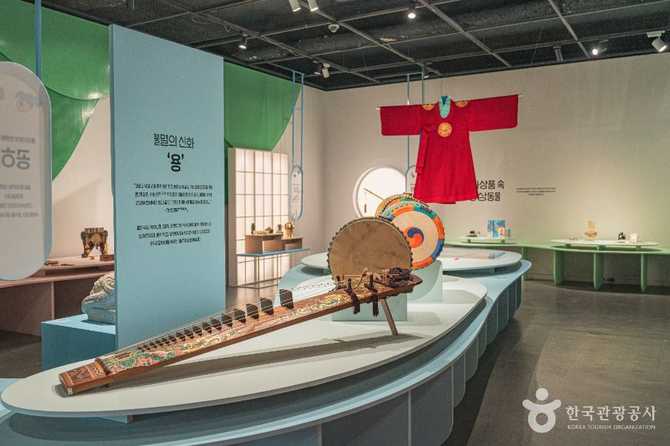
| Exhibitions | Displays of traditional crafts, artifacts, photographs, and cultural history related to Korea’s intangible heritage. | Ongoing, with special exhibitions periodically | Free |
| Hands-On Programs | Interactive workshops where visitors can learn traditional crafts like pottery, weaving, or musical instrument making. | Available throughout the year, often with prior reservation | Typically fee-based, varies by program |
Facilities, Location, and Visitor Checklist
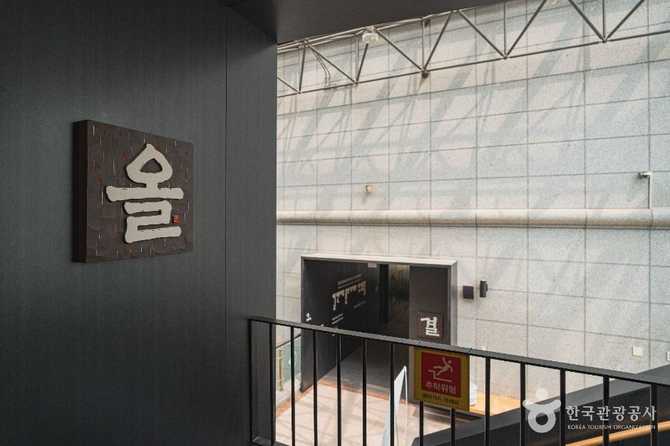
- Main Facilities: Folk Theater ‘Pungnyu’, exhibition halls ‘Gyeol’ and ‘Ol’, seminar rooms, craft practice studios, and performance spaces.
- Location: 406 Bongeunsa-ro, Gangnam-gu, Seoul. Easily accessible via subway and bus.
- Transportation: Use Seoul Subway Line 2 to Gangnam Station or Line 9 to Bongeunsa Station. Buses also serve the area.
- Parking: On-site parking available; however, it can be busy during peak hours. Public transportation is recommended.
- Visitor Tips: Check the official website or call ahead for current schedules, special events, and reservation requirements.
Operating Hours, Holidays, and Visitor Tips
| Day | Hours of Operation |
|---|---|
| Monday to Friday | 09:00 – 21:00 |
| Saturday and Sunday | 09:00 – 20:00 |
Please note that operating hours may vary during special occasions or holidays. It is recommended to verify the current schedule by visiting the official website or calling the center ahead of your visit.
- Holidays: The center is closed on major Korean holidays, specifically Lunar New Year (Seollal) and Chuseok (Korean Thanksgiving). It is advisable to plan your visit on regular days.
- Special Events and Programs: Some workshops or performances may require prior reservation. Check the schedule in advance to participate.
- Parking and Transportation: On-site parking is available but can be limited during peak times. Using public transportation is highly recommended for convenience and ease.
- Visitor Tips: Arrive early, especially during weekends or holidays, to secure participation in popular workshops or performances. Confirm details via the official website or by phone before your visit.
Visitor Checklist and Important Tips
- Verify current operating hours and scheduled programs on the official website or by calling the center before your visit.
- Plan your visit on a weekday if possible to avoid weekend crowds and ensure better participation in workshops.
- Make reservations in advance for popular hands-on programs or special exhibitions to secure your place.
- Use public transportation to reach the center conveniently; the nearest subway stations are Gangnam Station (Line 2) and Bongeunsa Station (Line 9).
- Arrive early to explore the facilities fully and participate in scheduled performances or activities.
- Check for any special events or temporary exhibitions that may enhance your visit.
- Bring comfortable clothing and suitable footwear for participating in craft workshops or walking around the center.
- Follow all guidelines and instructions provided by staff to ensure a safe and enjoyable experience.
- Respect the cultural significance of the performances and exhibits, and refrain from disruptive behavior.
- If parking, arrive early to secure a spot, although public transit is recommended due to limited parking availability during busy days.
Whether you visit during the day or evening, Discover Korea’s Intangible Cultural Her is a meaningful stop on any Seoul itinerary for history-minded travelers.
Frequently Asked Questions (FAQ)
Q1: When was the National Intangible Cultural Heritage Education Center established?

The center was established in 1997 to preserve and promote Korea’s intangible cultural assets. It serves as a hub for traditional performances, exhibitions, and educational programs.
Q2: What types of traditional performances and exhibitions can visitors experience at the center?
Visitors can enjoy regular traditional music, dance, and theater performances by masters of Korean intangible cultural assets. Exhibitions include traditional crafts, artifacts, and photographs related to Korea’s cultural heritage.

Q3: How can I participate in the traditional craft workshops and hands-on programs?
Participation in workshops and programs is available throughout the year, often with prior reservation. These interactive sessions include activities like pottery making, weaving, and musical instrument crafting.
Q4: Where is the center located, and how can I get there?
The center is located at 406 Bongeunsa-ro, Gangnam-gu, Seoul. It is easily accessible via Seoul Subway Line 2 (Gangnam Station) and Line 9 (Bongeunsa Station), with nearby bus stops as well.
Q5: What are the operating hours and holiday closures of the center?
The center operates from 09:00 to 21:00 on weekdays and 09:00 to 20:00 on weekends. It is closed on major Korean holidays such as Lunar New Year and Chuseok.
Q6: Are there any tips or precautions I should know before visiting?
It is recommended to check the official website or call ahead for current schedules and programs. Parking may be limited, so public transportation is advised, especially during busy periods.
Final Tips for Visiting Korea’s Cultural Heritage Center
Visiting the National Intangible Cultural Heritage Education Center offers a unique and enriching experience for anyone interested in Korea’s vibrant traditional culture. To make the most of your visit, it is highly recommended to check the center’s official website or contact them by phone before your trip. This ensures you have the latest information on operating hours, special performances, and available workshops, especially during peak seasons or holidays. Remember that the center is closed on major Korean holidays such as Lunar New Year and Chuseok, so plan your visit accordingly to avoid disappointment.
Arriving early is advisable, particularly if you wish to participate in hands-on craft programs or attend popular performances. While parking is available on-site, it can become crowded during busy times, so utilizing public transportation is often more convenient. The center’s location in Seoul’s Gangnam district makes it easily accessible via subway lines 2 and 9, as well as buses. Wearing comfortable clothing and bringing a notebook or camera can enhance your experience, allowing you to document and remember the rich cultural insights you gain.
Overall, a visit to the National Intangible Cultural Heritage Education Center provides an excellent opportunity to deepen your understanding of Korea’s cultural traditions. Whether you are exploring traditional performances, participating in craft workshops, or simply enjoying the exhibitions, this space is dedicated to preserving and sharing Korea’s intangible heritage. Planning ahead and arriving prepared will ensure you enjoy a meaningful and memorable cultural experience that highlights the beauty and depth of Korea’s living traditions.