
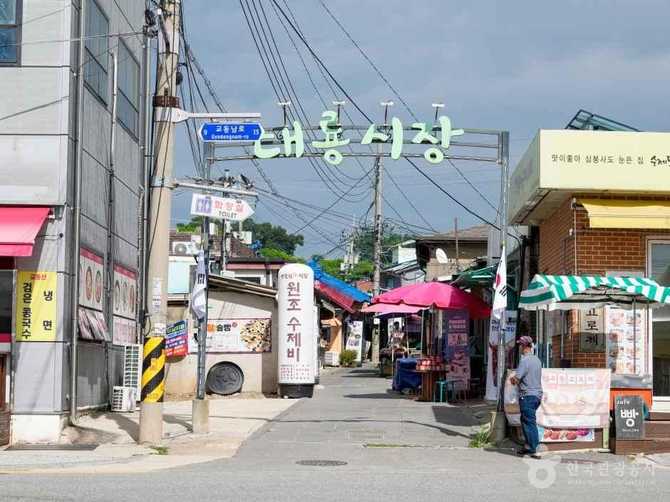
Discover Gyo-dong Daeryong Market: The Historic & Cultural Landmark of Ganghwa Island
Looking for an authentic Korean traditional market that blends history, culture, and local flavors? Gyo-dong Daeryong Market on Ganghwa Island offers visitors a unique glimpse into Korea’s past while providing modern-day shopping and sightseeing experiences. Whether you’re interested in exploring traditional markets, experiencing local culture, or purchasing regional specialties, this market is a must-visit destination.
In this guide, we will explore the historical background, key features, and visitor tips for Gyo-dong Daeryong Market, ensuring you can make the most of your trip. From its origins during the Korean War to its current role as a popular tourist attraction, this market embodies the spirit and resilience of the local community. Discover why it’s considered one of Ganghwa Island’s top cultural and shopping spots, perfect for travelers seeking authentic Korean experiences.
At a Glance
- Who this is for
-
- Travelers interested in Korean history and traditional markets
- Tourists exploring Ganghwa Island and Gyo-dong area
- Visitors seeking local produce and regional specialties
- Culture and heritage enthusiasts
- Photographers wanting scenic market views
- Key takeaways
-
- Established by refugees from Yeonbaek during the Korean War
- Features a nostalgic 1960s film-set atmosphere
- Revitalized as a tourist attraction after 2014 bridge opening
- Offers fresh regional produce, meats, and local crafts
- Located in Ganghwa-gun, accessible via Gyodong Bridge
- Tips & cautions
-
- Check individual shop hours and holiday schedules beforehand
- Expect some congestion during peak visiting times
- Be aware that market size has decreased compared to the past
- Verify parking availability and transportation options in advance
- Some items may vary seasonally or during special events
- Bottom line
- Gyo-dong Daeryong Market is a historic and cultural hub that offers a unique blend of tradition and modern tourism on Ganghwa Island.
Welcome to our comprehensive guide on Gyo-dong Daeryong Market, one of the most iconic traditional markets on Ganghwa Island. Whether you’re a history buff, a culture seeker, or simply looking to enjoy authentic Korean market experiences, this place has something for everyone. The market’s roots date back to the 1950s when refugees fleeing from Yeonbaek in North Korea established a marketplace to sustain their livelihoods. Over the decades, it has grown into a vibrant area that vividly reflects Korea’s resilience and community spirit.
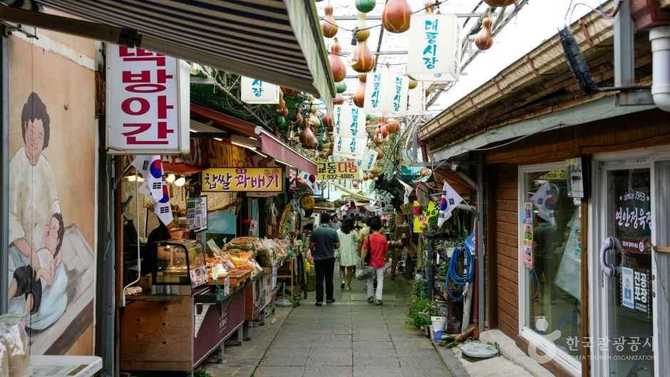
Today, Gyo-dong Daeryong Market is renowned not only for its historical significance but also for its charming atmosphere reminiscent of a 1960s film set. After the opening of the Gyodong Bridge in 2014, the market gained renewed popularity among tourists, becoming a must-visit destination for those exploring Ganghwa Island. Visitors can stroll through narrow alleyways lined with traditional shops, sampling local foods, and purchasing regional specialties like fresh produce, meats, and handcrafted souvenirs.
Whether you’re interested in experiencing Korea’s traditional market culture, buying unique local products, or capturing scenic photos, Gyo-dong Daeryong Market offers a memorable experience. Its blend of history, local flavor, and scenic charm makes it an ideal stop for travelers seeking an authentic taste of Korea’s rich heritage. Prepare your visit by checking shop hours and planning your transportation, and enjoy immersing yourself in this lively, historic marketplace that continues to tell stories of Korea’s past and present.
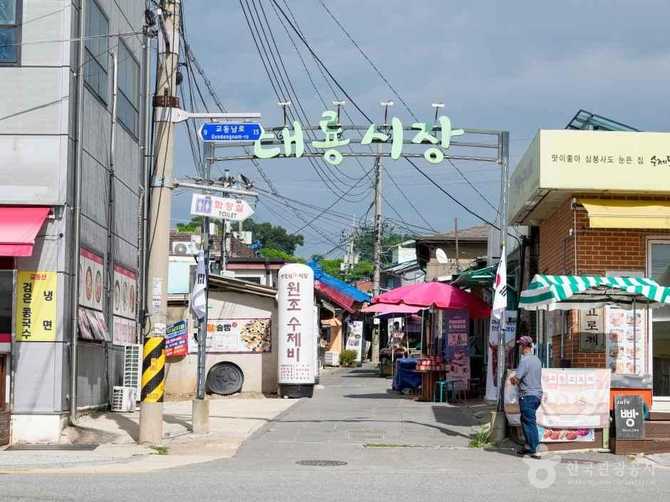
Gyo-dong Daeryong Market Overview & Historical Background
Gyo-dong Daeryong Market is a historic traditional market located on Ganghwa Island, South Korea. Renowned for its rich history and cultural significance, this market exemplifies Korea’s resilience and community spirit. The market was originally established during the Korean War in the 1950s by refugees fleeing from Yeonbaek County in North Korea. These displaced residents created a marketplace as a means to sustain their livelihoods amidst the chaos of war, laying the foundation for what would become a vital local hub for commerce and social interaction.
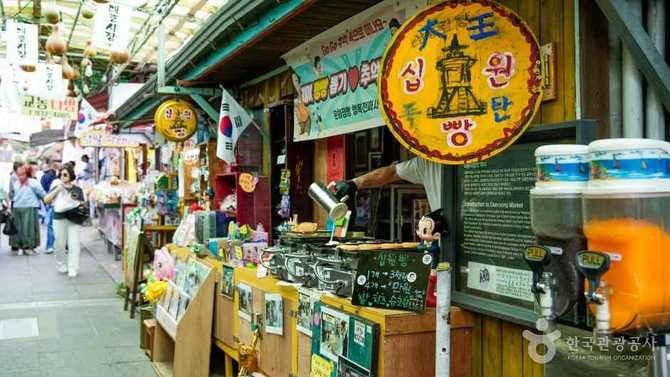
The market’s design and atmosphere are reminiscent of a 1960s film set, with narrow alleyways, traditional storefronts, and a nostalgic ambiance that transports visitors back in time. During its early years, Gyo-dong Daeryong Market served as a key economic center for the region, offering fresh agricultural produce, meats, and daily necessities to local residents. Over the decades, it became a symbol of the enduring spirit of the community, reflecting the hardships and hopes of the people who built and sustained it.
In 2014, the opening of the Gyodong Bridge significantly transformed the accessibility of the market, turning it into a popular tourist destination. The bridge connected Ganghwa Island to the mainland, making it easier for visitors to explore the area. Since then, the market has seen a resurgence in popularity, attracting tourists interested in Korean history, traditional culture, and regional specialties. Despite its reduced size compared to the past, Gyo-dong Daeryong Market continues to be a vibrant place where history and modern tourism intersect, offering a unique glimpse into Korea’s local heritage.
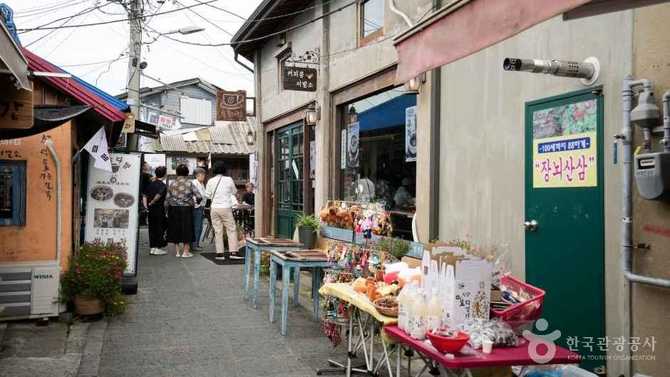
Today, this market is more than just a shopping spot; it’s a cultural landmark that embodies the resilience of Korea’s people. Visitors can explore its nostalgic streets, learn about the history of the refugees who founded it, and enjoy authentic local foods and crafts. Whether you’re a history enthusiast or a traveler seeking genuine Korean experiences, Gyo-dong Daeryong Market provides a meaningful connection to Korea’s past and present.
Comparison of Key Facts: Gyo-dong Daeryong Market
| Aspect | Details |
|---|---|
| Location | Incheon, Ganghwa-gun, Ganghwa Island, South Korea |
| Historical Significance | Founded by North Korean refugees during the Korean War in the 1950s |
| Major Attractions | Nostalgic 1960s film-set atmosphere, traditional alleyways, local markets |
| Main Products | Regional produce, meats, handcrafted souvenirs |
| Accessibility | Accessible via Gyodong Bridge; parking available |
| Operational Hours | Varies by shop; generally daytime; holidays may differ |
| Tourist Appeal | Photo spots, cultural immersion, local shopping |
Essential Checklist for Visiting Gyo-dong Daeryong Market
- Check Market Hours: Confirm individual shop hours and holiday schedules before your visit to avoid disappointment.
- Plan Your Transportation: Use Gyodong Bridge for easy access; consider parking options in advance, especially during peak times.
- Bring Cash & Small Change: Many small vendors prefer cash payments; credit cards may not be accepted everywhere.
- Visit During Off-Peak Hours: Early mornings or late afternoons tend to be less crowded, providing a more relaxed experience.
- Explore Local Products: Don’t miss regional produce, traditional snacks, and handcrafted souvenirs—perfect for gifts or personal keepsakes.
- Respect Local Customs: Be courteous when interacting with shopkeepers and fellow visitors, and ask before taking photos.
Top Tourist Attractions & Activities at Gyo-dong Daeryong Market
- Photo Opportunities: The market’s nostalgic streets, reminiscent of a 1960s film set, provide excellent photo spots. Capture the traditional alleyways, vintage storefronts, and lively market scenes to remember your visit.
- Sampling Local Foods: Enjoy a variety of traditional Korean snacks and street foods sold by local vendors. From fresh produce to regional delicacies, tasting authentic flavors is a highlight of your trip.
- Shopping for Regional Specialties: Browse the stalls for regional produce such as fresh vegetables, fruits, and local meats. Don’t forget to pick up handcrafted souvenirs, traditional crafts, and local crafts as unique keepsakes.
- Historical & Cultural Experience: Learn about the refugee history of the market, established by North Korean refugees during the Korean War. Some vendors and shops may share stories or display memorabilia, enriching your understanding of the area’s past.
- Enjoy Scenic Views: The market’s traditional atmosphere offers picturesque backdrops for sightseeing and photography. The vibrant street scenes and vintage ambiance make for memorable photos.
- Participate in Local Events: During certain seasons or festivals, the market hosts special events, cultural performances, or seasonal markets. Check local schedules beforehand to participate in these lively celebrations.
Visitor Tips & Important Notes for Gyo-dong Daeryong Market
- Verify Operating Hours: Since shop hours and holidays vary, it’s advisable to check in advance or upon arrival to ensure the shops you want to visit are open.
- Plan Your Visit During Less Crowded Times: Early mornings or late afternoons tend to be less busy, offering a more relaxed shopping and sightseeing experience.
- Check Parking & Transportation: The market is accessible via Gyodong Bridge, with parking available nearby. During peak times, parking may be limited, so consider public transportation or arrive early.
- Bring Cash & Small Change: Many vendors prefer cash payments; credit card acceptance may be limited in some shops. Prepare small bills and coins for convenience.
- Respect Local Customs: Be courteous and polite when interacting with vendors and other visitors. Asking permission before taking photos is appreciated.
- Be Prepared for Seasonal Changes: Some products or events may vary depending on the season or special festivals. It’s helpful to inquire about current offerings before your visit.
- Allow Extra Time for Exploration: To fully enjoy the market’s charm, allocate sufficient time for browsing, sampling, and taking photos without rushing.
Whether you visit during the day or evening, Discover Gyo is a meaningful stop on any Seoul itinerary for history-minded travelers.
Frequently Asked Questions (FAQ)
Q1: When is the best time to visit Gyo-dong Daeryong Market?
It is recommended to visit during the daytime hours, typically in the morning or late afternoon, to avoid crowds. Checking individual shop hours and holidays in advance can help ensure a smooth visit.
Q2: What types of products can I buy at Gyo-dong Daeryong Market?
The market offers regional produce, fresh meats, traditional snacks, handcrafted souvenirs, and local crafts. Seasonal items and special event products may vary, so inquire beforehand for specific items.
Q3: How can I get to Gyo-dong Daeryong Market?
The market is located in Ganghwa-gun, Incheon, South Korea, accessible via Gyodong Bridge. Visitors can drive and park nearby, with parking facilities available for convenience.

Q4: Are there any tips for avoiding crowds at the market?
Visiting early in the morning or later in the afternoon can help avoid peak hours. Also, checking shop operation times and avoiding weekends or public holidays can lead to a more relaxed experience.
Q5: What are some popular activities for tourists at Gyo-dong Daeryong Market?
Photographing the nostalgic streets, sampling traditional Korean street foods, and shopping for regional specialties are popular activities. Visitors can also learn about the market’s historical background and enjoy local cultural ambiance.
Q6: Does Gyo-dong Daeryong Market host any special events or festivals?
Some shops participate in seasonal or cultural events, and local festivals may include market-based activities. It’s advisable to check local event schedules before your visit for the latest information.
Experience the Charm of Gyo-dong Daeryong Market: A Must-Visit Cultural Landmark on Ganghwa Island
Visiting Gyo-dong Daeryong Market offers a unique opportunity to immerse yourself in Korea’s rich history and vibrant local culture. This traditional market, rooted in the stories of North Korean refugees who established it during the Korean War, has evolved into a beloved cultural and tourist destination on Ganghwa Island. Its nostalgic atmosphere, reminiscent of a 1960s film set, provides an authentic glimpse into Korea’s resilient community spirit. Whether you’re here to explore traditional alleyways, purchase regional specialties, or capture memorable photos, this market promises a meaningful experience that combines history, local flavors, and scenic charm.
As a traveler seeking genuine Korean culture, understanding the historical significance of Gyo-dong Daeryong Market enriches your visit. Its transformation from a wartime marketplace to a modern tourist attraction highlights Korea’s ability to preserve its heritage while embracing contemporary tourism. Be sure to check shop hours and transportation options beforehand to maximize your visit. Whether you’re interested in tasting regional produce, shopping for handcrafted souvenirs, or simply strolling through its nostalgic streets, this market offers a memorable journey into Korea’s past and present. Make your trip to Ganghwa Island complete by including Gyo-dong Daeryong Market in your travel itinerary, and enjoy discovering the enduring spirit of Korea’s local communities.