

Discover Gyeongin Museum: Seoul’s Premier Art and Culture Space
Looking for a vibrant cultural and art experience in Seoul? The Gyeongin Museum offers visitors a unique opportunity to explore Korea’s rich artistic heritage alongside contemporary exhibitions, all within a historic and accessible location. Whether you’re an art enthusiast, a history buff, or a casual tourist, this cultural hub provides a diverse array of exhibitions, performances, and cultural programs that showcase Seoul’s dynamic artistic scene.
Located in the heart of Jongno-gu, the Gyeongin Museum has been a cornerstone of Seoul’s cultural landscape since its opening in 1983. It combines traditional Korean architecture with modern art displays, creating a harmonious space that appeals to visitors of all ages. From traditional Hanok-style exhibits to contemporary art installations, the museum offers a comprehensive experience of Korea’s artistic evolution.
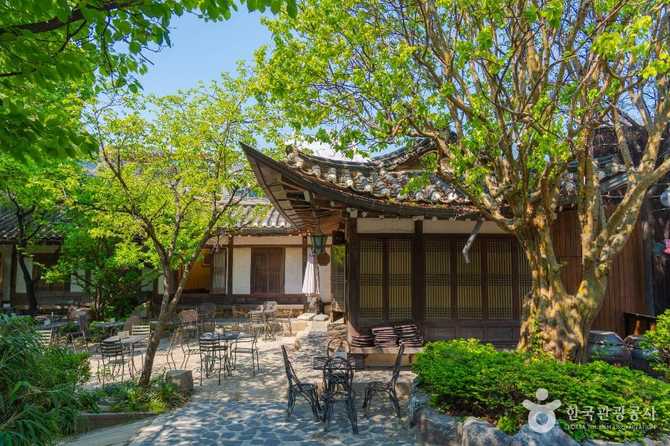
Visitors can enjoy six indoor exhibition halls, an outdoor stage, and a traditional tea house, all designed to foster cultural exchange and artistic inspiration. The museum also hosts seasonal concerts, artist meet-and-greets, and educational programs, making it an ideal destination for locals and tourists alike. Its central location and free admission make it an easy and affordable cultural outing for everyone interested in Korea’s artistic heritage and contemporary creativity.
At a glance
- Who this is for
-
- Tourists interested in Seoul’s cultural scene
- Local residents and artists
- History and art enthusiasts
- Families seeking educational outings
- Culture and museum professionals
- Key takeaways
-
- Established in 1983 in Jongno-gu, Seoul
- Features 6 indoor exhibition halls and outdoor stage
- Offers traditional and contemporary art displays
- Includes a traditional tea house and outdoor gardens
- Free entry with limited parking; accessible via public transport
- Tips & cautions
-
- Check exhibition schedules online before visiting
- Use public transportation for easier access
- Verify holiday closures, especially during major holidays
- Arrive early to enjoy outdoor events and concerts
- Bring your camera for photo opportunities
- Bottom line
- Gyeongin Museum is a must-visit cultural space that blends Seoul’s historical charm with modern artistic expressions, offering enriching experiences for all visitors.
The Gyeongin Museum is a prominent art and culture space located in Seoul’s Jongno district, serving as a bridge between Korea’s traditional heritage and contemporary art movements. Since opening in December 1983, it has been dedicated to fostering cultural exchange, supporting local artists, and providing the public with access to Korea’s rich artistic history. The museum’s architecture reflects a harmonious blend of traditional Hanok elements and modern design, creating an inviting environment for visitors to explore Korea’s artistic evolution.
Inside, visitors will find six well-equipped exhibition halls showcasing diverse artworks—from traditional Korean paintings and crafts to cutting-edge contemporary installations. The outdoor stage and garden areas host seasonal concerts, cultural performances, and artist meet-and-greets, making each visit a unique experience. The museum also features a traditional tea house where visitors can relax and enjoy Korean teas and snacks, enhancing their cultural immersion.
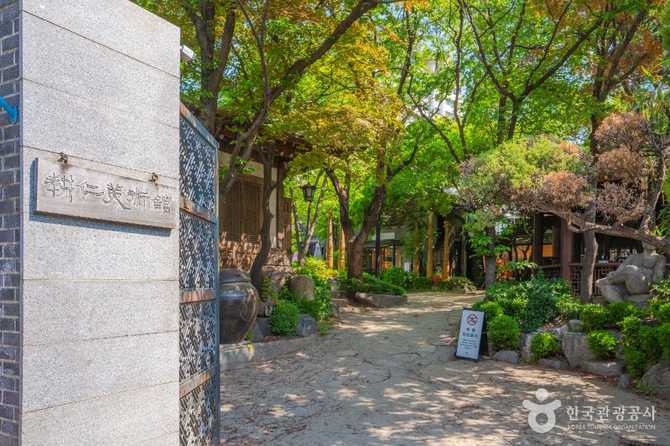
Accessibility is a key feature of the Gyeongin Museum, with its central Seoul location and free admission. Public transportation options are plentiful, and parking is limited, so visitors are encouraged to use buses or subway lines for convenience. The museum’s flexible hours from 10 am to 6 pm allow for easy planning, but checking the schedule for special exhibitions or events beforehand is recommended for a more enriching visit.
Whether you’re exploring Seoul’s cultural heritage or seeking inspiration from contemporary art, the Gyeongin Museum offers a comprehensive cultural experience that highlights Korea’s artistic and historical richness. Its role as a community hub and cultural preservation site makes it a top destination for anyone looking to deepen their understanding of Korea’s vibrant arts scene.
Gyeongin Museum Overview & History
The Gyeongin Museum is one of Seoul’s most prominent cultural and art spaces, located in the vibrant district of Jongno-gu. Since its opening on December 6, 1983, it has served as a vital hub for both traditional and contemporary Korean art, fostering cultural exchange and community engagement. This museum is renowned for its seamless integration of Korea’s rich historical heritage with modern artistic expressions, making it a must-visit destination for tourists and locals alike interested in Seoul’s vibrant arts scene.
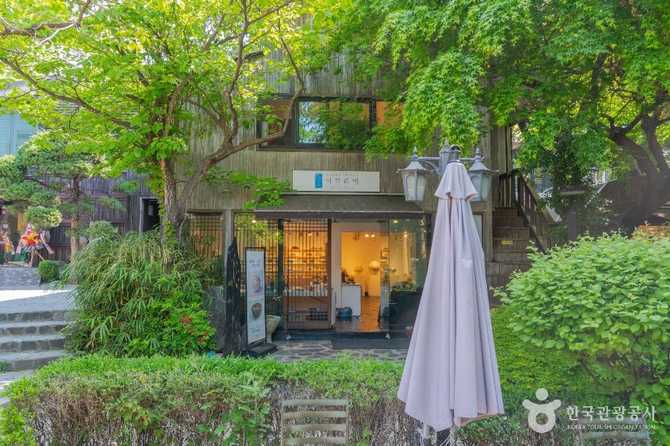
The museum’s architecture reflects a harmonious blend of traditional Hanok-style elements and modern design, creating an inviting environment that encourages exploration and learning. Its core mission is to preserve Korea’s cultural legacy while supporting contemporary artists through exhibitions, performances, and educational programs. The museum’s strategic location in Jongno-gu, a district steeped in history, further enhances its role as a cultural landmark.
Since its inception, the Gyeongin Museum has expanded its facilities to include six indoor exhibition halls, an outdoor stage, a traditional tea house, and outdoor gardens. These spaces host a variety of events, including seasonal concerts, artist meet-and-greets, and cultural workshops, providing visitors with a comprehensive cultural experience. The museum also actively collaborates with local cultural institutions to promote Korea’s artistic heritage.
The museum’s long-standing history is rooted in its dedication to community involvement and cultural preservation. Originally, it housed a traditional Hanok exhibition space that was once the residence of notable historical figure Park Young-hyo. This space has since been relocated to Namsan Gol Hanok Village, allowing visitors to experience traditional Korean architecture firsthand. Over the decades, the Gyeongin Museum has grown into an essential cultural landmark that bridges Korea’s past with its present, making it an ideal destination for those seeking a deep understanding of Seoul’s artistic and historical landscape.

Comparison of Gyeongin Museum Facilities and Exhibitions
| Facility/Exhibition | Details | Remarks |
|---|---|---|
| Exhibition Halls | Six indoor galleries (Rooms 1, 2, 3, 5, 6) plus outdoor exhibition space | Showcases traditional Korean art, modern artworks, and temporary exhibitions |
| Outdoor Stage & Garden | Open-air stage for seasonal concerts, performances, and cultural events | Regularly hosts community and artist events, especially during festivals |
| Traditional Tea House | Offers Korean teas, traditional snacks, and cultural experiences | Ideal for relaxing after exhibitions and engaging in cultural activities |
| Additional Facilities | Artist ateliers, event spaces, and educational rooms | Supports creative workshops and community art projects |
Visitor Tips & Checklist for Gyeongin Museum
- Check operating hours: The museum is open from 10:00 AM to 6:00 PM. Confirm hours before your visit, especially during holidays.
- Plan your visit around exhibitions: Review the latest exhibition schedules on the official website or contact the museum to ensure you don’t miss special displays or events.
- Use public transportation: Parking is limited; public transit options such as subway lines and buses are highly recommended for easy access.
- Arrive early: For outdoor events or concerts, arriving early ensures a good spot and a more relaxed experience.
- Bring essentials: Carry a camera, water, and comfortable shoes for walking around the outdoor gardens and exhibition halls.
Connection Between Gyeongin Museum and Korean Cultural Heritage
- Historical Significance of the Hanok Exhibition Space: The original Hanok-style exhibition room at Gyeongin Museum was once the residence of Park Young-hyo, a notable figure in Korean history. This space provides visitors with a tangible connection to Korea’s traditional architecture and aristocratic lifestyle during the Joseon Dynasty.
- Relocation to Namsan Gol Hanok Village: The historic Hanok building has been preserved and relocated to Namsan Gol Hanok Village, allowing the public to experience traditional Korean architecture in a living cultural environment. This move emphasizes the museum’s commitment to cultural preservation and education.
- Integration with Korean Heritage: The museum’s exhibitions often highlight Korea’s traditional arts, crafts, and history, fostering a deeper understanding of the country’s cultural roots. Special programs and educational workshops focus on traditional Korean techniques, further reinforcing this connection.
- Promotion of Cultural Continuity: By maintaining and showcasing traditional architecture and art, Gyeongin Museum acts as a bridge between Korea’s past and present, ensuring that cultural heritage remains relevant and accessible to future generations.
- Collaborations with Heritage Sites: The museum actively collaborates with other cultural and historical sites across Seoul and Korea, promoting awareness and appreciation of Korea’s cultural legacy through joint exhibitions and cultural events.
Visitor Checklist for Gyeongin Museum
- Verify operating hours: Confirm the museum’s hours of operation (10:00 AM – 6:00 PM) before your visit, especially during holidays or special events.
- Check holiday closures: The museum is closed on January 1st, Lunar New Year, and Chuseok holidays. Plan your visit accordingly.
- Review exhibition schedules: Visit the official website or contact the museum to find out about current and upcoming exhibitions or events you wish to see.
- Plan transportation: Since parking is limited, use public transportation such as subway lines or buses for easy access. The museum is located in central Seoul, making transit convenient.
- Prepare essentials: Bring a camera, water, comfortable shoes, and any necessary items for a full day of exploration and enjoyment.
- Arrive early for outdoor events: For seasonal concerts or performances, arriving early ensures a good spot and a more relaxed experience.
- Check for special programs: Look into workshops, cultural activities, or guided tours that may require reservations or advance registration.
- Stay informed: Follow the museum’s official channels for updates on new exhibitions, events, and any changes in operation schedule.
Frequently Asked Questions (FAQ)
Q1: When was Gyeongin Museum established?
The Gyeongin Museum was officially opened on December 6, 1983, in Seoul’s Jongno district. It has since served as a key cultural and art space in the area.
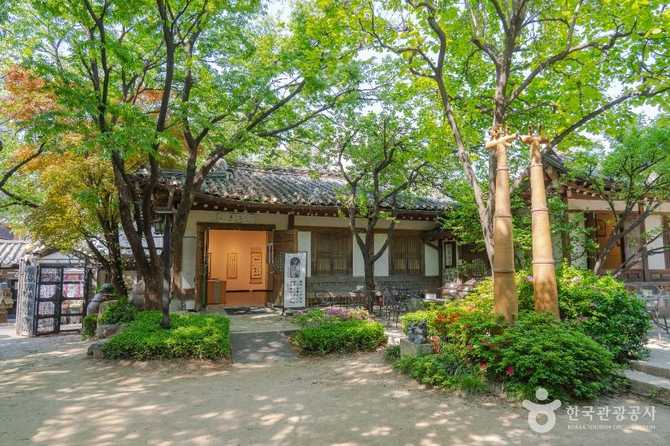
Q2: What are the main facilities and exhibitions at Gyeongin Museum?
The museum features six indoor exhibition halls, an outdoor stage, a traditional tea house, and outdoor gardens. It hosts traditional Korean art, modern artworks, seasonal performances, and cultural events.

Q3: Is there an admission fee for Gyeongin Museum?
No, entry to the Gyeongin Museum is free. However, parking is limited, so visitors are encouraged to use public transportation.
Q4: What are the operating hours of Gyeongin Museum?
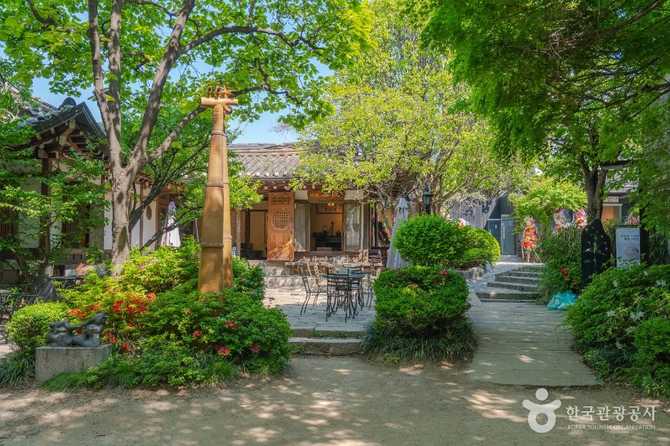
The museum operates from 10:00 AM to 6:00 PM daily. It is closed on January 1st, Lunar New Year, and Chuseok holidays.
Q5: What should visitors check before visiting Gyeongin Museum?
Visitors should verify the current exhibition schedule and event calendar on the official website or by phone. It is also recommended to plan transportation in advance due to limited parking.
Q6: How is Gyeongin Museum connected to Korea’s cultural heritage?
The museum’s original Hanok-style exhibition room was once the residence of Park Young-hyo, a notable historical figure. This space has been relocated to Namsan Gol Hanok Village, preserving Korea’s traditional architecture and cultural legacy.
Discover Gyeongin Museum: Seoul’s Premier Art and Culture Space
Visiting Gyeongin Museum offers a unique opportunity to immerse yourself in Seoul’s vibrant artistic and cultural scene. Located in the historic district of Jongno-gu, this museum seamlessly blends Korea’s rich heritage with contemporary art, making it an ideal destination for travelers seeking cultural enrichment. Whether you are interested in traditional Korean art, modern exhibitions, or cultural performances, the Gyeongin Museum provides a welcoming environment that caters to all interests and ages. Its strategic location in the heart of Seoul ensures easy access via public transportation, with free admission making it an accessible choice for everyone. The museum’s diverse facilities, including six indoor galleries, an outdoor stage, and a traditional tea house, create a well-rounded cultural experience. Visitors are encouraged to check the official schedule before their visit to enjoy special exhibitions and seasonal events. A trip to the Gyeongin Museum is not just about viewing art; it’s an opportunity to connect with Seoul’s history, community, and contemporary creativity. Make sure to plan ahead, verify operating hours, and explore the museum’s offerings to fully appreciate this cultural gem in Seoul.