

Discover Gwangju Wolgok Market: Your Guide to the Local Traditional Market Experience
Are you seeking an authentic Korean market experience filled with fresh produce, seafood, and local delicacies? Gwangju Wolgok Market offers visitors a vibrant glimpse into Korea’s rich market culture, perfect for travelers eager to explore regional flavors and everyday life.
Whether you’re a food lover, a shopper looking for regional specialties, or a curious traveler wanting to immerse yourself in local traditions, Gwangju Wolgok Market provides a dynamic environment to enjoy fresh ingredients, delicious street foods, and unique regional products. This guide will help you navigate the market efficiently, highlighting essential tips, opening hours, and must-try items, ensuring your visit is both enjoyable and memorable.
At a glance
- Who this is for
-
- Travelers seeking authentic Korean market experiences
- Food enthusiasts interested in fresh seafood and produce
- Local residents and nearby visitors exploring regional culture
- Shoppers looking for regional specialties and souvenirs
- Key takeaways
-
- Traditional market open daily from early morning to late evening
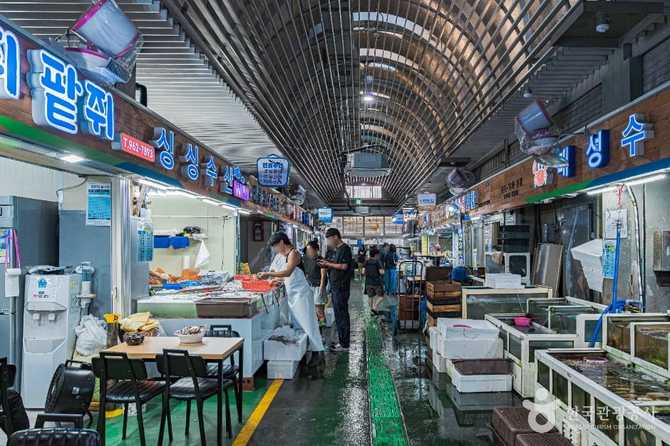
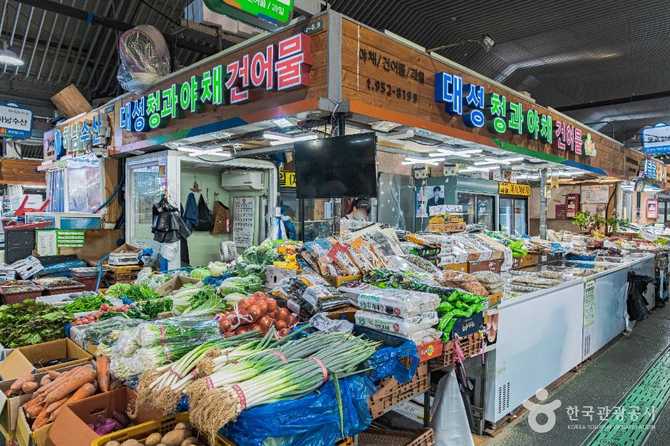
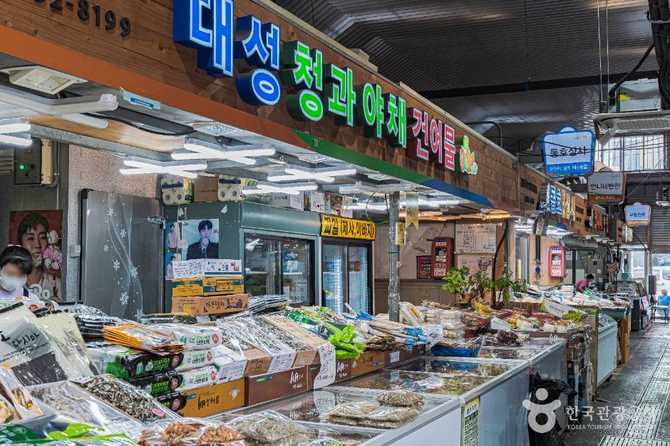
- Offers fresh seafood, vegetables, fruits, and regional products
- Located at 300 Saram-ro, Gwangsan-gu, Gwangju
- Free parking for the first hour, with limited spaces
- Open from 6:00 AM to 10:00 PM; closed on the first and third Sundays of each month
- Tips & cautions
-
- Check market hours and holiday closures before visiting
- Use public transportation due to limited parking availability
- Bring cash and mobile payment options for smooth transactions
- Visit early morning for the freshest seafood and produce
- Be mindful of crowded times and keep personal belongings secure
- Bottom line
- Gwangju Wolgok Market is a vibrant hub of local culture, offering fresh food, regional products, and an authentic Korean market experience.
Gwangju Wolgok Market is a traditional marketplace that embodies the local lifestyle and regional flavors of Gwangju. Known for its lively atmosphere and diverse offerings, this market is a must-visit for travelers wanting to experience Korea beyond the tourist spots. The market’s history dates back many decades, originating from its unique geographical setting in a semi-circular, mountain-adjacent village called ‘Madari’ or ‘Maedari,’ which influenced its name and layout.
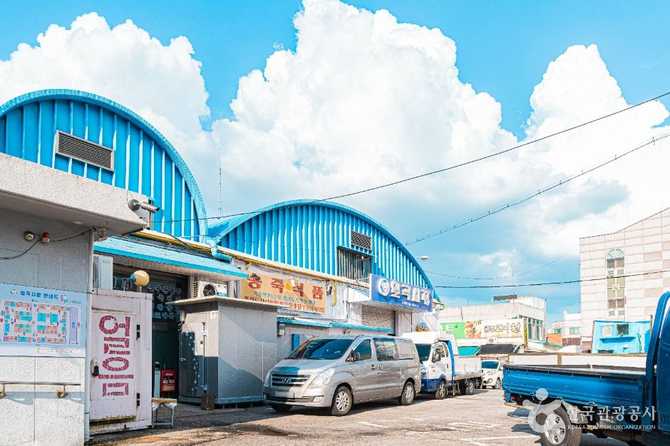
This market serves as a vital part of the community, providing residents with fresh seafood, vegetables, fruits, and regional specialties. Its strategic location in Gwangsan-gu makes it easily accessible via public transport, and its operating hours from 6:00 AM to 10:00 PM allow for flexible visits throughout the day. However, visitors should be aware of the market’s closure on the first and third Sundays of each month and plan accordingly.
Whether you’re here to shop for fresh ingredients, enjoy local street foods, or purchase unique souvenirs, Gwangju Wolgok Market offers a lively, authentic experience. This guide will help you prepare for your visit, highlighting essential tips, opening hours, and the best times to explore. Dive into the local culture, taste regional flavors, and enjoy the bustling atmosphere of this traditional Korean market.
Market Overview and History
Gwangju Wolgok Market stands out as a vibrant traditional market that embodies the rich local culture and daily life of Gwangju residents. This market, known for its fresh produce, seafood, and regional specialties, offers visitors an authentic taste of Korea’s bustling marketplace scene. The focus keyword, Gwangju Wolgok Market, highlights its significance as a key destination for both locals and travelers seeking genuine Korean market experiences. Established many decades ago, the market’s origins are deeply rooted in the geographical and cultural landscape of the area. Named after its semi-circular shape and the village called ‘Madari’ or ‘Maedari’ located beneath the surrounding mountains, the market has grown into a central hub of community activity and commerce.
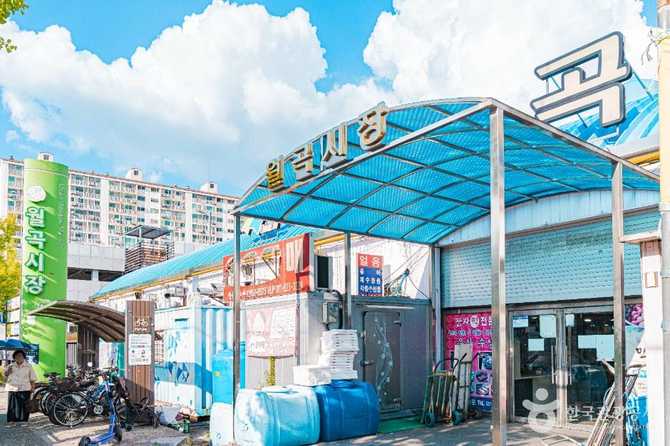
The unique topography of the area, with its mountain-adjacent village, influenced the layout and character of the market. Over the years, it has maintained its traditional charm while adapting to modern needs. The market’s core purpose is to serve the local community by providing fresh, high-quality agricultural and seafood products, as well as regional specialties and everyday essentials. Its strategic location in Gwangsan-gu makes it easily accessible via public transportation, which is highly recommended given the limited parking spaces. The market operates daily from early morning at 6:00 AM until late evening at 10:00 PM, allowing visitors to explore at their convenience.
Understanding the history and background of Gwangju Wolgok Market enhances the experience of visiting. It’s not just a place to shop but a cultural space where local traditions and livelihoods are preserved. Whether you’re here to buy fresh ingredients, enjoy regional street foods, or learn about local customs, this market offers a window into the everyday life of Gwangju’s residents. As a vital part of the community, the market continues to thrive, blending tradition with modernity, and welcoming visitors from all over the world who seek an authentic Korean market experience.
Comparison of Market Operating Hours and Key Details
| Category | Details |
|---|---|
| Market Name | Gwangju Wolgok Market |
| Location | 300 Saram-ro, Gwangsan-gu, Gwangju, South Korea |
| Operating Hours | 6:00 AM – 10:00 PM daily |
| Closed on | First and third Sundays of each month |
| Parking | Limited spaces; free for 1 hour, then paid |
| Main Products | Fresh seafood, vegetables, fruits, regional specialties |
This comparison table provides a clear overview of Gwangju Wolgok Market’s essential details, helping visitors plan their trip efficiently. Remember to check the specific days the market is closed and consider public transportation options due to limited parking. The market’s long operating hours make it convenient for early risers and night shoppers alike.
Essential Checklist for Visiting Gwangju Wolgok Market
- Check Market Hours and Holidays: Confirm opening times and holiday closures before your visit to avoid missing out.
- Plan Transportation: Use public transit as parking is limited; buses and taxis are convenient options.
- Prepare Payment Methods: Bring cash and mobile payment options for smooth transactions at various stalls.
- Make a Shopping List: Write down the products you want, such as fresh seafood, vegetables, or regional specialties.
- Visit Early Morning: For the freshest seafood and produce, arrive early, ideally around 6:00 AM.
- Bring Cash and Payment Apps: Most stalls accept cash; some may accept mobile payments like KakaoPay or Samsung Pay.
- Inspect Products Carefully: Check freshness and quality, especially for seafood and produce.
- Enjoy Local Food: Try the market’s small eateries and snack stalls for regional delicacies.
- Respect Local Customs: Be polite and patient, especially during busy hours.
Visitor Tips and Precautions for Gwangju Wolgok Market
- Verify Operating Hours and Holidays: Before heading to the market, double-check the opening hours and holiday closures to ensure your visit aligns with market operation days.
- Use Public Transportation: Due to limited parking spaces, it’s highly recommended to use buses, taxis, or other public transit options for a convenient visit.
- Bring Cash and Mobile Payments: Most vendors accept cash, and some also accept mobile payment apps like KakaoPay or Samsung Pay, so prepare accordingly.
- Inspect Goods Carefully: When purchasing seafood, produce, or regional specialties, examine freshness and quality to ensure satisfaction.
- Dress Comfortably and Prepare for Crowds: Wear comfortable shoes and be mindful of crowded areas, especially during weekends and peak hours.
- Secure Personal Belongings: Keep your valuables close and be cautious of pickpockets in busy sections of the market.
- Plan for Early Visits: Arriving early, around 6:00 AM, allows access to the freshest products and a less crowded shopping experience.
Market Visit Checklist for Gwangju Wolgok Market
- Confirm Market Hours and Holidays: Check the latest operating schedule and holiday closures to plan your visit accordingly.
- Arrange Transportation: Decide whether to take public transit or arrive early to find parking, considering limited spaces.
- Prepare Payment Methods: Bring sufficient cash and consider downloading mobile payment apps accepted by vendors.
- Create a Shopping List: List desired items such as fresh seafood, seasonal vegetables, fruits, or regional specialties.
- Visit During Peak Times: Aim to arrive early in the morning for the best selection and fewer crowds.
- Dress Appropriately: Wear comfortable shoes and weather-appropriate clothing for a pleasant experience.
- Bring Reusable Bags or Cooler: Prepare bags for shopping and a cooler if purchasing perishable goods for the journey home.
- Inspect Goods Carefully: Check freshness, quality, and condition of items before purchasing, especially seafood and produce.
- Enjoy Local Cuisine: Explore the market’s food stalls and eateries for regional snacks and meals.
- Respect Local Etiquette: Be polite, patient, and courteous to vendors and fellow shoppers.
Whether you visit during the day or evening, Discover Gwangju Wolgok Market is a meaningful stop on any Seoul itinerary for history-minded travelers.
Frequently Asked Questions (FAQ)
Q1: What types of products are mainly sold at Gwangju Wolgok Market?
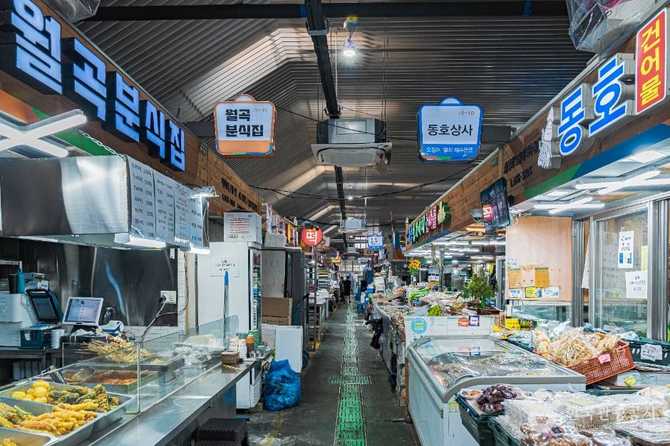
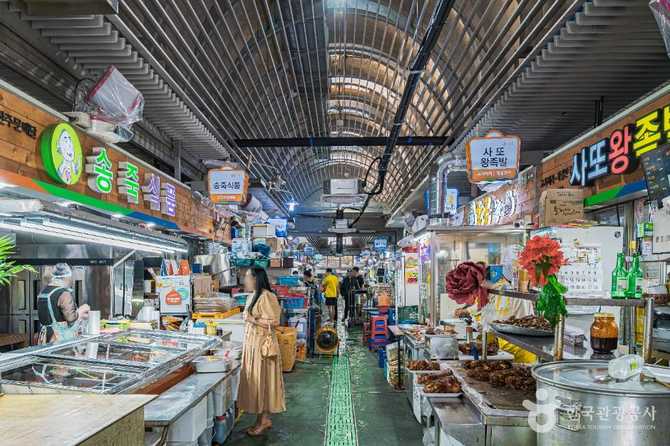
Gwangju Wolgok Market primarily sells fresh seafood, vegetables, fruits, agricultural products, and regional specialties. It is known for its wide variety of local produce and seafood items.
Q2: What are the operating hours of Gwangju Wolgok Market?
The market is open daily from 6:00 AM to 10:00 PM. It closes on the first and third Sundays of each month for regular holidays.
Q3: Is parking available at Gwangju Wolgok Market?
Yes, there is limited parking space available. The first hour is free, and after that, parking fees apply at a rate of 100 won per 15 minutes.
Q4: Where exactly is Gwangju Wolgok Market located?
The market is located at 300 Saram-ro, Gwangsan-gu, Gwangju, South Korea. It is easily accessible via public transportation, with eight entrance points.
Q5: When is Gwangju Wolgok Market closed?
The market is closed on the first and third Sundays of each month. It remains open on all other days, including public holidays unless otherwise announced.
Q6: Are there dining options inside Gwangju Wolgok Market?
Yes, the market features several small restaurants and snack stalls where visitors can enjoy regional dishes and quick meals. Menu options and operating hours vary by vendor.
Final Tips for Visiting Gwangju Wolgok Market
A visit to Gwangju Wolgok Market offers a unique opportunity to experience Korea’s vibrant traditional market culture firsthand. To make the most of your trip, it’s essential to plan ahead by checking the market’s operating hours and holiday schedule. Remember that the market is open daily from 6:00 AM to 10:00 PM, but it closes on the first and third Sundays of each month, so double-check these dates before your visit. Using public transportation is highly recommended due to limited parking spaces; buses and taxis provide convenient access to the market’s central location at 300 Saram-ro, Gwangsan-gu.
When shopping, bring cash and consider mobile payment options like KakaoPay or Samsung Pay for smoother transactions. Arriving early, around 6:00 AM, allows you to enjoy the freshest seafood and produce while avoiding crowds. Be sure to inspect goods carefully, especially seafood and fruits, to ensure quality. Don’t forget to bring a cooler bag if you plan to purchase perishable items. After shopping, indulge in local street foods offered by the market’s many small eateries, which provide authentic regional flavors. Respect local customs by being polite and patient, especially during busy hours. With proper preparation, your visit to Gwangju Wolgok Market will be a memorable experience filled with cultural insights, delicious foods, and friendly interactions that truly reflect Korea’s lively marketplace spirit.