

Discover Gwangju Eojae Museum: A Cultural Hub of Nature and Art
Are you seeking a unique cultural experience that blends traditional Korean art with modern architecture amidst beautiful natural scenery? Gwangju Eojae Museum offers visitors an immersive journey into Korea’s artistic heritage, set against the stunning backdrop of Mudeungsan Mountain. This cultural landmark not only showcases masterpieces of Korean ink painting but also exemplifies innovative architectural design harmoniously integrated with nature. Whether you’re an art enthusiast, a family traveler, or a curious explorer, Gwangju Eojae Museum promises a rich and meaningful visit.
At a glance
- Who this is for
-
- Art lovers interested in traditional Korean ink painting and modern architecture
- Cultural enthusiasts exploring Korea’s regional art scenes
- Researchers studying Korean art history and contemporary design
- Families and friends seeking a scenic and educational outing
- Key takeaways
-
- Established in 2001 near Mudeungsan Mountain and Seongshimsa Valley
- Features permanent exhibitions of master painter Heo Baek-ryun and Namdo Korean painting
- Modern architectural design using concrete, wood, and glass that blends with natural surroundings
- Offers diverse cultural programs, workshops, and seasonal exhibitions
- Recognized with the Korea Architecture Award for its innovative design
- Tips & cautions
-
- Check operating hours and special event schedules before visiting
- Some exhibitions and programs may require prior reservations
- Wear comfortable shoes and suitable attire for outdoor viewing
- Avoid flash photography during exhibitions
- Bottom line
- Gwangju Eojae Museum is a harmonious space where Korea’s artistic traditions meet contemporary architecture amid natural beauty, making it a must-visit cultural destination.
Gwangju Eojae Museum stands as a testament to Korea’s rich artistic heritage and innovative architectural spirit. Located in the scenic vicinity of Mudeungsan Mountain and Seongshimsa Valley, it embodies a seamless integration of nature, traditional art, and modern design. Since its opening in 2001, the museum has become a focal point for cultural preservation and creative expression, honoring the legacy of the renowned Korean ink painter Heo Baek-ryun.
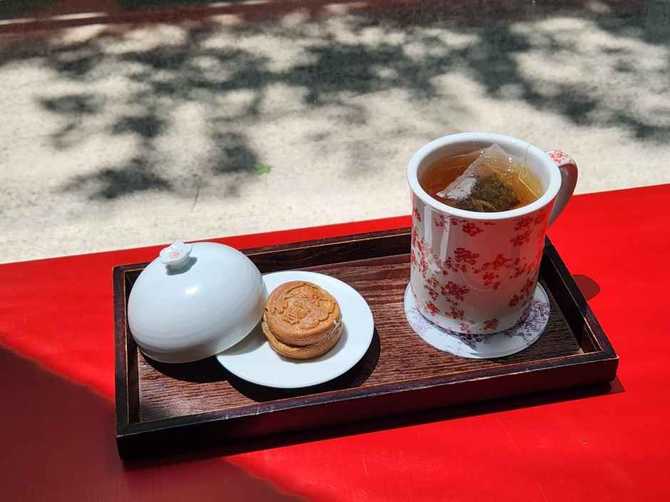
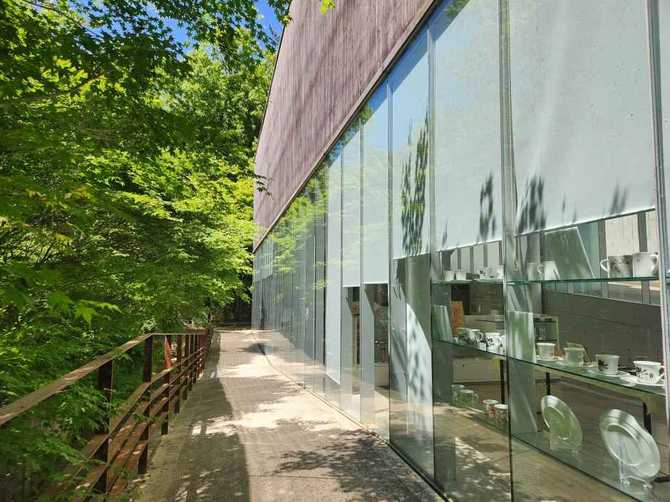
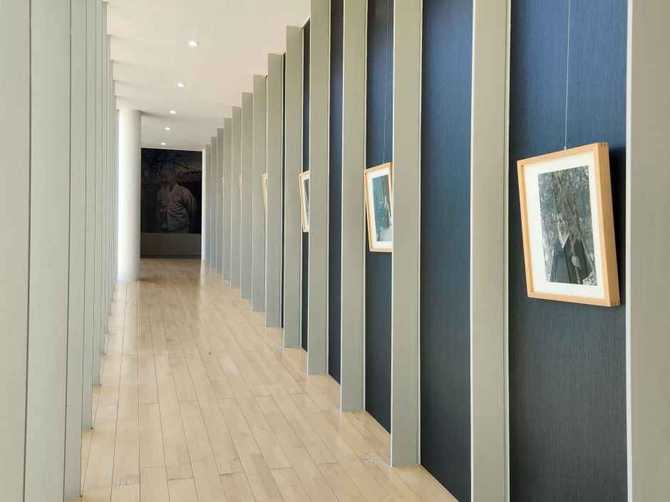
This museum is more than just an art gallery; it is a cultural space that invites visitors to experience Korea’s artistic evolution within a setting that celebrates the natural landscape. Its architecture, characterized by concrete, wood, and expansive glass walls, harmonizes with the surrounding environment, offering breathtaking views of Mudeungsan’s seasonal scenery. The museum’s exhibitions highlight the beauty of Namdo Korean painting and showcase works that reflect the artistic spirit of Heo Baek-ryun, one of Korea’s master painters.

Whether you are interested in exploring traditional Korean art, enjoying the serenity of nature, or appreciating innovative architecture, Gwangju Eojae Museum provides a comprehensive cultural experience. Visitors can participate in educational programs, seasonal exhibitions, and cultural events designed to deepen understanding and appreciation of Korea’s artistic heritage. Planning your visit ahead by checking the opening hours and special event schedules will ensure a smooth and enriching experience at this distinguished museum.
Gwangju Eojae Museum Overview & Location
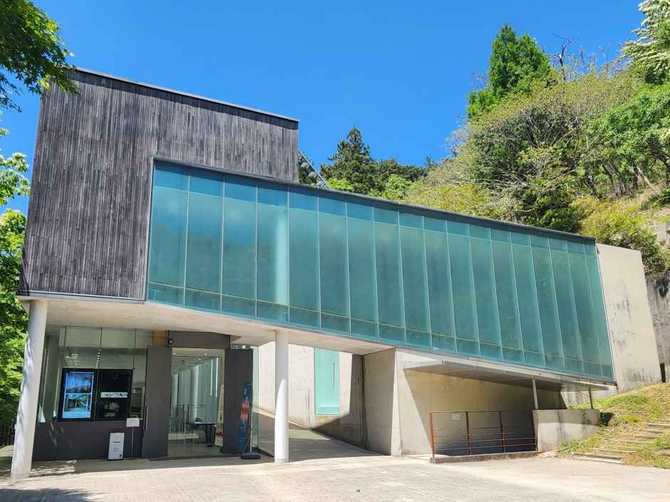
Gwangju Eojae Museum is a prominent cultural destination in South Korea that beautifully combines traditional Korean ink painting with contemporary architectural design. Established in 2001, this museum is dedicated to preserving and showcasing the artistic legacy of the renowned Korean painter Heo Baek-ryun, a master of Namdo Korean painting. Its strategic location near Mudeungsan Mountain and Seongshimsa Valley offers visitors an immersive experience surrounded by stunning natural scenery, which complements the museum’s focus on harmony between art and nature. The museum’s architecture exemplifies modern design principles, utilizing materials such as concrete, wood, and expansive glass walls that seamlessly blend with the natural environment. This integration creates a tranquil atmosphere where visitors can enjoy both artistic masterpieces and scenic views in one place.
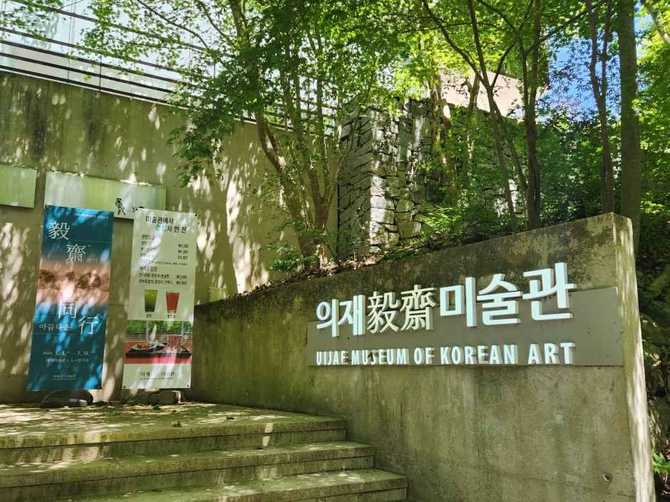
The museum’s layout is thoughtfully designed to maximize the appreciation of Korea’s artistic traditions while offering a contemporary aesthetic. Its location in Gwangju, a city rich in cultural history, makes it easily accessible for both local residents and international travelers. Visitors can reach the museum via public transportation or by car, with ample parking facilities available. The surrounding area features lush greenery, walking trails, and scenic spots that invite outdoor exploration before or after museum visits. The proximity to Mudeungsan Mountain provides a breathtaking backdrop, especially during the changing seasons, making it an ideal destination for art lovers and nature enthusiasts alike.
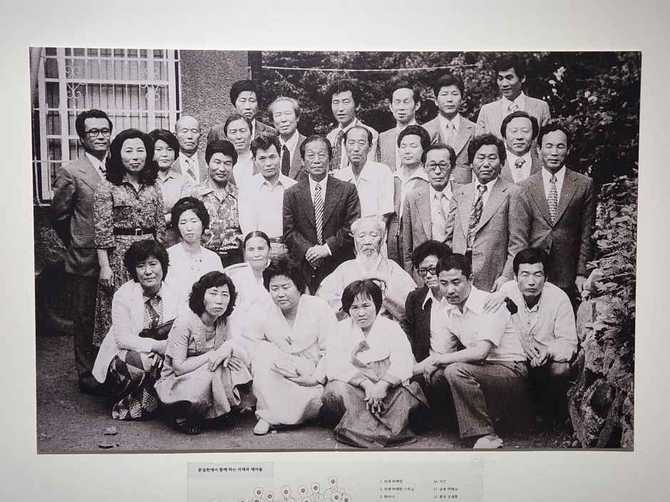
Overall, Gwangju Eojae Museum stands out as a cultural landmark that embodies Korea’s artistic heritage within a natural setting. Its focus on the legacy of Heo Baek-ryun and the integration of modern architecture with traditional art forms make it a must-visit for those interested in Korea’s cultural and artistic evolution. Whether you are exploring Korea’s regional art scene or seeking a peaceful retreat in nature, this museum offers a unique and enriching experience that highlights the harmony between art, history, and the environment.
Main Exhibitions & Artworks Comparison
| Exhibition Type | Content & Focus | Notes |
|---|---|---|
| Permanent Exhibition | Showcases Heo Baek-ryun’s masterpieces and traditional Namdo Korean painting, emphasizing brush techniques, themes, and historical significance. | Changed seasonally to display different works, maintaining visitor interest. |
| Special & Temporary Exhibitions | Focuses on specific themes, contemporary artists, or collaborative projects, often featuring invited artists or curated themes. | Held periodically; check the museum’s schedule for current exhibitions. |
| Educational & Cultural Programs | Includes art workshops, lectures, and hands-on activities designed for various age groups, emphasizing traditional techniques and art appreciation. | Operates throughout the year; participation may require prior registration. |
Overall, Gwangju Eojae Museum offers a diverse array of exhibitions that blend traditional Korean ink painting with contemporary art forms. Its permanent collection provides insight into Heo Baek-ryun’s artistic legacy, while seasonal and special exhibitions keep the experience fresh for repeat visitors. The museum’s educational programs further deepen understanding and appreciation of Korea’s rich artistic traditions.
Architectural Design & Visitor Tips Checklist
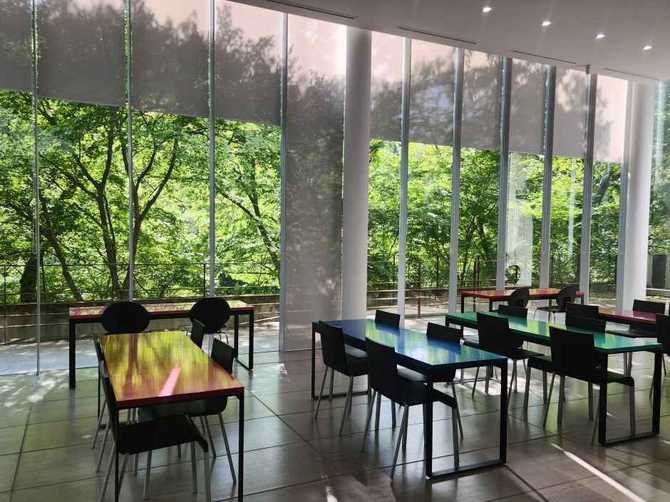
- Design Concept: Modern architectural style blending concrete, wood, and glass to harmonize with natural surroundings.
- Materials Used: Exposed concrete, warm wood accents, and large glass panels for transparency and natural light.
- Building Layout: Designed along natural terrain with flowing pathways and open courtyards that integrate with outdoor scenery.
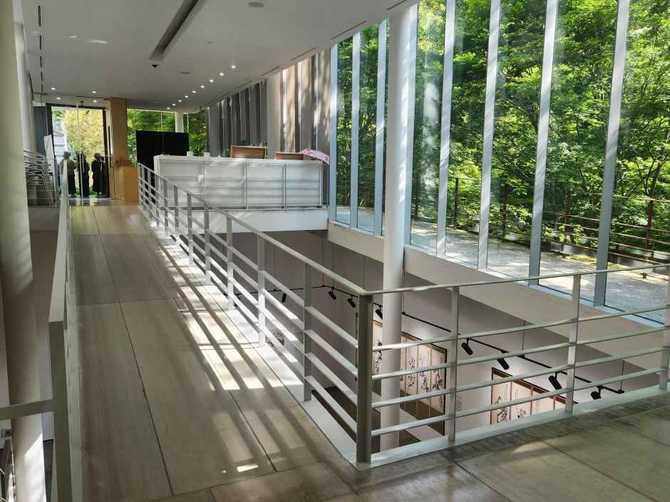
- Key Features: Glass walls offering panoramic views of Mudeungsan, and a pavilion-like structure that emphasizes openness and connection with nature.
- Construction Recognition: Winner of the Korea Architecture Award for its innovative and eco-friendly design.
In summary, the architectural design of Gwangju Eojae Museum emphasizes harmony with nature through innovative use of materials and layout. Preparing appropriately for your visit ensures you can appreciate both the building’s aesthetic and the surrounding landscape fully.

Visitor Information & Tips for Visiting Gwangju Eojae Museum
| Aspect | Details |
|---|---|
| Operating Hours | – Winter (October to March): 9:30 AM – 5:00 PM – Summer (April to September): 9:30 AM – 5:30 PM – Last admission: 30 minutes before closing |
| Closed | Closed on Mondays and national holidays. Check the official website for special closure days. |
| Admission Fee | Generally free; some special exhibitions or programs may charge an entrance fee. Confirm details in advance. |
| How to Get There |
|
| Visitor Facilities | On-site parking, gift shop, café, rest areas, and accessible facilities for visitors with disabilities. |
| Important Tips |
|
Cultural Programs & Events at Gwangju Eojae Museum
- Art Workshops & Classes: Regularly scheduled art workshops focusing on traditional Korean ink painting techniques, calligraphy, and contemporary art practices. Suitable for all skill levels, with prior registration recommended.
- Seasonal & Special Exhibitions: The museum hosts themed exhibitions that change periodically, highlighting specific artists, art styles, or cultural themes. These often include curated collections, interactive displays, and multimedia presentations.
- Cultural Events & Performances: Music concerts, traditional Korean dance performances, and cultural lectures are organized throughout the year to enrich visitors’ experience and deepen understanding of Korea’s artistic heritage.
- Family & Children Programs: Family-friendly activities such as art-making sessions, storytelling, and outdoor exploration programs designed to engage children and encourage artistic curiosity.
- Guided Tours & Explanation Services: Expert guides are available to provide detailed explanations of artworks, architecture, and the cultural significance of exhibits. Tours can be booked in advance or on-site, depending on availability.
- Special Event Reservations: For major cultural festivals or exclusive exhibitions, visitors are advised to reserve tickets or participate in pre-arranged programs to secure their participation.
Whether you visit during the day or evening, Discover Gwangju Eojae Museum is a meaningful stop on any Seoul itinerary for history-minded travelers.
Frequently Asked Questions (FAQ)
Q1: What are the main exhibitions at Gwangju Eojae Museum?
The museum primarily features permanent exhibitions of Heo Baek-ryun’s masterworks and traditional Namdo Korean painting, with seasonal updates. It also hosts special and temporary exhibitions focusing on specific themes or contemporary artists, along with educational programs and cultural events.
Q2: What are the operating hours of Gwangju Eojae Museum?
During the winter season (October to March), the museum is open from 9:30 AM to 5:00 PM, while in summer (April to September), hours extend to 9:30 AM to 5:30 PM. Please check the official website or contact the museum beforehand for exact times and any seasonal variations.
Q3: How does the architecture of Gwangju Eojae Museum integrate with its natural surroundings?
The museum’s design uses concrete, wood, and large glass panels to harmonize with the natural terrain. Its layout follows the landscape, offering panoramic views of Mudeungsan Mountain through glass walls, creating a seamless connection between indoor space and nature.
Q4: Are there any visitor tips or precautions I should know before visiting?
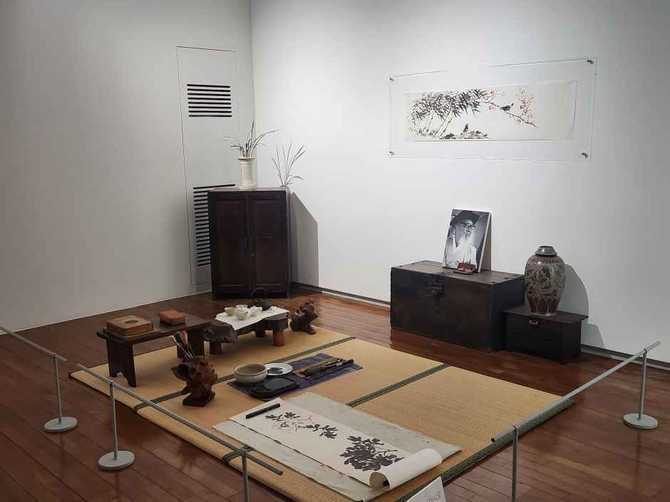
Visitors should confirm opening hours and exhibition schedules prior to their visit. Wearing comfortable shoes and appropriate outdoor attire is recommended, especially to enjoy the scenic views through the glass walls. Flash photography is prohibited inside the exhibitions.
Q5: What types of cultural programs and events are available at Gwangju Eojae Museum?

The museum offers art workshops, lectures, seasonal exhibitions, music performances, and family-oriented activities. Many programs require prior reservation, so it’s advisable to check the schedule and book in advance through the official channels.

Q6: What should I prepare or wear when visiting Gwangju Eojae Museum?
It is recommended to wear comfortable clothing and shoes suitable for outdoor and indoor environments. Bringing a camera for scenic photography is encouraged, and if participating in special programs, confirm reservation requirements beforehand.
Closing Remarks on Gwangju Eojae Museum: A Must-Visit Cultural Destination
Visiting Gwangju Eojae Museum offers an enriching experience that beautifully combines Korea’s traditional art with contemporary architectural innovation. This cultural hub is not only a place to admire masterworks of Korean ink painting but also a space where natural beauty and modern design coexist harmoniously. Its location near Mudeungsan Mountain provides a scenic backdrop that enhances every visit, making it a perfect destination for art lovers, nature enthusiasts, and those seeking a peaceful retreat. The museum’s commitment to showcasing the legacy of Heo Baek-ryun and promoting regional cultural heritage ensures that each visit deepens understanding of Korea’s artistic evolution. Planning your trip in advance by checking operating hours, upcoming exhibitions, and special events will help you maximize your experience. Whether you are exploring Korea’s rich artistic traditions or simply enjoying a scenic walk through nature, Gwangju Eojae Museum stands out as a cultural treasure that leaves a lasting impression. It is truly a space where art, nature, and architecture come together to create memorable and meaningful moments for all visitors. Make sure to include this extraordinary destination in your itinerary for a comprehensive cultural journey in Korea.