

Discover Donga Cultural Center: Top Cultural Venue in Busan’s Dongnae District
Looking for a unique cultural experience in Busan that combines art, history, and nature? The Donga Cultural Center offers visitors an immersive environment where high-quality performances, exhibitions, and natural surroundings come together. Whether you’re a local resident, a family seeking educational outings, or a traveler exploring Busan’s rich cultural landscape, this venue provides a perfect blend of entertainment and relaxation. From its scenic outdoor spaces to its versatile indoor theaters, the Donga Cultural Center is a must-visit destination for anyone interested in Korea’s vibrant arts scene.
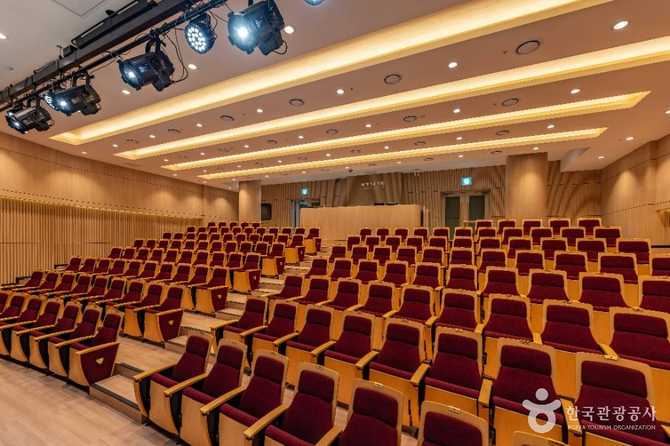
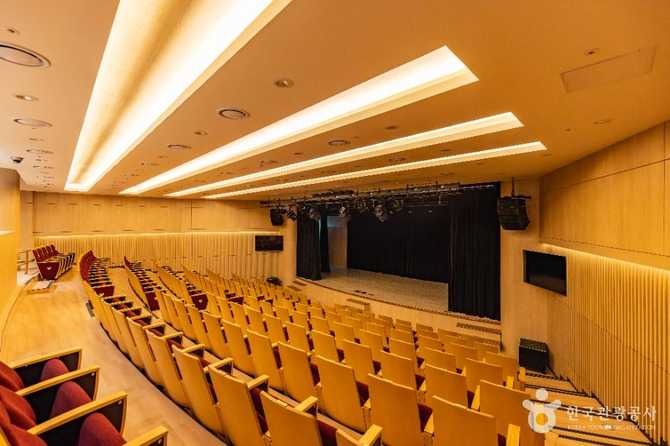
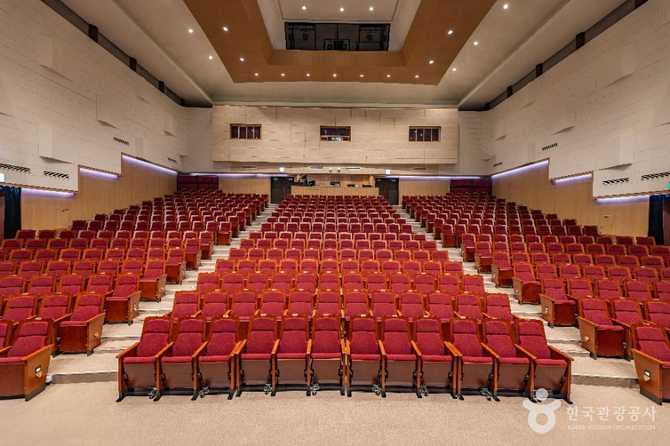
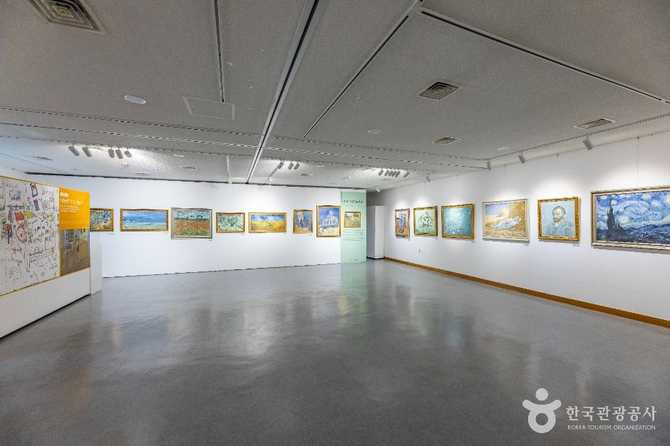
Located in the heart of Dongnae District, the Donga Cultural Center has been a cornerstone of Busan’s cultural life since opening in October 1999. Its facilities include a large theater with 505 seats, a smaller theater with 196 seats, an outdoor performance area with 1,130 seats, and dedicated exhibition halls. Surrounded by historical sites such as Dongnae Historic Park, Dongnae Fortress, and Bokcheon Museum, the venue offers more than just performances—it’s an experience that connects visitors with Korea’s natural beauty and historical heritage. Visitors can enjoy walking barefoot along specially designed nature trails, explore art exhibitions, or attend concerts and cultural events in a setting that emphasizes harmony with nature.
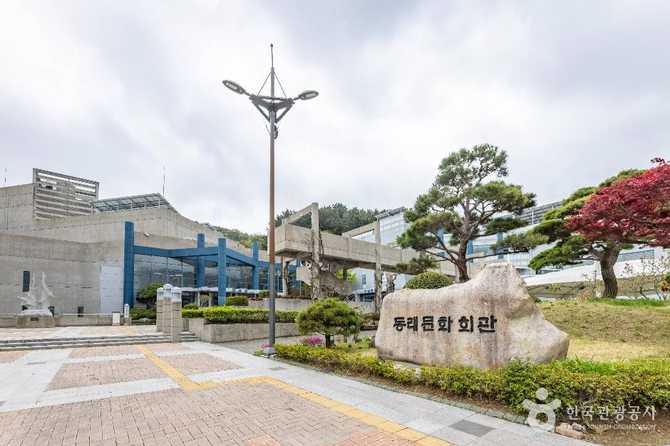
Planning your visit to the Donga Cultural Center? It’s advisable to check the schedule for upcoming performances and exhibitions in advance, as hours may vary depending on the event. The center provides parking facilities, but during busy times, public transportation is recommended to avoid congestion. Whether you’re interested in attending a concert, exploring local art, or simply enjoying a peaceful walk in nature, this cultural hub offers something for everyone. Keep reading to learn more about the facilities, nearby attractions, visitor tips, and how to make the most of your experience at the Donga Cultural Center.
At a glance
- Who this is for
-
- Residents and visitors interested in Korea’s cultural arts and performances
- Families seeking educational and cultural outings in Busan
- Travelers exploring natural and historical attractions in Dongnae District
- Key takeaways
-
- Established in 1999, located in scenic Dongnae District, Busan
- Facilities include a large theater, small theater, outdoor stage, and exhibition halls
- Surrounded by historical sites like Dongnae Fortress and Bokcheon Museum
- Offers outdoor walking trails and cultural programs blending nature and art
- Open for performances, exhibitions, and outdoor events; hours vary per event
- Tips & cautions
-
- Check performance schedules and ticket prices in advance
- Reservations recommended for popular shows and exhibitions
- Parking available but can be crowded; public transit advised
- Wear comfortable shoes for walking trails and outdoor activities
- Bottom line
- Experience Korea’s rich cultural heritage and natural beauty at the Donga Cultural Center in Busan’s Dongnae District.
Donga Cultural Center Overview & Location
The Donga Cultural Center is a premier cultural venue located in the scenic district of Dongnae in Busan, South Korea. Since opening its doors in October 1999, it has become a vital hub for arts, performances, and community events, offering a unique blend of natural beauty and cultural richness. This venue is especially renowned for its integration with the surrounding environment, providing visitors with an immersive experience that combines Korea’s vibrant arts scene with the tranquility of nature.
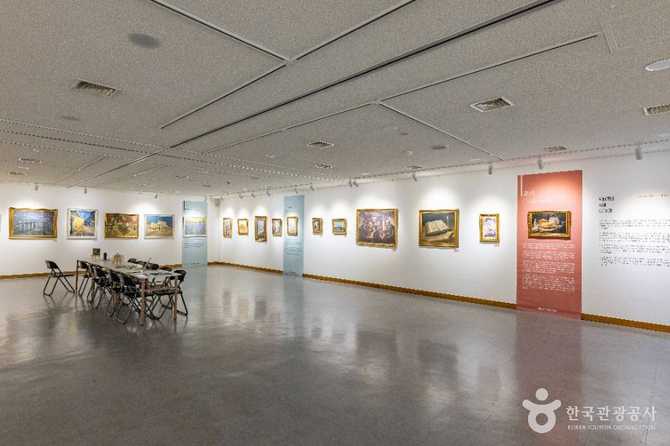
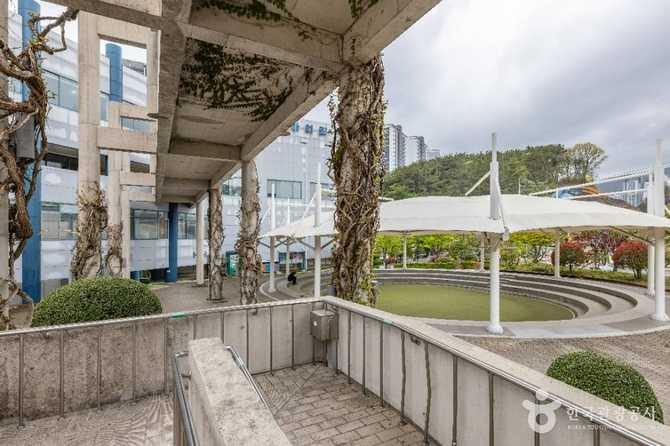
Strategically situated in Dongnae District, the Donga Cultural Center is accessible via public transportation and is close to several historical and natural attractions. It is nestled amidst lush greenery, with outdoor walking trails and open spaces that emphasize harmony with nature. The center’s facilities include a large theater with 505 seats, a smaller theater with 196 seats, an outdoor performance stage accommodating 1,130 spectators, and dedicated exhibition halls. These spaces host a variety of performances, exhibitions, and cultural events throughout the year, making it a versatile destination for locals and tourists alike.
Surrounding the center are notable attractions such as Dongnae Historic Park, Dongnae Fortress, and the Bokcheon Museum, which provide visitors with a comprehensive cultural experience that extends beyond the performances. The venue’s design emphasizes eco-friendliness and natural integration, with features like barefoot walking trails and naturalistic landscaping that encourage visitors to connect with the environment while enjoying Korea’s artistic offerings.
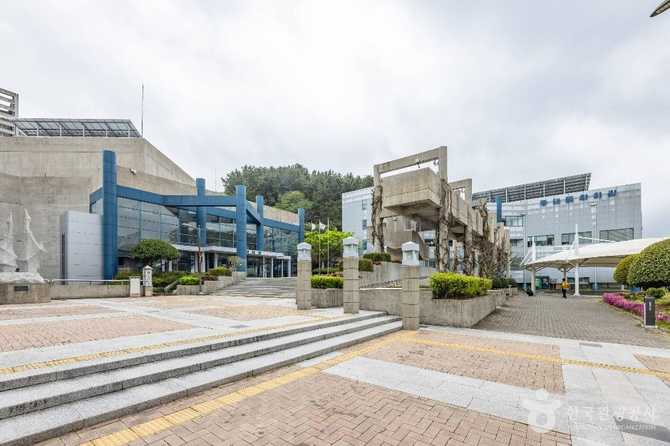
Whether you are interested in attending a concert, exploring art exhibitions, or simply enjoying a peaceful walk in nature, the Donga Cultural Center offers a perfect setting. Its location and facilities make it an ideal destination for cultural exploration, family outings, and outdoor activities, all within the beautiful backdrop of Korea’s natural landscape. Planning your visit ahead of time by checking the schedule and available amenities will ensure a memorable experience at this distinguished cultural venue.
Facilities & Nearby Attractions Comparison
| Facility | Details | Remarks |
|---|---|---|
| Main Theater | 505 seats, hosting large-scale performances and concerts | Ideal for major cultural events |
| Small Theater | 196 seats, suitable for smaller performances and exhibitions | Perfect for intimate shows and art displays |
| Outdoor Performance Stage | 1,130 seats, open-air stage for concerts and festivals | Great for seasonal outdoor events |
| Exhibition Halls | Dedicated spaces for art and cultural exhibitions | Hosts local and regional art displays |
| Nearby Attractions | Dongnae Fortress, Dongnae Historic Park, Bokcheon Museum | Rich historical and cultural sites within walking distance |
Visitor Checklist & Tips for Visiting Donga Cultural Center
- Check the schedule: Review upcoming performance and exhibition dates on the official website before your visit.
- Reserve tickets in advance: For popular shows, booking early is recommended to secure your seat.
- Plan transportation: Use public transit to avoid parking congestion, especially during busy seasons.
- Arrive early: Arriving at least 30 minutes before the event ensures ample time for parking and seating.
- Dress comfortably: Wear suitable shoes for walking along outdoor trails and exploring the surrounding area.
Ticketing & Reservation Tips for Donga Cultural Center
To ensure a smooth experience when attending performances or visiting exhibitions at the Donga Cultural Center, it is recommended to plan your ticket reservations in advance. Tickets for various events can be purchased through the official website or by contacting the center directly. Below is a step-by-step guide to help you secure your spot:

- Check the event schedule: Visit the official website or contact the center to confirm dates, times, and ticket prices for your preferred performance or exhibition.
- Reserve tickets online or in person: Use the online reservation system on the official website for convenience, or visit the center’s ticket office to purchase in person.
- Make payment: Complete the payment process via credit card, bank transfer, or other available methods during reservation.
- Receive confirmation: Confirm your reservation via email or SMS, and keep the ticket receipt for entry.
- Arrive early on the event day: It is advisable to arrive at least 30 minutes prior to the start time to account for parking, ticket collection, and seating arrangements.
Note that some performances or exhibitions may require advance booking due to high demand. Always verify the latest information on the official channels to avoid any inconvenience.
Natural & Cultural Experience Recommendations at Donga Cultural Center
- Attend outdoor performances: Enjoy seasonal concerts or festivals held at the outdoor stage, perfect for experiencing Korea’s vibrant cultural scene in a natural setting.
- Explore barefoot walking trails: Take a leisurely stroll along the specially designed barefoot walking paths, which promote relaxation and connection with nature.
- Visit art exhibitions: Spend time in the exhibition halls showcasing local and regional artworks, gaining insights into Korea’s contemporary and traditional arts.
- Discover local history: Explore nearby historical sites such as Dongnae Fortress, Dongnae Historic Park, and the Bokcheon Museum to deepen your cultural understanding.
- Participate in cultural programs: Join workshops or guided tours offered by the center to immerse yourself in Korea’s artistic traditions and natural environment.
- Enjoy scenic walks: After attending a performance or exhibition, take a peaceful walk around the surrounding natural landscape to unwind and appreciate Korea’s scenic beauty.
Whether you visit during the day or evening, Discover Donga Cultural Center is a meaningful stop on any Seoul itinerary for history-minded travelers.
Frequently Asked Questions (FAQ)
Q1: When was Donga Cultural Center in Busan established?
The Donga Cultural Center opened in October 1999 and has since been a prominent venue for cultural performances and exhibitions in Busan’s Dongnae District.
Q2: What facilities are available at Donga Cultural Center?
The center features a large theater with 505 seats, a smaller theater with 196 seats, an outdoor performance stage with 1,130 seats, and dedicated exhibition halls for art and cultural displays.
Q3: What are the main attractions near Donga Cultural Center?
Nearby attractions include Dongnae Fortress, Dongnae Historic Park, Bokcheon Museum, and the scenic Jangnyeongsan Mountain, offering visitors historical and natural experiences.

Q4: How can I purchase tickets for performances at Donga Cultural Center?
Tickets can be purchased online through the official website or in person at the center’s ticket office. It is recommended to reserve in advance for popular events.
Q5: What are the visiting hours of Donga Cultural Center?
Hours vary depending on the performance or exhibition schedule, but generally, the center is open for events during the day and evening. The center is closed on Mondays.
Q6: Is parking available at Donga Cultural Center?
Yes, there is parking available on-site; however, it can become crowded during peak times. Public transportation is recommended to avoid parking congestion.
Experience the Beauty of Korea’s Natural and Cultural Heritage at Donga Cultural Center
Visiting the Donga Cultural Center offers a truly enriching experience that combines Korea’s vibrant arts scene with the serenity of nature. Located in the scenic Dongnae District of Busan, this cultural venue is a perfect destination for those seeking a harmonious blend of entertainment, education, and outdoor enjoyment. Whether you are attending a performance, exploring art exhibitions, or strolling along the natural trails, the center provides a unique opportunity to connect with Korea’s rich cultural and natural heritage.
Planning your visit in advance by checking the schedule and reserving tickets ensures a smooth and enjoyable experience. Remember to arrive early to take full advantage of the outdoor spaces, including barefoot walking trails and scenic performance stages. The surrounding attractions, such as Dongnae Fortress and Bokcheon Museum, further enhance your cultural journey. Whether you’re a local resident, a family on an educational outing, or a traveler exploring Korea’s diverse landscapes, the Donga Cultural Center is a must-visit destination that promises memorable moments in Korea’s natural and artistic environment.
Immerse yourself in Korea’s cultural richness and natural beauty by experiencing the Donga Cultural Center. Its thoughtfully designed facilities and picturesque surroundings make it an ideal place to relax, learn, and enjoy Korea’s artistic expressions in harmony with nature. Make sure to plan your visit ahead of time, and don’t miss the chance to create unforgettable memories at this exceptional cultural venue in Busan. Your journey into Korea’s vibrant arts and natural landscapes starts here, and the Donga Cultural Center awaits to welcome you with open arms.