
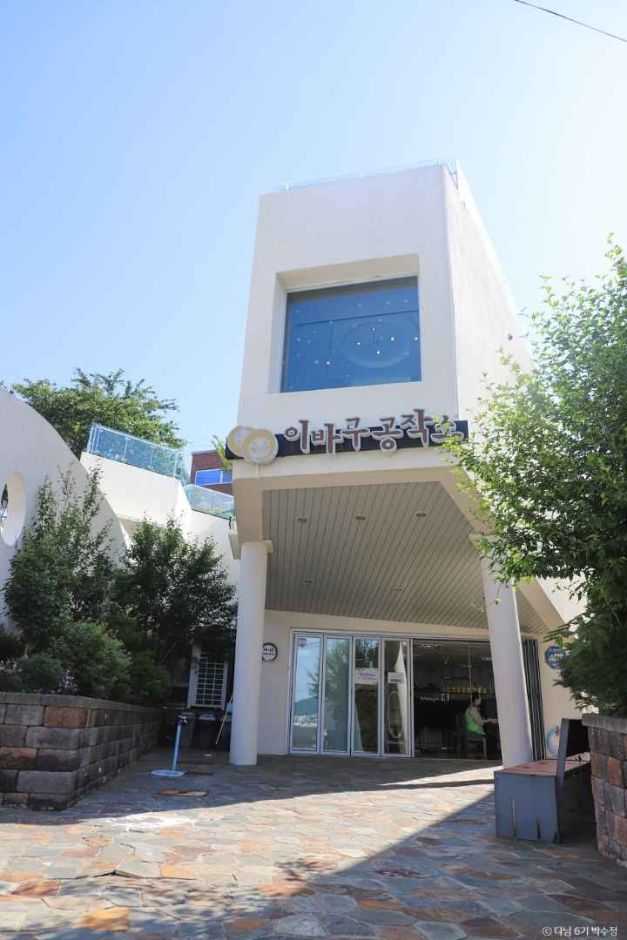
출처 : leekiHWi.
Discover Busan’s Sanchon Road History at Ibagu Gongjakso
Location 부산광역시 동구 망양로486번길 14-13 (초량동)
Location 부산광역시 동구 망양로486번길 14-13 (초량동)
Looking to explore the rich history and vibrant culture of Busan’s iconic Sanchon Road? Ibagu Gongjakso offers an immersive experience through engaging exhibitions and cultural activities that bring the area’s past and present to life. Whether you’re a history enthusiast, a cultural lover, or traveling with family and friends, this cultural space provides a meaningful glimpse into Busan’s unique urban story.
Located in the Dong-gu district, Ibagu Gongjakso serves as a vital hub for understanding the historical significance of Sanchon Road, a neighborhood that blossomed after the Korean War with refugee settlements and makeshift housing. Visitors can enjoy nostalgic retro clothing experiences, scenic views of the neighborhood, and insightful displays of local residents’ stories and photographs. Best of all, the venue is free to access, making it an excellent stop for travelers seeking authentic cultural insights without extra expense.
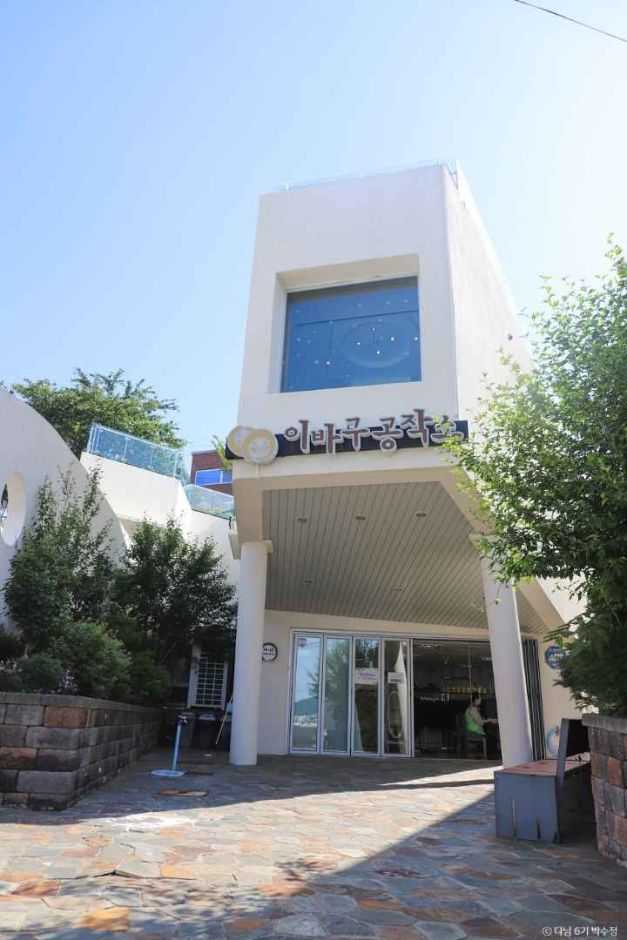
If you plan to visit, be sure to check the operating hours and holiday schedule beforehand. Keep in mind that parking is unavailable on-site, so public transportation is highly recommended. This guide will walk you through the essential details about Ibagu Gongjakso, including its location, exhibits, visitor tips, and the historical context behind this meaningful cultural space in Busan.
At a glance
- Who this is for
-
- Travelers interested in Busan’s history and culture
- History buffs wanting to learn about Sanchon Road
- Families and groups seeking educational experiences
- Cultural enthusiasts and local history lovers
- Key takeaways
-
- Free admission; open from 10 AM to 7 PM
- Located in Dong-gu, Busan, showcasing local history
- 1st floor features retro clothing experiences and photos
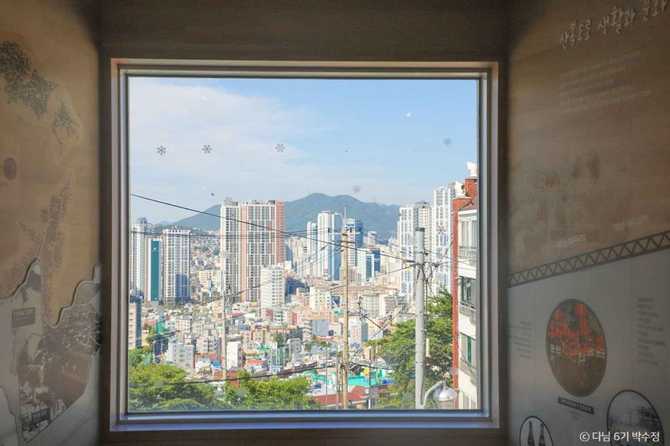
- 2nd floor offers scenic views of Sanchon Road
- Closed on Mondays; no parking available
- Tips & cautions
-
- Visit during operating hours; avoid Mondays
- Group visits require prior inquiry or reservation
- Use public transportation; parking is unavailable
- Check holiday closures before planning your visit
- Bottom line
- Experience the historical and cultural essence of Busan’s Sanchon Road at Ibagu Gongjakso, a must-visit cultural space in Dong-gu.
Busan’s Sanchon Road is a historically significant neighborhood that developed after the Korean War, transforming from a humble refugee settlement into a vibrant community. Ibagu Gongjakso stands as a dedicated cultural space that preserves and showcases this unique history. Visitors can explore exhibits that vividly depict the lives of residents, their stories, and the neighborhood’s evolution over decades.
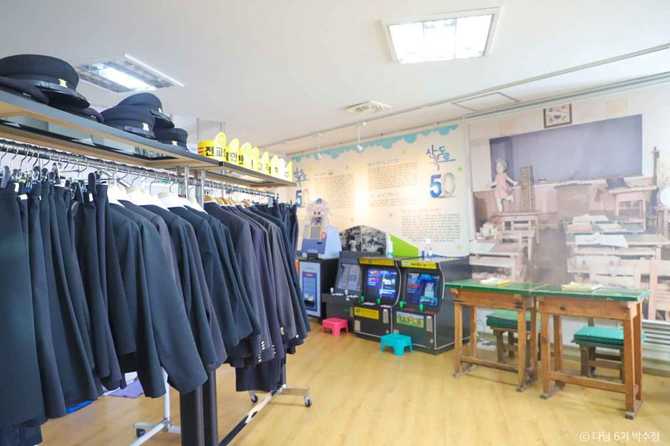
At Ibagu Gongjakso, you can immerse yourself in the local history through interactive displays, vintage photo exhibitions, and scenic views of the neighborhood landscape. The venue is designed to be accessible and educational, making it an ideal destination for tourists, students, and locals alike. Its location within the Sanchon Road area makes it a convenient and meaningful addition to your Busan sightseeing itinerary.
Before visiting, ensure you verify the opening hours and holiday schedule, as the site closes every Monday and may have special closures during holidays. Since parking is not available on-site, plan to arrive via bus or on foot. This guide provides all the essential information you need to make the most of your visit to Ibagu Gongjakso and gain a deeper understanding of Busan’s urban history and cultural heritage.
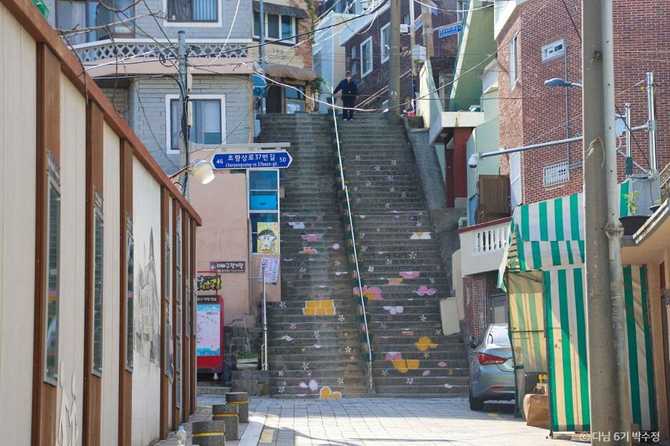
Ibagu Gongjakso Overview & Location
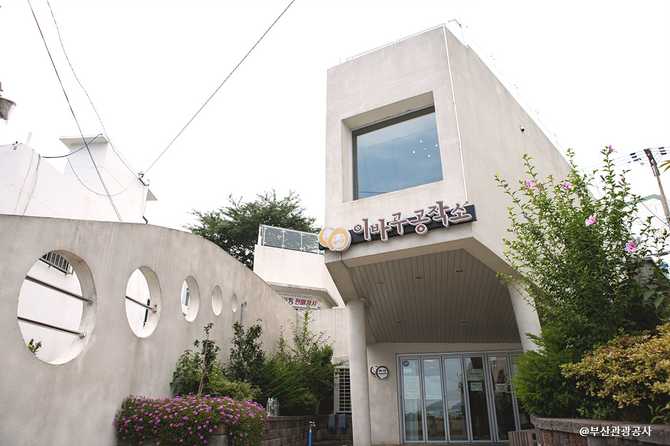
Nestled in the heart of Busan’s Dong-gu district, Ibagu Gongjakso is a dedicated cultural space that offers visitors an immersive experience into the history and culture of Sanchon Road, one of Busan’s most historically significant neighborhoods. This venue serves as a vital hub for understanding the complex story of how this area developed from humble refugee settlements into a vibrant community. The focus of Ibagu Gongjakso is to preserve and showcase the local history through engaging exhibitions, photographs, and interactive displays that tell the stories of past residents and their lives.
The location of Ibagu Gongjakso is easily accessible by public transportation, situated within walking distance from major bus stops and subway stations in Dong-gu. Its proximity to other cultural and historical sites makes it an ideal starting point for travelers eager to explore Busan’s urban history. The building itself is designed to be welcoming and educational, with a layout that guides visitors through different eras of Sanchon Road’s development.
This cultural space highlights the resilience and spirit of the local community, with exhibits that vividly depict the neighborhood’s evolution after the Korean War. Visitors can learn about the formation of makeshift housing, the migration of refugees, and the subsequent modernization of the area. The first floor features a nostalgic retro clothing experience, allowing visitors to dress in vintage styles reminiscent of the past, while the second floor offers scenic views of Sanchon Road, giving a real sense of place.
Admission to Ibagu Gongjakso is free, making it an accessible and meaningful experience for all. Its opening hours are from 10 AM to 7 PM daily, except for Mondays when it is closed for maintenance. Since there is no parking available on-site, visitors are strongly encouraged to use public transportation or walk to the venue. Whether you are a history enthusiast, a cultural lover, or simply curious about Busan’s urban development, Ibagu Gongjakso provides a compelling window into the city’s rich past and ongoing story.
Comparison of Exhibits and Programs at Ibagu Gongjakso
| Exhibit/Program | Details | Remarks |
|---|---|---|
| First Floor: Retro Clothing Experience | Visitors can try on vintage-style clothing and take photos, recreating the fashion of past decades. | Interactive and fun activity for all ages, perfect for capturing nostalgic moments. |
| Second Floor: Scenic View of Sanchon Road | Offers panoramic views of the neighborhood, allowing visitors to appreciate the landscape and urban development. | Ideal for photography and reflection on the neighborhood’s transformation. |
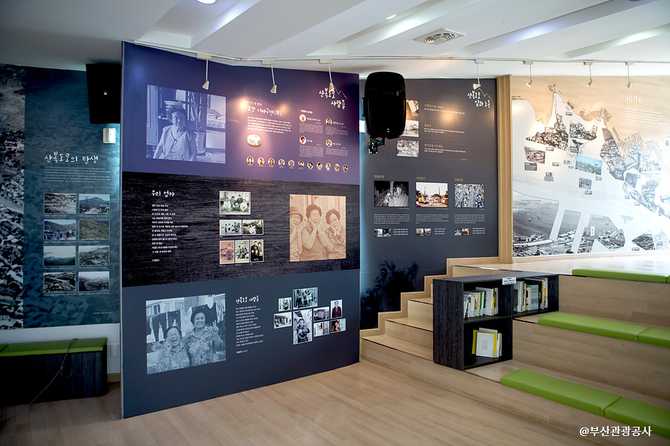
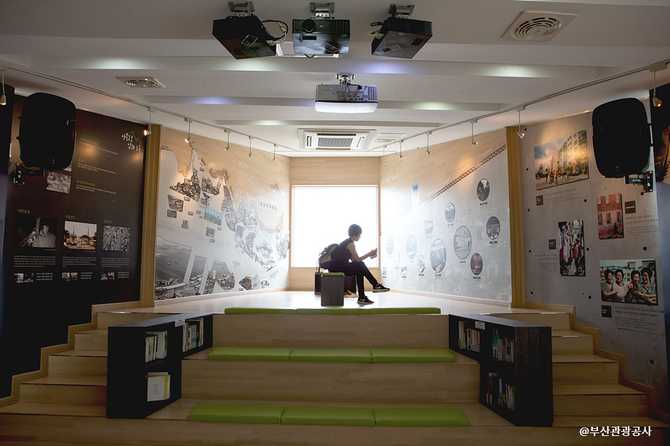
| Wall Exhibits: Photos and Resident Stories | Displays photographs and narratives of Sanchon Road residents, illustrating daily life and community history. | Provides authentic insights into the neighborhood’s social fabric. |
| Additional Programs | Special exhibitions, cultural workshops, and storytelling sessions are occasionally held to deepen visitors’ understanding. | Check the official schedule before your visit for updates on events. |
Visitor Tips & Checklist for Visiting Ibagu Gongjakso
- Check Operating Hours: The venue is open daily from 10 AM to 7 PM, except on Mondays when it is closed. Verify holiday schedules before your visit.
- Plan Your Transportation: Since parking is unavailable, use buses, subway, or walk from nearby areas. Public transit is highly recommended.
- Group Visits: For larger groups or school trips, contact the venue in advance to arrange guided tours or reservations.
- Bring a Camera: The scenic views and nostalgic exhibits provide excellent photo opportunities, especially on the second floor.
- Prepare for No Parking: Avoid bringing large vehicles; plan to arrive via public transportation.
Remember to arrive early to enjoy the exhibits without rush, and consider visiting during weekdays for a quieter experience. Planning ahead ensures you make the most of your visit to Ibagu Gongjakso and gain a deeper appreciation of Busan’s historical neighborhood.
Historical Significance of Sanchon Road in Busan
Sanchon Road in Busan is a historically significant neighborhood that reflects the city’s rapid urban development and resilience after the Korean War. Originally, this area was a humble settlement formed by refugees who migrated from other parts of Korea, establishing makeshift housing on the hillside. Over time, Sanchon Road evolved from informal settlements into a vibrant community, embodying the spirit of survival and adaptation of its residents.
The development of Sanchon Road is closely linked to Korea’s modern history, especially the post-war period when the country faced economic hardship and social upheaval. Refugee families built their homes on the mountainside, creating a unique landscape of narrow alleyways, small houses, and community bonds. Despite hardships, the neighborhood grew into a lively area that preserved its cultural identity through stories, photographs, and daily life.
Today, Sanchon Road stands as a testament to the resilience of its community, with many original residents’ stories preserved at places like Ibagu Gongjakso. The neighborhood’s landscape has transformed with urban modernization, but its historical roots remain evident in the architecture, community spirit, and local narratives. Understanding this history provides visitors with a deeper appreciation of Busan’s urban fabric and the stories of those who shaped it.
| Aspect | Details |
|---|---|
| Origins | Formed by refugees settling on the hillside after the Korean War. |
| Development | Transitioned from informal settlements to a vibrant community with unique architecture. |
| Cultural Significance | Preserves stories of resilience, migration, and community life, reflected in local narratives and exhibits. |
| Modern Changes | Urban modernization has altered the landscape, but the neighborhood’s history remains central to its identity. |
- Is there an admission fee for Ibagu Gongjakso? No, the venue is free to enter and explore.
- What are the opening hours? It operates daily from 10 AM to 7 PM, closed every Monday.
- Do I need to make a reservation for groups? Yes, for large groups or school visits, it’s recommended to contact the venue in advance for reservations.
- Is parking available on-site? No, parking is not available. Visitors should use public transportation or walk.
- How can I get there? The location is accessible via bus and subway in Dong-gu district, within walking distance from major transit stops.
- Are there special programs or exhibitions? Yes, occasional cultural workshops, storytelling sessions, and special exhibitions are held; check the schedule before your visit.
- What should I bring or prepare for my visit? Bring a camera for photos, and plan your trip around the operating hours and holiday schedule for a smooth experience.
- Can I visit during holidays? The venue is closed on Mondays and may have holiday closures, so verify the schedule beforehand.
Whether you visit during the day or evening, Discover Busan’s Sanchon Road History is a meaningful stop on any Seoul itinerary for history-minded travelers.
Frequently Asked Questions (FAQ)
Q1: What is Ibagu Gongjakso in Busan?
Ibagu Gongjakso is a cultural space in Busan’s Dong-gu district dedicated to showcasing the history and culture of Sanchon Road. It features exhibitions, interactive experiences, and scenic views of the neighborhood, providing visitors with insights into the area’s past and present.
Q2: What are the operating hours of Ibagu Gongjakso?
The venue is open daily from 10 AM to 7 PM, except on Mondays when it is closed for maintenance. Holiday closures may also occur, so it is recommended to check schedules before visiting.
Q3: Is there an entrance fee to visit Ibagu Gongjakso?
No, admission to Ibagu Gongjakso is free. Visitors can enjoy all exhibits and experiences without any cost.
Q4: Is parking available at Ibagu Gongjakso?
No, there is no on-site parking at Ibagu Gongjakso. Visitors are encouraged to use public transportation such as buses or subway, or to walk from nearby areas.
Q5: Do I need to make a reservation for group visits?
Yes, for large groups or school trips, it is advisable to contact the venue in advance to arrange guided tours or reservations to ensure smooth access.
Q6: Why is Sanchon Road historically significant?
Sanchon Road developed after the Korean War as a settlement for refugees, evolving from informal hillside housing into a vibrant community. It reflects Korea’s post-war resilience and urban development, with a rich history of migration, adaptation, and community bonds.
Experience the Rich Heritage of Busan’s Sanchon Road at Ibagu Gongjakso
Visiting Ibagu Gongjakso offers an invaluable opportunity to delve into the fascinating history and vibrant culture of Busan’s iconic Sanchon Road. As a dedicated cultural space, it provides a comprehensive glimpse into the neighborhood’s past, from its humble beginnings as a refugee settlement to its modern-day community. Through engaging exhibits, interactive programs, and scenic views, visitors can appreciate the resilience and spirit of the local residents who shaped this unique area. Whether you are a history enthusiast, a family exploring local heritage, or a cultural lover seeking authentic experiences, Ibagu Gongjakso is an essential stop on your Busan journey.
This site’s accessible layout, free admission, and meaningful displays make it an ideal destination for anyone eager to understand the city’s urban evolution. Remember to check the opening hours and holiday closures before your visit, as the venue is closed on Mondays and during public holidays. To make the most of your experience, plan to arrive by public transportation, as parking is not available on-site. Embark on a journey through time and discover the stories that make Busan’s Sanchon Road a truly remarkable part of Korea’s modern history.