

출처 : ⓒ한국관광콘텐츠랩 또는 ⓒ한국관광공사
Discover Busan’s Danggam Market: Traditional Market Guide for Visitors
Location 부산광역시 부산진구 백양대로60번길 39-9 (당감동)
Location 부산광역시 부산진구 백양대로60번길 39-9 (당감동)
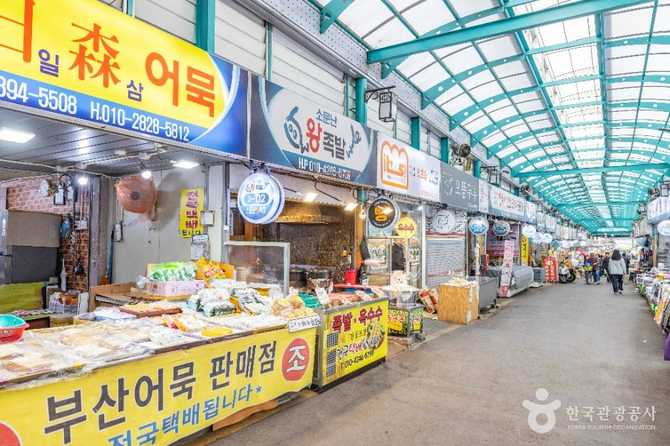
Planning a trip to Busan and want to experience authentic Korean culture? Danggam Market is a vibrant traditional marketplace offering fresh local produce, delicious street foods, and a lively atmosphere that captures the essence of Busan’s heritage. Whether you’re a first-time visitor or a seasoned traveler, exploring this bustling market provides a unique glimpse into Korea’s rich local traditions and regional flavors.
In this guide, you’ll find comprehensive information about Danggam Market, including its history, key products, visiting tips, and how to make the most of your experience. From fresh seafood and farm produce to traditional clothing and regional specialties, Danggam Market is a must-visit destination for those seeking an authentic Korean market experience. Learn about the best times to visit, transportation options, and what to expect during your visit to ensure a smooth and enjoyable trip.
At a glance
- Who this is for
-
- Travelers exploring Busan’s local culture
- Food lovers seeking authentic Korean street foods
- Shoppers interested in traditional Korean goods
- Visitors wanting to experience Korea’s traditional markets
- Anyone looking for affordable local produce and souvenirs
- Key takeaways
-
- Established in the 1970s, located in Busan Jin-gu
- Offers fresh agricultural, seafood, and livestock products
- Approximately 200 shops maintaining traditional market atmosphere
- Affordable prices with regional specialties and street foods
- Best visited via public transportation due to limited parking
- Tips & cautions
-
- Check individual shop hours and holidays before visiting
- Use public transport to avoid parking difficulties
- Try local specialties like cold noodles, fried chicken, and seafood
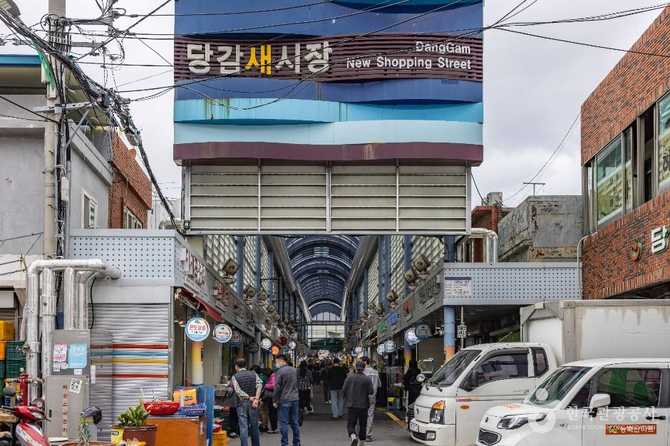
- Visit nearby markets such as Danggam Sae Market and Danggam Alley Market
- Be prepared for lively market atmosphere and bargaining opportunities
- Bottom line
- Experience the authentic flavors and vibrant culture of Busan at Danggam Market, a must-visit traditional marketplace for an immersive Korean shopping adventure.
Busan’s Danggam Market is a historic and lively traditional marketplace that has served the local community since the 1970s. Located in Busan Jin-gu, this bustling market offers a wide variety of products, from fresh farm produce and seafood to traditional Korean clothing and souvenirs. Its approximately 200 shops maintain a lively and authentic atmosphere, making it a favorite destination for both locals and tourists eager to experience Korea’s traditional market culture.
Visiting Danggam Market provides an excellent opportunity to taste regional specialties, shop for affordable goods, and immerse yourself in the vibrant local scene. Despite competition from nearby large supermarkets, the market continues to thrive thanks to its unique charm, fresh offerings, and cultural significance. Whether you’re interested in sampling delicious street foods like cold noodles and fried chicken or browsing traditional crafts, Danggam Market offers a memorable experience that highlights Korea’s rich heritage.
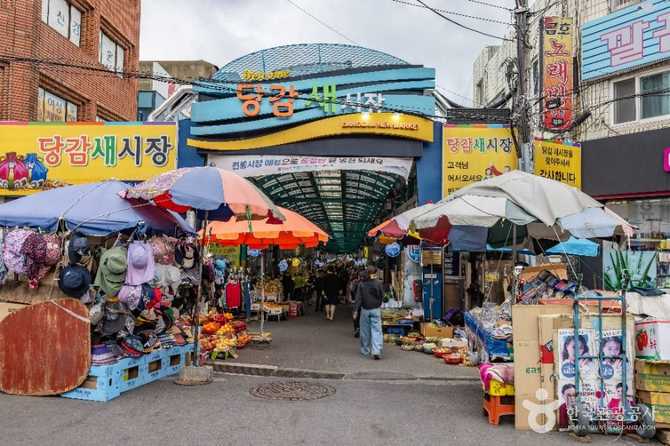
Plan your visit by checking the market’s operating hours and holiday schedule, and consider using public transportation for convenience. Exploring nearby markets such as Danggam Sae Market and Danggam Alley Market can further enrich your cultural experience. This guide will help you navigate and enjoy your trip to Danggam Market, ensuring you make the most of your time in Busan’s vibrant traditional marketplace scene.
Danggam Market Overview and Location
Danggam Market is a traditional and historic marketplace located in Busan’s Jin-gu district. As one of the most well-known traditional markets in the city, it has been serving local residents and visitors since the 1970s. The market is renowned for its vibrant atmosphere, offering a wide variety of fresh produce, seafood, livestock, traditional Korean goods, and regional specialties. The focus keyword, Danggam Market, highlights its importance as a cultural and shopping hub in Busan.

Positioned in the heart of Busan Jin-gu, Danggam Market is easily accessible via public transportation, making it a convenient destination for travelers exploring the city. The market’s strategic location near bus stops and subway stations ensures that visitors can reach it without hassle. The surrounding area is bustling with activity, with nearby markets, local eateries, and shops that complement the traditional market experience.
The market was established in the 1970s and has since retained its authentic charm despite the competition from modern supermarkets and large retail chains. Its approximately 200 shops maintain a lively, traditional atmosphere, where vendors sell fresh, affordable goods daily. The market’s core appeal lies in its ability to combine historical charm with regional flavor, making it a must-visit spot for those interested in Korean culture and local life.
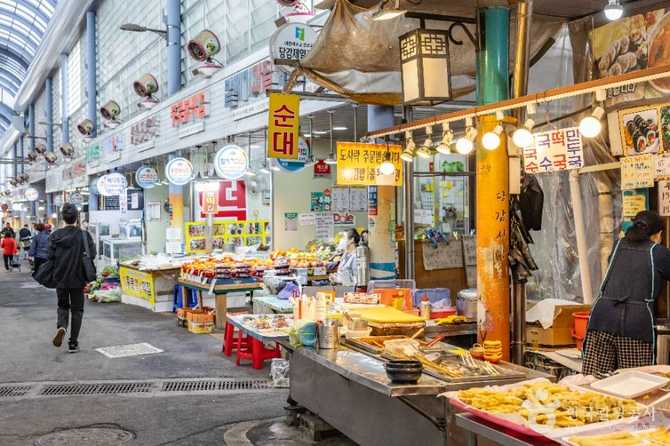
Visitors can enjoy browsing through various stalls, sampling regional delicacies, and purchasing unique souvenirs. The market also plays a vital role in supporting local farmers and artisans, contributing to the regional economy and cultural preservation. Whether you’re interested in tasting traditional foods like cold noodles and fried chicken or shopping for traditional Korean clothing and crafts, Danggam Market offers an authentic Korean market experience that captures the essence of Busan’s vibrant community life.
Main Products and Market Features: Danggam Market Comparison
| Feature | Details |
|---|---|
| Main Product Categories | Agricultural products, seafood, livestock, traditional Korean goods, clothing, regional specialties |
| Number of Shops | Approximately 200 stores |
| Market Atmosphere | Vibrant, lively, traditional, and bustling |
| Price Range | Affordable, with many vendors offering competitive prices |
| Specialty Foods | Cold noodles, fried chicken, seafood dishes, regional snacks |
| Accessibility | Easily accessible via bus and subway; limited parking |
| Operating Hours | Varies by shop; generally morning to evening; check before visiting |
Visiting Tips and Practical Checklist for Danggam Market
- Check operating hours and holidays: Since each shop has different hours, verify in advance to avoid missing out on your favorite vendors.
- Use public transportation: The market is best accessed via bus or subway, as parking is limited and crowded, especially during weekends.
- Sample local foods: Don’t miss tasting regional specialties like cold noodles, fried chicken, and fresh seafood at various stalls.
- Visit nearby markets: Explore Danggam Sae Market and Danggam Alley Market for more diverse shopping and culinary experiences.
- Engage with vendors: Bargaining and friendly conversations can enhance your shopping experience and help you find better deals.
Precautions and Market Etiquette at Danggam Market
- Verify shop hours and holidays: Since individual vendors operate on different schedules, always check in advance to ensure the shops you want to visit are open during your planned visit.
- Respect local customs: When bargaining or interacting with vendors, maintain politeness and friendliness. Traditional markets thrive on mutual respect and friendly exchanges.
- Handle products carefully: When selecting fresh produce or seafood, handle items gently and follow vendors’ instructions to ensure quality and hygiene.
- Avoid bringing large luggage or backpacks: The narrow aisles can be crowded, and bulky items may hinder movement or cause inconvenience to others.
- Keep your belongings secure: Crowded environments can attract pickpockets. Use a secure bag and stay aware of your surroundings.
- Be environmentally conscious: Use reusable bags when shopping and dispose of waste properly to help preserve the market’s cleanliness and traditional atmosphere.
- Engage politely with vendors: Friendly bargaining and conversations can lead to better deals and a more authentic experience. However, always respect vendors’ pricing and policies.
Cultural Significance and Community Role of Danggam Market
- Preserving traditional Korean market culture: Danggam Market has maintained its authentic atmosphere since its establishment in the 1970s, offering a glimpse into Korea’s rich local heritage and traditional commerce.
- Fostering community bonds: The market serves as a vital social hub where local residents gather, share news, and support local vendors, strengthening neighborhood ties.
- Supporting regional economy: By purchasing from local farmers, fishermen, and artisans, visitors help sustain regional livelihoods and promote cultural preservation.
- Showcasing regional flavors and crafts: The market is a showcase of Busan’s unique culinary and artisanal traditions, including regional specialties like cold noodles, seafood dishes, and traditional clothing.
- Promoting cultural exchange: For tourists, Danggam Market offers an immersive experience into Korean daily life, traditional food, and local customs, fostering cross-cultural understanding.
- Encouraging sustainable tourism: Visiting and supporting markets like Danggam helps promote responsible tourism that values local culture and environmental sustainability.
Whether you visit during the day or evening, Discover Busan’s Danggam Market is a meaningful stop on any Seoul itinerary for history-minded travelers.
Frequently Asked Questions (FAQ)
Q1 What are the main products sold at Danggam Market?
At Danggam Market, you can find a variety of traditional Korean goods, including fresh agricultural produce, seafood, livestock, traditional souvenirs, and clothing such as hanbok. The market is known for its diverse offerings and regional specialties.
Q2 Is parking available at Danggam Market?
Parking options are limited around Danggam Market, so it is recommended to use public transportation. The market is easily accessible via bus and subway, making it convenient for visitors without a vehicle.

Q3 What are the operating hours of Danggam Market?
Market shops generally operate from morning to evening, but hours vary by individual vendors. It is advisable to check specific shop hours and holidays before your visit to ensure the stores you want to visit are open.
Q4 What local foods can I try at Danggam Market?
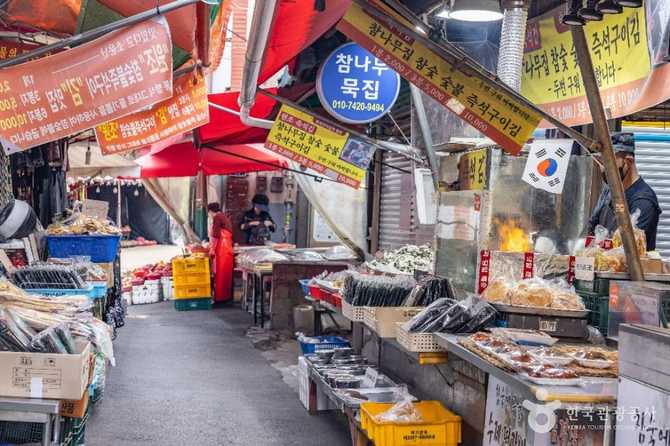
You can enjoy regional specialties such as cold noodles, fried chicken, fresh seafood, and various street foods. Many stalls offer affordable and delicious dishes that showcase Busan’s culinary culture.
Q5 Are there other markets near Danggam Market worth visiting?
Yes, nearby markets like Danggam Sae Market and Danggam Alley Market are recommended for additional shopping and food experiences. They offer a wider variety of local products and street foods.
Q6 How does Danggam Market reflect Korean culture?
Danggam Market embodies traditional Korean market culture with its lively atmosphere, regional foods, and local crafts. It provides visitors with an authentic experience of Busan’s heritage and community life.
Final Tips for Visiting Danggam Market
Exploring Busan’s Danggam Market offers a truly authentic Korean shopping experience filled with vibrant sights, enticing smells, and warm local interactions. To make the most of your visit, it’s recommended to plan ahead by checking the operating hours and holidays of individual vendors, as these can vary. Utilizing public transportation, such as buses and subways, is highly advised due to limited parking space and the busy nature of the market, especially on weekends.
Don’t miss the opportunity to taste regional specialties like cold noodles, fried chicken, and fresh seafood, which are some of the highlights of Danggam Market. Combining your visit with nearby markets like Danggam Sae Market and Danggam Alley Market can enrich your cultural and culinary experience, offering a wider variety of goods and local flavors. Remember to arrive early, around 7 or 8 AM, to enjoy the freshest produce and the best selection of regional delicacies.
While navigating the market, be respectful of local customs, handle products carefully, and engage with vendors politely. Keep your belongings secure in crowded areas to ensure a safe and enjoyable visit. Visiting Busan’s Danggam Market is more than just shopping; it’s an immersive cultural experience that allows you to connect with Korea’s rich traditions and lively community spirit. With a little preparation, your trip to this historic market will be memorable and rewarding, offering a glimpse into the authentic local life of Busan.