
Discover Andong Taesamyo: A Historic Site of Goryeo Dynasty Merit
Are you interested in exploring Korea’s rich history and cultural heritage? Visiting Andong Taesamyo offers a unique opportunity to learn about the achievements of Goryeo Dynasty officials and experience Korea’s ancient traditions firsthand. This historic shrine, dedicated to the memorial tablets of three prominent Goryeo officials, is a vital cultural asset that reveals Korea’s royal and scholarly past. Whether you’re a history enthusiast, cultural traveler, or someone seeking a meaningful sightseeing experience, Andong Taesamyo provides a fascinating glimpse into Korea’s glorious past.
Located in the scenic city of Andong, this venerable site was originally established in 983 AD to honor the meritorious officials of the Goryeo Dynasty. Over centuries, it has undergone restorations and relocations, preserving its significance as a symbol of Korea’s historical legacy. The site is not only a place for ancestral rites but also a treasure trove of cultural relics, including valuable artifacts designated as national treasures. Visitors can explore the main shrine, auxiliary buildings, and historic relics that vividly depict the era of Goryeo, making it an ideal destination for those interested in Korea’s medieval history and cultural traditions.
At a glance
- Who this is for
-
- Travelers interested in Korean history and culture
- History buffs wanting to learn about Goryeo Dynasty officials
- Tourists planning cultural heritage explorations in Andong
- Academic researchers studying Korean historical sites
- Anyone seeking a meaningful cultural experience in Korea
- Key takeaways
-
- Andong Taesamyo was originally established in 983 AD to honor Goryeo officials
- It houses the memorial tablets of three distinguished Goryeo officials
- Designated as Gyeongsangbuk-do Cultural Heritage and Treasure No. 451
- Features relics such as ceremonial artifacts and historic architecture
- Operates year-round with seasonal variations in visiting hours
- Tips & cautions
-
- Visit via public transportation; parking is unavailable
- Check operating hours before your visit, especially during festivals or ceremonies
- Be respectful of the site; avoid flash photography and loud noises
- Dress modestly and appropriately for a cultural site
- Participate in annual rites held in February and August
- Bottom line
- Andong Taesamyo is a vital cultural heritage site that offers deep insights into Korea’s Goryeo history and traditions, making it a must-visit for history lovers and cultural explorers.
Embarking on a journey to Andong Taesamyo allows visitors to connect with Korea’s medieval past and appreciate the enduring legacy of its scholarly and royal figures. This historic shrine not only preserves the memory of notable officials but also serves as a living testament to Korea’s rich cultural tapestry. From its ancient architecture to its priceless relics, the site provides a comprehensive experience of Korea’s historical depth. Whether you are a casual tourist or a dedicated historian, exploring Andong Taesamyo enriches your understanding of Korea’s noble past and vibrant cultural identity.
In this guide, you will find detailed information about the history, artifacts, visiting tips, and nearby attractions of Andong Taesamyo, helping you plan an insightful and respectful visit to this treasured site.
Andong Taesamyo Overview & Historical Background
Andong Taesamyo is a significant historical site that memorializes three esteemed officials of the Goryeo Dynasty. This cultural heritage site, located in the city of Andong, Korea, serves as a vital link to Korea’s medieval history and offers visitors a glimpse into the scholarly and political achievements of the Goryeo era. The focus keyword, Andong Taesamyo, encapsulates the essence of this ancient shrine dedicated to honoring the memory of notable officials who contributed to Korea’s unification and development during the Goryeo period.
Originally established in 983 AD, the site was called 삼공신묘 (Samgongshinmyo), meaning the Shrine of the Three Meritorious Officials, to honor three distinguished Goryeo officials whose contributions were vital for the kingdom’s stability and expansion. Over the centuries, the shrine underwent multiple relocations and restorations, notably in 1542, to preserve its structure amid damages caused by wars and natural calamities. Today, Andong Taesamyo stands as a well-preserved cultural relic, designated as a Gyeongsangbuk-do Cultural Heritage and Treasure No. 451, reflecting its importance in Korean history.
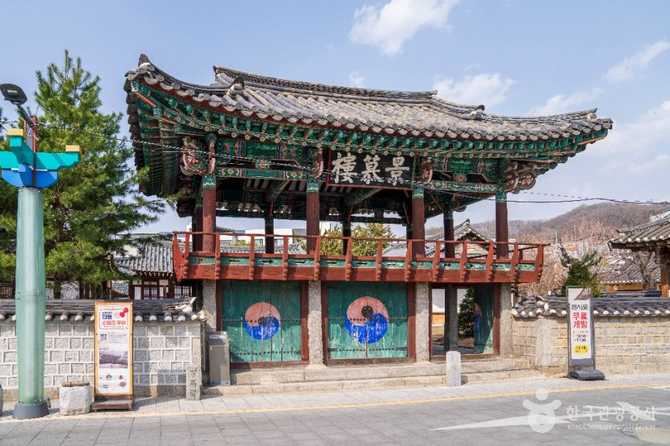
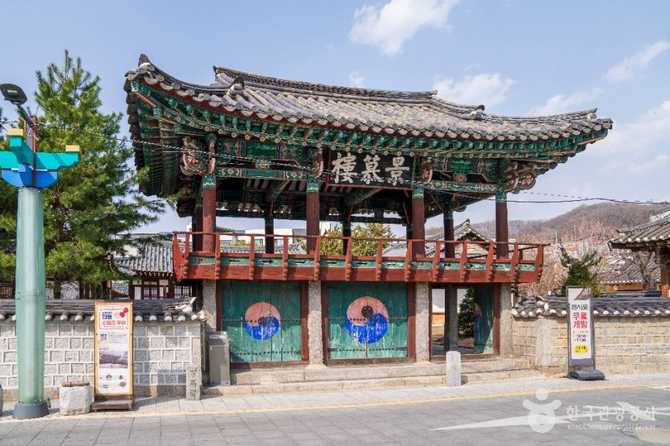
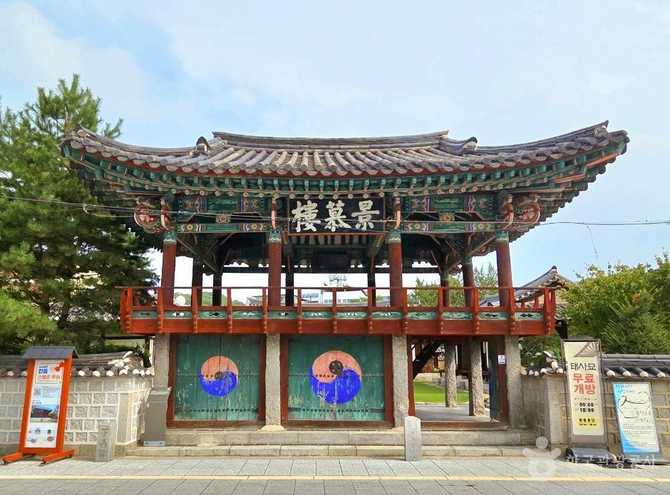
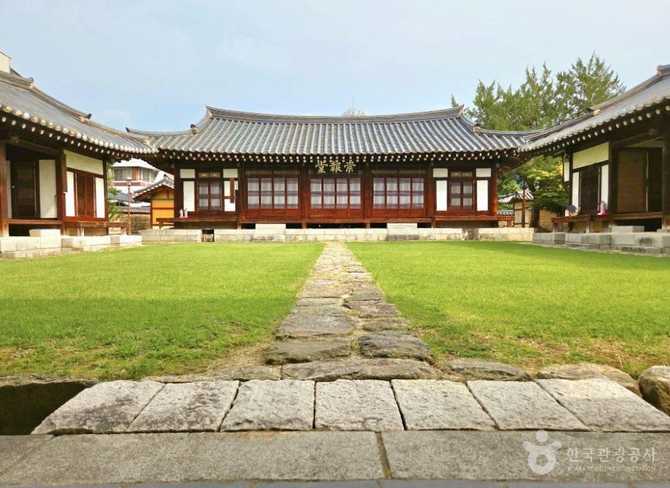
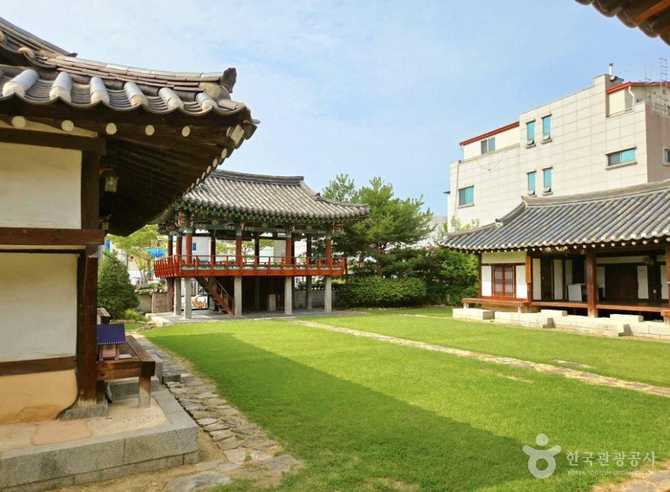
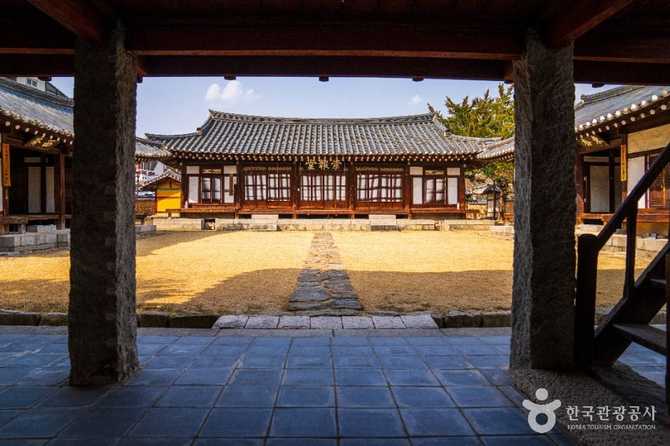
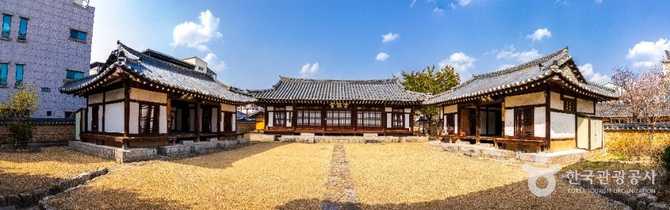
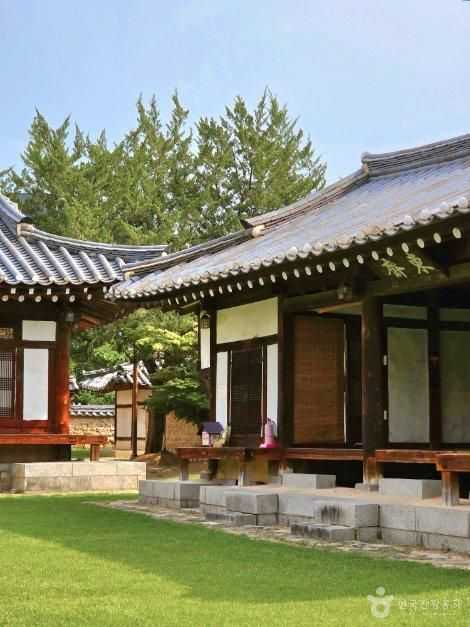
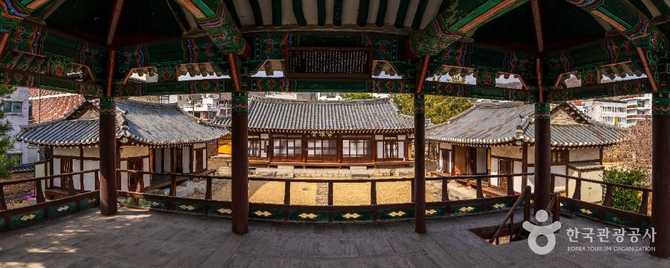
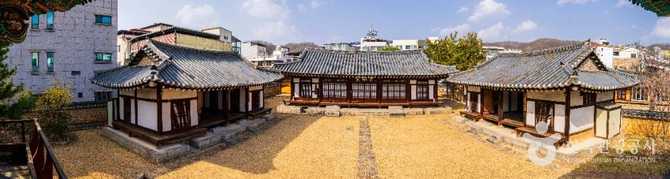
The site includes several buildings such as the main shrine, auxiliary halls, and other structures like the 숭보당 (Sungbo-dang), 동재 (Dongjae), 서재 (Seojae), and 경모루 (Gyeongmoru). These structures are built in traditional Korean architectural style, providing insight into the construction techniques of the Goryeo period. Every year, the shrine hosts ancestral rites in February and August, which are significant cultural events that attract local residents and history enthusiasts alike. The relics and artifacts preserved here, including ceremonial objects and ancient inscriptions, offer a tangible connection to Korea’s past, making Andong Taesamyo an essential destination for those interested in Korea’s medieval history and cultural traditions.
Visiting Andong Taesamyo provides an enriching experience, allowing visitors to understand the political and scholarly achievements of the Goryeo officials. It also highlights Korea’s long-standing respect for ancestral rites and cultural preservation. The site’s historical significance, combined with its serene environment, makes it a must-visit for travelers eager to explore Korea’s rich heritage beyond its modern cities.
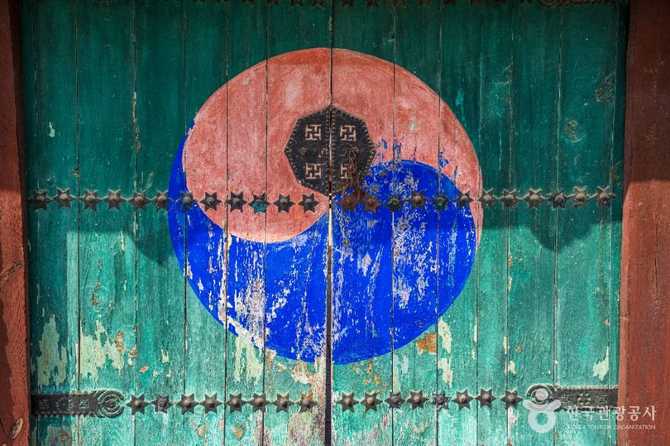
Comparison of Key Features and Cultural Heritage of Andong Taesamyo
| Feature | Details | Remarks |
|---|---|---|
| Establishment Year | 983 AD | Original founding of the shrine |
| Relocation Year | 1542 AD | Moved to current site |
| Designations | Gyeongsangbuk-do Cultural Heritage & Treasure No. 451 | Official recognition of cultural value |
| Main Structures | Taesamyo, Sungbo-dang, Dongjae, Seojae, Gyeongmoru | Traditional Korean architecture |
| Relics & Artifacts | 22 artifacts including ceremonial vessels, clothing, and accessories | Designated as Treasure No. 451 |
| Operational Period | Year-round, with seasonal variations | Visiting hours differ by season |
| Annual Rituals | February and August | Traditional ancestral rites |
Visitor Information & Guidelines for Andong Taesamyo
- Opening Hours: From January to June and October to December, the site is open from 09:00 to 17:00. During July to September, hours are extended from 09:30 to 17:00.
- Closed Days: The site operates year-round without holidays, but it is recommended to verify operating hours before your visit.
- Transportation: Since parking is unavailable, visitors are encouraged to use public transportation such as buses or taxis. The shrine is approximately a 10-minute walk from bus stops in Andong.
- Admission & Fees: There is no entrance fee for visiting the site.
- Photography: To protect the relics, flash photography is prohibited. Be respectful and avoid loud noises during your visit.
- Special Events: During traditional rites in February and August, access may be restricted. It’s advisable to check the official website or contact the visitor center beforehand.
- Dress Code: Modest and respectful attire is recommended, especially during ceremonial events.
Following these guidelines ensures a respectful and enriching experience while visiting Andong Taesamyo, allowing you to appreciate Korea’s cultural heritage responsibly and thoughtfully.
Location & Nearby Attractions of Andong Taesamyo
Andong Taesamyo is situated in the historic city of Andong, Gyeongsangbuk-do Province. Its precise address is:
- Address: 123-45, Bukmun-dong, Andong-si, Gyeongsangbuk-do, South Korea
Getting to Andong Taesamyo is most convenient via public transportation. Here are the recommended ways to visit:

- By Bus: Take a local bus to the Andong Bus Terminal or the nearby bus stop in Bukmun-dong. From there, it’s a 10-minute walk to the site.
- By Taxi: Taxis are readily available in Andong city and can reach the shrine in approximately 10 minutes from the city center.
- By Car: If you prefer driving, note that there are no dedicated parking facilities at Andong Taesamyo. You can use nearby public parking lots, such as the city’s municipal parking areas, and walk to the site.
While visiting Andong Taesamyo, consider exploring other notable attractions nearby, which enrich your cultural experience. Recommended nearby sites include:
- Hahoe Folk Village: A UNESCO World Heritage site famous for traditional Korean architecture and cultural performances.
- Bongjeongsa Temple: An ancient temple offering serenity and beautiful mountain scenery.
- Andong Soju Museum: Learn about Korea’s traditional distilled liquor and its cultural significance.
- Andong Folk Museum: Discover artifacts and exhibits related to local history and customs.
Visitor Tips & Precautions for Andong Taesamyo
- Check the official website or contact the visitor center prior to your visit for updated operating hours and special event schedules.
- Use public transportation whenever possible, as parking facilities are not available on-site.
- Arrive during the designated opening hours: 09:00–17:00 (January–June, October–December) or 09:30–17:00 (July–September).
- Respect the relics and artifacts by avoiding flash photography and loud noises during your visit.
- Dress modestly and appropriately, especially if attending during the traditional rites in February and August.
- During ceremonial events or ancestral rites, access may be restricted; plan your visit accordingly.
- Maintain a quiet and respectful demeanor to preserve the solemn atmosphere of the site.
- Be mindful of seasonal weather conditions—wear suitable clothing and carry essentials like water or sun protection.
Whether you visit during the day or evening, Discover Andong Taesamyo is a meaningful stop on any Seoul itinerary for history-minded travelers.
Frequently Asked Questions (FAQ)
Q1: What is the historical significance of Andong Taesamyo?
An:
Andong Taesamyo is a historic shrine that honors three distinguished officials of the Goryeo Dynasty, established in 983 AD. It serves as a vital cultural heritage site reflecting Korea’s medieval political and scholarly achievements.

Q2: When are the annual rites held at Andong Taesamyo?
An:
The shrine hosts ancestral rites twice a year, in the lunar months of February and August. These ceremonies commemorate the officials and are attended by local residents and visitors.
Q3: What artifacts and relics can visitors see at Andong Taesamyo?
An:
The site houses 22 cultural relics, including ceremonial vessels, clothing, and accessories, designated as Treasure No. 451. These artifacts provide insights into the lives and culture of the Goryeo officials.
Q4: How can I get to Andong Taesamyo using public transportation?
An:
Andong Taesamyo is accessible by bus or taxi from central Andong. It is about a 10-minute walk from the nearest bus stops, and there are no dedicated parking facilities, so public transit is recommended.
Q5: Are there any restrictions or tips for visiting Andong Taesamyo?
An:
Visitors should avoid flash photography and loud noises to protect the relics and maintain the site’s solemn atmosphere. Modest attire is recommended, especially during ceremonial events.

Q6: What are the operating hours and best times to visit Andong Taesamyo?
An:
The site is open from 09:00 to 17:00 from January to June and October to December, and from 09:30 to 17:00 during July to September. It operates year-round without holidays, but checking hours beforehand is advised.
Final Thoughts on Visiting Andong Taesamyo
Visiting Andong Taesamyo offers a meaningful journey into Korea’s rich medieval history and cultural traditions. This historic site, dedicated to honoring the meritorious officials of the Goryeo Dynasty, provides visitors with a rare glimpse into Korea’s past political and scholarly achievements. Its well-preserved architecture, valuable relics, and tranquil environment make it an ideal destination for those interested in exploring Korea’s cultural heritage beyond modern urban landscapes.
As you plan your visit, keep in mind the importance of respecting the site’s historical significance. Follow the guidelines for respectful behavior, such as modest attire and careful photography without flash, to help preserve the relics for future generations. Remember to check operating hours and special event schedules before your trip, especially during traditional rites held in February and August. Using public transportation is highly recommended due to the lack of parking facilities, ensuring a smooth and hassle-free experience.
A trip to Andong Taesamyo not only enriches your understanding of Korea’s Goryeo era but also deepens appreciation for the enduring legacy of Korea’s cultural and historical treasures. Whether you are a history enthusiast, a cultural explorer, or a curious traveler, this site promises a rewarding experience that connects the past with the present. Make sure to allocate enough time to fully absorb the atmosphere and significance of this remarkable heritage site, and leave with a renewed respect for Korea’s rich historical tapestry.