

출처 : ⓒ한국관광콘텐츠랩 또는 ⓒ한국관광공사
Discover An Yang Museum: Korea’s Rich Cultural Heritage
Location 경기도 안양시 만안구 예술공원로103번길 4 (석수동)
Location 경기도 안양시 만안구 예술공원로103번길 4 (석수동)
Are you interested in exploring Korea’s history and culture? An Yang Museum offers an immersive experience into the region’s ancient past and modern development, making it a must-visit cultural destination for travelers seeking to understand Korea’s vibrant history.

At a glance
- Who this is for
-
- Visitors eager to learn about Korea’s regional history
- History enthusiasts and cultural explorers
- Families seeking educational outings
- Anyone interested in ancient relics and archaeological sites
- Key takeaways
-
- Showcases Korea’s history from prehistoric times to modern era
- Features artifacts like ancient relics and historical sites
- Designed by renowned architect Kim Jung-ub
- Offers free admission and multimedia content
- Located in the scenic An Yang Arts Park area
- Tips & cautions
-
- Closed on Mondays and public holidays
- Visit early to avoid crowds, especially during weekends
- Check operating hours before your visit
- Use the free parking facilities available nearby
- Bottom line
- Experience Korea’s regional history firsthand at An Yang Museum, a cultural hub that combines history, architecture, and engaging exhibits for all visitors.
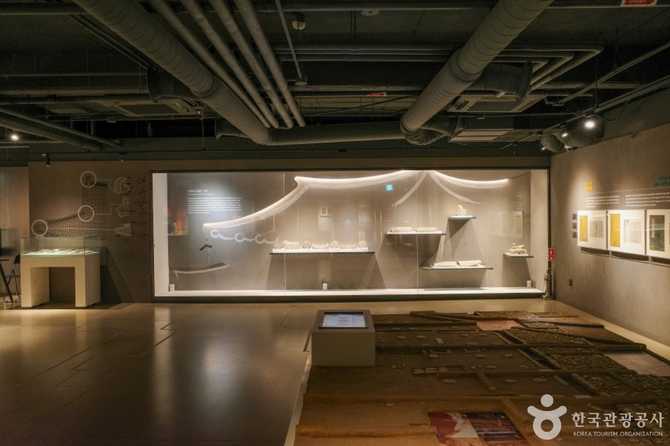
Located at 4 Yeoksal-gil 103, Manan-gu, An Yang City, Gyeonggi Province, An Yang Museum is a comprehensive cultural space that spans from prehistoric times to the present day. Since opening in 2004 at Pyeongchon Art Hall and relocating to its current site in 2017, the museum has become a vital destination for those interested in Korea’s regional history. Visitors can explore a variety of exhibits featuring ancient relics, artifacts from the Three Kingdoms period, Joseon Dynasty cultural items, and modern urban development materials.
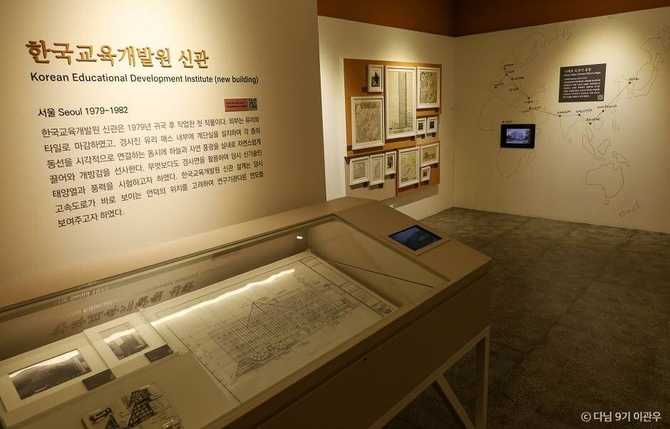
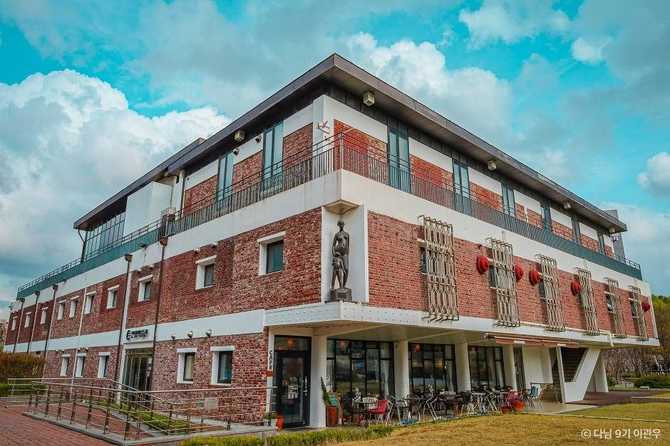
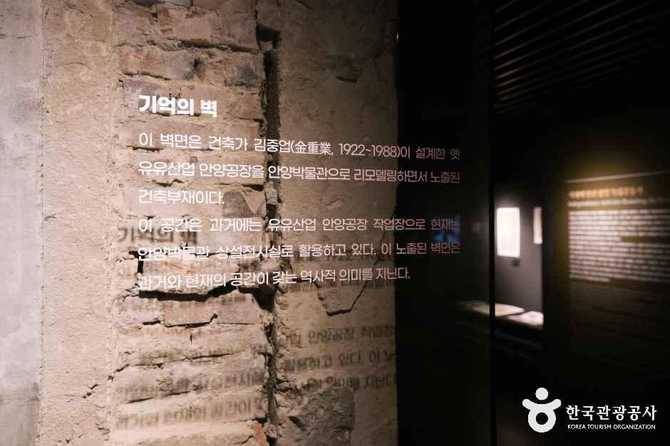
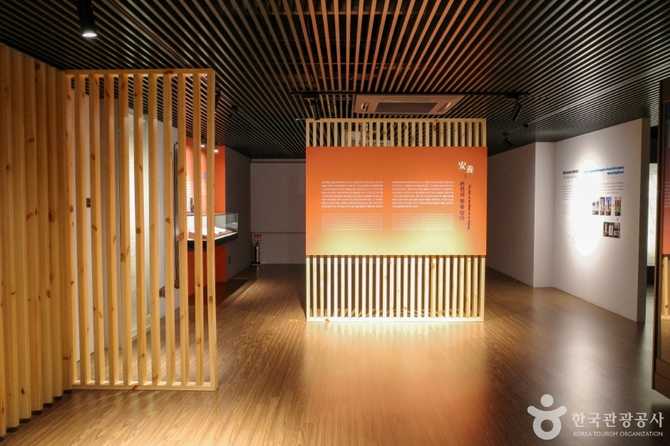
The museum’s architecture, designed by the renowned architect Kim Jung-ub, complements its historical exhibits and surrounding archaeological sites, providing a seamless cultural experience. The museum not only offers a rich collection of artifacts but also integrates multimedia content, including videos and reconstructions, to enhance understanding. With free admission, ample parking, and visitor facilities such as cafes and rest areas, An Yang Museum ensures a comfortable and educational visit for all.
If you are planning to visit, be sure to check the operating hours and holiday schedule. The museum is open from 9:30 am to 6:00 pm, with last entry at 5:00 pm, and is closed on Mondays and during major holidays like Lunar New Year and Chuseok. Combining a tour of the exhibits with visits to nearby historical sites and architectural landmarks will enrich your cultural experience. Whether you are a history enthusiast, a family on an educational trip, or a curious traveler, An Yang Museum offers a comprehensive window into Korea’s past and present.
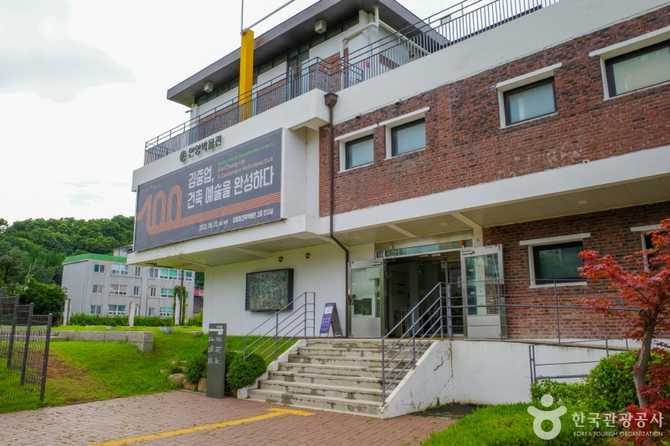
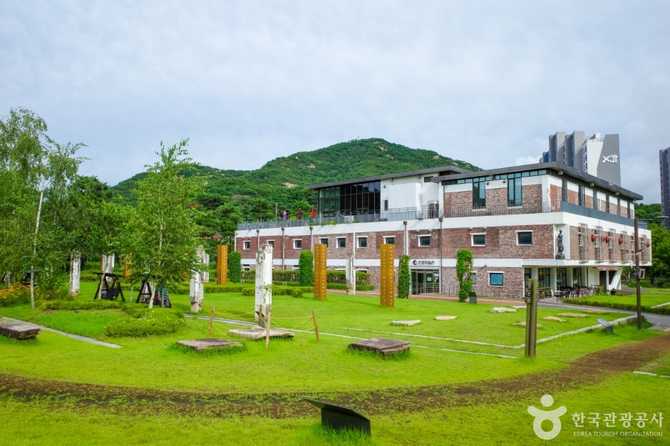
An Yang Museum Overview & Historical Significance
Nestled in the heart of Gyeonggi Province, An Yang Museum stands as a premier cultural institution dedicated to showcasing the rich history and cultural heritage of the An Yang region. Since its opening in 2004 at Pyeongchon Art Hall and its subsequent relocation in 2017 to a site that beautifully integrates modern architecture with historical surroundings, the museum has become a vital destination for visitors eager to explore Korea’s regional past. Located at 4 Yeoksal-gil 103, Manan-gu, An Yang City, the museum offers an immersive experience into Korea’s ancient civilizations, historical developments, and urban growth, making it an ideal place for history enthusiasts, families, and cultural explorers alike.
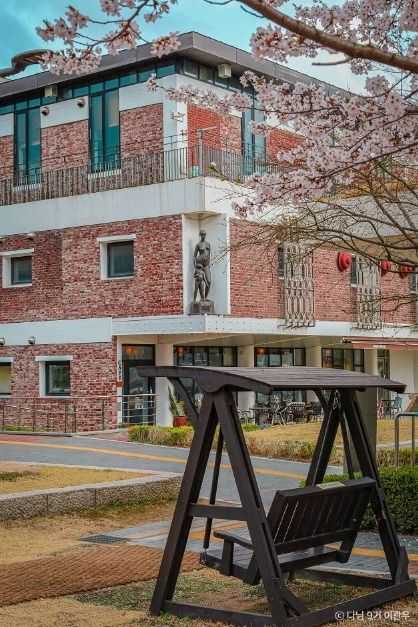
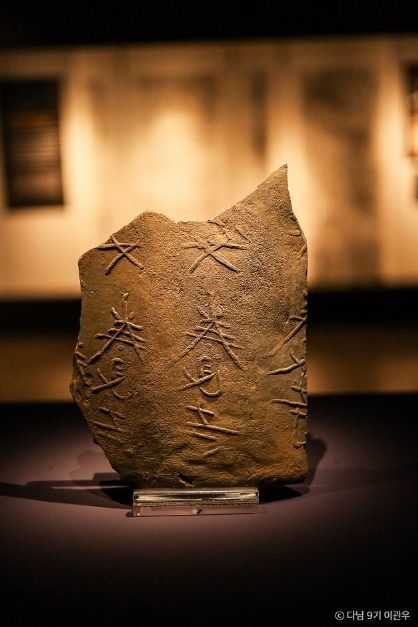
The focus of An Yang Museum is to provide a comprehensive narrative of the region’s evolution from prehistoric times through to the modern era. Visitors can explore exhibits featuring relics from the Stone Age, artifacts from the Three Kingdoms period, and cultural items from the Joseon Dynasty. The museum’s architecture, designed by renowned architect Kim Jung-ub, not only complements its exhibits but also reflects the region’s historical significance. The surrounding archaeological sites and relics, such as the Seoksoo-dong Petroglyphs and the Goyang-dong Ancient Tombs, are seamlessly connected to the museum experience, allowing visitors to enjoy a holistic cultural journey.
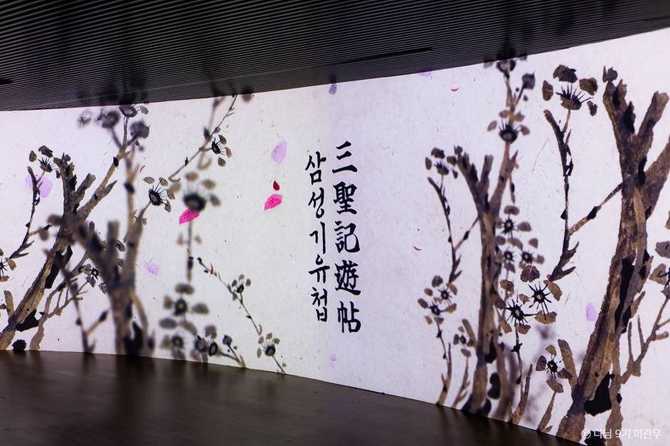
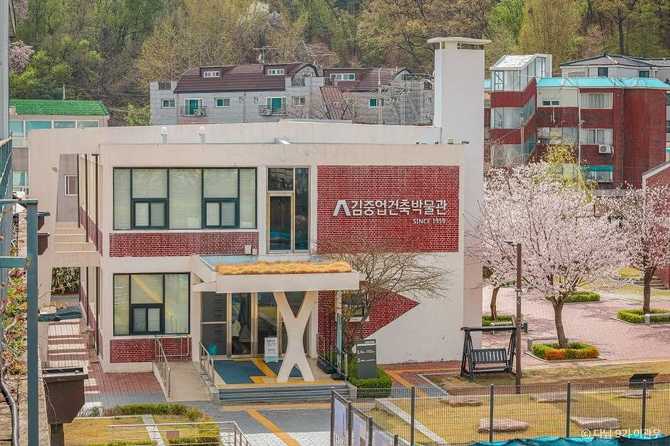
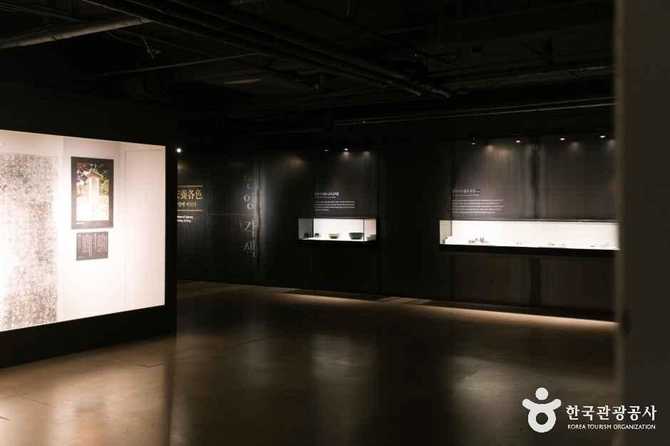
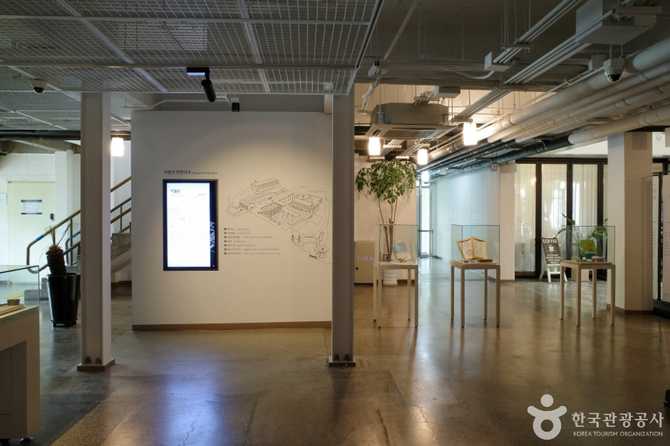
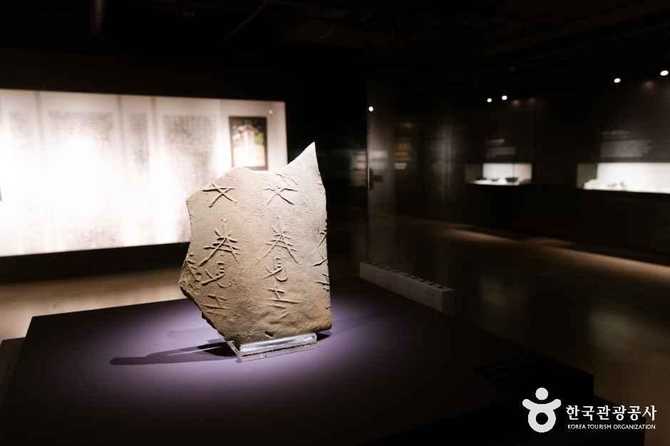
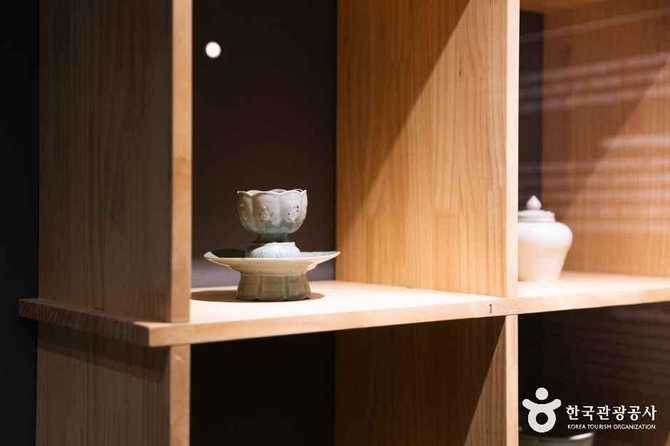
The museum’s collection includes ancient pottery, stone tools, historic inscriptions, and traditional artifacts, all meticulously curated to illustrate the region’s historical narrative. Multimedia presentations, including videos and reconstructions, enhance the understanding of complex historical processes. The free admission policy ensures accessibility for all, while amenities like parking, cafes, and rest areas make the visit comfortable and engaging. Visitors are encouraged to combine their museum tour with explorations of nearby historical sites and architectural landmarks to deepen their appreciation of An Yang’s cultural landscape.
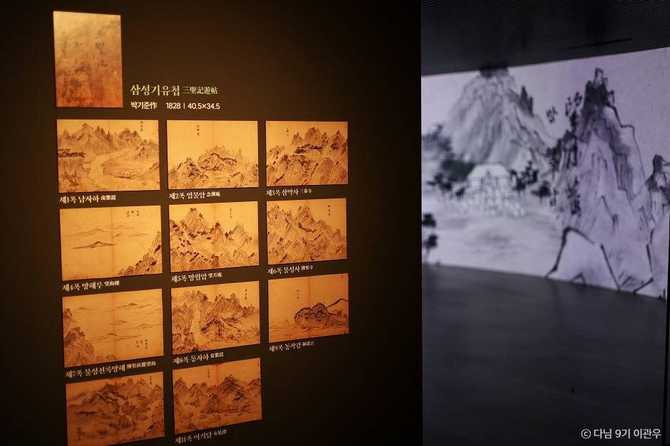
Whether you are a history buff, a family seeking educational activities, or a traveler interested in Korea’s regional stories, An Yang Museum offers an enriching experience that bridges the past and present. Its focus on regional history, combined with innovative exhibits and scenic surroundings, makes it a must-visit destination for anyone interested in Korea’s diverse cultural heritage.

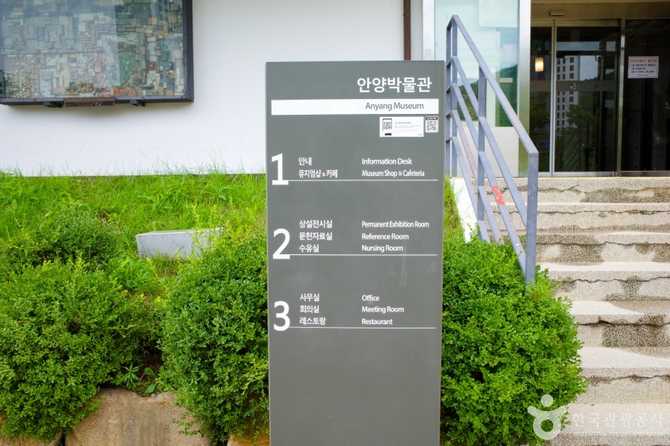
Comparison of Exhibits and Artifacts at An Yang Museum
| Exhibit Category | Main Artifacts & Features | Historical Period |
|---|---|---|
| Prehistoric Relics | Stone tools, pottery fragments, petroglyphs | Stone Age |
| Ancient Artifacts | Relics from the Three Kingdoms era, including pottery, inscriptions, and burial items | Three Kingdoms Period |
| Medieval & Joseon Dynasty | Traditional ceramics, calligraphy, historical documents, and royal relics | Joseon Dynasty |
| Modern History & Urban Development | Photographs, urban planning models, industrial artifacts | 20th Century to Present |
The exhibits at An Yang Museum are thoughtfully curated to provide a chronological journey through the region’s history. From prehistoric relics like stone tools and petroglyphs to artifacts from the Three Kingdoms period, visitors gain insights into early settlement and cultural development. The Joseon Dynasty section showcases traditional ceramics and cultural artifacts that reflect the region’s historical significance during Korea’s longest dynasty. The modern history exhibits highlight urban growth, industrialization, and the city’s transformation into a modern metropolis. Multimedia presentations and reconstructions accompany the physical artifacts, making the exhibits engaging and educational for visitors of all ages.
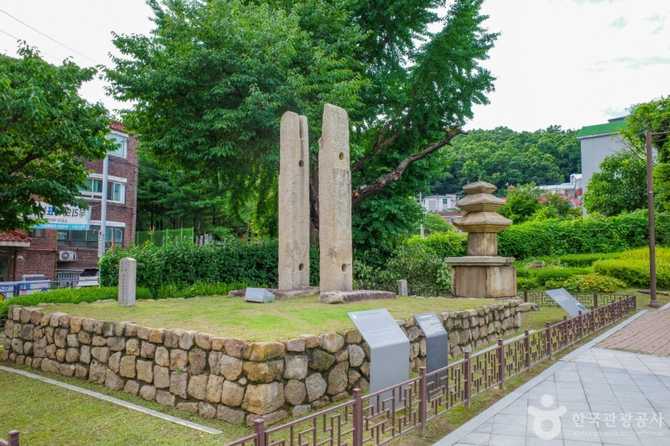
Visitor Information & Facilities Checklist
- Opening Hours: 09:30 AM – 06:00 PM (Last entry at 05:00 PM)
- Closed: Every Monday, public holidays, and during Lunar New Year and Chuseok holidays
- Admission: Free for all visitors
- Parking: Ample free parking available on-site
- Facilities: Exhibition halls, multimedia content, cafes, rest areas, and accessible pathways
- Nearby Attractions: Kim Jung-ub-designed architecture, An Yang Art Park, archaeological sites
Operating Hours and Holidays at An Yang Museum
| Operating Hours | Details |
|---|---|
| Daily Opening Time | 09:30 AM |
| Closing Time | 06:00 PM |
| Last Entry | 05:00 PM |
Holidays and Closure Days
- Every Monday
- Public holidays (national holidays)
- Lunar New Year (Seollal) holiday period
- Chuseok (Korean Thanksgiving) holiday period
Note: The museum may close unexpectedly during special holidays or local events. It is recommended to check the official website or contact the museum directly before planning your visit to ensure it is open on your preferred date.
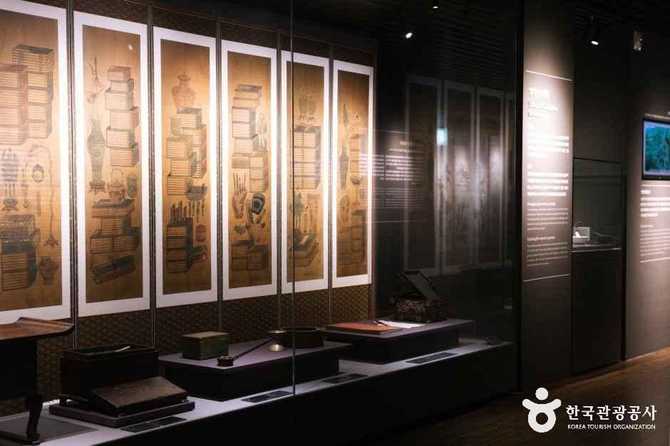
Visitor Checklist for An Yang Museum
- Check operating hours: Confirm the museum’s open hours and last entry time before your visit.
- Verify holiday closures: Ensure the museum is open on your planned visit date by checking official sources.
- Plan your transportation: Use the free on-site parking or public transportation options.
- Bring essentials: Carry a water bottle, comfortable shoes, and any necessary identification or tickets.
- Explore both indoor and outdoor sites: Visit the exhibits, multimedia content, and surrounding archaeological sites for a comprehensive experience.
- Allocate enough time: Set aside at least 2-3 hours to enjoy the exhibits, videos, and nearby attractions.
- Respect museum guidelines: Follow signage, do not touch artifacts unless permitted, and keep noise levels appropriate.
- Check for special events or temporary exhibitions: Look for any ongoing activities that might enhance your visit.
- Prepare for weather conditions: If visiting outdoor sites, check the weather forecast and dress accordingly.
- Visit the official website or contact the museum: For the latest updates, special notices, or additional information.
Whether you visit during the day or evening, Discover An Yang Museum is a meaningful stop on any Seoul itinerary for history-minded travelers.
Frequently Asked Questions (FAQ)
Q1: What types of historical artifacts are displayed at An Yang Museum?
An Yang Museum exhibits relics from prehistoric times, including stone tools, pottery fragments, and petroglyphs. It also features artifacts from the Three Kingdoms period, such as ancient pottery, inscriptions, and burial items, as well as cultural items from the Joseon Dynasty and modern urban development materials.
Q2: What are the operating hours and holidays for An Yang Museum?
The museum is open daily from 9:30 AM to 6:00 PM, with last entry at 5:00 PM. It is closed every Monday, as well as on public holidays, Lunar New Year, and Chuseok holidays. Visitors should check the official website for any holiday schedule changes.
Q3: Is there an admission fee to visit An Yang Museum?
No, admission to An Yang Museum is free for all visitors. You can enjoy all exhibits, multimedia content, and the surrounding archaeological sites without any charge.
Q4: Is parking available at the museum?
Yes, the museum offers ample free parking on-site for visitors arriving by car. The parking facilities are conveniently located near the museum entrance for easy access.
Q5: How can I best experience both the exhibits and the surrounding historical sites?
After exploring the indoor exhibits, visitors are encouraged to visit the nearby archaeological sites and walk around the Kim Jung-ub-designed architecture. Combining multimedia presentations with physical relics provides a more comprehensive understanding of An Yang’s history.


Q6: What other facilities and nearby attractions are available at An Yang Museum?
The museum features cafes, rest areas, and accessible pathways for visitor comfort. Nearby attractions include the An Yang Art Park, archaeological sites like Seoksoo-dong Petroglyphs, and the architectural works designed by Kim Jung-ub, making it a full cultural experience.
Closing Hours and Important Holiday Notices for An Yang Museum
When planning your visit to An Yang Museum, it is essential to be aware of its closing hours and holiday schedule to ensure a smooth and enjoyable experience. The museum operates daily from 9:30 in the morning until 6:00 in the evening, with the last admission allowed at 5:00 pm. To maximize your time exploring the exhibits and surrounding archaeological sites, arriving early within the operating hours is recommended. Keep in mind that the museum is closed every Monday, providing a weekly day for maintenance and planning. Additionally, the museum remains closed on national public holidays, including major Korean holidays such as Lunar New Year and Chuseok, as well as during specific holiday periods like Seollal and Chuseok days. These closures are important to consider when scheduling your trip to avoid inconvenience. It is always a good idea to check the official website or contact the museum directly before your visit, especially during holiday seasons or special events, to confirm the current schedule and any potential changes. Planning ahead ensures you won’t miss the opportunity to experience the rich history and cultural exhibits at An Yang Museum, Korea’s premier regional history museum. Being aware of the closing hours and holiday closures helps visitors make the most of their cultural exploration without unexpected disruptions, making your visit both productive and memorable.