
Discover An-gok Wetland Park: Korea’s Premier Eco-Friendly Nature Reserve
Looking for a peaceful escape into Korea’s natural beauty? An-gok Wetland Park in Goyang offers an immersive experience where visitors can observe diverse wildlife, enjoy scenic landscapes, and learn about ecological preservation—all for free. Whether you’re a nature enthusiast, family seeking outdoor activities, or a student interested in ecology, this eco-park provides a perfect environment to connect with Korea’s rich natural heritage.
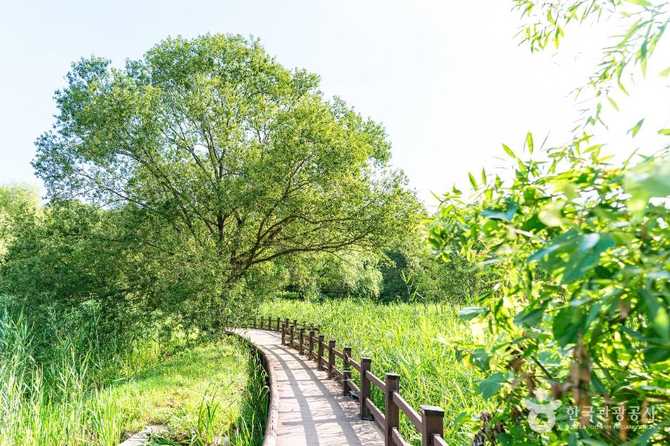
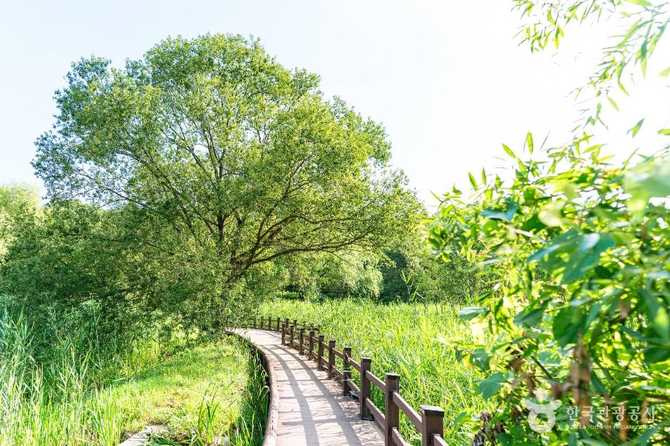
Located in Goyang City’s Ilsandong District, An-gok Wetland Park is a vital ecological sanctuary that has been preserved through community effort despite urban development pressures. The park features expansive reed beds, seasonal flora like sea cams, and habitats for various amphibians and birds, making it an ideal destination for eco-education and relaxation. Visitors can explore outdoor learning centers, wetlands, and forested areas, all designed to foster appreciation for nature and promote conservation awareness.
At a glance
- Who this is for
-
- Nature lovers and eco-enthusiasts
- Families seeking outdoor activities
- Parents wanting ecological education for children
- Students and researchers interested in local ecosystems
- Key takeaways
-
- Free, year-round access with full facilities
- Rich biodiversity including amphibians and seasonal plants
- Various ecological learning programs and outdoor spaces
- Community-driven conservation efforts
- Convenient parking and amenities for visitors
- Tips & cautions
-
- Respect wildlife and avoid disturbing animals and plants
- Do not litter; keep the environment clean
- Follow safety guidelines based on seasonal weather changes
- Stay within designated areas to protect sensitive habitats
- Bottom line
- Experience Korea’s natural ecology firsthand at An-gok Wetland Park, a community-supported sanctuary perfect for learning, leisure, and conservation.
Are you interested in exploring Korea’s natural environment? An-gok Wetland Park provides an accessible, eco-friendly space where visitors can enjoy the beauty of wetlands, observe wildlife, and participate in ecological education programs. Located in Goyang City’s Ilsandong District, this park is a vital green space that highlights the importance of ecological preservation amidst urban growth.
Despite facing urban development pressures, local residents and authorities have worked together to conserve this vital habitat. The park features expansive reed beds, seasonal flora such as sea cams, and habitats for various amphibians and birds, making it an ideal spot for nature observation and ecological learning. Visitors can explore outdoor classrooms, wetlands, and forested areas, all designed to foster appreciation for Korea’s natural heritage.
With facilities including outdoor learning centers, wetlands, and forest trails, An-gok Wetland Park offers a comprehensive experience for families, students, and eco-enthusiasts. The park is open year-round, free of charge, and equipped with parking and restroom facilities, making it a convenient destination for all visitors. Whether you want to relax, learn, or observe wildlife, this eco-park provides a perfect setting to connect with nature and promote environmental awareness.
An-gok Wetland Park Overview & Location
Nestled in the heart of Goyang City’s Ilsandong District, An-gok Wetland Park is a vital ecological sanctuary that offers visitors an immersive experience into Korea’s natural environment. As one of the most prominent eco-parks in the region, it provides a unique opportunity to explore Korea’s wetland ecosystems, observe diverse flora and fauna, and participate in ecological education programs. The park’s focus on environmental preservation and community engagement has made it a popular destination for families, students, and nature enthusiasts alike.
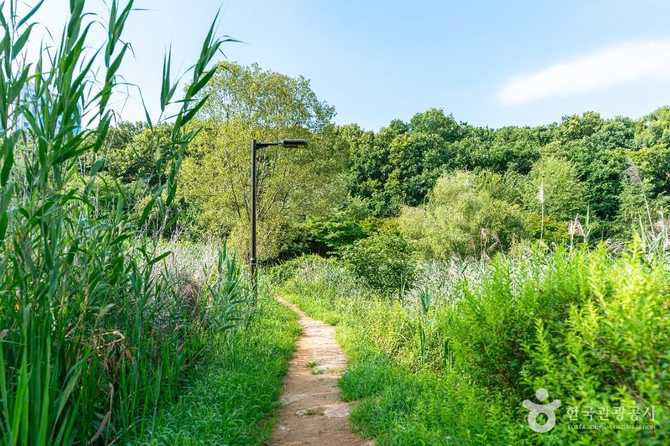
The park is situated within close proximity to urban amenities, making it easily accessible for visitors. It covers a sizable area featuring expansive reed beds, seasonal plants such as sea cams, and habitats for various amphibians, birds, and insects. This natural haven has been carefully preserved despite urban development pressures, thanks to active participation from local residents and government agencies dedicated to ecological conservation.
The ecological significance of An-gok Wetland Park extends beyond its scenic beauty. It functions as a critical habitat for migratory birds, a breeding ground for amphibians, and a natural water filtration system that maintains local biodiversity. Visitors can enjoy walking along designated trails, exploring outdoor learning centers, and engaging with hands-on ecological activities that promote awareness about environmental protection. The park’s facilities include parking lots, restrooms, and outdoor classrooms, all designed to support a sustainable and educational experience.

Whether you are visiting for leisure, education, or ecological observation, An-gok Wetland Park offers a tranquil escape into Korea’s natural landscape. Its year-round accessibility and community-driven conservation efforts make it an essential destination for anyone interested in experiencing Korea’s rich natural heritage firsthand.
Ecological Learning & Nature Experience Programs: A Comparison
| Program Name | Description | Availability & Notes |
|---|---|---|
| Outdoor Learning Center | Provides ecological education through hands-on activities, workshops, and guided tours focused on wetland ecosystems, flora, and fauna. | Operates year-round; ideal for school groups and families; free admission. |
| Wetland Observation Area | Designated spots for observing birdlife, amphibians, and seasonal plants, equipped with binoculars and informational signage. | Open during park hours; suitable for individual visitors and groups. |
| Ecological Preservation Workshops | Community-led programs focusing on habitat restoration, native plant planting, and conservation awareness activities. | Held periodically; registration required; free participation. |
Visitor Facilities & Practical Checklist for Eco-Visitors
- Parking: Free parking available within the park premises, making it convenient for visitors arriving by car.
- Restrooms: Multiple restroom facilities are distributed throughout the park, ensuring accessibility and comfort for all visitors.
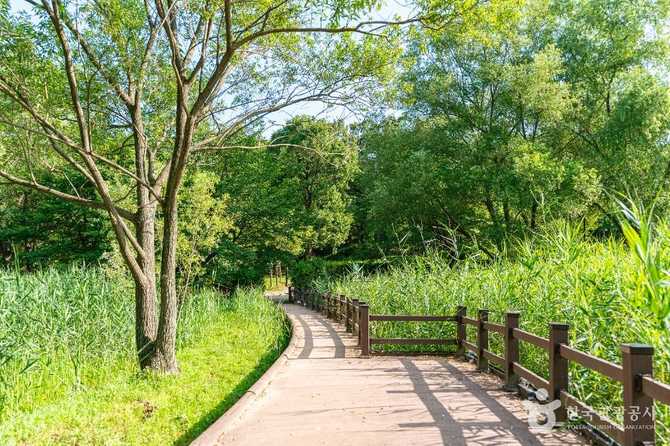
- Accessibility: The park features well-maintained walking trails suitable for all ages and mobility levels.
- Guided Tours & Educational Programs: Available upon request, often free of charge, especially for school groups and community organizations.
- What to Bring: Comfortable walking shoes, weather-appropriate clothing, binoculars for birdwatching, and eco-friendly supplies to minimize environmental impact.
- Respect wildlife by observing from a distance and refraining from feeding animals.
- Stay on designated trails to protect sensitive habitats.
- Do not litter; use designated trash and recycling bins.
- Follow safety guidelines based on seasonal weather conditions, especially during rainy or windy days.
- Refrain from making loud noises that could disturb wildlife or other visitors.
Conservation Efforts & Environmental Protection at An-gok Wetland Park
An-gok Wetland Park is a model of ecological preservation, with ongoing initiatives aimed at maintaining its biodiversity and natural beauty. The local community, government agencies, and environmental organizations collaborate to implement various conservation strategies that ensure the longevity of this vital habitat. These efforts are crucial in safeguarding Korea’s wetland ecosystems against urban development and environmental threats.
Key conservation activities include:
- Designating Protected Zones: Sensitive areas within the park are officially designated as protected zones to prevent development and minimize human disturbance, preserving habitats for migratory birds, amphibians, and native plants.
- Habitat Restoration Projects: Restoration activities are carried out to rehabilitate degraded wetlands, including replanting native vegetation such as reeds and sea cams, and removing invasive species that threaten ecological balance.
- Community Engagement & Education: Local residents participate in conservation programs through workshops, volunteer activities, and educational campaigns that promote awareness of ecological importance and sustainable practices.
- Ecological Monitoring & Research: Regular scientific assessments and monitoring are conducted to track changes in biodiversity, water quality, and habitat conditions, providing data to inform adaptive management strategies.
- Environmental Policy Enforcement: Strict regulations are enforced to prevent illegal activities such as littering, poaching, and unauthorized land use, ensuring the park’s natural resources are protected effectively.
Visitor Guidelines & Safety Tips for Eco-Visitors
- Respect Wildlife: Observe animals from a safe distance without feeding or disturbing them to ensure their natural behaviors are not affected.
- Stay on Designated Trails: Use only marked paths to protect sensitive habitats and prevent ecological damage.
- No Littering: Dispose of trash properly in designated bins or take your waste with you to keep the environment pristine.
- Follow Seasonal Safety Guidelines: Be aware of weather conditions, especially during rainy or windy days, and take necessary precautions.
- Limit Noise Pollution: Keep noise levels low to avoid disturbing wildlife and other visitors enjoying the park’s tranquility.
- Enter Restricted Areas Only When Permitted: Respect signs and barriers indicating protected zones or areas under restoration.
- Use Eco-Friendly Supplies: Bring reusable water bottles, eco-friendly utensils, and avoid single-use plastics to minimize environmental impact.
Whether you visit during the day or evening, Discover An is a meaningful stop on any Seoul itinerary for history-minded travelers.
Frequently Asked Questions (FAQ)
Q1: What kind of natural environment does An-gok Wetland Park feature?
An-gok Wetland Park is a natural freshwater wetland with abundant reed beds and seasonal plants like sea cams. It is home to various amphibians, birds, and insects, providing rich biodiversity throughout the year.
Q2: What ecological programs are available at An-gok Wetland Park?
The park offers outdoor learning centers, wetlands observation areas, and community-led conservation workshops. These programs focus on ecological education, habitat restoration, and environmental awareness, suitable for families and students.

Q3: Is admission to An-gok Wetland Park free?
Yes, the park is open to the public free of charge year-round. Visitors can enjoy all facilities, including parking and restrooms, without any entrance fee.
Q4: What precautions should visitors take to protect the environment?
Visitors should avoid littering, refrain from disturbing wildlife, and stay within designated trails. It is important to respect the natural habitat and follow seasonal safety guidelines to ensure ecological preservation.
Q5: What conservation activities are conducted at An-gok Wetland Park?
The park implements protected zones, habitat restoration projects, and community participation programs. Regular ecological monitoring and research help maintain biodiversity and prevent environmental degradation.
Q6: What safety tips are recommended when visiting An-gok Wetland Park?
Visitors should wear suitable clothing and footwear, especially during rainy or windy weather. Staying on marked trails and avoiding restricted areas help ensure safety and protect sensitive habitats.
Final Thoughts on An-gok Wetland Park
Visiting An-gok Wetland Park offers a unique opportunity to immerse yourself in Korea’s rich natural environment and experience the beauty of wetland ecosystems firsthand. This eco-friendly sanctuary, supported by community efforts and dedicated conservation initiatives, stands as a testament to the importance of preserving Korea’s biodiversity amidst urban development. Whether you are a family seeking outdoor fun, a student eager to learn about ecology, or a nature enthusiast looking for a peaceful retreat, this park provides a welcoming space for all. The free access, well-maintained facilities, and diverse ecological programs make it an ideal destination for a meaningful day out. As you explore the reed beds, observe seasonal flora and fauna, or participate in educational activities, you’ll gain a deeper appreciation for the vital role wetlands play in maintaining ecological balance. Remember to follow the natural environment protection guidelines, respect wildlife, and leave no trace of your visit. By doing so, you help ensure that An-gok Wetland Park remains a thriving habitat for future generations. Experience Korea’s natural beauty and ecological richness at An-gok Wetland Park—an exceptional place to connect with nature and support environmental conservation efforts.