
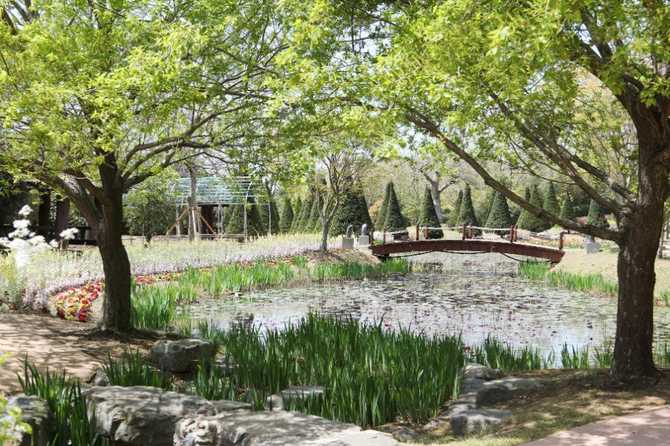
Discover 1004 Islands Bonsai Garden: A Natural Healing Escape in Gwangju, Shinan
Looking for a peaceful retreat where you can enjoy the beauty of nature and art? 1004 Islands Bonsai Garden in Gwangju offers a perfect blend of greenery, sculptures, and tranquility, making it an ideal destination for relaxation and eco-friendly experiences.
At a glance
- Who this is for
-
- Travelers interested in nature and plants
- Families seeking relaxing outdoor spaces
- Visitors wanting eco and art experiences
- Eco-conscious tourists exploring South Korea
- People looking for seasonal festivals and exhibits
- Key takeaways
-
- Located in Shinan-gun, Gwangju, Jeollanam-do
- Open year-round with seasonal hours (Mar–Oct: 09:00–18:00, Nov–Feb: 09:00–17:00)
- Features diverse bonsai displays and sculptures
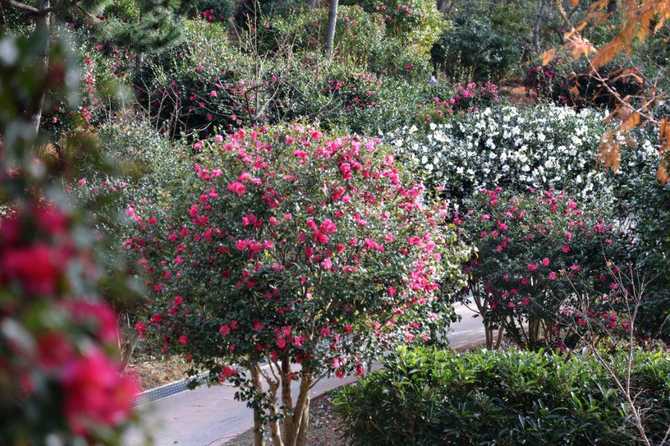
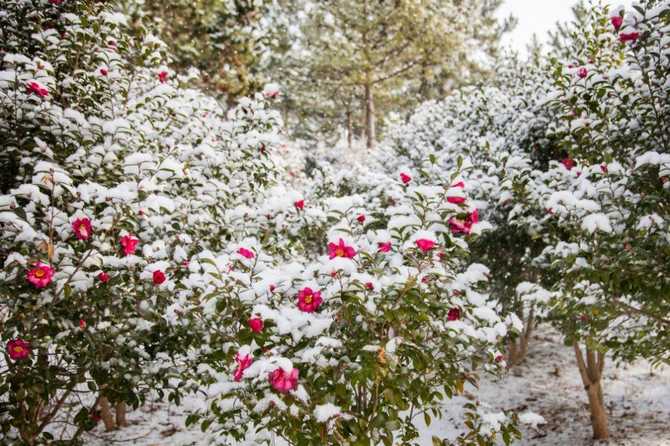
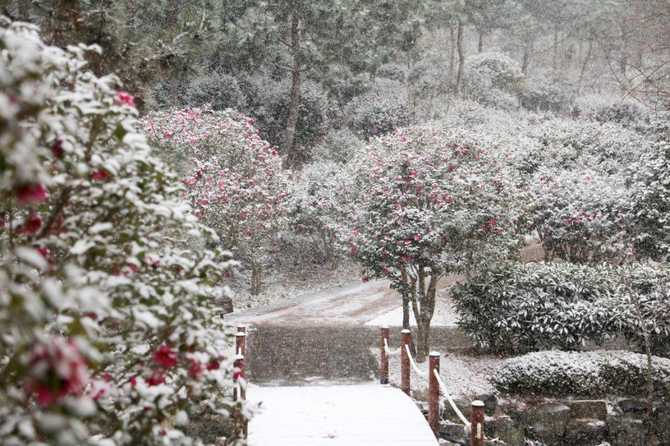
- Winter festival: Baby Camellia Flower Festival (~2 months)
- Facilities include art museum, botanical gardens, and sculpture park
- Tips & cautions
-
- Closed every Monday (or next day if Monday is a holiday)
- Admission ends 1 hour before closing time
- Parking and restrooms available on-site
- Check official website for seasonal event updates
- Bottom line
- Experience harmony with nature and art at 1004 Islands Bonsai Garden, a top eco-friendly park for relaxation and cultural immersion.
Are you seeking a serene natural environment where you can unwind and reconnect with nature? The 1004 Islands Bonsai Garden in Gwangju’s Shinan County is an exceptional destination that combines lush greenery, artistic sculptures, and seasonal festivals. This eco-friendly park offers visitors a unique opportunity to enjoy the peaceful beauty of bonsais and natural landscapes while engaging in cultural and artistic activities. Whether you’re a family looking for a relaxing outing, a plant enthusiast, or someone eager to experience seasonal events, this garden provides a perfect escape from the hustle and bustle of city life.
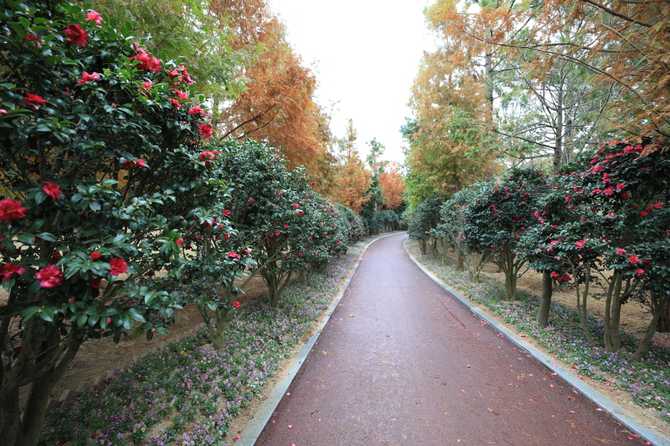
Located in Aphae-eup, Shinan-gun, the park is open throughout the year, with seasonal hours that adapt to the changing climate. From March to October, visitors can enjoy the park from 9 AM to 6 PM, while in winter months (November to February), the closing time is at 5 PM. The garden hosts the Baby Camellia Flower Festival during the winter season, offering a beautiful spectacle of blooming flowers and seasonal displays. Facilities such as art museums, botanical gardens, and sculpture parks make this location suitable for various interests, from art lovers to nature explorers. Planning a visit here allows you to immerse yourself in Korea’s rich natural and cultural heritage, all within a tranquil setting that promotes healing and relaxation.
To make the most of your trip, it’s recommended to check the official website for current event schedules and any seasonal updates. Remember that the park is closed every Monday, or the following day if Monday falls on a public holiday. With ample parking and well-maintained facilities, your visit will be comfortable and enjoyable. Discover the harmony of nature and art at 1004 Islands Bonsai Garden, a must-visit eco-park in Korea that promises memorable moments and a peaceful retreat.
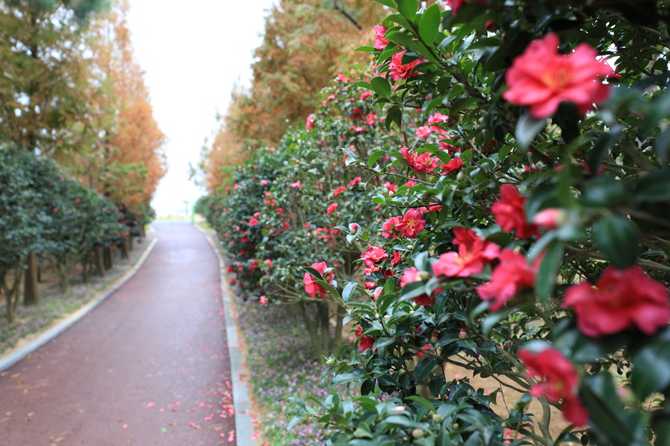
Park Overview & Location
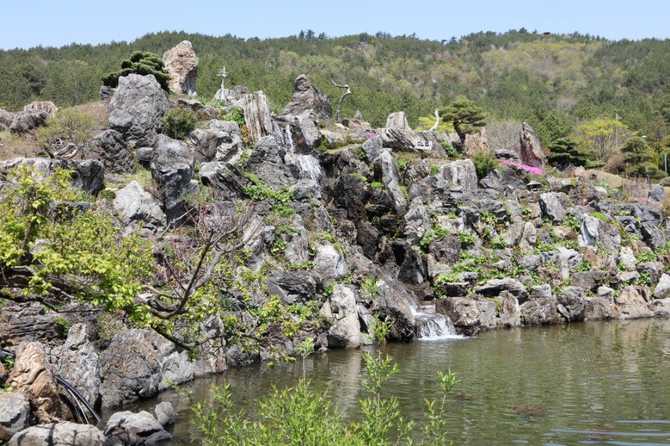
Nestled in the scenic region of Shinan-gun, Gwangju, the 1004 Islands Bonsai Garden stands out as a premier natural healing space that beautifully combines lush greenery, artistic sculptures, and tranquil landscapes. As a dedicated eco-friendly park, it offers visitors a unique opportunity to immerse themselves in Korea’s natural beauty while appreciating the artistry of bonsai cultivation and sculpture art. This park is designed to provide a peaceful retreat from the hustle and bustle of city life, making it an ideal destination for relaxation, reflection, and cultural enrichment.
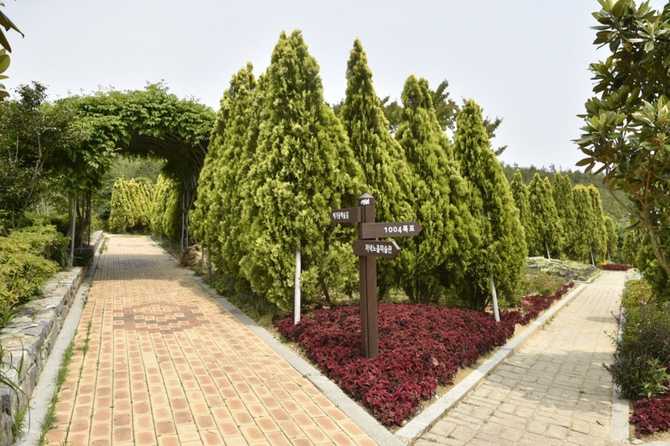
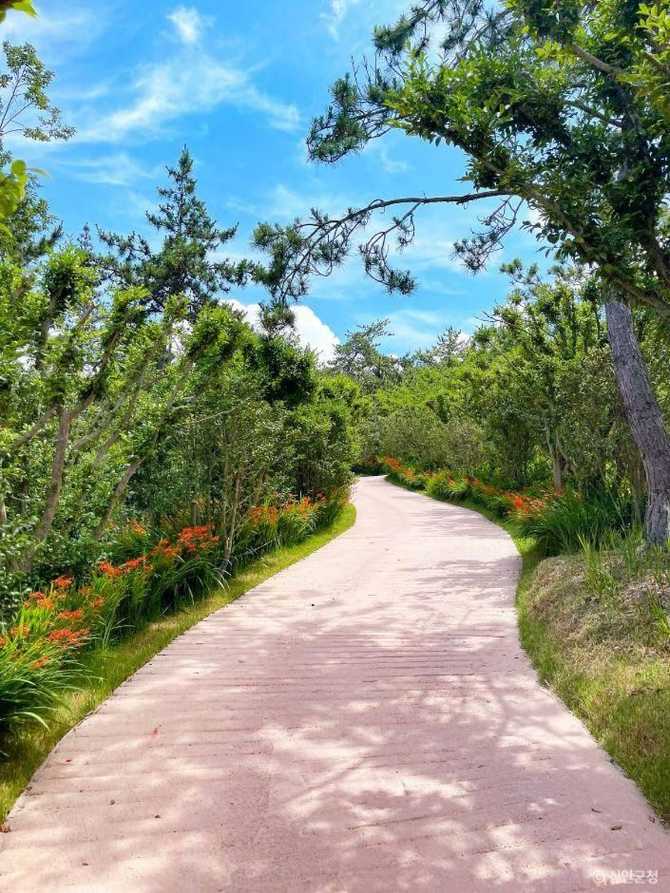
The park’s strategic location in Aphae-eup, Shinan-gun, makes it easily accessible from various parts of Gwangju and nearby regions. Surrounded by the picturesque waters of the Dadohae Sea, the garden’s landscape harmonizes the natural environment with carefully curated plant displays and sculptures. Visitors can enjoy walking along well-maintained trails that meander through the bonsai collections, sculpture installations, and botanical gardens, each offering a different perspective on Korea’s rich natural and artistic heritage.
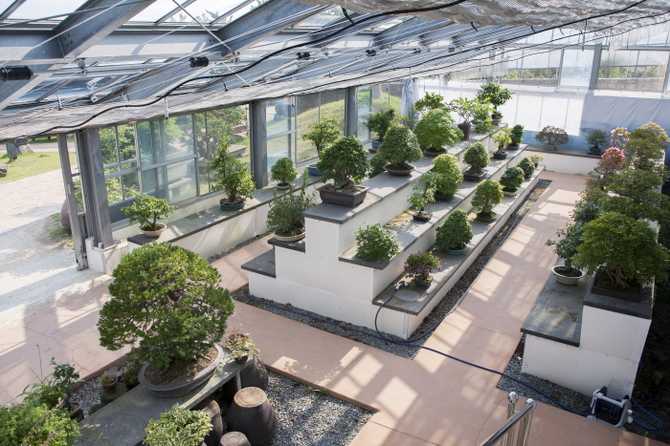
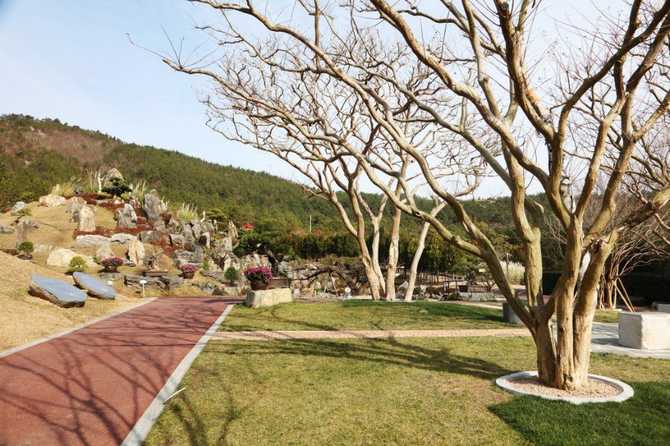
The park’s concept revolves around fostering a deep connection between humans and nature, emphasizing sustainable practices and environmental appreciation. Its collection includes a wide variety of bonsai trees, showcasing different species and cultivation techniques, along with sculptures crafted from natural materials that complement the landscape. The park also hosts seasonal festivals, such as the Baby Camellia Flower Festival in winter, which further enhances its appeal as a cultural and ecological hub.
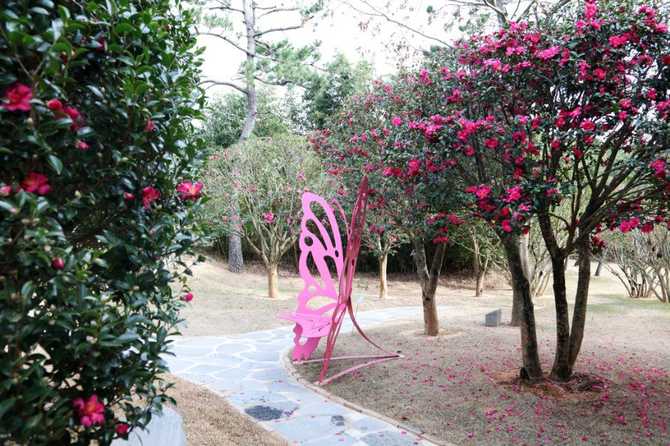
Whether you are a nature enthusiast, an art lover, or simply seeking a peaceful place to unwind, the 1004 Islands Bonsai Garden provides a harmonious environment that nurtures relaxation and inspiration. Its commitment to environmental preservation and cultural expression makes it a must-visit destination for those exploring Gwangju’s natural and artistic attractions.
Comparison of Visitor Information & Operating Hours
| Category | Details |
|---|---|
| Location | Aphae-eup, Shinan-gun, Gwangju, Jeollanam-do, South Korea |
| Open Year-Round | Yes |
| Spring & Fall Hours | 09:00 – 18:00 |
| Winter Hours | 09:00 – 17:00 (November to February) |
| Closed Days | Every Monday (or next day if Monday is a public holiday) |
| Admission Fee | Free |
| Facilities | Art museum, botanical gardens, sculpture park, restrooms, parking |
This comparison table highlights the essential visitor information for planning your trip to the 1004 Islands Bonsai Garden. The park operates year-round with seasonal adjustments to opening hours, ensuring visitors can enjoy its natural beauty in any season. Accessibility is convenient, with ample parking facilities and amenities such as restrooms available on-site. Since the garden is free to enter, it is an excellent budget-friendly destination for families, couples, and solo travelers alike.
To make the most of your visit, always check the official website or contact the park beforehand for the latest updates on special events or temporary closures. Remember to arrive during operational hours, as entry is only permitted until one hour before closing. The park’s facilities, including art museums, sculpture gardens, and botanical areas, provide diverse experiences that cater to different interests. Whether you want to stroll through bonsai collections, appreciate sculptures, or relax in the natural surroundings, the 1004 Islands Bonsai Garden offers a comprehensive eco-cultural experience.
Main Exhibits & Facilities Checklist
- Explore a diverse collection of bonsai trees, showcasing various species and cultivation styles
- Admire outdoor and indoor sculpture artworks created from natural materials
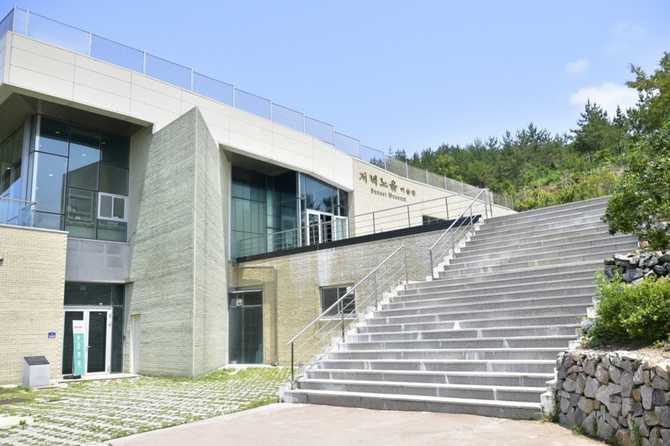
- Visit the Low Sunset Art Museum to enjoy contemporary art exhibits
- Walk through the Small Botanical Garden featuring seasonal flowers and plants
- Experience the Chohwa Garden with vibrant seasonal blooms
- Discover the Sona Sculpture Park with large-scale outdoor sculptures
- Participate in seasonal festivals like the Baby Camellia Flower Festival (winter)
- Enjoy walking trails and scenic viewpoints overlooking the sea and landscape
Tips & Important Notes for Visiting 1004 Islands Bonsai Garden
- Visit on weekdays: The park is closed every Monday. If Monday is a public holiday, the closure shifts to the following day. Plan your visit accordingly to avoid disappointment.
- Timing: Entry is permitted until one hour before closing time. Arrive early enough to enjoy the full experience without rushing.
- Check seasonal events: The park hosts seasonal festivals like the Baby Camellia Flower Festival in winter. Confirm event dates and special exhibitions on the official website before your trip.
- Facilities: Free parking is available on-site, along with restrooms and accessible pathways. Use these amenities to ensure a comfortable visit.
- What to bring: Comfortable walking shoes, sun protection, water, and camera are recommended for exploring the outdoor exhibits and capturing memories.
- Respect the environment: Do not pick plants or disturb sculptures and exhibits. Help preserve the park’s natural beauty for future visitors.
- Language assistance: While Korean is the primary language, some signage and information may be available in English. Consider bringing a translation app if needed.
Reasons to Visit & Recommendations for Your Trip
- Experience natural harmony: The park beautifully combines lush bonsai trees, sculptures, and scenic landscapes, offering a peaceful environment for relaxation and reflection.
- Enjoy seasonal festivals: The winter Baby Camellia Flower Festival and other seasonal events provide unique opportunities to witness Korea’s natural beauty and cultural traditions.
- Engage with art and nature: The outdoor sculpture park and art museum showcase creative works inspired by nature, enriching your cultural experience.
- Family-friendly environment: The park’s wide walking trails, botanical gardens, and interactive exhibits make it an ideal outing for families with children.
- Perfect for eco-conscious travelers: Emphasizing sustainability and environmental preservation, the park offers a meaningful escape into Korea’s natural heritage.
- Capture memorable moments: The scenic viewpoints, floral displays, and artistic installations provide excellent photo opportunities to remember your visit.
- Accessible and convenient: With ample parking, free entry, and well-maintained facilities, the park is easy to access and suitable for all visitors.
- Relax and unwind: Whether you seek quiet contemplation or a leisurely walk, the park’s tranquil atmosphere helps reduce stress and rejuvenate your mind.
Whether you visit during the day or evening, Discover 1004 Islands Bonsai Garden is a meaningful stop on any Seoul itinerary for history-minded travelers.

Frequently Asked Questions (FAQ)
Q1: When is the best time to visit 1004 Islands Bonsai Garden?
Spring and fall are ideal for visiting, with mild weather and vibrant plant displays. The winter season features the Baby Camellia Flower Festival, offering a unique seasonal experience. Summer can also be enjoyable, but be prepared for warmer weather.
Q2: What are the operating hours of 1004 Islands Bonsai Garden?
The park is open year-round. From March to October, hours are 09:00 to 18:00, and from November to February, it closes at 17:00. Always check for seasonal updates before your visit.
Q3: Is there an entrance fee for 1004 Islands Bonsai Garden?
No, the park is free to enter. However, some special exhibitions or programs within the park may require an additional fee.
Q4: How do I get to 1004 Islands Bonsai Garden?
The park is located in Aphae-eup, Shinan-gun, Gwangju, Jeollanam-do. It is accessible by car, with ample parking facilities, and is reachable via local transportation options from Gwangju city.
Q5: Are there facilities like restaurants or cafes inside the park?
No, the park primarily offers natural and artistic attractions. Visitors are advised to bring their own refreshments, as there are no dedicated dining facilities on-site.

Q6: Can I participate in workshops or special events at the park?
Yes, seasonal festivals and exhibitions, such as the Baby Camellia Flower Festival, are held throughout the year. Check the official website for schedules of workshops and special events during your visit.
Closing Tips for Visiting 1004 Islands Bonsai Garden
When planning your visit to the 1004 Islands Bonsai Garden, it is important to keep a few key points in mind to ensure a smooth and enjoyable experience. First, always check the official website or contact the park directly before your trip, as seasonal hours and special event schedules can change. The park is closed every Monday, and if Monday falls on a public holiday, the closure shifts to the following day. This means planning your visit on a weekday or during the weekend is advisable to avoid missing out.
Be sure to arrive during operating hours, which are typically from 09:00 to 18:00 in spring and fall, and until 17:00 in winter. Remember that entry is only allowed until one hour before closing, so plan to arrive early enough to enjoy all the exhibits and facilities comfortably. Also, consider parking availability and restroom facilities when scheduling your visit, as these amenities are conveniently provided on-site. By paying attention to these details, you can make the most of your time at this beautiful natural and artistic space, creating memorable moments in harmony with nature and art at the 1004 Islands Bonsai Garden.