
출처 : ⓒ한국관광콘텐츠랩 또는 ⓒ한국관광공사
Exploring Haebangchon Village: Seoul’s Historic and Vibrant Neighborhood
Location 서울특별시 용산구 신흥로3가길 66 (용산동2가)
Discover the unique charm of Haebangchon Village in Seoul, a neighborhood where history meets modern urban renewal, offering visitors a rich cultural experience and picturesque scenery. Whether you’re interested in exploring its historical background, iconic filming locations, or enjoying trendy cafes and local cuisine, Haebangchon is a must-visit destination for travelers seeking authentic Seoul experiences.
In this guide, you’ll find comprehensive information about Haebangchon’s origins, key attractions, recent urban redevelopment efforts, and practical tips to enhance your visit. From its roots as a settlement of displaced residents after Korea’s liberation in 1945 to its current status as a popular cultural hotspot, Haebangchon exemplifies Seoul’s dynamic blend of past and present. This neighborhood has undergone significant transformation through city-led projects, making it more accessible and appealing to tourists and locals alike.
At a glance
- Who this is for
-
- Travelers interested in Seoul’s history and culture
- Tourists seeking unique neighborhoods with scenic views
- Urban development enthusiasts and professionals
- Film and drama fans exploring iconic filming locations
- Anyone looking for trendy cafes and local eateries in Seoul
- Key takeaways
-
- Originally formed post-1945 by displaced residents and returnees
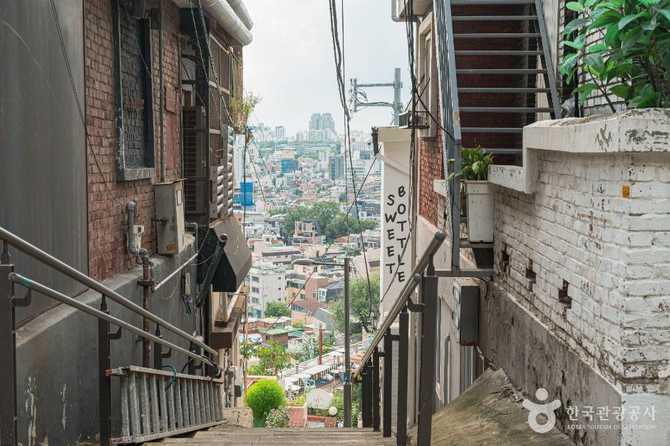
- Major attractions include 108 Steps and traditional alleyways
- Urban renewal projects since 2021 have improved accessibility and infrastructure
- Located in Yongsan District with easy access via public transportation
- Popular filming location for Korean dramas and movies
- Tips & cautions
-
- Wear comfortable shoes for walking through narrow alleys and hills
- Check latest updates on urban development projects before visiting
- Use public transportation as parking is limited
- Be mindful of steep slopes and uneven pathways
- Explore local cafes and shops for a full experience
- Bottom line
- Haebangchon Village offers a captivating mix of history, culture, and modern urban renewal, making it a must-see destination in Seoul.
Welcome to our comprehensive guide on Haebangchon Village, a neighborhood in Seoul that beautifully blends its historical roots with contemporary urban development. Located in the Yongsan District, Haebangchon has become a symbol of Seoul’s resilience and creativity, attracting visitors from around the world. This area, once a humble settlement of war-displaced residents and returnees after Korea’s liberation in 1945, has evolved into a vibrant community filled with cultural landmarks, trendy cafes, and scenic spots.

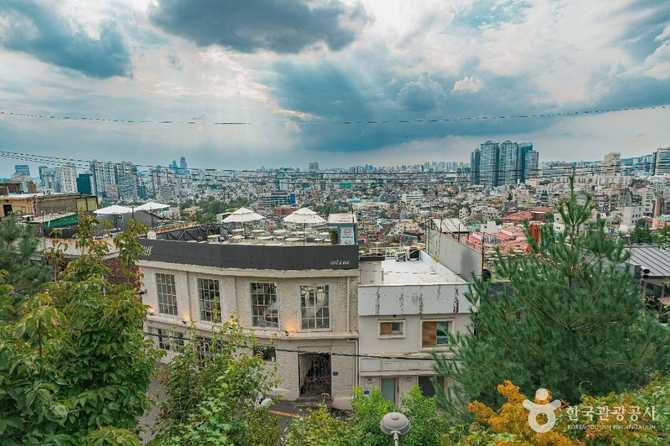
Whether you’re a history enthusiast, a drama fan, or simply seeking a unique neighborhood to explore, Haebangchon offers something for everyone. Its narrow alleyways, iconic 108 Steps, and panoramic views of Seoul provide perfect backdrops for memorable photos and leisurely strolls. Recent urban renewal efforts, initiated in 2021, have significantly improved accessibility and infrastructure, making it easier to enjoy all that this neighborhood has to offer. From upgraded pathways to new cultural spaces, Haebangchon is now more welcoming than ever.
Planning your visit? This guide will help you navigate the neighborhood’s key attractions, understand its historical significance, and make the most of your trip. Whether you arrive by subway or bus, find the best spots for sightseeing, or discover local dining options, you’ll gain valuable insights to ensure a memorable experience. Keep in mind that the neighborhood’s ongoing development means some areas may still be changing, so checking the latest updates before your visit is recommended.

Overview of Haebangchon’s Historic and Cultural Background
Haebangchon, often referred to as Seoul’s iconic historic neighborhood, is a vibrant area with a rich past that dates back to the aftermath of Korea’s liberation in 1945. This neighborhood, nestled in the Yongsan District, is renowned for its unique blend of history and modern urban renewal, making it a must-visit destination for travelers interested in Seoul’s cultural evolution. The focus keyword, Haebangchon history, encapsulates the neighborhood’s journey from a humble settlement of displaced residents to a lively cultural hotspot.
Originally, Haebangchon was established as a settlement for Koreans who returned from abroad or were displaced during the tumultuous period following Korea’s liberation from Japanese rule. Many of these residents settled on the hills beneath Namsan Mountain, creating narrow alleyways and hillside homes that still characterize the neighborhood today. The area’s architecture reflects its history, with traditional Korean houses standing alongside more modern structures, illustrating its ongoing transformation.
Throughout the decades, Haebangchon experienced rapid urbanization, especially during the 1970s and 1980s, as part of Seoul’s broader development plans. Despite modernization efforts, the neighborhood retained its distinctive charm, with steep slopes, winding alleys, and a close-knit community atmosphere. The Korean War and subsequent economic growth significantly influenced the neighborhood’s demographic makeup, leading to a diverse population that includes long-time residents, artists, and young professionals.

In recent years, Haebangchon has undergone a renaissance, driven by city-led urban renewal projects starting in 2021. These initiatives aimed to preserve its historical character while improving infrastructure and accessibility. Notably, the installation of escalators and the development of themed streets have made the neighborhood more tourist-friendly, attracting visitors from around the world. Today, Haebangchon stands as a testament to Seoul’s resilience and creative spirit, offering an authentic glimpse into Korea’s past and present.
Comparison of Key Attractions and Filming Locations in Haebangchon
| Attraction / Location | Features | Highlights |
|---|---|---|
| 108계단 (108 Steps) | Steep staircase with escalator, scenic views | Popular filming spot, offers panoramic city views, historical significance |
| Traditional Alleyways | Narrow, winding paths with old Korean houses | Ideal for photography and exploring local culture |
| Cafes and Eateries | Trendy cafes, traditional Korean restaurants | Perfect for relaxing and tasting local flavors |
| Urban Renewal Streets | Themed streets with murals, modern amenities | Showcases recent redevelopment efforts and cultural vibe |
| Filming Locations | Popular dramas and movies shot here | A must-visit for fans of Korean dramas, offers iconic backdrops |
Urban Renewal and Recent Changes in Haebangchon
- 2021 Urban Renewal Projects: Major efforts to enhance accessibility and infrastructure, including the installation of escalators on steep slopes and the development of themed streets that highlight local history and art.
- Infrastructure Improvements: Upgrades to walkways, installation of street lighting, and beautification efforts to preserve the neighborhood’s charm while making it more visitor-friendly.
- Community Engagement: Initiatives to involve local residents in planning, ensuring that redevelopment respects the neighborhood’s cultural heritage and promotes local businesses.
- Key Attractions Post-Renewal: The addition of the escalator at 108계단 has significantly improved accessibility, especially for elderly visitors. The themed streets now feature murals and cultural installations that attract both tourists and photographers.
- Tips & Warnings:
Be aware that construction or maintenance work may still be ongoing in certain areas. Check the latest updates before your visit to avoid inconvenience.
Visitor Information and Facilities in Haebangchon
For a smooth and enjoyable visit to Haebangchon, it’s helpful to know about transportation options, available amenities, and local services. The neighborhood’s accessibility via public transportation makes it convenient for travelers to explore without the hassle of parking. Numerous cafes, restaurants, and small shops line the streets, providing a perfect setting for relaxing breaks and authentic Korean dining experiences. Here’s a detailed overview of visitor facilities and useful contact information.

Visitor Facilities in Haebangchon
- Transportation
-
- Subway: The closest station is Yongsan Station (Line 1 and Gyeongui-Jungang Line), approximately a 10-minute walk to Haebangchon.
- Bus: Several bus routes serve the area, with stops near Yongsan Station and along main streets.
- Taxi: Taxis are readily available, offering convenient access from major points in Seoul.
- Tourist Information
-
- Yongsan Tourist Information Center: Located at Yongsan Station, offering maps, brochures, and detailed neighborhood guides.
- Contact: 070-4224-4597
- Hours: Open year-round, 24/7 access to information and assistance.
- Facilities and Amenities
-
- Cafes & Restaurants: Wide selection from trendy cafes to traditional Korean eateries.
- Convenience Stores: Available in the neighborhood for quick snacks and essentials.
- Public Restrooms: Located near major attractions and along main streets.
- Wi-Fi & Charging Stations: Many cafes and public spaces offer free Wi-Fi; some have charging ports for devices.
Before visiting, it’s recommended to check the latest updates on opening hours or any ongoing maintenance work, especially if planning to visit specific attractions or enjoy certain facilities. The neighborhood’s vibrant atmosphere and scenic spots promise a memorable experience, so preparing ahead ensures a smooth trip.
Practical Tips for Visiting Haebangchon
- Wear Comfortable Shoes: The neighborhood features narrow alleys, steep slopes, and uneven pathways, so sturdy, comfortable footwear is essential.
- Plan Your Route: Use maps or navigation apps to navigate the hillside streets efficiently, especially if you want to visit multiple attractions.
- Check Latest Updates: Urban renewal projects and maintenance work may affect accessibility; verify current conditions via official sources or local guides.
- Use Public Transportation: Parking is limited, and public transit is the most convenient way to reach Haebangchon. Consider subway or bus options for ease and speed.
- Visit During Daylight: While the neighborhood is safe, exploring during daylight ensures better visibility and safety, especially when walking through narrow or hilly areas.
- Bring Essentials: Carry water, a hat, sunscreen, and personal items, as some areas lack shade or facilities.
- Respect Local Culture: Be mindful of residents’ privacy and local customs, especially when taking photos in residential alleyways.
- Check for Events or Festivals: Occasionally, local events or cultural festivals are held, offering additional opportunities for unique experiences.
- Stay Updated: Neighborhood changes are ongoing; consult official tourism websites or local guides for the latest information before your visit.
Whether you visit during the day or evening, Exploring Haebangchon Village is a meaningful stop on any Seoul itinerary for history-minded travelers.
Frequently Asked Questions (FAQ)
Q1: What is the historical background of Haebangchon?
Haebangchon developed after Korea’s liberation in 1945, as displaced residents and returnees settled on the hills beneath Namsan Mountain. It reflects a mix of traditional Korean housing and modern structures, shaped by Korea’s post-war urbanization.

Q2: What are the main attractions and filming locations in Haebangchon?
Key attractions include the iconic 108 Steps, traditional alleyways, and themed streets with murals. It is also a popular filming site for Korean dramas and movies, offering scenic views and authentic neighborhood scenery.
Q3: How can I visit Haebangchon easily?
Haebangchon is accessible via public transportation, especially from Yongsan Station or nearby subway lines. Parking is limited, so using buses or the subway is recommended for convenience.
Q4: What recent changes have been made to Haebangchon through urban renewal projects?
Since 2021, improvements include installing escalators on steep slopes, renovating alleyways, and creating themed streets with murals. These efforts aim to enhance accessibility and preserve the neighborhood’s cultural charm.
Q5: What should I keep in mind when visiting Haebangchon?
Wear comfortable shoes for walking on narrow alleys and hilly terrain. Check the latest information on ongoing construction or maintenance before your visit to avoid inconvenience.
Q6: What facilities and amenities are available in Haebangchon?
The neighborhood offers numerous cafes, restaurants, and small shops. The nearby Yongsan Tourist Information Center provides additional travel assistance and local maps for visitors.
Final Tips for Visiting Haebangchon
Exploring Haebangchon offers a unique opportunity to immerse yourself in Seoul’s rich history while enjoying contemporary urban renewal. To make the most of your visit, plan ahead by checking the latest updates on local attractions and infrastructure improvements, especially since ongoing development projects can influence accessibility and available facilities. Wearing comfortable shoes is highly recommended, as many of the neighborhood’s charming alleyways and steep slopes require good footwear for walking and exploring. Public transportation is the most convenient way to reach Haebangchon, given the limited parking options in the area. The neighborhood’s recent enhancements, such as escalators and themed streets, have made it more visitor-friendly, but some areas may still be under maintenance, so staying informed is essential.
Take time to explore the iconic 108계단 and traditional alleyways, where you can enjoy scenic views and capture memorable photos. Don’t forget to visit local cafes and eateries to experience authentic Korean flavors and relax after your walk. As the neighborhood continues to evolve, staying updated through official tourism websites or local guides will ensure you have the latest information for a smooth visit. Whether you’re interested in history, photography, or simply soaking in Seoul’s vibrant atmosphere, Haebangchon promises a memorable experience that beautifully combines its past with modern charm. Prepare well, and enjoy discovering this special neighborhood in Seoul.