

출처 : ⓒ한국관광콘텐츠랩 또는 ⓒ한국관광공사
Discover the Historic Yeongjik Lee Gyeongjik Tomb in Gwanak Mountain, Seoul
Location 서울특별시 관악구 남현동 산 57-48
Are you interested in exploring Korea’s rich cultural heritage? Visiting the Yeongjik Lee Gyeongjik Tomb offers a unique glimpse into the Joseon Dynasty’s scholarly and political history. Located in the scenic Gwanak Mountain area of Seoul, this historic site provides valuable insights into Korea’s past, making it a must-visit for history enthusiasts, cultural tourists, and researchers alike.
In this guide, you’ll learn about the significance of Yeongjik Lee Gyeongjik’s tomb, its historical background, architectural features, and how to plan your visit. Whether you’re a student of Korean history, a cultural traveler, or someone seeking to deepen your understanding of Joseon-era heritage, this site offers a meaningful experience. The tomb, established in 1668, is managed by the Gwanak District Office and is freely accessible year-round, making it an easy addition to your cultural itinerary in Seoul.
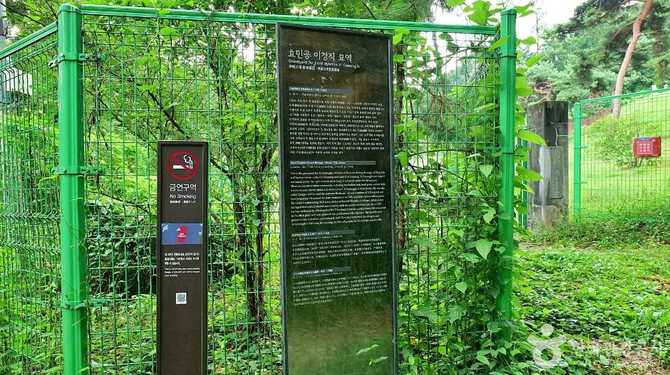
At a glance
- Who this is for
-
- Visitors interested in Korea’s Joseon Dynasty history
- Researchers studying Korean cultural heritage
- Tourists exploring Gwanak Mountain and Seoul’s historic sites
- Students and scholars of Korean political and scholarly figures
- Key takeaways
-
- The tomb was built in 1668 to honor scholar and official Lee Gyeongjik
- Managed by Gwanak District Office and open free of charge
- Includes historical inscriptions by notable calligraphers
- Provides important insights into Joseon-era burial customs and scholarly life
- Accessible year-round, with no parking facilities—public transportation recommended
- Tips & cautions
-
- Use public transport as parking is unavailable
- Visit during good weather for a better experience
- Respect the natural environment and historical artifacts
- Check for any maintenance or special events before visiting
- Bottom line
- Visiting the Yeongjik Lee Gyeongjik Tomb offers a meaningful opportunity to connect with Korea’s Joseon Dynasty history and cultural heritage, free and accessible all year round.
Are you eager to explore Korea’s historical sites? The Yeongjik Lee Gyeongjik Tomb in Gwanak Mountain is a significant cultural heritage site that offers a window into Korea’s scholarly and political past during the Joseon Dynasty. Located in Seoul’s Gwanak District, this tomb is not only a place of remembrance but also a valuable historical resource for understanding traditional burial customs and Joseon-era societal structure.
Constructed in 1668, the tomb commemorates Lee Gyeongjik, a renowned scholar and government official who served during the mid-Joseon period. Managed by the Gwanak District Office, the site is open year-round and free to the public, making it an ideal destination for cultural tourists, history buffs, and students. Visitors can appreciate the well-preserved tomb architecture, inscriptions by famous calligraphers, and the tranquil natural surroundings that reflect Korea’s reverence for scholarly figures.

Whether you are planning a dedicated historical tour or a casual visit to Gwanak Mountain, the Yeongjik Lee Gyeongjik Tomb provides a profound connection to Korea’s rich heritage. This guide will help you understand the site’s importance, how to visit, and what to expect, ensuring a rewarding experience exploring Korea’s cultural treasures.
Historical Background of Lee Gyeongjik and His Tomb
The Yeongjik Lee Gyeongjik Tomb, located on Gwanak Mountain, is an important cultural heritage site that commemorates a distinguished scholar and government official from the Joseon Dynasty. Lee Gyeongjik was a prominent mid-Joseon period figure known for his contributions to Korean politics, Confucian scholarship, and public service. His life and achievements are deeply embedded in Korea’s history, making his tomb a vital historical resource for understanding the political and cultural landscape of 17th-century Korea.
Lee Gyeongjik served in various official positions, including as a local governor and a scholar who promoted Confucian ideals. His dedication to governance and education helped shape the societal values of his time. The tomb was constructed in 1668, during the reign of King Hyeonjong, as a mark of respect and remembrance for his contributions. It reflects the burial customs and cultural practices of the Joseon era, emphasizing filial piety and scholarly reverence.

The tomb’s inscriptions and accompanying stone tablets provide valuable insights into the historical context of the period. The biographical inscriptions, written by notable scholars such as Kim Ryu, detail Lee Gyeongjik’s life achievements and moral virtues. The calligraphy by master artist Lee Jeong-yeong further enhances its cultural significance. The site’s preservation offers a window into the Joseon Dynasty’s funeral rites, societal hierarchy, and reverence for scholarly figures.
Today, the Lee Gyeongjik Tomb is recognized as a designated cultural asset, illustrating the importance of preserving Korea’s scholarly and political history. It serves as a tangible reminder of the Joseon Dynasty’s emphasis on Confucian values, governance, and education. Visitors and researchers alike visit this site to explore the life of Lee Gyeongjik and to gain a deeper understanding of Korea’s historical development during the 17th century.

Architectural Features and Significance of the Tomb
| Feature | Description | Remarks |
|---|---|---|
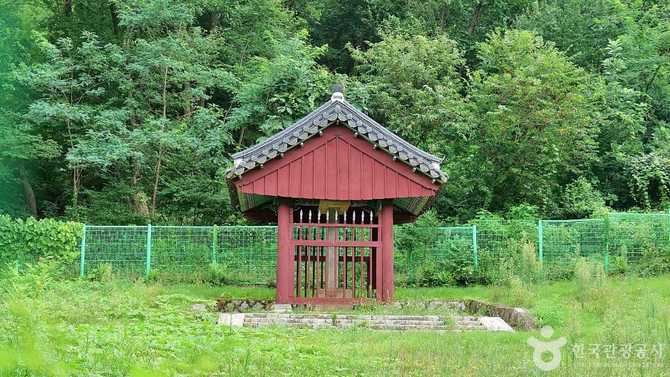
| Tomb Structure | A rectangular stone platform with a stone burial chamber beneath | Reflects traditional Joseon tomb architecture |
| Main Stone Tablet | Inscribed with biographical details and moral virtues of Lee Gyeongjik | Created by Kim Ryu, a renowned calligrapher |
| Biographical Inscriptions | Carved on stone tablets, detailing Lee Gyeongjik’s life and contributions | Authored by notable scholars, emphasizing scholarly respect |
| Surrounding Environment | Natural and tranquil setting on Gwanak Mountain | Enhances the contemplative atmosphere of the site |
| Materials Used | Granite and traditional stone materials | Durable and historically authentic |
The architectural features of the Lee Gyeongjik Tomb exemplify the traditional Joseon Dynasty burial aesthetics, emphasizing harmony with nature and scholarly dignity. The stone structures, inscriptions, and layout reflect the cultural values of Confucianism and filial piety, making it a significant cultural asset and a valuable case study for researchers studying Korean funerary architecture.
Cultural Value and Preservation of the Lee Gyeongjik Tomb
- Historical Significance: The tomb is a key site for understanding Joseon Dynasty scholarly and political history, especially in the context of Confucian ideals and governance.
- Architectural Heritage: It exemplifies traditional Joseon tomb architecture, preserving construction techniques and design principles from the 17th century.
- Educational Resource: The site serves as an important educational tool for students, scholars, and visitors interested in Korea’s cultural heritage.
- Research Value: The inscriptions, biographical records, and structural features provide rich data for academic research on Joseon-era burial customs and societal values.
- Protection Status: Recognized as a designated cultural asset, the tomb is protected under Korean cultural heritage laws, ensuring its preservation for future generations.
Visitor Information and Guidelines for Yeongjik Lee Gyeongjik Tomb
Planning your visit to the Yeongjik Lee Gyeongjik Tomb ensures a respectful and enjoyable experience. The site is managed by the Gwanak District Office and is open year-round without any admission fee. To make the most of your visit, please review the following guidelines and tips.
- Opening Hours: The tomb is accessible at any time, 24 hours a day, throughout the year.
- Accessibility: The site is open to the public at all times; no specific visiting hours are enforced.
- Parking: There are no designated parking facilities on-site. Visitors are encouraged to use public transportation.
- Transportation: The most convenient way to visit is via bus or subway. The nearest subway station is Gwanak Station (Line 1), with bus stops nearby connecting to various parts of Seoul.
- Behavior Guidelines: Please maintain a respectful attitude, avoid loud noises, and refrain from damaging any structures or inscriptions.
- Environmental Care: Keep the natural surroundings clean by disposing of trash properly and not disturbing the flora and fauna.
- Photography: Photography is permitted, but please avoid using flash to protect inscriptions and artifacts.
- Special Events and Maintenance: Occasionally, the site may undergo maintenance or host special events. It is advisable to check the official website or contact the Gwanak District Office before your visit.
Additional Resources and Contact Information
- Contact for Inquiries: Gwanak District Office, Cultural Tourism and Sports Division
Phone: 02-879-5607 - Official Website: https://www.gwanak.go.kr
- Address: Seoul Special City, Gwanak-gu, Namhyeon-dong, San 57-48
- Best Visiting Method: Use public transportation—bus or subway—for convenient access, as there is no parking available.
- Check transportation options and plan your route in advance.
- Verify weather conditions before your visit to ensure comfort.
- Wear respectful attire suitable for a cultural heritage site.
- Bring water and sun protection if visiting during hot weather.
- Ensure your camera or smartphone is charged for photos.
- Follow all guidelines to preserve the site’s integrity.
- Refrain from touching inscriptions or damaging structures.
- Dispose of trash properly and leave the site clean.
- Confirm any scheduled maintenance or special events by contacting the district office.
Whether you visit during the day or evening, Discover the Historic Yeongjik Lee is a meaningful stop on any Seoul itinerary for history-minded travelers.
Frequently Asked Questions (FAQ)
Q1: When is the Yeongjik Lee Gyeongjik Tomb open to visitors?
The tomb is open year-round and accessible at any time, 24 hours a day, with no restrictions. Visitors can come at their convenience without any scheduled closures.
Q2: Is there parking available at the site?
No, there are no parking facilities at the tomb. Visitors are recommended to use public transportation such as buses or the subway for easier access.

Q3: What is the historical significance of the Yeongjik Lee Gyeongjik Tomb?
The tomb commemorates Lee Gyeongjik, a prominent scholar and government official of the Joseon Dynasty. It provides valuable insights into 17th-century Korean political, scholarly, and burial customs.
Q4: Are there any guidelines for respectful behavior during the visit?
Yes, visitors should maintain a quiet demeanor, avoid damaging the site, and refrain from disturbing the natural environment. Photography is allowed but should be done quietly and without flash.
Q5: How can I get more information or make inquiries about the site?
For more details, contact the Gwanak District Office’s Cultural Tourism and Sports Department at 02-879-5607 or visit their official website at https://www.gwanak.go.kr.
Q6: Is there an entrance fee to visit the Yeongjik Lee Gyeongjik Tomb?
No, the site is freely accessible to the public, and there is no admission charge. Anyone can visit the tomb at any time without cost.
Conclusion: Experience the Historical Significance of Yeongjik Lee Gyeongjik Tomb in Gwanak Mountain, Seoul
Visiting the Yeongjik Lee Gyeongjik Tomb in Gwanak Mountain, Seoul offers a unique opportunity to connect with Korea’s rich cultural and scholarly heritage. This historic site, built in 1668, stands as a testament to the life and achievements of one of the Joseon Dynasty’s distinguished scholars and officials. Its well-preserved architecture, inscriptions, and tranquil natural surroundings provide visitors with a meaningful glimpse into Korea’s past, emphasizing Confucian values and traditional burial customs.
Whether you are a history enthusiast, a researcher, or a curious traveler exploring Seoul’s cultural treasures, this tomb is an accessible and enriching destination. Managed by the Gwanak District Office and open year-round free of charge, it invites everyone to explore Korea’s history at their own pace. Remember to use public transportation, as parking facilities are unavailable, and always approach the site with respect for its cultural significance. Visiting the Yeongjik Lee Gyeongjik Tomb will deepen your understanding of Korea’s Joseon Dynasty and its enduring legacy, making it a truly rewarding experience for all who seek to learn more about Korea’s historical and cultural landscape.