

출처 : ⓒ한국관광콘텐츠랩 또는 ⓒ한국관광공사
Eunpyeong Hanok Village: Discover Seoul’s Hidden Traditional Charm
Location 서울특별시 은평구 연서로50길 7-10 (진관동)
Location 서울특별시 은평구 연서로50길 7-10 (진관동)
Looking for an authentic cultural experience in Seoul that beautifully blends traditional architecture with modern amenities? Eunpyeong Hanok Village offers visitors a unique opportunity to explore Korea’s heritage within a contemporary setting, making it a must-visit destination for travelers interested in traditional Korean houses and local culture.
At a glance
- Who this is for
-
- Travelers interested in traditional Korean hanok architecture
- Visitors seeking cultural and historical experiences in Seoul
- Researchers exploring modern adaptations of hanok design
- Families and individuals looking for scenic walks and cultural immersion
- Key takeaways
-
- Modern hanok village located in Seoul’s Eunpyeong District
- Features privately owned hanok buildings with potential for interior visits with permission
- Open year-round with free admission and parking facilities
- Offers scenic walking paths blending nature and traditional architecture
- Limited interior access due to residents’ privacy, but some houses permit visits upon prior approval
- Tips & cautions
-
- Respect residents’ privacy; interior visits require permission
- Avoid trespassing on private property or restricted areas
- Visit quietly and responsibly, maintaining the peaceful atmosphere
- No commercial facilities are available on-site
- Check ahead with owners for interior tour permissions
- Bottom line
- Eunpyeong Hanok Village is a distinctive cultural spot in Seoul where tradition meets modern living, offering a serene escape into Korea’s architectural heritage.
Are you eager to explore a unique blend of Korea’s traditional and modern architecture? Eunpyeong Hanok Village, located in Seoul’s Eunpyeong District, provides an authentic experience of Korean hanok houses amidst scenic natural surroundings. Unlike other hanok villages, this modern development allows individual ownership of hanok buildings, making it a living cultural space that reflects contemporary adaptations of traditional architecture.
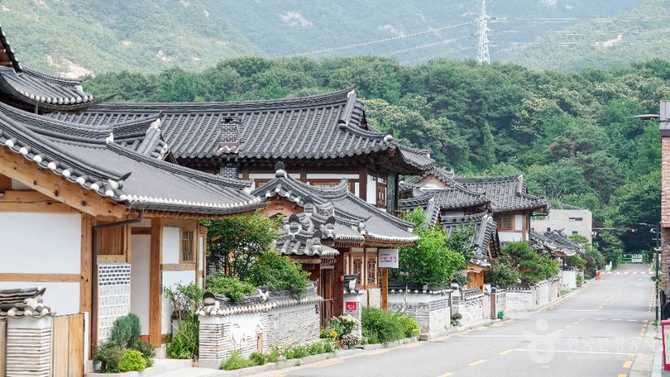
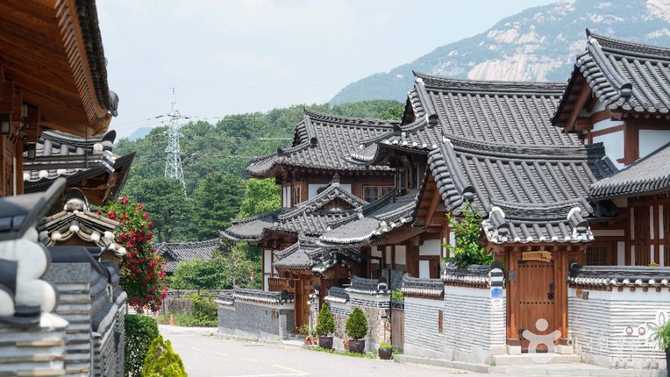
Visitors can stroll along peaceful pathways lined with hanok homes, some of which are open to the public with prior permission from owners. The village is open all year round, free of charge, and offers ample parking, making it an accessible destination for families, cultural enthusiasts, and researchers alike. While interior visits are limited due to residents’ privacy, the village’s external beauty and scenic environment provide plenty of opportunities for memorable photos and cultural immersion.
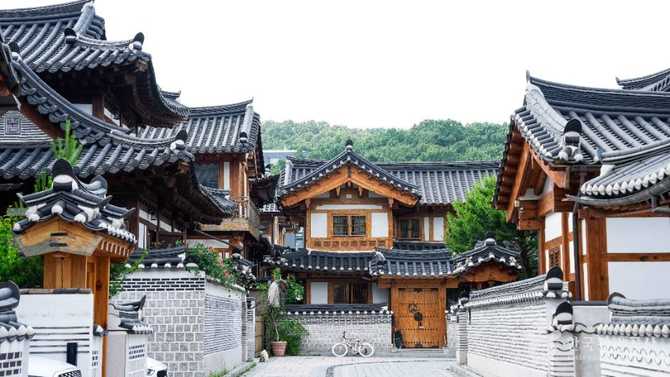
This guide aims to introduce you to Eunpyeong Hanok Village’s unique features, how to visit responsibly, and what to expect during your trip. Whether you’re interested in traditional Korean architecture, natural scenery, or simply seeking a quiet place to enjoy Seoul’s cultural landscape, this hidden gem offers a compelling experience. Read on to discover the essential information for planning your visit to this charming hanok village in Seoul.
Eunpyeong Hanok Village Overview and Location
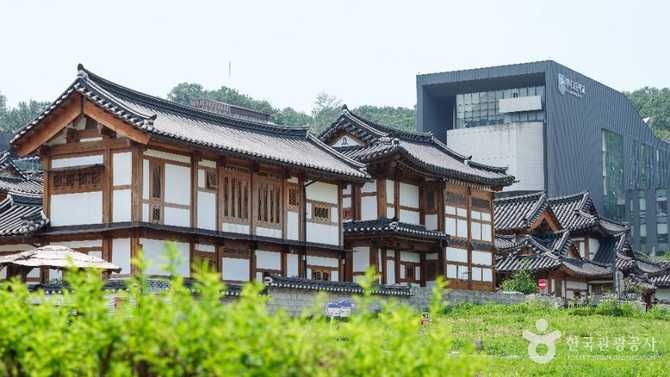
Eunpyeong Hanok Village is a modern yet traditional Korean hanok village situated in the northwest part of Seoul, specifically within Eunpyeong District. This unique cultural space blends the timeless beauty of traditional hanok architecture with contemporary living, offering visitors an authentic glimpse into Korea’s architectural heritage amidst scenic natural surroundings. Unlike older hanok villages, Eunpyeong Hanok Village is a newly developed area that provides residents with the opportunity to personally own and build hanok homes, making it a living, breathing community rather than just a tourist attraction.
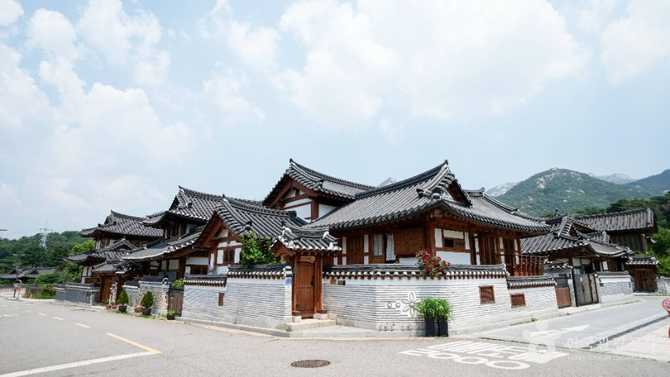
The village is located at 7-10 Yeonse-ro 50-gil, Jingan-dong, Seoul. It is accessible via public transportation and car, with ample parking available for visitors. Surrounded by lush mountains and natural scenery, the village offers a peaceful escape from the bustling city life of Seoul. The area is also close to other cultural sites and natural parks, making it an ideal destination for those interested in combining cultural exploration with outdoor activities.
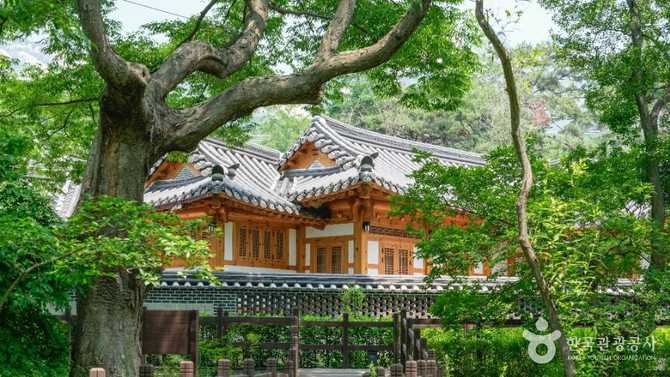
Eunpyeong Hanok Village is designed to be a sustainable and community-oriented space, where traditional architecture is preserved and adapted to modern needs. Visitors can enjoy walking along scenic paths lined with hanok houses, some of which are open to the public with prior permission from the owners. The village operates year-round and is free of charge, making it accessible for everyone interested in Korea’s traditional culture. Whether you are a cultural enthusiast, a researcher, or a family looking for a relaxing day out, Eunpyeong Hanok Village provides a unique opportunity to experience Korea’s rich architectural and cultural heritage in a contemporary setting.
Comparison of Hanok Ownership and Architectural Features
| Aspect | Private Ownership | Public/Visitor Access |
|---|---|---|
| Ownership | Individual ownership of land and hanok buildings, allowing for custom design and construction | Visitors can view exteriors freely; interior access requires permission from owners |
| Construction Flexibility | High flexibility; owners can design and modify hanok according to personal preferences within regulations | Limited; interior visits are only possible with prior approval |
| Accessibility | Private; not generally accessible to the public unless permitted | Open to public for external viewing; interior access restricted |
| Facilities | Private residences with modern amenities integrated into traditional design | Commonly includes scenic walking paths, cafes, and cultural spaces |
| Operation | Ownership and residence are private; community management varies | Publicly accessible, open year-round, free of charge |
This comparison highlights how Eunpyeong Hanok Village uniquely combines private ownership of traditional homes with public accessibility, allowing visitors to enjoy Korea’s architectural heritage while respecting residents’ privacy. The flexibility in construction and design makes it a distinctive place where traditional aesthetics meet modern lifestyle needs.
Visitor Information and Facilities Checklist
- Opening Hours: Open year-round, 24/7 accessible for outdoor strolls and sightseeing.
- Admission: Free of charge for all visitors.
- Parking: Ample parking facilities available on-site for visitors arriving by car.
- Accessibility: Walking paths are well-maintained and suitable for all visitors, including families with children.
- Interior Visits: Require prior permission from homeowners; not generally available without arrangement.
- Facilities: Scenic walking trails, small cafes, and photo spots are available for visitors.
- Transportation: Accessible via Seoul Subway Line 3 or bus routes; nearest station is Gupabal Station.
- Additional Tips: Respect residents’ privacy, keep noise levels down, and dispose of trash responsibly.
Guidelines for Visiting Eunpyeong Hanok Village Responsibly
When planning your visit to Eunpyeong Hanok Village, it is important to respect the privacy of residents and adhere to local guidelines to ensure a harmonious experience for everyone. As this area is primarily a residential community, visitors should follow proper etiquette and be mindful of their surroundings. Below are essential guidelines to help you enjoy your visit responsibly:
| Guideline | Details |
|---|---|
| Respect Private Property | Always seek permission from homeowners before attempting to enter any hanok or private area. Do not trespass or disturb residents. |
| Maintain Quietness | Keep noise levels low to preserve the peaceful atmosphere of the community. |
| No Commercial Activities | Refrain from conducting commercial activities or selling goods within the village to respect residents’ privacy. |
| Environmental Responsibility | Dispose of trash properly, avoid littering, and help keep the area clean and beautiful. |
| Photography Etiquette | Photograph exteriors freely, but always ask for permission before taking photos of residents or inside private hanok spaces. |
| Emergency Contact | In case of emergencies, contact the local management at 02-351-6114 for assistance. |
Following these guidelines ensures that visitors can enjoy the cultural beauty of Eunpyeong Hanok Village while respecting the privacy and comfort of its residents. Responsible tourism helps preserve this unique community for future generations.
Additional Tips and Contact Details for Visiting Eunpyeong Hanok Village
- Pre-Visit Communication: If you wish to visit inside any hanok, contact the property owners in advance to request permission. This can often be arranged through local community centers or via the contact number below.
- Best Visiting Times: Early mornings or late afternoons are ideal for peaceful walks and photography, avoiding peak hours.
- Transport Options: The nearest subway station is Gupabal Station on Seoul Subway Line 3. From there, you can take a local bus or taxi to the village entrance.
- Parking: Ample parking is available at the site, but consider using public transportation to reduce environmental impact.
- Visitor Facilities: While the village itself has no commercial shops, nearby cafes and convenience stores are accessible for refreshments and supplies.
- Contact Information: For inquiries or to arrange interior visits, contact the Eunpyeong Hanok Village management at:
Address: 7-10 Yeonse-ro 50-gil, Jingan-dong, Seoul
Phone: 02-351-6114
Website: https://eptour.kr
Operation Hours: Open year-round, 24/7 for outdoor activities and sightseeing
Admission Fee: Free
Parking: Available on-site
By following these additional tips and utilizing the contact details provided, visitors can enhance their experience at Eunpyeong Hanok Village, ensuring a respectful and enjoyable visit. Planning ahead and communicating with local residents helps foster a positive environment where cultural appreciation and community life coexist harmoniously.
Frequently Asked Questions (FAQ)
Q1: What is Eunpyeong Hanok Village?
Eunpyeong Hanok Village is a modern traditional Korean hanok community located in Seoul’s Eunpyeong District. It features privately owned hanok houses that blend traditional architecture with contemporary living, offering an authentic cultural experience.
Q2: Can visitors enter the interior of the hanok houses?
Interior access is generally restricted to residents, but some owners may permit visits with prior permission. Most hanok buildings are private residences, so interior tours require approval from the owners.
Q3: Is there an admission fee to visit Eunpyeong Hanok Village?
No, Eunpyeong Hanok Village is open to the public free of charge. Visitors can enjoy walking along scenic paths and viewing the exterior of the hanok houses without any entrance fee.
Q4: How can I get permission to visit inside a hanok house?
To visit inside a hanok, it is recommended to contact the property owner in advance and request permission. Some owners may agree to allow interior visits if approached politely and with prior arrangement.
Q5: What are the operating hours of Eunpyeong Hanok Village?
The village is open year-round and accessible 24/7 for outdoor sightseeing and walking. There are no specific opening or closing hours for external viewing, but interior visits depend on owner permission.
Q6: How do I contact Eunpyeong Hanok Village for inquiries?
For inquiries, you can contact the village at 02-351-6114 or visit their official website at https://eptour.kr. The village is located at 7-10 Yeonse-ro 50-gil, Jingan-dong, Seoul.
Final Tips for Visiting Eunpyeong Hanok Village
Visiting Eunpyeong Hanok Village offers a unique opportunity to experience Korea’s rich cultural heritage in a modern yet traditional setting. To make the most of your trip, plan ahead by checking the weather forecast and wearing comfortable shoes, as scenic walking paths are a highlight of the area. Remember that this village is a residential community, so always respect residents’ privacy and adhere to guidelines for responsible tourism. If you wish to visit inside any hanok, be sure to contact the owners in advance to obtain permission, ensuring a smooth and respectful experience. Since the village is open year-round and free of charge, it’s an excellent destination for spontaneous visits or planned cultural outings. Bringing a camera is recommended to capture the beautiful architecture and scenic landscapes, but avoid disturbing residents or trespassing on private property. Whether you’re interested in traditional architecture, natural scenery, or simply seeking a peaceful place to relax, Eunpyeong Hanok Village provides a memorable cultural experience that highlights Korea’s harmonious blend of past and present. Enjoy your visit, and take home meaningful memories of Korea’s architectural beauty and tranquil atmosphere.