
출처 : ⓒ한국관광콘텐츠랩 또는 ⓒ한국관광공사
Visit the Yoon Dong-Ju Literature Museum: Korea’s Iconic Resistance Poetry Site
Location 서울특별시 종로구 창의문로 119 (청운동)
Location 서울특별시 종로구 창의문로 119 (청운동)
Discover the life and works of Korea’s renowned resistance poet, Yoon Dong-Ju, at the Yoon Dong-Ju Literature Museum—an inspiring cultural space that deepens your understanding of Korean literature and history.
At a glance
- Who this is for
-
- Readers interested in Korean literature and history
- Students and researchers exploring resistance poetry
- Travelers seeking cultural and historical experiences
- Anyone wanting to learn about Korea’s modern history and national spirit
- Key takeaways
-
- Established in 2012, located on Inwangsan Mountain in Seoul
- Housed in a renovated historic building that received public architecture awards
- Open year-round with free admission from 10:00 to 18:00
- Offers exhibitions and programs on Yoon Dong-Ju’s poetry and resistance spirit
- Accessible via public transportation; parking may be limited
- Tips & cautions
-
- Closed on Mondays, Lunar New Year, and Chuseok holidays
- Visit early to avoid crowds, especially on weekends and holidays
- Wear a mask and follow health protocols during your visit
- Check the official website or call for current hours and special exhibits
- Bottom line
- Experience Korea’s resistance poetry and history firsthand at the Yoon Dong-Ju Literature Museum, a meaningful cultural landmark in Seoul.
Embark on a journey into Korea’s modern history by visiting the Yoon Dong-Ju Literature Museum, a space dedicated to one of Korea’s most revered resistance poets. Located on the scenic slopes of Inwangsan Mountain, this museum offers visitors a unique opportunity to explore Yoon Dong-Ju’s poetic legacy and his role in Korea’s fight for independence during the Japanese occupation.
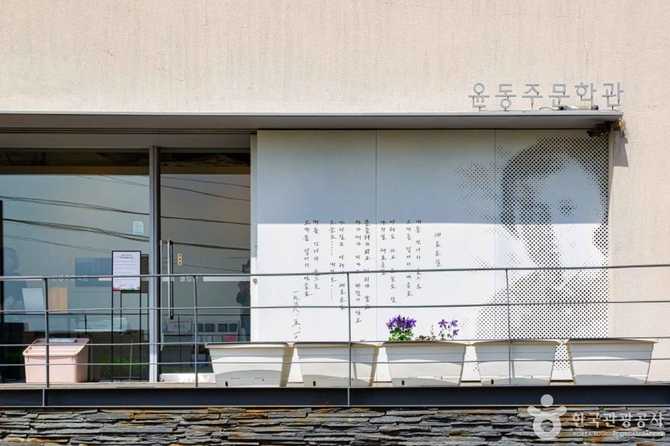
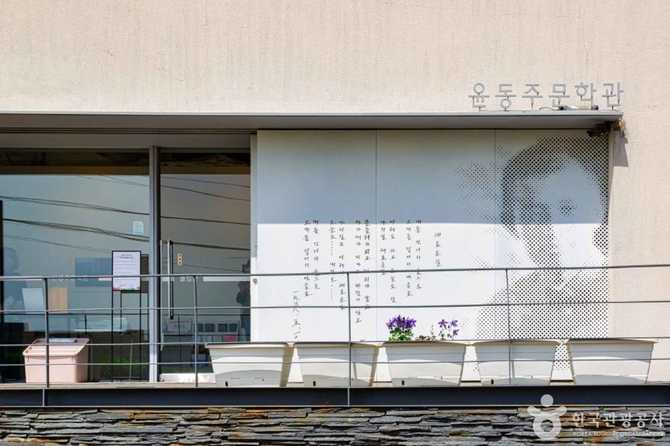
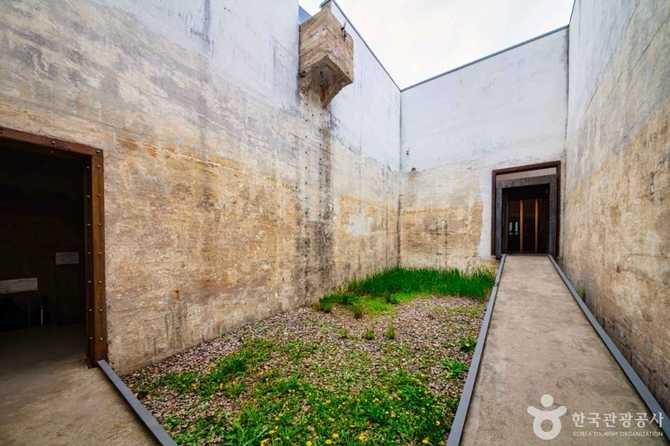
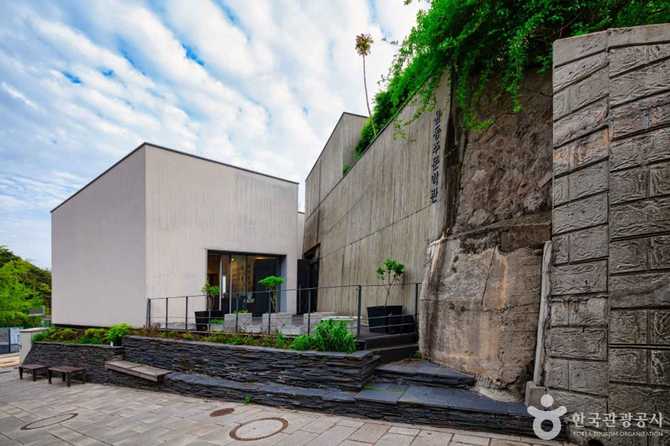
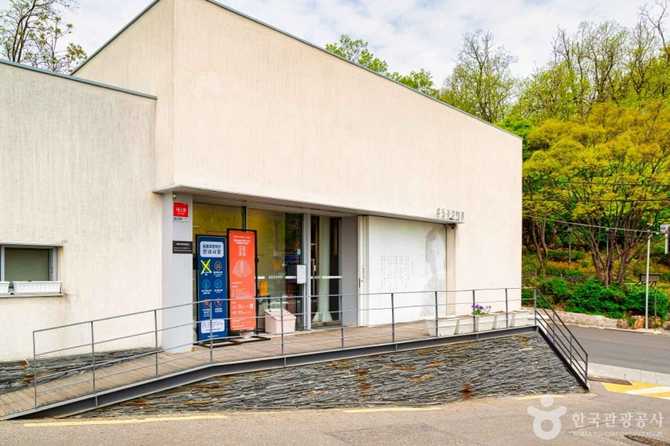
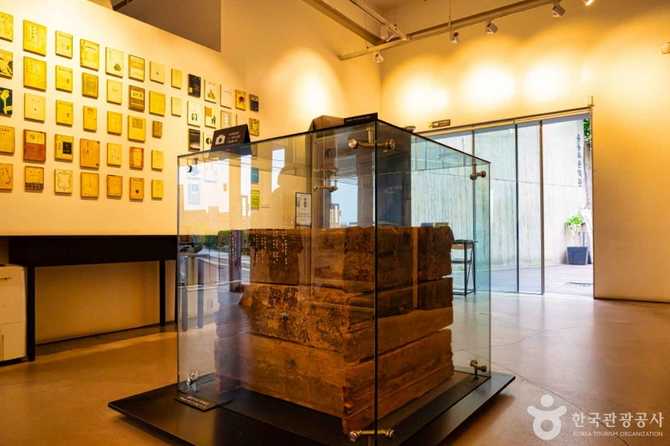
The Yoon Dong-Ju Literature Museum was established in 2012 to honor his life and works, transforming a historic site—originally a water supply facility—into a modern cultural space. The building’s architecture has received multiple awards, including the Public Architecture Award and Seoul Architecture Award, recognizing its blend of historical significance and contemporary design.
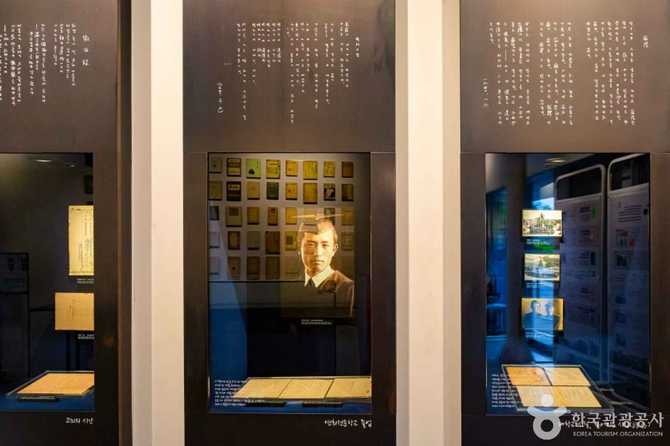
Visitors can enjoy free access to the museum throughout the year, with operating hours from 10:00 a.m. to 6:00 p.m. The museum hosts various exhibitions, educational programs, and special events that delve into Yoon Dong-Ju’s poetry, his resistance against oppression, and his enduring influence on Korean literature. Whether you are a student, researcher, or a traveler seeking cultural enrichment, the museum provides a comprehensive look into Korea’s turbulent yet inspiring modern history.
To make the most of your visit, it’s advisable to check the official website or contact the museum directly for current schedules and any special exhibits. While parking is available, it can be limited, so public transportation is recommended—bus and subway lines serve the nearby area conveniently. Remember to follow health protocols, including mask-wearing, to ensure a safe and enjoyable experience.
Overview of the Yoon Dong-Ju Literature Museum
The Yoon Dong-Ju Literature Museum is a dedicated cultural space in Seoul that celebrates the life and works of one of Korea’s most influential resistance poets. Established in 2012, this museum offers visitors an immersive experience into the poetic and patriotic spirit of Yoon Dong-Ju, who stood as a symbol of Korea’s fight for independence during the Japanese occupation. Located on the scenic slopes of Inwangsan Mountain, the museum is housed in a beautifully renovated historic building that once served as a water supply facility. This transformation blends historical preservation with modern architectural design, earning it prestigious awards such as the Public Architecture Award and Seoul Architecture Award.
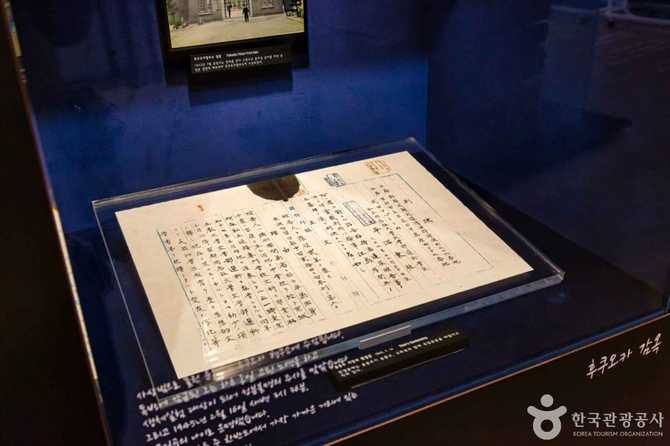
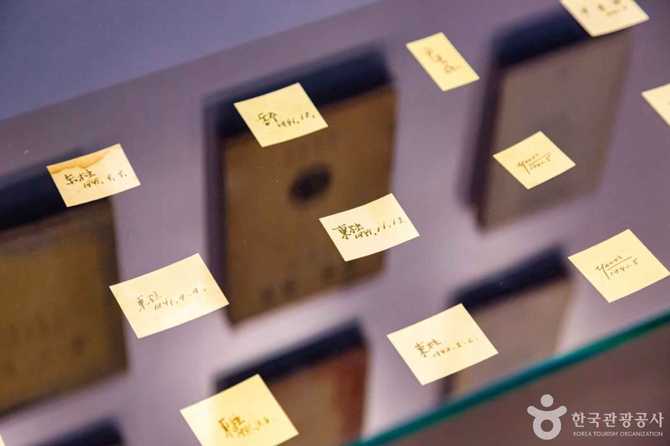
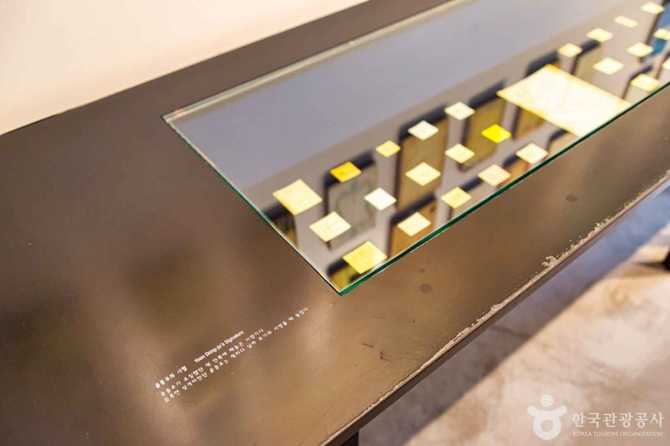
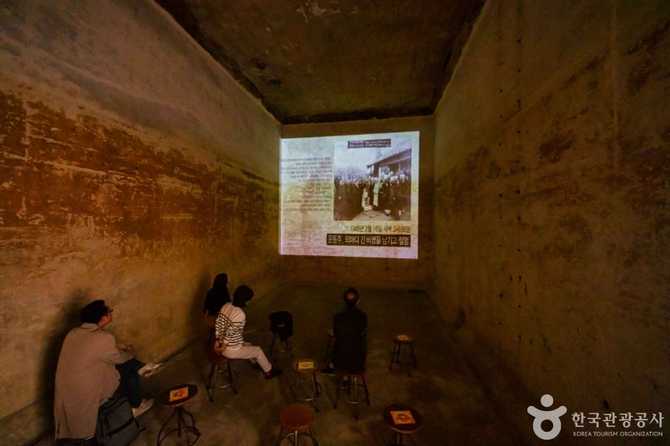
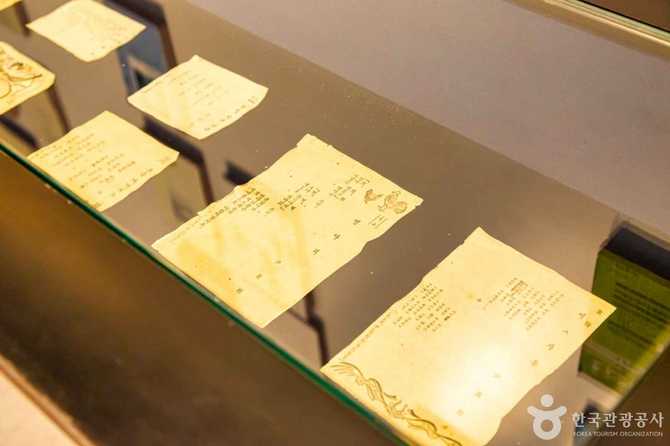
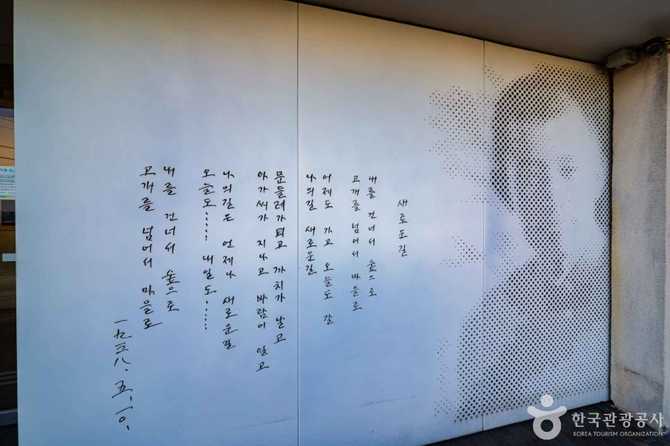
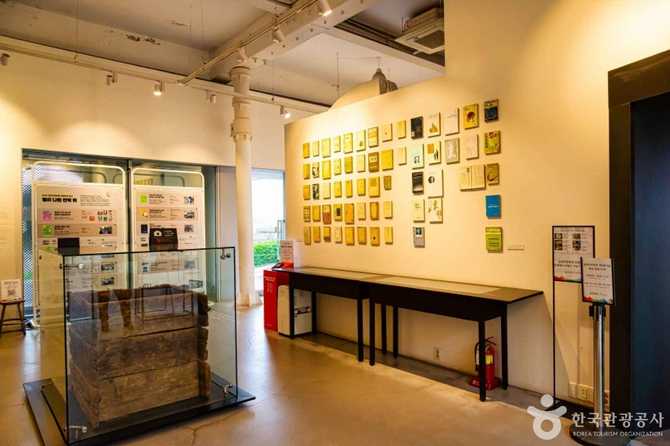
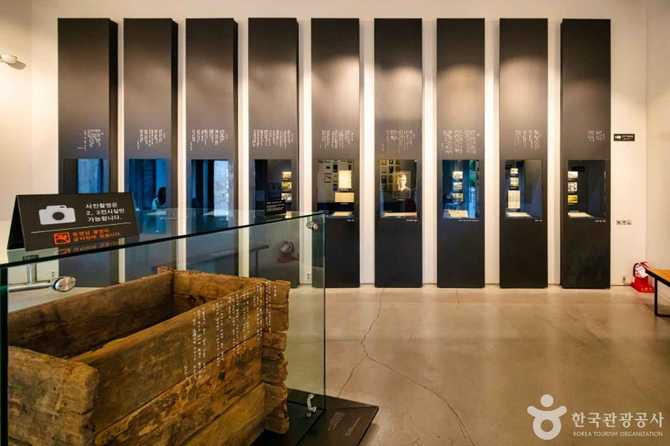
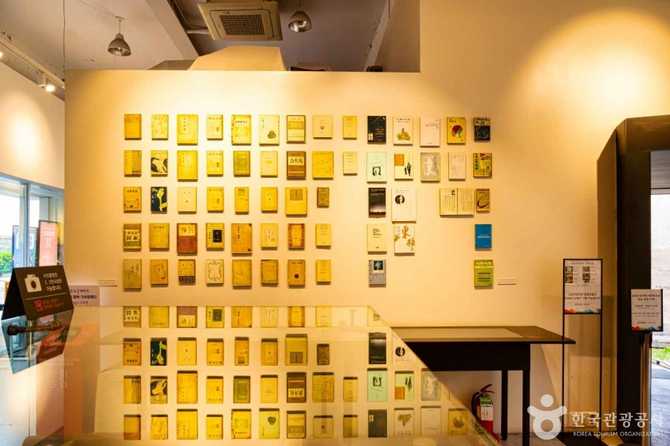
The museum’s core mission is to deepen understanding of Korea’s modern history through the lens of Yoon Dong-Ju’s poetry and resistance activities. Visitors can explore exhibitions that showcase his writings, personal artifacts, and the historical context of his life. The space is also used for educational programs, cultural events, and special exhibits that highlight Korea’s struggle for independence and the enduring relevance of resistance literature. Its location on Inwangsan Mountain offers a serene environment, perfect for reflection and appreciation of Korea’s cultural heritage.
Admission to the Yoon Dong-Ju Literature Museum is free, and it operates year-round from 10:00 a.m. to 6:00 p.m., with the last entry at 5:30 p.m. Visitors are encouraged to check the official website or contact the museum for current schedules and upcoming exhibitions. The museum’s architecture and setting provide a unique blend of history and modernity, making it an inspiring destination for anyone interested in Korean literature, history, and national resistance movements. Whether you are a student, researcher, or a traveler seeking cultural enrichment, the Yoon Dong-Ju Literature Museum offers a meaningful journey into Korea’s poetic and patriotic soul.
Comparison of Key Facts: Yoon Dong-Ju Literature Museum
| Item | Details | Remarks |
|---|---|---|
| Establishment Year | 2012 | Year of foundation |
| Location | Seoul, Jongno-gu, Inwangsan Mountain | Scenic mountain area with historical significance |
| Building Type | Renovated historic water supply facility | Modern architectural renovation |
| Awards | Public Architecture Award, Seoul Architecture Award | Recognition for architectural excellence and historical preservation |
| Operating Hours | 10:00 – 18:00 (Last entry at 17:30) | Open year-round |
| Admission Fee | Free | No charge for entry |
| Accessibility | Public transportation recommended; limited parking | Plan ahead for transportation |
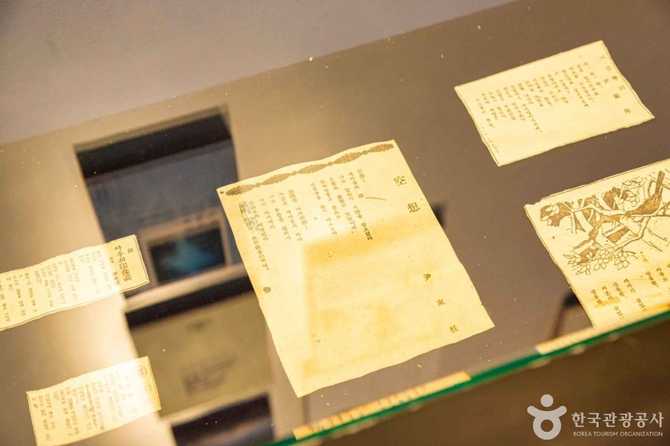
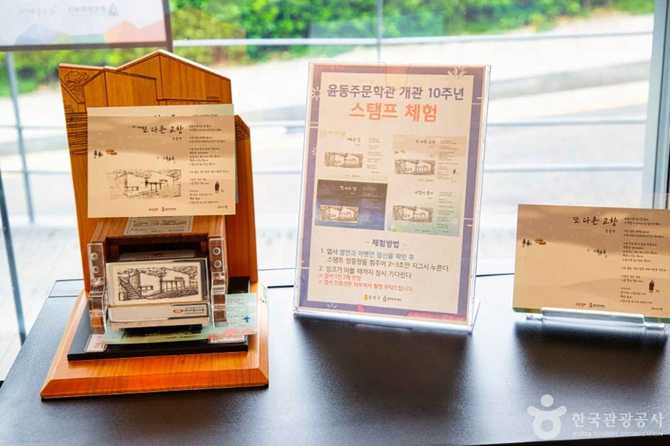
| Special Features | Exhibitions, educational programs, cultural events | Focus on resistance poetry and Korean history |
Visitor Checklist for the Yoon Dong-Ju Literature Museum
- Check Operating Hours: Confirm the current hours (10:00-18:00) and last entry time (17:30) on the official website or by phone.
- Plan Your Visit: Aim to arrive early, especially on weekends and public holidays, to avoid crowds.
- Transportation: Use public transit such as buses or the subway, as parking can be limited.
- Admission: Entry is free; no ticket purchase needed.
- Health & Safety: Wear a mask and follow COVID-19 safety protocols during your visit.
- Special Exhibits & Events: Check the official website for current exhibitions or programs that might require prior registration.
Visiting Tips and Important Notes for the Yoon Dong-Ju Literature Museum
| Tip / Note | Details |
|---|---|
| Check Operating Hours | Verify the current hours (10:00 – 18:00) and last entry time (17:30) via the official website or phone contact before your visit. |
| Plan Your Visit | Arrive early on weekends and holidays to avoid crowds and enjoy a more intimate experience with the exhibits. |
| Transportation Recommendations | Use public transportation such as buses or subway, as parking spaces are limited and can be crowded. |
| Admission Details | Entry to the museum is free; no tickets are required, making it accessible for all visitors. |
| Health & Safety Protocols | Wear a mask and adhere to COVID-19 safety measures to ensure a safe visit for yourself and others. |
| Exhibition & Program Updates | Check the official website for current exhibitions, special programs, or events that may require prior registration or booking. |
The Cultural and Historical Significance of the Yoon Dong-Ju Literature Museum
- Preservation of Resistance Spirit: The museum serves as a vital space to experience and understand Korea’s resistance against Japanese colonial rule through the life and poetry of Yoon Dong-Ju, a symbol of national resilience and patriotism.
- Educational Value: It functions as an educational platform, offering insights into Korea’s modern history, independence movement, and the role of literature in social resistance.
- Architectural Excellence: Housed in a building that has received prestigious awards such as the Public Architecture Award and Seoul Architecture Award, the museum exemplifies the successful integration of historical preservation with modern design.
- Cultural Engagement: The space hosts various exhibitions, cultural programs, and educational activities that deepen visitors’ appreciation of Korean literary heritage and resistance history.
- Symbolic Location: Situated on Inwangsan Mountain’s scenic slopes, the museum’s setting enhances its role as a place for reflection on Korea’s turbulent history and the enduring spirit of resistance.
- Accessibility and Community Role: As a free public space, it promotes community engagement and provides accessible cultural education for locals and international visitors alike.
Summary of the Museum’s Significance
- Core Role
- Preserving and promoting Korea’s resistance literature and patriotism through Yoon Dong-Ju’s legacy.
- Architectural Recognition
- Recipient of public and city awards for its innovative design and historical preservation.
- Educational Impact
- Provides educational programs and exhibitions that deepen understanding of Korea’s modern history and literary resistance.
- Community Value
- Offers free access to a cultural space that fosters national pride and cultural literacy among visitors of all ages.
Whether you visit during the day or evening, Visit the Yoon Dong is a meaningful stop on any Seoul itinerary for history-minded travelers.
Frequently Asked Questions (FAQ)
Q1: Where is the Yoon Dong-Ju Literature Museum located?
The Yoon Dong-Ju Literature Museum is situated at 119 Changui-mun-ro, Jongno-gu, Seoul, on the scenic slopes of Inwangsan Mountain. It offers a peaceful environment rich in natural beauty and historical significance.
Q2: When was the Yoon Dong-Ju Literature Museum established?
The museum was established in 2012 to honor the life and works of Korea’s resistance poet, Yoon Dong-Ju, and to serve as a cultural space for education and reflection.
Q3: Is the Yoon Dong-Ju Literature Museum free to visit?
Yes, admission to the museum is free for all visitors. It is open year-round, providing accessible cultural experiences without any entrance fee.
Q4: What are the opening hours and closed days?
The museum operates from 10:00 a.m. to 6:00 p.m., with the last entry at 5:30 p.m. It is closed every Monday, as well as during Lunar New Year and Chuseok holidays.
Q5: How can I get to the Yoon Dong-Ju Literature Museum?
Public transportation is recommended due to limited parking. The museum is accessible via nearby bus and subway lines, with walking distance from major transit stops in Seoul.
Q6: What should I keep in mind when visiting the museum?
Visitors should wear masks and follow health protocols. It’s advisable to check the official website or contact the museum beforehand for current exhibitions and schedule updates. Parking may be limited, so public transit is preferred.
Final Tips for Visiting the Yoon Dong-Ju Literature Museum
Visiting the Yoon Dong-Ju Literature Museum offers a meaningful opportunity to connect with Korea’s rich history of resistance and literary excellence. To ensure a smooth and enjoyable experience, it is advisable to plan your trip carefully. Double-check the operating hours, which are from 10:00 a.m. to 6:00 p.m., with the last entry allowed at 5:30 p.m. Remember that the museum is closed every Monday, as well as during Lunar New Year and Chuseok holidays, so scheduling your visit on a weekday or outside major holidays can help avoid disappointment.
It’s recommended to arrive early, especially on weekends or peak holiday seasons, to enjoy a quieter atmosphere and more personalized engagement with the exhibits. Since parking space can be limited, utilizing public transportation such as buses or the subway is highly encouraged. Not only does this reduce stress, but it also allows you to fully immerse yourself in the cultural experience without the concern of parking logistics.
During your visit, be sure to adhere to health and safety guidelines, including wearing a mask and using hand sanitizer. The museum’s environment is designed to foster reflection and learning, so respectful behavior is appreciated. By following these tips, you will gain a deeper appreciation of Korea’s resistance poetry and the enduring legacy of Yoon Dong-Ju, making your visit both enriching and memorable.