
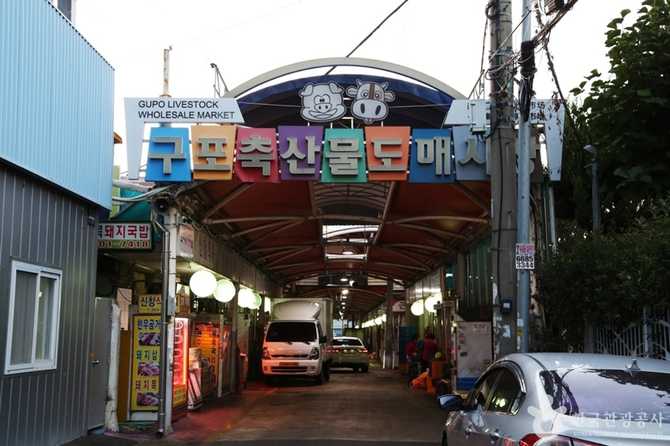
출처 : ⓒ한국관광콘텐츠랩 또는 ⓒ한국관광공사
Gupo Livestock Wholesale Market: Your Guide to Korea’s Premier Meat Hub
Location 부산광역시 북구 사상로583번길 26 (구포동)
Location 부산광역시 북구 사상로583번길 26 (구포동)
Looking for the best place to buy fresh, high-quality livestock at reasonable prices in Korea? Discover everything you need to know about Gupo Livestock Wholesale Market in Busan, a key hub for meat distribution and a must-visit for both locals and tourists interested in Korea’s vibrant food scene.
At a glance
- Who this is for
-
- Buyers and sellers involved in livestock trade in Busan
- Consumers seeking fresh, affordable meat products
- Tourists interested in exploring Korea’s local markets and food culture
- Food industry professionals and restaurant owners
- Key takeaways
-
- Market area: 14,000㎡ with over 210 stores
- Major products: Hanwoo, beef, pork, imported meats, offal
- Operating since 2006, registered as a traditional market
- Approximately 500 market workers involved
- Nationwide sales and delivery network
- Tips & cautions
-
- Market hours vary by store; check in advance
- Parking is limited; public transportation recommended
- Visit during weekday mornings for freshest products
- Confirm operating hours and holidays before visiting
- Be aware of different store hours and holiday closures
- Bottom line
- Gupo Livestock Wholesale Market is Korea’s leading meat distribution hub offering fresh livestock at competitive prices, perfect for buyers and tourists alike.
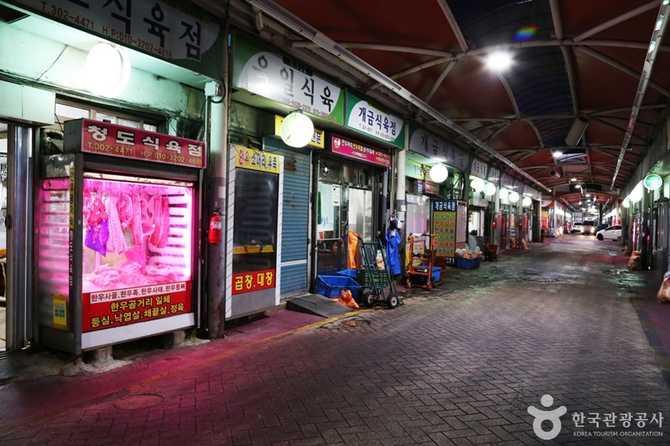
Gupo Livestock Wholesale Market, established in the mid-1960s, is one of Korea’s most historic and prominent livestock markets. Located in Busan, it has grown into a vital center for meat distribution, serving both local businesses and nationwide customers through its extensive network. The market covers an area of 14,000 square meters and hosts over 210 individual stores, each specializing in various types of meat including Hanwoo beef, imported meats, pork, and offal products.
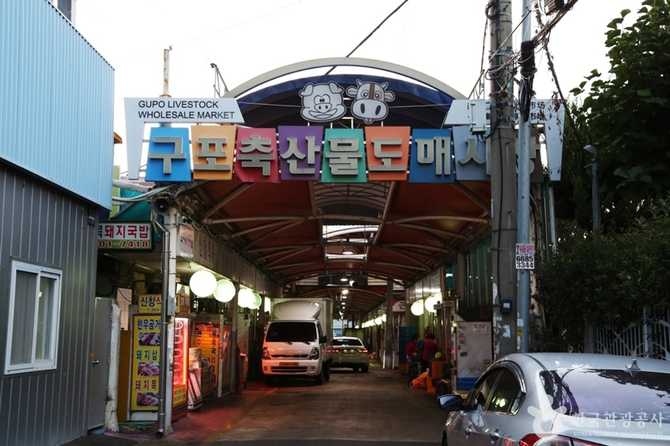
With a dedicated organization of traders and a long-standing reputation for quality and affordability, Gupo Livestock Wholesale Market plays a crucial role in Korea’s food industry. Visitors can experience the lively atmosphere of a traditional market while enjoying fresh meat at lower prices. The market’s strategic location and logistics infrastructure enable efficient nationwide sales and delivery, making it a key hub for meat distribution in Korea. Whether you are a buyer, seller, or curious tourist, exploring Gupo Livestock Wholesale Market offers a unique glimpse into Korea’s vibrant livestock trade and culinary culture.
In addition to its core business, the market is surrounded by popular local eateries and tourist attractions, making it an ideal destination for a full-day experience. From sampling regional specialties to exploring Busan’s vibrant neighborhoods, a visit to Gupo Livestock Wholesale Market combines commerce, culture, and gastronomy seamlessly. Read on to learn more about the market’s history, size, visiting tips, and nearby attractions to make your trip both enjoyable and productive.
Gupo Livestock Wholesale Market Overview and History
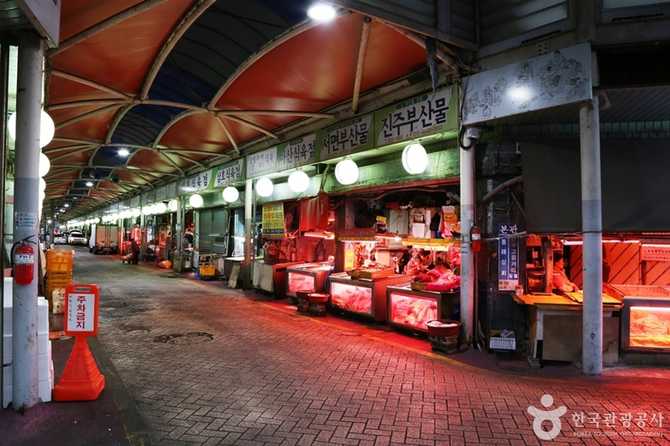
Gupo Livestock Wholesale Market is a vital hub for Korea’s meat distribution industry, located in Busan. As one of the most historic and prominent livestock markets in the country, it has played a crucial role in providing fresh, high-quality meat products to both local residents and nationwide consumers. Established in the mid-1960s, this market has grown alongside Korea’s expanding food industry, maintaining its reputation for offering competitive prices and a wide variety of meat products. The focus keyword, Gupo Livestock Wholesale Market, highlights its importance as a leading meat trading center in Korea.
Over the decades, Gupo Market has evolved from a traditional local marketplace to a sophisticated wholesale hub, equipped with over 210 individual stores and a dedicated workforce of around 500 market professionals. Its strategic location in Busan allows for efficient logistics, enabling the distribution of fresh livestock across Korea and even export to other regions. The market specializes in a broad range of meat products, including premium Hanwoo beef, imported meats, pork, and offal, catering to diverse customer needs from individual consumers to restaurant owners.
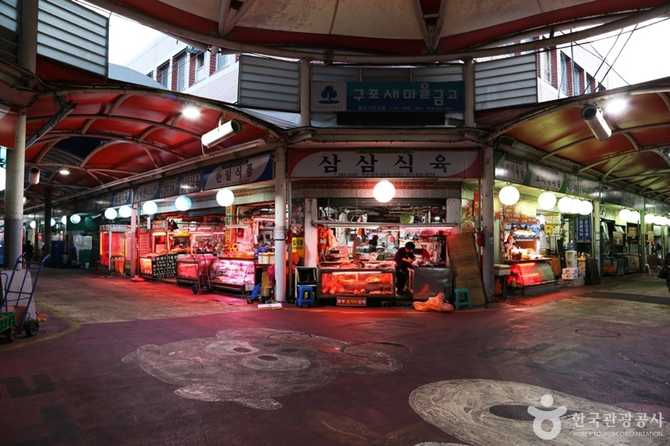
The market’s organization is managed by a trader association that ensures quality standards and fair trading practices. Since its registration as a traditional market in 2006, Gupo Livestock Wholesale Market has maintained its commitment to freshness, affordability, and service. Visitors can experience the lively atmosphere of a traditional Korean market while enjoying the benefits of modern logistics and wholesale operations. Its long history and continuous growth reflect its significance in Korea’s livestock and food sectors.
For tourists and visitors interested in Korea’s culinary culture, Gupo Market offers an authentic experience of Korea’s meat trade. The market is also surrounded by popular local eateries and attractions, making it a perfect destination for a day trip. Whether you are a buyer, seller, or simply curious about Korea’s food industry, exploring Gupo Livestock Wholesale Market provides valuable insights into Korea’s vibrant livestock trade and regional food culture.
Market Size and Main Products Comparison
| Item | Details | Remarks |
|---|---|---|
| Market Area | 14,000 square meters | Large-scale wholesale market |
| Number of Stores | 210 stores | Diverse livestock vendors |
| Main Products | Hanwoo beef, imported meats, pork, offal | Wide variety for different buyers |
| Number of Employees | Approximately 500 | Dedicated workforce for operations |
| Registration Year | 2006 | Registered as a traditional market |
How to Visit Gupo Livestock Wholesale Market and Tips for Visitors
- Check operating hours: Since store hours vary, it’s essential to verify the opening times of specific vendors before your visit. Most stores operate during daytime hours, especially on weekdays.
- Plan your visit during the morning: For the freshest meat products, aim to visit in the early morning hours, typically between 6:00 AM and 10:00 AM.
- Use public transportation: Parking around the market can be limited. It’s recommended to use buses or taxis to reach Gupo Market conveniently.
- Prepare a checklist: Make a list of the meats or products you want to purchase to streamline your shopping experience.
- Visit nearby attractions: After shopping, explore local eateries or tourist spots such as the famous Samnak Rejeon Street, known for its delicious seafood dishes and regional specialties.
When planning your trip to Gupo Livestock Wholesale Market, remember that most vendors open early and close by afternoon. Visiting on a weekday morning not only guarantees fresher products but also provides a more authentic experience of Korea’s traditional meat trading culture. Combining your market visit with local food adventures nearby will enrich your overall experience in Busan.
Nearby Attractions and Food Spots Around Gupo Livestock Wholesale Market
After exploring the bustling Gupo Livestock Wholesale Market, visitors can enjoy a variety of nearby attractions and local dining experiences that showcase Busan’s vibrant culture and culinary scene. The area around the market is rich with popular food streets, scenic spots, and cultural sites, making it an ideal destination for a full-day itinerary.
| Attraction / Food Spot | Description | Highlights |
|---|---|---|
| Samnak Rejeon Street | A popular street lined with seafood restaurants and regional eateries. | Enjoy fresh seafood dishes, especially regional specialties like seafood stew and grilled fish. |
| Busan Museum of Art | A cultural venue featuring contemporary and traditional Korean artworks. | Perfect for art lovers seeking a relaxing cultural experience after market visits. |
| Dadaepo Beach | A scenic beach offering views of the ocean and a peaceful environment. | Ideal for a leisurely walk or relaxing by the sea after a busy market morning. |
| Local Cafes and Restaurants | Various cafes and eateries around Gupo Market serve regional coffee, snacks, and traditional Korean dishes. | Experience authentic Busan flavors and unwind after shopping. |
Visitor Checklist for Gupo Livestock Wholesale Market
- Confirm operating hours and holidays: Since store hours can differ, verify the opening times of specific vendors and market holidays before your visit.
- Plan your visit during the morning: Arrive early, ideally between 6:00 AM and 10:00 AM, to access the freshest livestock and the best selection.
- Use public transportation: Due to limited parking, it is recommended to take buses or taxis to reach Gupo Market conveniently.
- Create a shopping checklist: List the specific meats or products you want to buy to streamline your shopping experience and avoid missing out.
- Prepare for local dining: Include visits to nearby restaurants or cafes to enjoy regional specialties and experience local culture after your market tour.
- Check transportation options: Review bus routes, taxi services, and parking facilities in advance to ensure smooth access.
- Bring cash and necessary identification: Many vendors prefer cash payments, and identification may be required for certain transactions or for visiting specific vendors.
- Dress appropriately: Wear comfortable clothing and shoes suitable for walking in a busy market environment.
- Respect local customs: Be polite and courteous to vendors and staff, and follow market etiquette for a positive experience.
Frequently Asked Questions (FAQ)
- Q1: What are the operating hours of Gupo Livestock Wholesale Market?
-
The operating hours vary by store, but most vendors open early in the morning and close by afternoon. It is recommended to check individual store hours before visiting.
- Q2: What types of livestock products are available at Gupo Market?
-
The market offers a wide range of livestock products including Hanwoo beef, imported meats, pork, and offal. All products are sold wholesale and are available for nationwide delivery.
- Q3: Is there parking available near Gupo Livestock Wholesale Market?
-
Parking around the market is limited, so public transportation such as buses or taxis is recommended. Some parking spaces are available, but it is advisable to confirm in advance.
- Q4: When is the best time to visit Gupo Market for fresh meat?
-
The best time to visit is during weekday mornings, typically between 6:00 AM and 10:00 AM, when the market is most active and fresh products are available.
- Q5: What should I keep in mind when shopping at Gupo Livestock Wholesale Market?
-
Check the operating hours and holidays of individual vendors before your visit. Arriving early ensures the freshest livestock and the best selection of products.
- Q6: What attractions or food spots are near Gupo Livestock Wholesale Market?
-
Nearby attractions include Samnak Rejeon Street, known for its seafood restaurants and regional dishes. You can also explore local cafes and eateries to enjoy Busan’s culinary scene after your market visit.
Final Tips for Visiting Gupo Livestock Wholesale Market
Visiting Gupo Livestock Wholesale Market is an excellent way to experience Korea’s vibrant food culture and witness the bustling livestock trade firsthand. To make the most of your trip, plan ahead by checking the operating hours of individual vendors, as they can vary depending on the day and season. Arriving early in the morning, ideally between 6:00 AM and 10:00 AM, ensures you access to the freshest meat products and a more authentic market experience. Since parking can be limited around the market, utilizing public transportation such as buses or taxis is highly recommended for convenience. Remember to prepare a checklist of the meats or products you wish to purchase to streamline your shopping experience and avoid missing out on popular items. After your visit, consider exploring nearby attractions like Samnak Rejeon Street, famous for its regional seafood dishes, or relaxing at local cafes to enjoy Busan’s lively atmosphere. Whether you’re a buyer, tourist, or food enthusiast, a thoughtful visit to Gupo Livestock Wholesale Market will deepen your understanding of Korea’s culinary traditions and regional specialties. Planning ahead ensures a smooth, enjoyable, and memorable experience at this iconic Korean market.