
Seoncheon Nam Sarri Lee House: Traditional Korean Hanok Experience
Discover the rich history and stunning architecture of the Seoncheon Nam Sarri Lee House, a preserved 18th-century Korean hanok that offers a unique glimpse into Joseon Dynasty-era craftsmanship and cultural heritage. Whether you’re a history enthusiast, architecture lover, or seeking an authentic cultural experience, visiting this historic hanok provides invaluable insight into Korea’s traditional way of life.
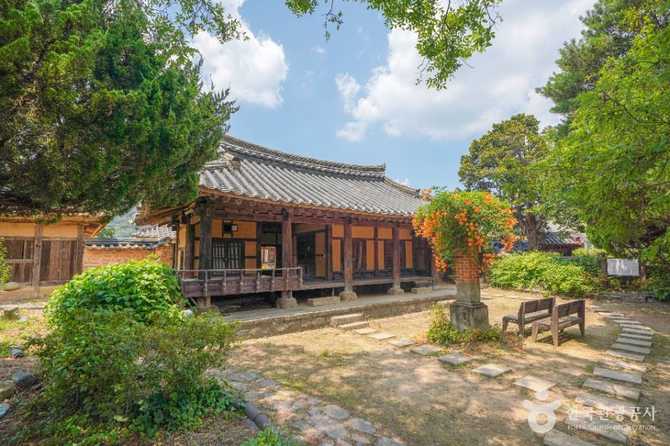
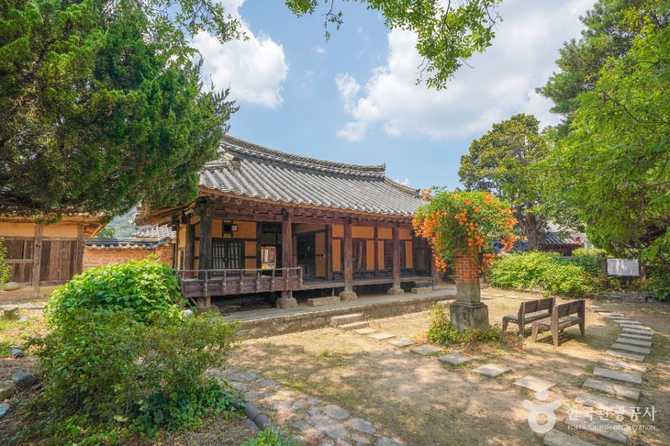
Seoncheon Nam Sarri Lee House stands as a testament to Korea’s architectural beauty and cultural legacy. Built in the 1700s, this traditional Korean hanok embodies the distinctive features of Joseon Dynasty architecture, including wooden structures, graceful rooflines, and an elegant layout that reflects the social and cultural values of the era. Recognized as a cultural heritage site in Gyeongsangnam-do, the house has been carefully preserved and is open to the public free of charge, offering visitors a rare opportunity to step back in time and experience Korea’s historic domestic architecture firsthand.
At a glance
- Who this is for
-
- Visitors interested in Korean traditional architecture and cultural heritage
- History and cultural studies researchers and students
- Travelers seeking authentic Korean folk culture experiences
- Key takeaways
-
- Built in the 1700s during the Joseon Dynasty
- Traditional Hanok layout with anchae, sarangchae, and ancillary buildings
- Features a characteristic ‘M’ shaped layout with wooden architecture and paljak roof
- Designated as a cultural heritage site in Gyeongsangnam-do
- Open year-round, free admission, with parking available
- Tips & cautions
-
- Visit during open hours; no holidays or closures
- Pre-arranged permission required for interior photography
- Respect cultural heritage by following preservation guidelines
- Check parking and transportation options in advance
- Bottom line
- Seoncheon Nam Sarri Lee House is a priceless cultural heritage that offers an immersive experience into Korea’s traditional architecture and history.
Exploring the Seoncheon Nam Sarri Lee House allows visitors to appreciate Korea’s architectural elegance and historical depth. As a well-preserved example of 18th-century Korean hanok, this site provides insights into the lifestyle, social structure, and craftsmanship of the Joseon era. Recognized as a cultural asset, it plays a vital role in preserving Korea’s intangible cultural heritage, while also serving as a meaningful educational resource for both locals and international visitors.
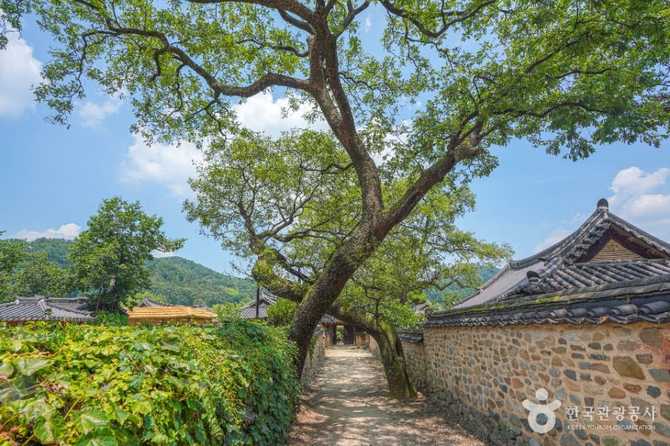
Whether you are interested in traditional Korean architecture, cultural history, or simply want to enjoy a peaceful walk through a historic hanok village, Seoncheon Nam Sarri Lee House offers a valuable and accessible experience. The house’s open policy ensures that everyone can enjoy Korea’s cultural treasures without barriers, making it an ideal destination for cultural exploration and education.
Overview and Historical Significance of Seoncheon Nam Sarri Lee House
Seoncheon Nam Sarri Lee House is a remarkable example of traditional Korean architecture, specifically a well-preserved 18th-century hanok from the Joseon Dynasty. Located in the scenic region of Gyeongsangnam-do, this cultural heritage site offers visitors a unique opportunity to explore Korea’s rich historical and architectural legacy. The house embodies the distinctive features of Korean wooden construction, including elegant rooflines, intricate joinery, and a harmonious layout that reflects the social hierarchy and lifestyle of the period.
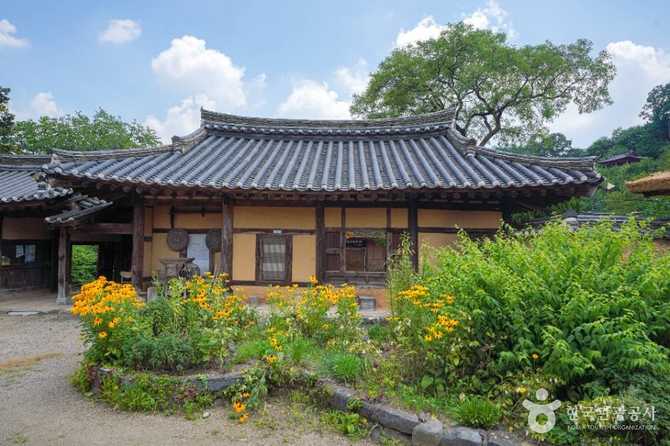
Built in the 1700s, the Seoncheon Nam Sarri Lee House has been designated as a cultural heritage site by the local government, recognizing its importance in representing traditional Korean domestic architecture. Its preservation provides vital insights into the living conditions, social customs, and architectural techniques of the Joseon era. The house’s layout, featuring the main building (anchae), the guesthouse (sarangchae), and ancillary structures such as the barn (외양간채), illustrates the typical ‘ㄱ’ or ‘ㅁ’ shaped arrangements common in noble households of that time.

Throughout its long history, the house has maintained its original wooden structures, including the traditional paljak (hip-and-gable) roof, which is characteristic of Joseon architecture. Its status as a cultural asset ensures ongoing preservation efforts, and the site is open to the public free of charge, allowing visitors from around the world to appreciate Korea’s architectural beauty firsthand. The house also plays a vital role in educating visitors about Korea’s historical domestic life, traditional building techniques, and cultural values.
In sum, Seoncheon Nam Sarri Lee House is not only an architectural treasure but also a cultural symbol that encapsulates Korea’s historical depth. Visiting this site offers a meaningful connection to Korea’s past, making it an essential destination for those interested in Korean history, architecture, and cultural preservation.
Comparison of Architectural Features of Seoncheon Nam Sarri Lee House
| Feature | Details | Remarks |
|---|---|---|
| Layout Structure | ㄱ or ㅁ-shaped arrangement with main house, guesthouse, barn, and storeroom | Typical noble household layout in the Joseon era |
| Main Buildings | Anchae (inner quarters) and Sarangchae (guesthouse) | Separated for family and guests, reflecting social hierarchy |
| Roof Style | Paljak (hip-and-gable) roof | Characteristic of traditional Korean architecture, providing durability and aesthetic appeal |
| Construction Material | Wooden beams, rafters, and traditional clay tiles | Emphasizes natural materials and craftsmanship |
| Interior Layout | Separate rooms connected by verandas and courtyards, with traditional ondol (underfloor heating) | Reflects Korean living customs and climate adaptation |
This comparison highlights the architectural integrity and cultural significance of Seoncheon Nam Sarri Lee House, showcasing the traditional features that have been preserved for over three centuries. Its layout and design exemplify the harmony between function and aesthetics characteristic of Joseon architecture.
Cultural Heritage Status and Preservation of Seoncheon Nam Sarri Lee House
- Designated Cultural Heritage: Recognized as a cultural asset by Gyeongsangnam-do on January 14, 1985.
- Protection Status: The house is protected under regional cultural heritage laws and is managed by the Gyeongsangnam-do Cultural Heritage Administration.
- Preservation Efforts: Regular maintenance and restoration projects are carried out by local authorities and the Cultural Heritage Administration to ensure structural integrity and authenticity.
- Public Access: The site is open year-round free of charge, encouraging cultural education and tourism.
The ongoing preservation of Seoncheon Nam Sarri Lee House ensures that future generations can continue to appreciate Korea’s traditional architecture and cultural history. Its status as a protected cultural heritage site underscores its importance in Korea’s national identity and cultural continuity. Visitors and locals alike are encouraged to support and respect the preservation efforts, helping maintain this historic house as a vital link to Korea’s past.
Visitor Information and How to Visit Seoncheon Nam Sarri Lee House
| Item | Details |
|---|---|
| Address | Gyeongsangnam-do, Sancheong-gun, Dansung-myeon, Jiri Mountain Road 2883beon-gil 16 |
| Contact | Sancheong County Office Cultural and Sports Department, 055-970-6412~4 |
| Opening Hours | Open year-round, 24 hours; no holidays or closures |
| Admission Fee | Free |
| Parking | Available on-site |
Visitors are encouraged to arrive during daylight hours for optimal experience. For interior photography, prior permission from the management is recommended. Respectful behavior and adherence to preservation guidelines are essential to protect this cultural asset. To ensure a smooth visit, check transportation options and parking availability in advance. For the latest updates and detailed visitor instructions, visit the official Sancheong-gun website or contact the Cultural Heritage Department directly.

Visitor Tips and Checklist for Seoncheon Nam Sarri Lee House
- Check opening hours: Confirm that the site is open and accessible during your planned visit, as it operates year-round without holidays.
- Plan transportation: Arrange your route in advance, considering nearby public transportation or parking options.
- Arrive early: Visiting early in the day allows for a more peaceful experience and better photo opportunities.
- Prepare for interior photography: Obtain necessary permissions beforehand to photograph inside the house without issues.
- Respect preservation rules: Follow all guidelines, avoid touching structures, and do not damage any part of the house.
- Bring essentials: Carry water, comfortable shoes, and weather-appropriate clothing, especially if walking outdoors.
- Check parking: Confirm parking availability to avoid inconvenience upon arrival.
- Follow cultural etiquette: Be respectful to staff and other visitors, and maintain a quiet, considerate demeanor.
Frequently Asked Questions (FAQ)
Q1: When is the best time to visit Seoncheon Nam Sarri Lee House?
The house is open year-round without any holidays, so visitors can plan their visit at any time. Spring and autumn offer particularly scenic views with pleasant weather. There is no specific seasonal restriction for visiting.
Q2: How old is Seoncheon Nam Sarri Lee House?
The house was built in the 1700s during the Joseon Dynasty. It is over 300 years old and has been preserved as a cultural heritage site. Its traditional architecture remains largely intact since its construction.
Q3: What are the main architectural features of Seoncheon Nam Sarri Lee House?
The house features a ‘ㄱ’ or ‘ㅁ’-shaped layout with anchae (inner quarters), sarangchae (guesthouse), and ancillary buildings like the barn. It has a traditional paljak (hip-and-gable) roof and wooden construction typical of Joseon architecture.
Q4: Is there an entrance fee to visit Seoncheon Nam Sarri Lee House?
No, the house is open to the public free of charge. Visitors can explore the site without any admission fee. Parking is also available on-site.
Q5: Do I need permission to take photos inside the house?
Yes, interior photography requires prior permission or must be done under the guidance of staff. Visitors should follow preservation guidelines to avoid damaging the property. External photos do not usually require permission.
Q6: How can I get to Seoncheon Nam Sarri Lee House?
The house is located in Sancheong-gun, Gyeongsangnam-do, at 16 Jiri Mountain Road. It is accessible by car, with parking available. Visitors can also check local transportation options for nearby bus services or taxis.
Conclusion: Experience the Timeless Beauty of Seoncheon Nam Sarri Lee House
Visiting Seoncheon Nam Sarri Lee House offers a rare opportunity to immerse yourself in Korea’s rich cultural heritage and appreciate the exquisite craftsmanship of 18th-century Korean architecture. As a well-preserved example of a traditional Joseon Dynasty hanok, this historic house not only showcases the beauty of Korean wooden construction and elegant rooflines but also provides valuable insights into the lifestyle and social customs of Korea’s noble families during the 1700s. Recognized as a cultural asset and protected as a regional heritage site, the house stands as a testament to Korea’s dedication to preserving its history and architectural legacy for future generations.
Whether you are an architecture enthusiast, a history lover, or simply seeking an authentic cultural experience, Seoncheon Nam Sarri Lee House promises a meaningful visit. Its accessibility, free admission, and year-round open hours make it an ideal destination for travelers interested in exploring Korea’s traditional domestic architecture and cultural traditions firsthand. Respectful behavior and adherence to preservation guidelines will help ensure that this invaluable cultural treasure remains intact for many years to come. Embark on a journey to discover Korea’s architectural elegance and cultural depth at this remarkable historic site, and take home a deeper understanding and appreciation of Korea’s enduring cultural legacy.