
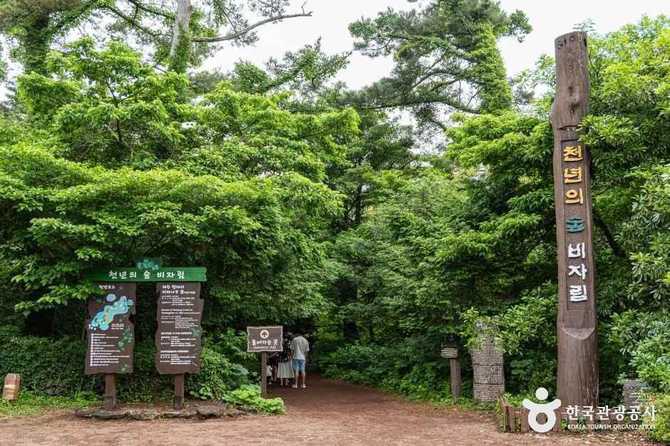
Explore Jeju’s Visa Forest: A Natural Treasure of Korea
Discover the breathtaking beauty and ecological significance of Jeju’s Visa Forest, a rare natural sanctuary where visitors can immerse themselves in Korea’s unique flora and pristine landscapes. Whether you’re a nature lover, eco-enthusiast, or seeking a peaceful retreat, Visa Forest offers an unforgettable experience that combines natural wonder with environmental preservation.

Located on Jeju Island, Visa Forest is renowned for its ancient visa trees, designated as natural monuments, and its rich biodiversity. This forest is not only a scenic spot for relaxation and recreation but also plays a vital role in ecological research and conservation efforts. Visitors can enjoy scenic walks among centuries-old trees, observe rare orchids and plants, and learn about the importance of protecting Korea’s natural heritage.

At a glance
- Who this is for
-
- Nature lovers and eco-tourists
- Families seeking outdoor activities
- Wildlife and plant enthusiasts
- Environmental advocates and conservationists
- Travelers interested in Korea’s natural heritage
- Key takeaways
-
- Size: approximately 448,165㎡ with over 2,800 visa trees
- Age of trees: 500 to 800 years old
- Tree height: 7 to 14 meters, diameter: 50 to 110 cm
- Rich biodiversity including rare orchids and plants
- Open year-round, from 09:00 to 18:00, with free parking
- Tips & cautions
-
- Check weather and opening hours before visiting
- Follow natural protection rules: no littering or plant collection
- Stay on designated paths to avoid ecological damage
- Respect wildlife and avoid disturbing animals or plants
- Bottom line
- Visa Forest is a must-visit natural sanctuary in Jeju, offering both ecological beauty and a peaceful retreat for eco-conscious travelers.
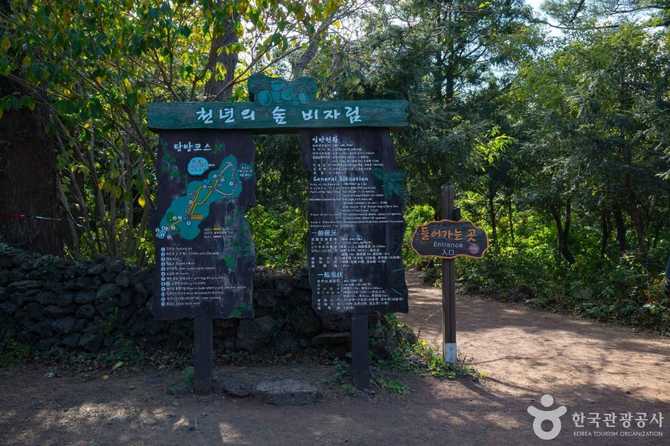
Jeju’s Visa Forest is a remarkable natural site that embodies Korea’s commitment to environmental preservation and sustainable tourism. Located in the Gijang-eup area of Jeju City, this forest is a designated natural monument, home to thousands of visa trees that have stood for centuries. As one of the island’s most ecologically significant areas, Visa Forest provides a serene environment where visitors can connect with nature, observe rare plant species, and learn about Korea’s ecological heritage.
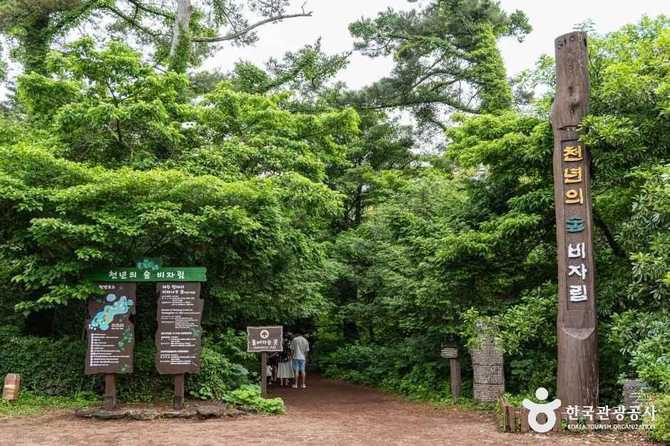
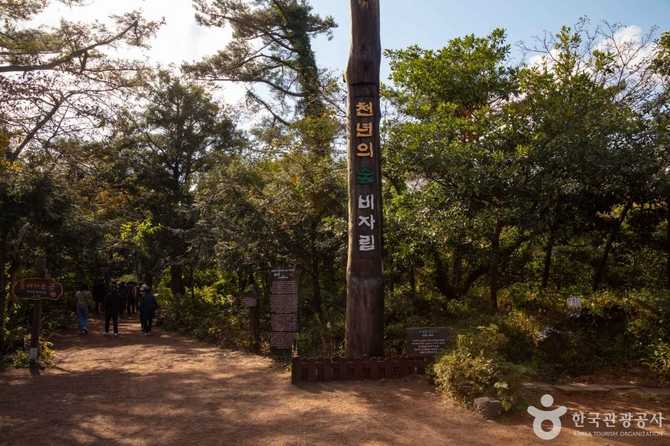
The forest spans approximately 448,165 square meters and features over 2,800 visa trees, some dating back over 800 years. These trees are characterized by their impressive height, ranging from 7 to 14 meters, and their substantial trunk diameters, between 50 and 110 centimeters. Visitors can enjoy walking along well-maintained trails, taking in the lush canopy that spreads across the landscape, and appreciating the natural beauty that has been preserved for generations.

Beyond its scenic value, Visa Forest plays a crucial role in ecological research and conservation. The habitat supports a variety of rare orchids and other plant species, making it a vital site for biodiversity. The forest is open all year round, welcoming visitors from 09:00 to 18:00, with no holidays, and provides free parking facilities nearby. It is an ideal destination for families, nature enthusiasts, and anyone seeking a tranquil escape amidst Korea’s unique flora.
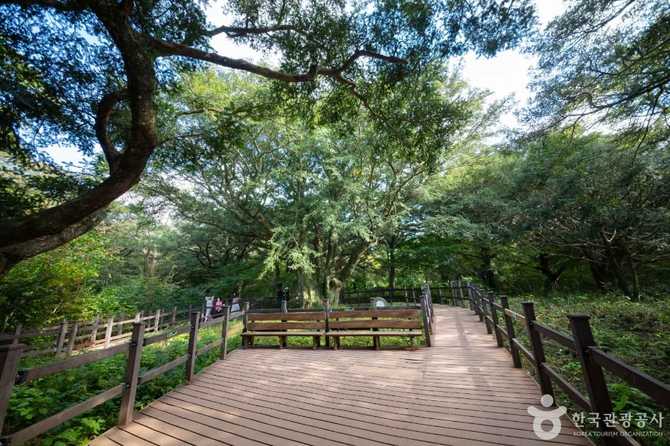
Visa Forest Overview and Natural Landscape
Visa Forest in Jeju is a renowned natural landmark that showcases Korea’s rich ecological heritage. As a protected area designated as a natural monument, this forest features one of the world’s rarest and most ancient visa tree populations. Visitors to this ecological sanctuary can immerse themselves in a pristine environment where centuries-old trees stand tall amidst lush greenery, offering a peaceful retreat from urban life. The focus keyword, Visa Forest, encapsulates the essence of this unique natural site, emphasizing its ecological and cultural significance.

Located in the Gijang-eup area of Jeju City, Visa Forest spans approximately 448,165 square meters, providing ample space for exploration and ecological observation. The forest is home to over 2,800 visa trees, some of which are estimated to be between 500 and 800 years old. These trees reach heights of 7 to 14 meters, with trunk diameters ranging from 50 to 110 centimeters, creating a majestic canopy that provides shade and habitat for various flora and fauna. The dense canopy and natural pathways make it an ideal spot for eco-tourism, nature walks, and educational activities.

Beyond its scenic beauty, Visa Forest plays a vital role in ecological research and conservation efforts. The forest supports a variety of rare orchids and other plant species, making it a significant biodiversity hotspot. Visitors can observe and learn about the importance of preserving Korea’s natural ecosystems through guided programs and informational signage. The forest remains open year-round from 09:00 to 18:00, allowing visitors to enjoy different seasons’ beauty. It also offers free parking facilities nearby, making access convenient for families, nature lovers, and eco-enthusiasts alike.
Overall, Visa Forest in Jeju is a must-visit destination for those interested in Korea’s natural landscapes and ecological conservation. Its combination of ancient trees, diverse plant life, and tranquil environment makes it a perfect place for relaxation, education, and ecological appreciation. Whether you’re exploring the walking trails, engaging in eco-activities, or simply enjoying the serene scenery, Visa Forest offers an authentic experience of Korea’s natural beauty and ecological commitment.
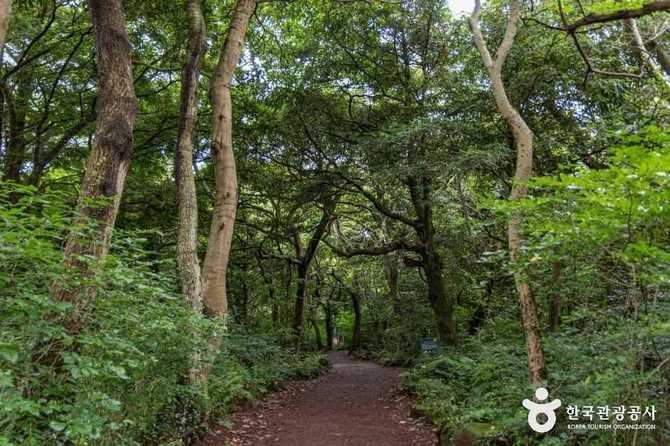
Comparison of Visa Trees and Rare Plants in Visa Forest
| Item | Visa Trees | Rare Plants & Orchids |
|---|---|---|
| Age | 500–800 years old | Varies; includes species like orchids that are centuries old |
| Height | 7–14 meters | Typically shorter, but some orchids grow vertically up to 1 meter |
| Diameter | 50–110 cm | N/A for orchids; varies for other plants |
| Ecological Role | Main canopy trees, providing habitat and stability | Pollinators, biodiversity hotspots, and indicators of ecosystem health |
| Conservation Status | Designated as natural monument, protected species | Many are rare or endangered, requiring habitat preservation |
Visitor Checklist and Tips for Visiting Visa Forest
- Check the weather forecast before your visit to ensure a pleasant experience, especially during rainy or windy days.
- Wear comfortable walking shoes suitable for uneven forest trails.
- Bring weather-appropriate clothing, such as hats, sunscreen, or rain gear depending on the season.
- Carry a refillable water bottle to stay hydrated during your walk.
- Respect the natural environment: do not litter or pick plants; use designated trash bins.
- Follow designated trails to avoid ecological damage and ensure safety.
- Bring a camera or smartphone for capturing scenic views and rare flora.
Protection Rules and Visitor Tips for Visa Forest
| Rule or Tip | Details |
|---|---|
| Natural Preservation | Strictly prohibit collection of plants, flowers, or any natural objects to prevent ecological disturbance. |
| Littering and Waste | Always dispose of trash in designated bins; carry out all waste to maintain the pristine environment. |
| Stay on Trails | Use only marked paths to avoid damaging the delicate undergrowth and root systems. |
| Wildlife Interaction | Do not disturb or feed animals; observe quietly from a distance. |
| Safety Precautions | Be cautious of uneven terrain and changing weather; carry necessary safety gear and supplies. |
Recommended Activities and Visitor Checklist at Visa Forest
- Enjoy a scenic forest walk: Follow designated trails to immerse yourself in Korea’s natural beauty and observe ancient visa trees.
- Participate in forest bathing (shinrin-yoku): Engage in mindful relaxation among the lush greenery to rejuvenate your mind and body.
- Observe rare orchids and plants: Take time to identify and appreciate the unique flora native to Visa Forest.
- Light hiking: Explore nearby peaks such as 월랑봉 (Wollangbong), 아부오름 (Abuoreum), and 용눈이오름 (Yongnunioreum) for panoramic views of Jeju’s landscape.
- Capture scenic photos: Bring your camera or smartphone to document the majestic trees and vibrant natural scenery.
- Participate in ecological education programs: Join guided tours or informational sessions to learn about the forest’s biodiversity and conservation efforts.
Whether you visit during the day or evening, Explore Jeju’s Visa Forest is a meaningful stop on any Seoul itinerary for history-minded travelers.
Frequently Asked Questions (FAQ)
Q1: What makes Visa Forest a unique natural attraction in Korea?
Visa Forest is home to over 2,800 visa trees, some aged between 500 and 800 years, making it a rare and protected ecological site. Its lush canopy and diverse flora, including rare orchids, highlight Korea’s rich biodiversity. The forest is designated as a natural monument, emphasizing its ecological and cultural importance.

Q2: When is the best time to visit Visa Forest for optimal scenery?
Visa Forest is open year-round from 09:00 to 18:00, with the best visiting times during spring and autumn when the weather is mild and the natural scenery is most vibrant. Visiting early in the morning or late afternoon offers better lighting and fewer visitors for photography and peaceful walks.

Q3: Are there any specific preparations needed before visiting Visa Forest?
Visitors should wear comfortable walking shoes suitable for uneven trails and dress appropriately for the weather. It is recommended to bring water, sun protection, and a camera. Respect for the environment by following protection rules is essential during the visit.

Q4: What activities can visitors enjoy at Visa Forest?
Visitors can enjoy scenic walks along designated trails, engage in forest bathing, observe rare orchids and plants, and take photographs of the natural landscape. Light hiking around nearby peaks like Wolrangbong or Yulongsan is also popular for panoramic views.
Q5: How does Visa Forest contribute to ecological conservation?
Visa Forest protects a habitat for rare and endangered species, including ancient visa trees and orchids. It serves as a site for ecological research and environmental education, promoting awareness of Korea’s natural heritage and biodiversity preservation.

Q6: How can I get to Visa Forest and are there parking facilities available?
Visa Forest is located at 55 Bija Forest Road, Gijang-eup, Jeju City. It is accessible by car, with free parking available nearby. Visitors can also access the site via local transportation options, and the park provides facilities such as visitor centers and rest areas.
Experience the Natural Beauty of Jeju’s Visa Forest
Visiting Visa Forest offers a rare opportunity to connect with Korea’s pristine natural environment and appreciate its ecological treasures. This remarkable forest in Jeju is not only a sanctuary for ancient visa trees but also a vital habitat for diverse flora, including rare orchids and plants. Whether you seek tranquility, educational insights, or a family-friendly outdoor activity, Visa Forest provides an enriching experience that highlights Korea’s commitment to environmental preservation. As you walk through the lush canopy, you’ll feel immersed in a peaceful world where centuries-old trees stand as silent witnesses to history and nature’s resilience. The forest’s ecological significance, combined with its scenic trails and biodiversity, makes it an ideal destination for eco-tourists, nature lovers, and anyone eager to learn about Korea’s natural heritage. Remember to respect the natural environment by following preservation rules, ensuring that this beautiful sanctuary remains vibrant for future generations. Visiting Visa Forest is truly a meaningful way to enjoy Korea’s natural wonders and contribute to ecological conservation efforts.