
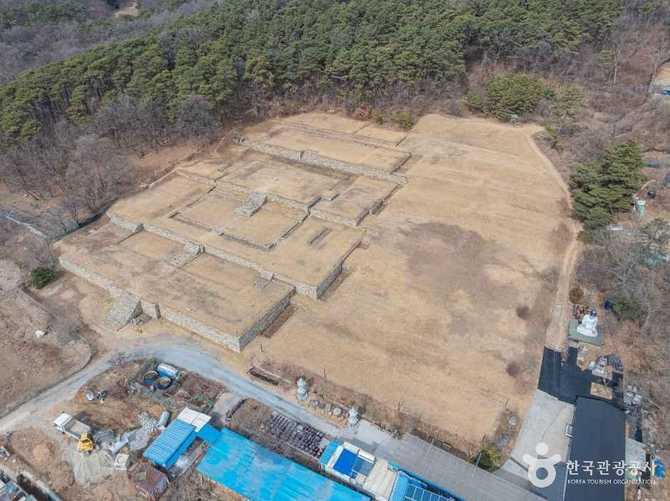
Discover Gyeonghwa Seonwonji Site: Korea’s Historic Cultural Treasure
Are you interested in exploring Korea’s rich history and cultural heritage? Visiting the Gyeonghwa Seonwonji Site offers a unique glimpse into Korea’s Buddhist past and ancient architecture, making it a must-see for history enthusiasts and travelers alike.
At a glance
- Who this is for
-
- Travelers interested in Korean history and cultural sites
- Researchers and scholars studying Korean Buddhist heritage
- Tourists planning a trip to Ganghwa Island
- History and culture enthusiasts
- Key takeaways
-
- Discovered in 1976 and designated as a cultural heritage site in 1977
- Located in Seonwon-myeon, Ganghwa-gun, Incheon
- Features relics such as foundation stones, decorated bricks, and Buddhist statues
- Open year-round, free of charge, with easy access by car
- Important for understanding Korea’s Buddhist architecture and history
- Tips & cautions
-
- Respect the site and avoid any damage or removal of artifacts
- Visit with prior knowledge of its historical background for a richer experience
- Use designated parking and transportation options
- Maintain quiet and observe proper decorum during your visit
- Bottom line
- Gyeonghwa Seonwonji Site is a vital cultural heritage location that offers insights into Korea’s Buddhist history and ancient architecture, enriching your understanding of Korea’s past.
Welcome to the ultimate guide on the Gyeonghwa Seonwonji Site, a significant historical and cultural landmark located on Ganghwa Island, South Korea. This site, recognized as a designated cultural heritage site, holds immense value for those interested in Korea’s religious history, ancient architecture, and cultural preservation. Discovered in 1976 by the Dongguk University Ganghwa Island Research Team, the Gyeonghwa Seonwonji Site has since been protected and studied for its archaeological significance.
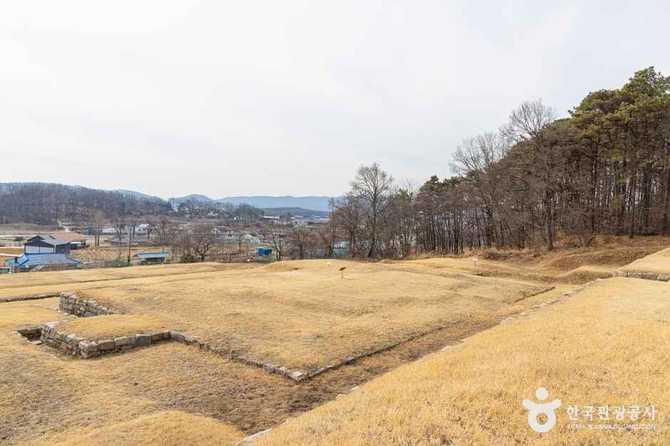
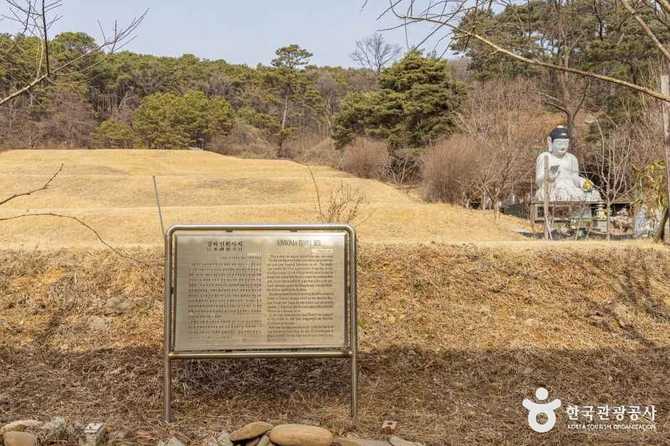
The site is situated in Seonwon-myeon, within the scenic landscape of Ganghwa Island, and features a variety of relics including foundation stones, decorated bricks, Buddhist statues, and roof ornaments. These artifacts provide vital clues about the construction and religious practices of Korea’s ancient Buddhist temples. Visitors can explore the site freely throughout the year, enjoying the natural beauty and historical ambiance that make this location a must-visit destination for history buffs and cultural tourists.
Whether you are planning a cultural trip, conducting academic research, or simply curious about Korea’s spiritual and architectural history, the Gyeonghwa Seonwonji Site offers an enriching experience. This guide will walk you through the discovery history, key relics, visiting tips, and practical information to help you make the most of your visit to this important Korean heritage site.
Gyeonghwa Seonwonji Site Overview & Historical Background
The Gyeonghwa Seonwonji Site is a significant cultural heritage location on Ganghwa Island, Korea, representing an important chapter in the country’s Buddhist history. Recognized as a designated historic site, this location offers visitors a rare glimpse into Korea’s ancient religious architecture and spiritual practices. The site was first discovered in 1976 by the Dongguk University Ganghwa Island Research Team, marking a pivotal moment in Korean archaeological studies. Following its discovery, the site was officially designated as a cultural heritage site in 1977, ensuring its preservation and protection for future generations.
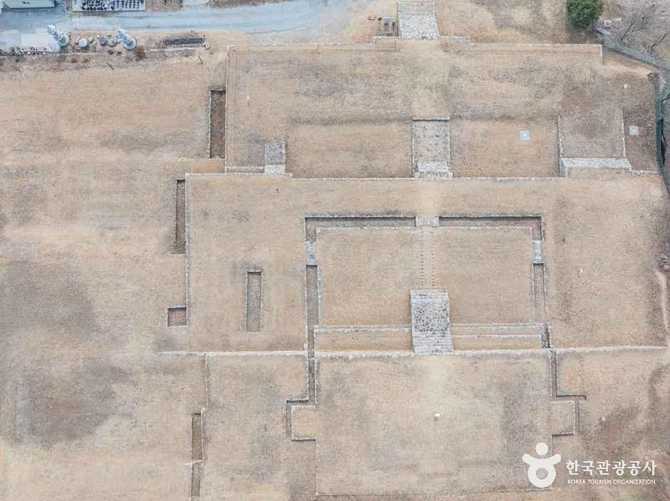
Located in Seonwon-myeon, within the scenic landscape of Ganghwa County, the Gyeonghwa Seonwonji Site comprises various relics, including foundation stones, decorated bricks, Buddhist statues, and roof ornaments. These artifacts provide valuable insights into the construction techniques, religious symbolism, and architectural styles of Korea’s ancient Buddhist temples. The discovery of these relics has contributed significantly to understanding the development of Buddhist architecture and religious practices during Korea’s historical periods.
The site’s historical importance lies not only in its artifacts but also in its role as a cultural symbol of Korea’s spiritual heritage. It reflects the religious devotion of ancient Koreans and their architectural ingenuity. Visitors can explore the site freely throughout the year, as it is open to the public without admission fees. The natural surroundings and preserved relics make it an ideal destination for history enthusiasts, researchers, and tourists interested in Korea’s religious and cultural history.
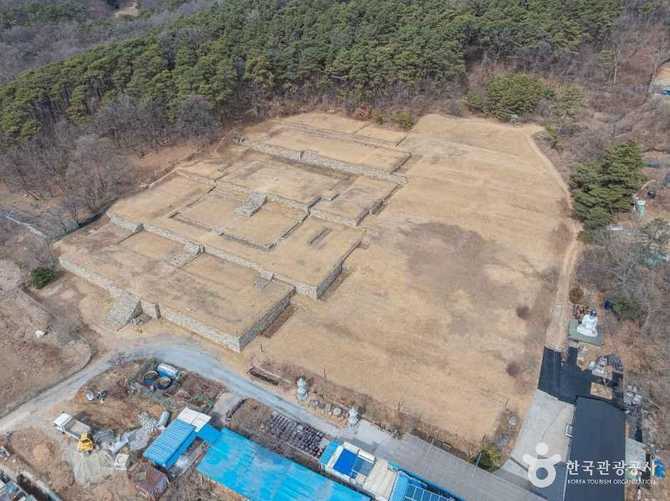
Understanding the background of the Gyeonghwa Seonwonji Site enriches your visit, providing context to the relics and structures you observe. Whether you are a scholar studying Korean Buddhism or a traveler seeking cultural depth, this site offers a meaningful experience of Korea’s spiritual past. Its discovery and preservation highlight Korea’s ongoing commitment to safeguarding its cultural heritage and promoting awareness of its historical significance.
Comparison of Key Relics and Features of Gyeonghwa Seonwonji Site
| Relic Item | Description | Significance |
|---|---|---|
| Foundation Stones | Large stones forming the base of the temple structure. | Provides insight into construction methods and architectural scale. |
| Decorated Bricks (전돌) | Bricks with Buddhist symbols and patterns engraved on them. | Reflects religious symbolism and artistic craftsmanship of the period. |
| Buddhist Statues (잡상) | Sculptures of Buddhas and Bodhisattvas, often placed on roof corners or entrances. | Symbolize spiritual guardianship and religious devotion. |
| Roof Ornaments (잡상) | Decorative sculptures placed on the roof ridges. | Serve both aesthetic and protective functions in temple architecture. |
How to Visit and Important Tips for Gyeonghwa Seonwonji Site
- Visit freely without prior reservation: The site is open year-round and can be visited at any time, making it convenient for spontaneous visits or planned trips.
- Location: Drive to 222 Seonwon Saji-ro, Seonwon-myeon, Ganghwa-gun, Incheon. The site is accessible by car with a designated parking lot available for visitors.
- Transportation: Visitors can use private vehicles or taxis. Public transportation options are limited, so planning ahead is recommended.
- Respect the site: To preserve the relics, avoid touching or removing artifacts. Do not damage or deface any part of the site.
- Be cautious during your visit: Walk carefully around uneven surfaces and natural terrain to prevent accidents.
Visitor Information & Location Details for Gyeonghwa Seonwonji Site
| Item | Details |
|---|---|
| Address | 222 Seonwon Saji-ro, Seonwon-myeon, Ganghwa-gun, Incheon, South Korea |
| Opening Hours | Open year-round, 24 hours, no restrictions |
| Admission Fee | Free of charge |
| Transportation |
|
| Parking | Free parking lot available for visitors arriving by car |
For more detailed directions or transportation inquiries, contact the site at 032-930-3114.

Remember to check your transportation options in advance to ensure a smooth visit to the Gyeonghwa Seonwonji Site.
Visitor Checklist for Gyeonghwa Seonwonji Site
- Bring comfortable walking shoes suitable for uneven terrain.
- Carry a water bottle and sun protection, especially during summer months.
- Respect the site by not touching or removing any relics or artifacts.
- Use designated pathways to avoid damaging the natural environment and relics.
- Maintain silence and be considerate of other visitors to preserve the tranquil atmosphere.
- Bring a camera or smartphone to capture the scenic views and relics, but avoid flash photography to protect artifacts.
- Check the weather forecast before visiting to dress appropriately.
- Plan your transportation in advance, especially if relying on taxis or public transit.
- Ensure you have your identification or any necessary permits if visiting for research or academic purposes.
- Dispose of trash properly in designated bins to keep the site clean and pristine.
Whether you visit during the day or evening, Discover Gyeonghwa Seonwonji Site is a meaningful stop on any Seoul itinerary for history-minded travelers.
Frequently Asked Questions (FAQ)
Q1: When was the Gyeonghwa Seonwonji Site first discovered?
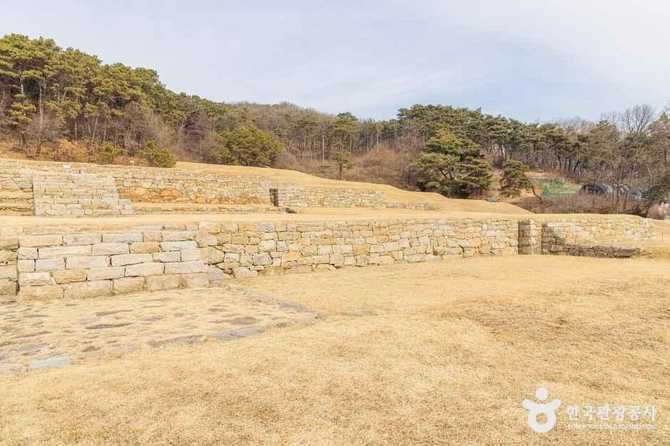
The Gyeonghwa Seonwonji Site was first discovered in 1976 by the Dongguk University Ganghwa Island Research Team. It was subsequently designated as a cultural heritage site in 1977.
Q2: What types of relics have been found at the Gyeonghwa Seonwonji Site?
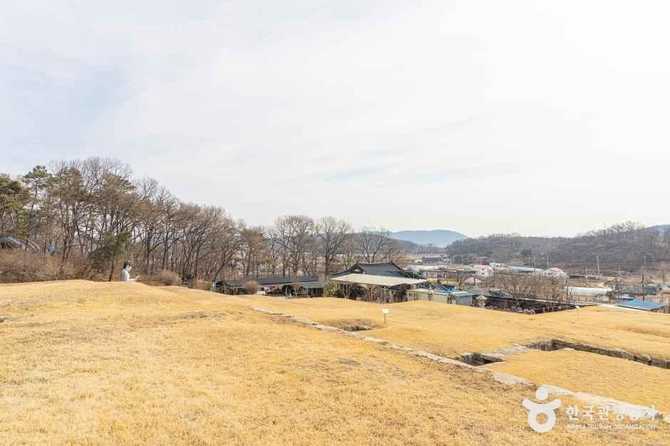
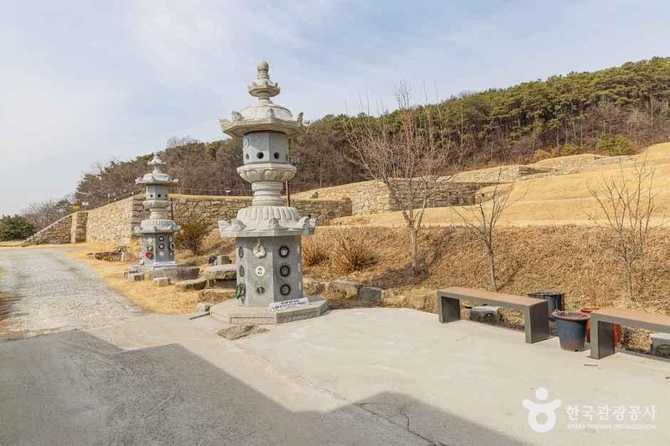
Relics include foundation stones, decorated bricks with Buddhist symbols, Buddhist statues, and roof ornaments. These artifacts provide insights into Korea’s ancient Buddhist architecture and religious practices.
Q3: Where is the Gyeonghwa Seonwonji Site located?
The site is located at 222 Seonwon Saji-ro, Seonwon-myeon, Ganghwa-gun, Incheon, South Korea. It is situated within the scenic landscape of Ganghwa Island, near Doga Village and Doga Mountain.
Q4: Is there an admission fee to visit the Gyeonghwa Seonwonji Site?
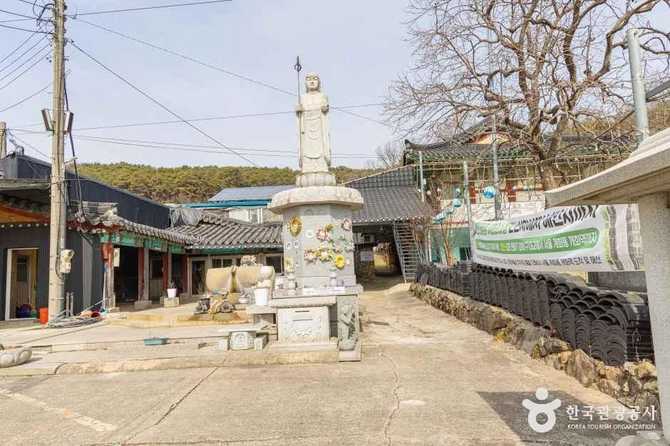
No, the Gyeonghwa Seonwonji Site is open to the public free of charge. Visitors can explore the site year-round without any entrance fee.
Q5: What are the visiting hours for the Gyeonghwa Seonwonji Site?
The site is open 24 hours a day, year-round, and is accessible at any time. There are no restrictions on visiting hours, allowing for flexible visits.
Q6: How should visitors ensure the preservation of the Gyeonghwa Seonwonji Site?
Visitors should avoid touching or removing relics, and refrain from causing any damage or defacement. Respect for the site helps preserve its historical value for future generations.
Closing: Discover the Rich Heritage of Gyeonghwa Seonwonji Site
Visiting the Gyeonghwa Seonwonji Site offers an unparalleled opportunity to connect with Korea’s ancient Buddhist history and cultural heritage. As one of the most significant historical sites on Ganghwa Island, this location provides insight into Korea’s spiritual and architectural traditions, making it a must-visit for travelers interested in Korea’s rich past. Whether you are a history enthusiast, a researcher, or a curious traveler, exploring this site will deepen your understanding of Korea’s religious and cultural development.
The site’s relics, including foundation stones, decorated bricks, and Buddhist statues, serve as tangible evidence of Korea’s ancient craftsmanship and religious devotion. Its discovery in 1976 and subsequent designation as a cultural heritage site in 1977 highlight its importance in Korea’s archaeological and cultural landscape. Visiting this site, with its natural surroundings and well-preserved relics, provides a meaningful experience that enriches your knowledge of Korea’s spiritual history.
Remember to respect the site by avoiding any damage or removal of artifacts, and take the opportunity to learn about its historical background beforehand. The Gyeonghwa Seonwonji Site is open year-round, free of charge, and easily accessible by car or taxi, making it a convenient destination for all visitors. By appreciating the significance of this cultural treasure, you contribute to its preservation for future generations. Make your visit meaningful by planning ahead, respecting the site, and immersing yourself in Korea’s fascinating spiritual and architectural heritage.