
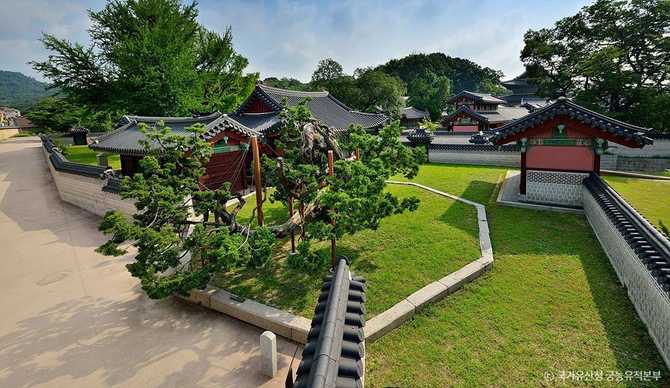
Discover the Historic Changdeokgung Hyangnamu: Korea’s 700-Year-Old Natural Monument
Are you interested in exploring Korea’s rich cultural heritage and natural beauty? Visiting the iconic Changdeokgung Palace offers a unique opportunity to witness one of Korea’s most treasured natural monuments—the Hyangnamu tree, a living symbol of centuries of history and ecological significance. This ancient tree, estimated to be around 700 years old, has stood witness to Korea’s royal history and natural evolution, making it a must-see for travelers passionate about cultural preservation and natural wonders.
In this guide, we delve into the fascinating history and ecological importance of the Changdeokgung Hyangnamu, highlighting why it is recognized as a natural monument and how visitors can appreciate its beauty responsibly. Whether you are a history enthusiast, a nature lover, or a researcher, understanding the significance of this majestic tree enriches your experience at Changdeokgung Palace. The Hyangnamu is not only a living relic of Korea’s royal past but also a vital part of the country’s ecological heritage, emphasizing the importance of conservation efforts.
As you plan your visit to Changdeokgung Palace, learning about the Hyangnamu will deepen your appreciation for Korea’s cultural landscape. This ancient tree embodies the harmonious relationship between Korea’s historical architecture and its natural environment, offering a glimpse into the meticulous care and reverence the Joseon Dynasty bestowed upon its natural surroundings. Respectful observation and adherence to preservation guidelines ensure that future generations can continue to enjoy this extraordinary natural monument.
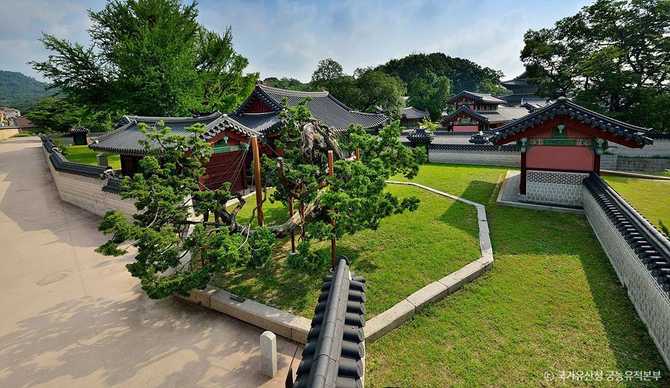
At a glance
- Who this is for
-
- Visitors interested in Korea’s history and cultural heritage
- Nature enthusiasts exploring natural monuments
- Researchers studying historic trees and ecological preservation
- Tourists seeking meaningful cultural experiences at Changdeokgung Palace
- Conservationists and experts in natural heritage protection
- Key takeaways
-
- The Hyangnamu tree is approximately 700 years old, dating back to the Joseon Dynasty.
- It stands 12 meters tall with a root circumference of 5.9 meters.
- The tree’s branches are asymmetrical, with notable damage and unique growth patterns.
- Designated as a natural monument, it holds high cultural and ecological value.
- Strict protection measures are in place to preserve this historic natural asset.
- Tips & cautions
-
- Visit designated areas to avoid natural damage and ensure preservation.
- Respect the natural environment by observing quietly and not disturbing the tree.
- Follow visitor guidelines and avoid unauthorized access or touching the tree.
- Check the latest visiting hours and regulations before your trip.
- Support conservation efforts by adhering to all protective measures.
- Bottom line
- Preserving the Hyangnamu at Changdeokgung Palace is vital for maintaining Korea’s rich cultural and ecological heritage for future generations.
Planning a visit to Changdeokgung Palace offers more than just a chance to admire its stunning architecture; it provides an opportunity to connect with Korea’s natural and historical legacy. The Hyangnamu tree, a living testament to the country’s centuries-old natural beauty, continues to inspire admiration and respect. As you explore the palace grounds, take a moment to appreciate this majestic tree, which embodies Korea’s commitment to preserving its natural and cultural treasures. Understanding its history, ecological importance, and the ongoing efforts to protect it enhances your travel experience and deepens your appreciation for Korea’s rich heritage.
In this guide, we will cover everything you need to know about the Hyangnamu tree at Changdeokgung Palace—from its historical background and ecological significance to visitor tips and protection measures. Whether you are a casual tourist or a dedicated researcher, this information will help you enjoy your visit responsibly and meaningfully, ensuring that this ancient natural monument continues to thrive for generations to come.
Overview of the Hyangnamu Tree at Changdeokgung Palace
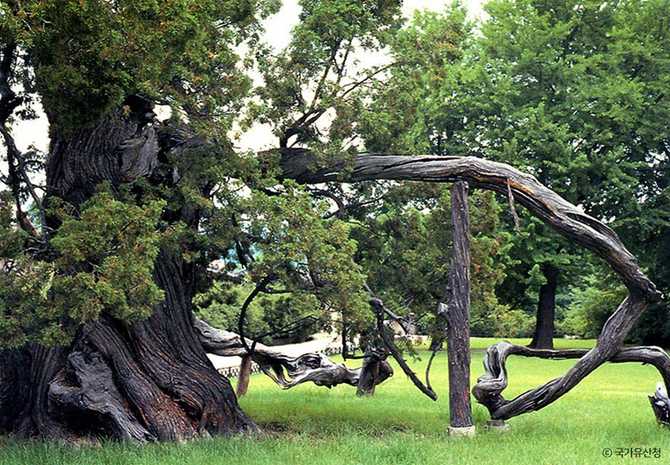
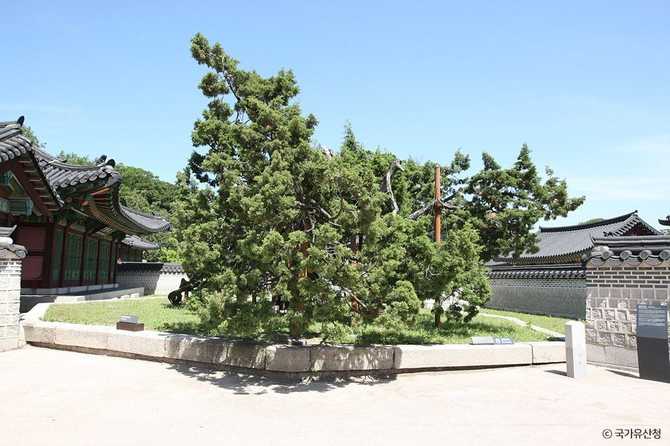
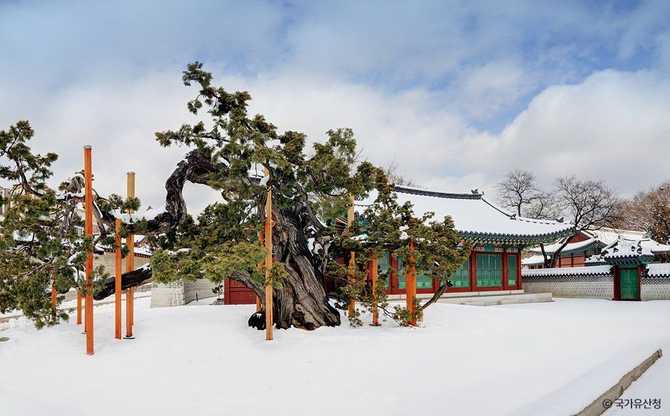
The Hyangnamu tree at Changdeokgung Palace is a revered natural monument with a history spanning over 700 years. As a living symbol of Korea’s rich cultural and ecological heritage, this ancient tree embodies the deep respect the Joseon Dynasty held for nature and the environment. The Hyangnamu is estimated to be approximately 700 years old, making it a significant relic from Korea’s royal history. It stands about 12 meters tall, with a root circumference of 5.9 meters, and features a unique growth pattern that reflects both natural resilience and historical significance. The tree’s branches extend in four directions, with notable damage on the southern branch, the northern branch dead, and the eastern branch growing in a distinctive, winding shape. This asymmetrical form resembles a dragon or a mythical creature, symbolizing Korea’s spiritual connection to nature and traditional beliefs.
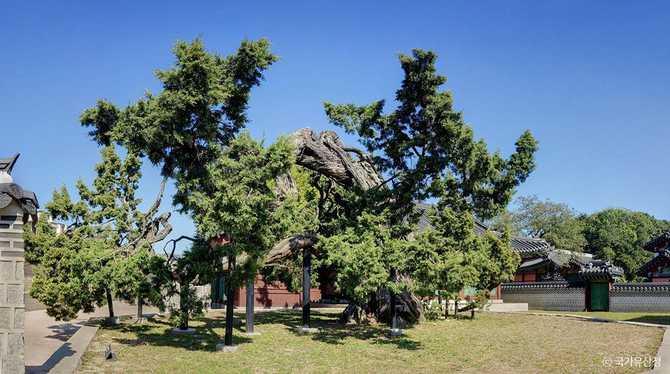
The Hyangnamu’s significance is further emphasized by its designation as a natural monument, a status that ensures its protection and preservation for future generations. Since its planting shortly after the founding of Changdeokgung Palace in 1404, the tree has witnessed centuries of Korean history, including the rise and fall of dynasties, wars, and cultural transformations. Its survival through these tumultuous periods highlights its resilience and the importance placed on natural preservation by the royal court. Today, the Hyangnamu remains a vital part of Korea’s cultural landscape, representing the harmonious relationship between nature and human history. Visitors to Changdeokgung Palace are encouraged to respect the designated preservation zones and avoid any actions that could damage this precious living relic. Understanding the historical context and ecological significance of the Hyangnamu enhances the appreciation of Korea’s commitment to conserving its natural and cultural treasures.
Comparison of the Hyangnamu Tree’s Characteristics and Preservation Status
| Feature | Details |
|---|---|
| Estimated Age | Approximately 700 years, dating back to the early 15th century |
| Height | About 12 meters tall |
| Root Circumference | Approximately 5.9 meters |
| Branch Structure | South branch cut, north branch dead, east branch winding and unique |
| Protection Status | Designated as a natural monument, under strict protection |
| Growth Pattern | Asymmetrical with distinctive winding eastern branch |
| Historical Significance | Planted shortly after 1404, symbolizing natural and cultural heritage |
This comparison highlights the Hyangnamu’s unique features and the importance of its preservation. The tree’s age, size, and distinctive growth pattern make it a remarkable natural monument. Its protection status ensures that it remains a vital part of Korea’s natural and cultural landscape, with ongoing conservation efforts to prevent natural damage and ensure its longevity for future generations.
Visitor Checklist and Preservation Tips for the Hyangnamu Tree
- Visit only within designated areas to prevent damage to the tree and surrounding environment.
- Maintain a respectful distance and avoid touching or climbing the tree.
- Refrain from picking leaves, branches, or any part of the tree to preserve its health.
- Follow all posted signs and guidelines provided by park authorities.
- Do not litter; dispose of trash in designated bins to keep the area clean and natural.
- Use quiet voices and avoid loud noises to protect the tranquility of the site.
- Check the latest visiting hours and regulations on the official Changdeokgung Palace website before your visit.
By following these guidelines, visitors can help protect the Hyangnamu and ensure its continued existence as a symbol of Korea’s natural and cultural heritage. Respectful observation and responsible behavior are essential for maintaining the integrity of this ancient tree for generations to come.
Visitor Information & Tips for Viewing the Hyangnamu Tree
To fully appreciate the beauty and historical significance of the Hyangnamu tree at Changdeokgung Palace, it’s important to plan your visit carefully. Understanding the best times to visit, observing the rules for respectful viewing, and knowing the access points will ensure a meaningful and responsible experience. Below is a detailed overview of visitor hours, observation guidelines, and tips to help you make the most of your visit.
| Season | Visit Hours | Last Entry |
|---|---|---|
| February to May, September to October | 09:00 – 18:00 | 17:00 |
| June to August | 09:00 – 18:30 | 17:30 |
| November to January | 09:00 – 17:30 | 17:30 |
When visiting the Hyangnamu tree, it is crucial to observe the designated viewing areas and adhere to the rules to prevent any damage. Always check the latest information on the official Changdeokgung Palace website or at the visitor center before your trip, as hours and regulations may change seasonally or due to special circumstances.
Visitor Checklist and Preservation Tips for the Hyangnamu Tree
- Visit only within the designated observation zones to ensure the safety and preservation of the Hyangnamu tree.
- Maintain a respectful distance from the tree; do not touch or climb it to prevent physical damage.
- Avoid picking leaves, branches, or any part of the tree to help maintain its health and longevity.
- Follow all posted signs and adhere to guidelines provided by the park authorities.
- Dispose of trash properly in designated bins to keep the environment clean and natural.
- Keep noise levels low and avoid loud conversations to preserve the tranquility of the site.
- Before visiting, verify the latest visiting hours and rules through the official Changdeokgung Palace website or visitor information desk.
By following these visitor tips and preservation guidelines, you contribute to safeguarding the Hyangnamu for future generations. Respectful and responsible behavior ensures that this historic tree remains a symbol of Korea’s natural and cultural heritage, allowing all visitors to enjoy its majestic presence for years to come.
Whether you visit during the day or evening, Discover the Historic Changdeokgung Hyan is a meaningful stop on any Seoul itinerary for history-minded travelers.
Frequently Asked Questions (FAQ)
Q1: How old is the Hyangnamu tree at Changdeokgung Palace?
An: The Hyangnamu tree is estimated to be approximately 700 years old, dating back to the early 15th century, shortly after the palace’s founding in 1404.
Q2: What are the dimensions of the Hyangnamu tree?
An: The tree stands about 12 meters tall with a root circumference of approximately 5.9 meters, making it a significant natural monument.
Q3: What is the appearance and structure of the Hyangnamu’s branches?
An: The branches extend in four directions; the southern branch is cut, the northern branch is dead, and the eastern branch is winding and unique, resembling a mythical creature or dragon.
Q4: Why is the Hyangnamu tree designated as a natural monument?
An: It is designated as a natural monument due to its historical significance, ecological value, and status as a living symbol of Korea’s cultural and natural heritage, surviving for over 700 years.
Q5: What protection measures are in place for the Hyangnamu tree?
An: The tree is under strict protection as a natural monument, with designated zones to prevent damage, and visitors are required to observe preservation guidelines to avoid natural harm.
Q6: How can visitors responsibly view the Hyangnamu tree at Changdeokgung Palace?
An: Visitors should stay within designated areas, avoid touching or climbing the tree, follow all posted guidelines, and check the latest visiting hours on the official website to ensure respectful and safe viewing.
Final Thoughts on the Significance of the Hyangnamu Tree at Changdeokgung Palace
Visiting Korea offers a unique opportunity to connect with its rich cultural and natural heritage, and the Changdeokgung Hyangnamu stands as a remarkable testament to this legacy. As a living relic estimated to be around 700 years old, this ancient tree embodies Korea’s deep respect for nature and historical preservation. Its distinctive shape, historical background, and ecological importance make it an essential part of your cultural journey at Changdeokgung Palace. By understanding the significance of this natural monument, visitors can appreciate the careful efforts made to protect and conserve Korea’s natural and cultural treasures. Remember to observe the preservation guidelines, respect the designated viewing areas, and support ongoing conservation initiatives. Your mindful behavior helps ensure that future generations can also experience the awe and beauty of this extraordinary natural monument. Whether you are a history enthusiast, a nature lover, or a curious traveler, the Hyangnamu offers a meaningful glimpse into Korea’s harmonious relationship between history and ecology. Cherish this experience and carry its significance with you as a reminder of Korea’s enduring natural and cultural heritage.