
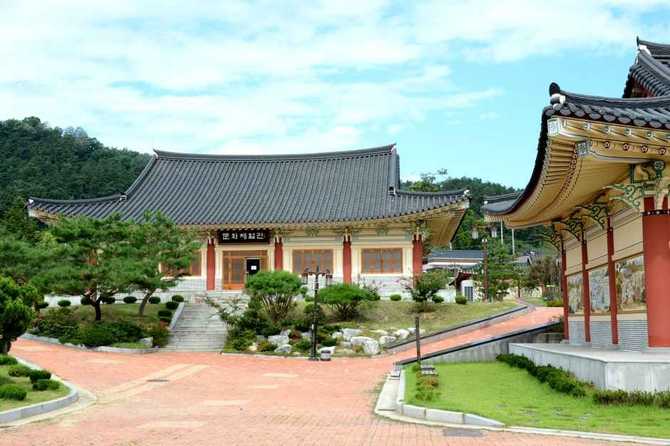
Experience Traditional Culture and Agricultural History at Jeungpyeong Folk Experience Museum
Discover the rich heritage of Jeungpyeong through immersive cultural and agricultural experiences at the Jeungpyeong Folk Experience Museum. Whether you’re a family seeking educational fun, a student exploring Korea’s rural traditions, or a curious traveler interested in local history, this museum offers a unique opportunity to connect with Korea’s past in an engaging way.
At the Jeungpyeong Folk Experience Museum, visitors can explore traditional farming practices, folk customs, and historic lifestyles through interactive exhibits and hands-on activities. The museum’s diverse programs include traditional craft workshops, agricultural games, and architectural experiences like staying in a Hanok. Best of all, entry is free, making it accessible for everyone eager to learn about Korea’s rural cultural heritage.
Located in Jeungpyeong County, Chungcheongbuk-do, the museum serves as a vital space for preserving and promoting regional folk traditions. It is ideal for families, students, researchers, and anyone interested in Korea’s rural history. The museum operates seasonally from March to October and offers a variety of programs designed to deepen understanding of traditional Korean life.
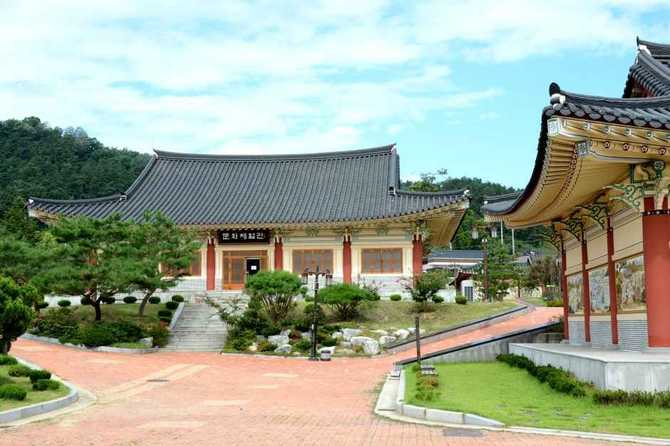
In this guide, you’ll find comprehensive information about the museum’s location, exhibits, visiting hours, admission policies, and tips for planning your trip. Whether you’re visiting for a few hours or planning a detailed educational tour, the Jeungpyeong Folk Experience Museum provides a meaningful cultural experience that connects you to Korea’s agricultural roots and folk customs.
Table of contents
At a glance
- Who is this for?
-
- Travelers interested in Korean traditional culture and rural history
- Families seeking educational activities for children
- Students and researchers studying Korean folk customs and agriculture
- Key takeaways
-
- Free admission, with additional charges for some programs
- Seasonal operation from March to October
- Interactive exhibits including folk crafts, farming games, and Hanok experiences
- Located in Jeungpyeong County, Chungcheongbuk-do
- Open from 09:00 to 18:00 (March–October) and 09:00 to 17:00 (November–February)
- Tips & cautions
-
- Check operation hours and special events before visiting
- Reserve experience programs in advance via the website or phone
- Parking is free, but arrive early during peak seasons
- Closed every Monday and on public holidays, Lunar New Year, and Chuseok
- Bottom line
- The Jeungpyeong Folk Experience Museum offers an enriching, hands-on journey into Korea’s traditional rural life, perfect for families and cultural enthusiasts alike.
Museum Overview and Location
The Jeungpyeong Folk Experience Museum is a prominent cultural space dedicated to showcasing Korea’s traditional rural life and agricultural history. Located in Jeungpyeong County within Chungcheongbuk-do Province, this museum serves as an educational hub where visitors can immerse themselves in Korea’s rich folk heritage. The museum’s primary focus is to provide an engaging environment for learning about traditional farming practices, folk customs, and daily life of Korea’s ancestors. It offers a comprehensive look at the region’s unique cultural identity through a variety of exhibits and hands-on experiences.
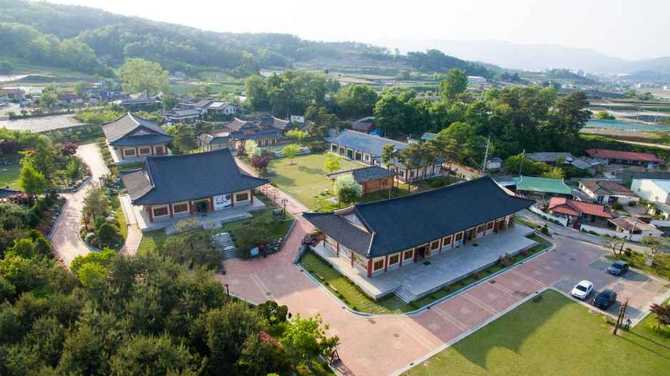
The museum is situated in a scenic area that reflects Korea’s rural landscape, making it an ideal destination for those interested in agricultural history and traditional lifestyles. Its strategic location makes it accessible for visitors traveling from nearby cities or other parts of Korea. The facility is designed to be family-friendly, with outdoor spaces and traditional architecture that evoke a nostalgic atmosphere. Visitors can explore traditional farm tools, folk art, and participate in various craft workshops, which are all aimed at fostering a deeper appreciation for Korea’s agricultural roots.
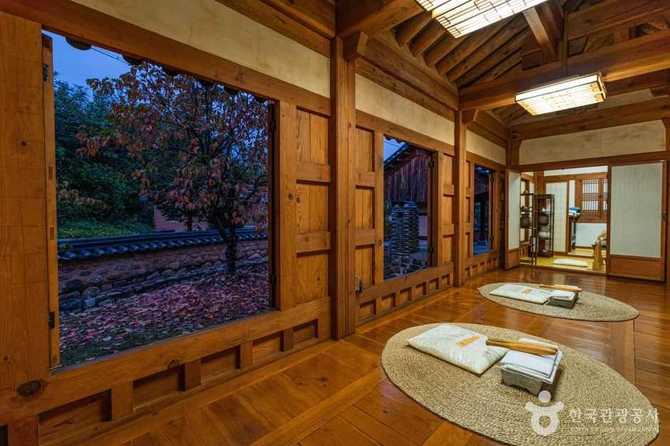
Open seasonally from March to October, the museum operates daily from 09:00 AM to 06:00 PM during these months, and from 09:00 AM to 05:00 PM from November to February. It is closed every Monday, as well as on public holidays such as Lunar New Year and Chuseok, to allow for maintenance and special events. Admission is free, making it an accessible destination for families, students, and cultural enthusiasts. The museum also features outdoor activity zones, traditional Hanok buildings, and craft spaces, providing a comprehensive experience of Korea’s rural traditions. Visitors are encouraged to check the official website or contact the museum ahead of their visit to confirm operating hours and any special events or temporary closures.
Overall, the Jeungpyeong Folk Experience Museum offers a meaningful glimpse into Korea’s farming and folk traditions, making it a must-visit cultural landmark for anyone interested in Korean history and rural life. Whether you’re exploring with family, conducting research, or simply seeking a cultural escape, this museum provides an authentic and educational experience that highlights the beauty and significance of Korea’s agricultural past.
Comparison of Exhibits and Experience Programs
| Exhibit / Program | Details | Notes |
|---|---|---|
| Regional Folk Art & Cultural Exhibits | Displays traditional farming tools, folk costumes, and local crafts that depict Jeungpyeong’s rural lifestyle. | Accessible for all ages; self-guided viewing. |
| Agricultural Experience Programs | Hands-on activities such as rice planting, traditional farming games, and harvesting simulations. | Available seasonally; reservation recommended. |
| Traditional Craft Workshops | Participate in making pottery, weaving, or woodcraft under expert guidance. | Additional fee applies; booking required in advance. |
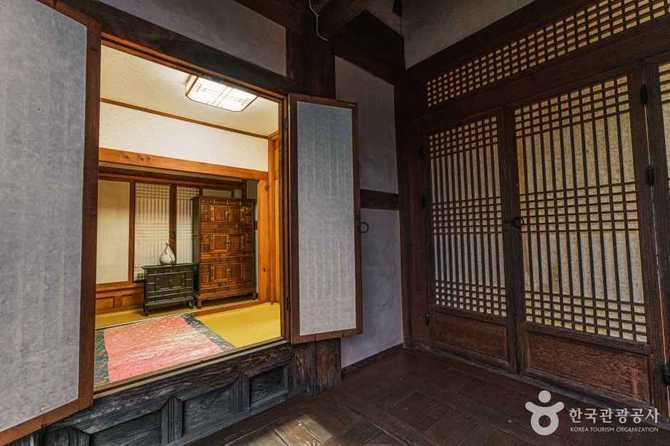
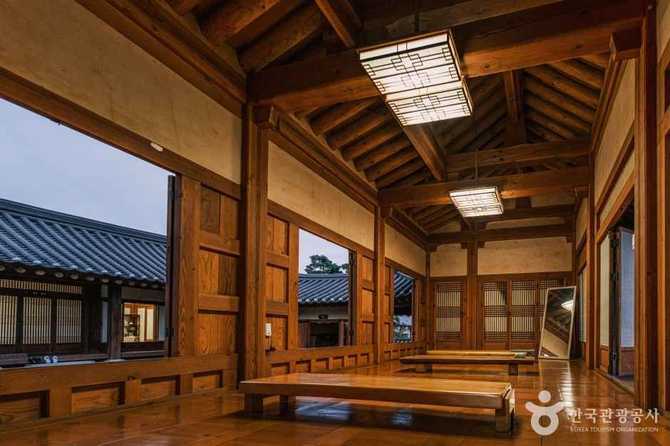
| Hanok and Architecture Experience | Stay or tour in traditional Korean hanok houses, learning about traditional construction methods. | Open to groups and individual visitors; some areas may require booking. |
| Folk Games & Community Activities | Participate in folk games like jangtteul-dure, ssireum, and other community-based activities. | Scheduled during special events or festivals; check the schedule. |
Visiting Checklist and Tips
- Check Operating Hours: Before planning your visit, verify the museum’s hours and any special event schedules on the official website or by calling ahead.
- Reserve Experience Programs: Many workshops and hands-on activities require advance booking. It’s recommended to reserve at least one day prior to your visit to secure your spot.
- Arrive Early: Especially during peak seasons, arriving early can help you avoid crowds and make the most of your experience.
- Prepare for Seasonal Weather: The museum operates seasonally, so dress appropriately for the weather, especially if you plan outdoor activities.
- Parking and Accessibility: Free parking is available on-site. The facility is accessible for visitors with mobility challenges.
Tip: To enhance your experience, consider visiting during cultural festivals or special events held at the museum, which often feature additional demonstrations and traditional performances.
Admission Fees and Booking Procedures
The Jeungpyeong Folk Experience Museum offers free admission to all visitors, making it an accessible cultural destination for families, students, and tourists interested in Korea’s rural traditions. While entry is free, some of the experience programs and workshops may require additional fees. It is advisable to check the museum’s official website or contact them directly for detailed information on specific programs and their costs.
Booking for special experience programs, workshops, or guided tours can typically be made via the museum’s official website or by telephone. It is recommended to reserve at least one day in advance to secure your participation, especially during busy seasons or for popular activities like pottery making or Hanok stays. Group reservations may require separate arrangements, so contacting the museum ahead of your visit is encouraged to ensure availability and to clarify any additional costs.
Reservation and Payment Process
- Visit the official website of Jeungpyeong Folk Experience Museum or call their contact number to inquire about available programs.
- Choose the experience or workshop you wish to participate in and confirm the schedule and fees.
- Complete the reservation form online or provide your details via phone. Some programs may require prepayment or a deposit.
- Arrive at the museum on the scheduled date and time, and present your reservation confirmation if needed.
Important Visiting Tips and Precautions
- Verify Operating Hours: Always check the museum’s official website or contact the staff before your visit to confirm current opening hours and any special events or temporary closures.
- Plan and Reserve in Advance: For participation in hands-on workshops or special programs, make reservations early to ensure availability, especially during peak seasons or weekends.
- Arrive Early: Arriving early helps you avoid crowds and allows ample time to enjoy all exhibits and activities without rushing.
- Dress Accordingly: Since the museum operates seasonally, dress appropriately for the weather, especially if outdoor activities or traditional architecture tours are included in your plan.
- Parking and Accessibility: Free parking is available on-site, and the facility is accessible to visitors with mobility challenges. Be sure to arrive early during busy periods to secure parking space.
- Respect Cultural Heritage: When participating in traditional craft workshops or exploring Hanok buildings, follow the guidelines and instructions provided by staff to preserve the authenticity and integrity of Korea’s cultural assets.
- Check for Special Events: The museum often hosts cultural festivals, demonstrations, and performances. Attending these events can enrich your experience, so review the schedule in advance.
Tip: To maximize your visit, combine your trip with nearby attractions or cultural sites in Jeungpyeong County. Planning ahead ensures a smooth and memorable experience.
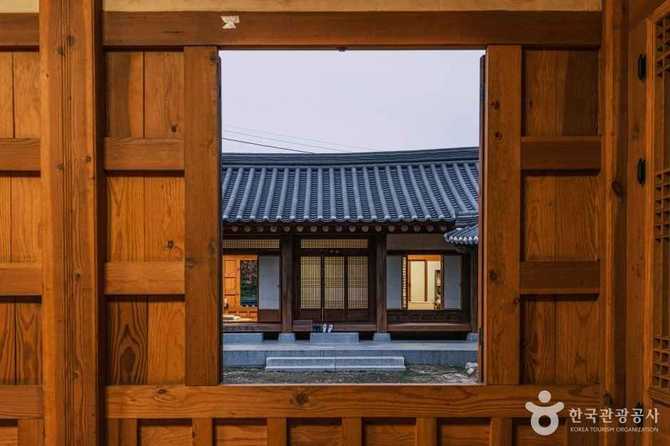
Whether you visit during the day or evening, Experience Traditional Culture and Agric is a meaningful stop on any Seoul itinerary for history-minded travelers.
Frequently Asked Questions (FAQ)
Q1: What exhibits and activities are available at Jeungpyeong Folk Experience Museum?
The museum features traditional farming tools, folk costumes, and local crafts, along with hands-on programs like rice planting, traditional games, pottery making, and Hanok experiences. Many activities are family-friendly and designed to educate visitors about Korea’s rural heritage.
Q2: What are the operating hours of Jeungpyeong Folk Experience Museum?
The museum operates seasonally from March to October, from 09:00 AM to 06:00 PM with last admission at 05:00 PM. From November to February, it is open from 09:00 AM to 05:00 PM, with last admission at 04:00 PM. It is closed every Monday and on public holidays like Lunar New Year and Chuseok.
Q3: Is there an admission fee to visit the museum?
No, entry to Jeungpyeong Folk Experience Museum is free. However, some experience programs and workshops may require additional charges, which should be checked in advance through the museum’s official website or by phone.
Q4: How can I participate in the experience programs at the museum?
Reservations for workshops such as pottery, weaving, or Hanok stays can be made via the museum’s website or by calling ahead. It is recommended to book at least one day in advance, especially during peak seasons or for popular activities.
Q5: What should I keep in mind when planning my visit?
Check the museum’s operating hours and special events before visiting. Arrive early to avoid crowds, especially during busy seasons. Parking is free, and the museum is accessible for visitors with mobility challenges. Note that the museum is closed on Mondays and during major holidays.
Q6: Why was Jeungpyeong Folk Experience Museum established?
The museum was founded to preserve and promote Korea’s rural folk traditions and agricultural history. It aims to provide educational and cultural experiences that connect visitors with Korea’s traditional way of life, especially focusing on Jeungpyeong’s local heritage.
Conclusion: Why Visit the Jeungpyeong Folk Experience Museum
Visiting the Jeungpyeong Folk Experience Museum offers a meaningful opportunity to explore Korea’s rich traditional culture and agricultural history firsthand. This museum provides an engaging environment where families, students, and cultural enthusiasts can immerse themselves in Korea’s rural lifestyle through interactive exhibits, hands-on programs, and authentic architectural experiences. Whether you’re interested in participating in traditional craft workshops, experiencing farming activities, or simply learning about local folk customs, the museum caters to a wide range of interests and age groups.
One of the key advantages of the Jeungpyeong Folk Experience Museum is its accessibility—free admission, seasonal operation, and a variety of programs that can be enjoyed without a heavy budget. It’s an ideal destination for those seeking a family-friendly cultural outing or an educational trip for students and researchers. The museum’s beautifully preserved traditional buildings and outdoor spaces create an immersive atmosphere that makes Korea’s rural past come alive.
Planning your visit with prior knowledge of operating hours and available programs will ensure a smooth and rewarding experience. Whether you’re exploring for a few hours or planning a detailed educational tour, the Jeungpyeong Folk Experience Museum promises an authentic and enriching journey into Korea’s farming traditions and folk life. Make sure to check the schedule for special events or festivals, as these occasions often feature additional demonstrations and performances that enhance your cultural experience. Visiting this museum is a wonderful way to deepen your understanding of Korea’s regional heritage while creating lasting memories with family and friends.