
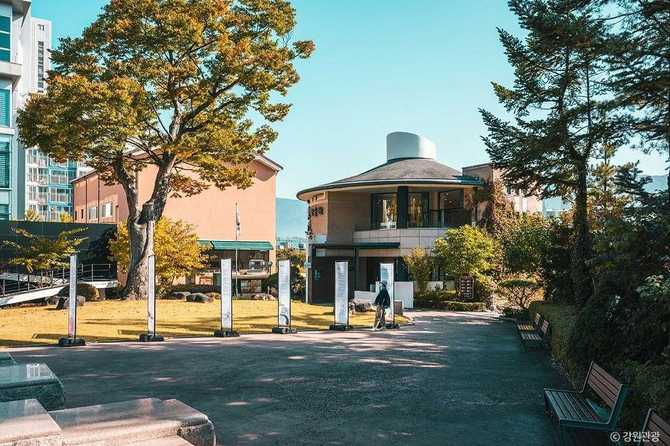
Discover the Beauty of Korean Literature at Wonju Pak Kyong-ni Literary Park
Are you interested in exploring Korea’s rich literary heritage and experiencing the life and works of one of its most celebrated authors? The Wonju Pak Kyong-ni Literary Park offers a unique opportunity to immerse yourself in Korean modern literature, learn about the life of Pak Kyong-ni, and enjoy the scenic surroundings that inspired her writing. Located in the city of Wonju, this cultural site is a must-visit for literature enthusiasts, families, and travelers seeking meaningful cultural experiences in Korea.
At the heart of this literary park, visitors can walk through the preserved old house where Pak Kyong-ni penned parts of her famous novel ‘Toji’ (Land), and explore various exhibitions that showcase her life and literary achievements. The park is not only a tribute to the author but also a space where visitors can reflect on Korea’s modern literary history amid beautiful natural scenery. Best of all, entry is free, making it accessible for everyone eager to deepen their understanding of Korean literature and culture.

At a glance
- Who this is for
-
- Literature lovers interested in Korean modern writers
- Travelers exploring cultural sites in Wonju
- Families seeking educational and cultural experiences
- Fans of Pak Kyong-ni and her works, especially ‘Toji’
- Key takeaways
-
- Located at 1 Toji-gil, Wonju, Gangwon Province
- Free admission, open year-round
- Features preserved old house, literary exhibits, and scenic grounds
- Operates from 10:00 AM to 5:00 PM, closed on Mondays and public holidays
- Includes a literary house, café, and scenic spots like Pyeongsari Yard and Yongdu-re Beol
- Tips & cautions
-
- Check the official website or contact beforehand for special events or updates
- Visit during spring or fall for the best natural scenery
- Wear comfortable shoes and bring sun protection for outdoor areas
- Plan your visit outside peak hours to enjoy a more tranquil experience
- Bottom line
- Wonju Pak Kyong-ni Literary Park is a meaningful cultural space where visitors can connect with Korea’s literary heritage and the life of a literary giant.
If you are passionate about Korean literature or looking for a culturally enriching experience during your visit to Wonju, the Pak Kyong-ni Literary Park offers an insightful journey into the world of one of Korea’s most influential authors. The park beautifully combines natural landscapes with literary history, allowing visitors to walk through the settings that inspired her writing and learn about her life through engaging exhibitions. Whether you are a dedicated reader or a curious traveler, this site provides a peaceful environment to reflect on Korea’s modern literary achievements.
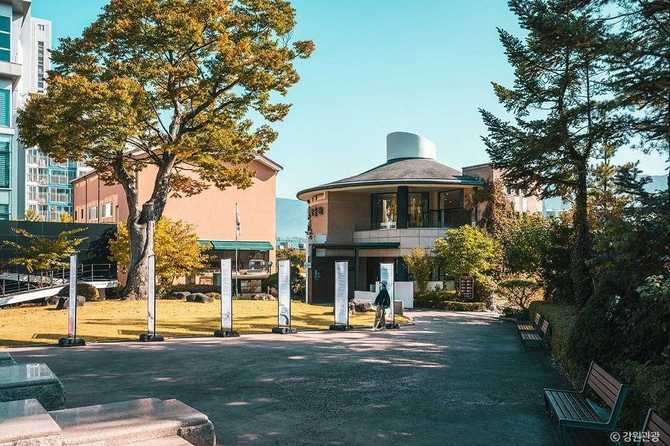
Furthermore, the park’s free entry and family-friendly facilities make it an accessible destination for all visitors. From exploring the preserved old house to enjoying the scenic grounds and participating in cultural programs, there are many ways to deepen your appreciation for Korean literature. Planning your visit with some basic tips, such as checking operating hours and weather conditions, will ensure a smooth and enjoyable experience. Discover the depth of Korean literary history at Wonju Pak Kyong-ni Literary Park and gain a new perspective on Korea’s cultural landscape.
Overview of Wonju Pak Kyong-ni Literary Park
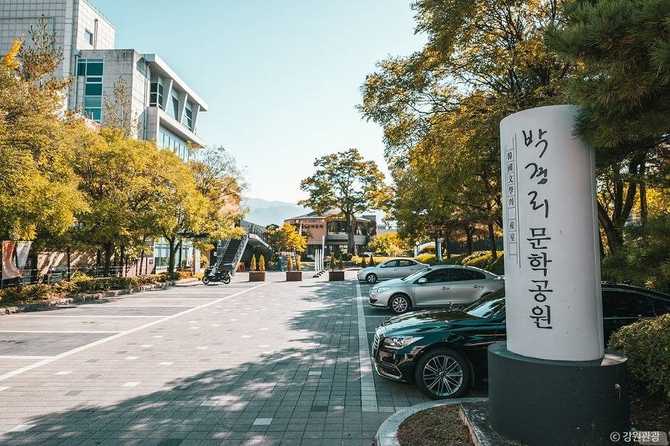
Nestled in the scenic city of Wonju, South Korea, the Wonju Pak Kyong-ni Literary Park stands as a prominent cultural and literary landmark dedicated to one of Korea’s most influential modern writers. This park offers visitors a unique opportunity to immerse themselves in the life and works of Pak Kyong-ni, the author of the monumental novel Toji (Land). The park is designed to celebrate her literary achievements while providing a tranquil environment where visitors can connect with Korea’s rich literary history amidst natural beauty.
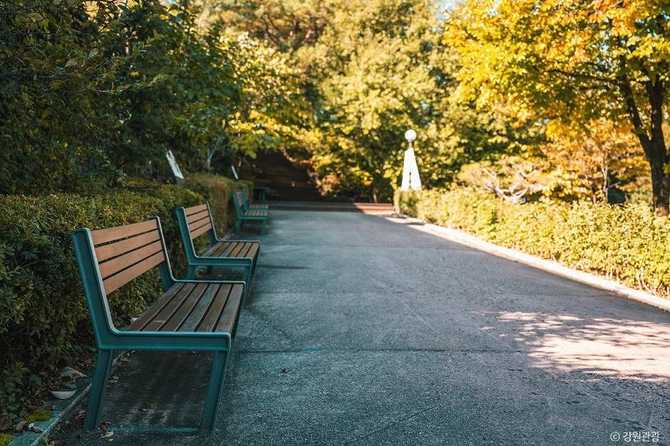
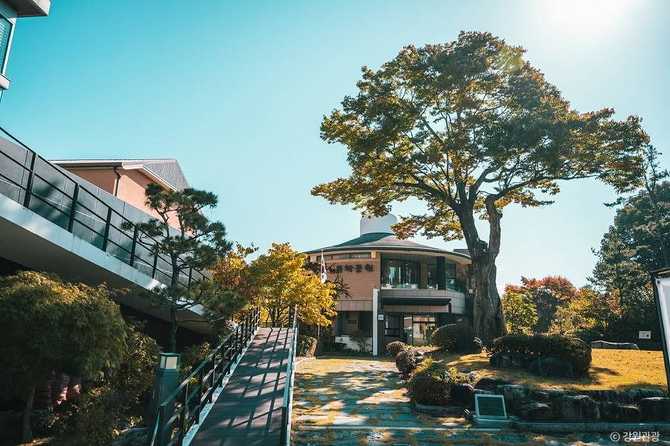
The site features the preserved old house where Pak Kyong-ni spent time writing her novels, along with various exhibition spaces that showcase her personal life, her creative process, and her literary legacy. The park’s location at 1 Toji-gil makes it easily accessible from central Wonju, attracting both local visitors and international travelers interested in Korea’s modern literary heritage. Entry to the park is free, making it an attractive destination for families, students, and literature enthusiasts alike.
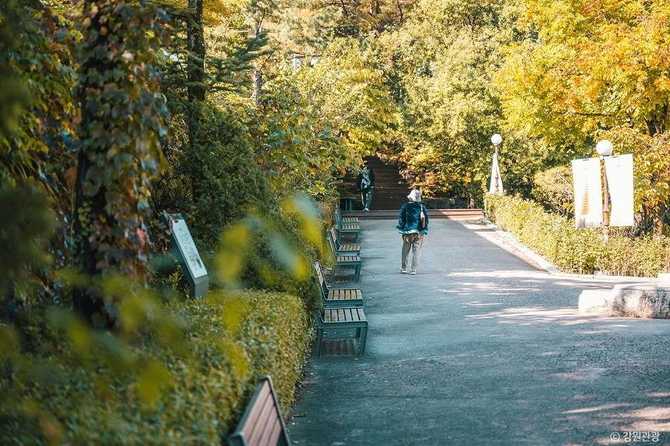
Beyond its historical significance, the park also offers scenic grounds such as Pyeongsari Yard and Yongdu-re Beol, which inspired parts of her novels. Visitors can stroll through these picturesque settings, enjoy quiet moments of reflection, or participate in cultural events held throughout the year. The literary park is not only a tribute to Pak Kyong-ni but also a vibrant space that promotes Korean literature and cultural understanding. Whether you are interested in her novels, her life story, or simply seeking a peaceful natural environment, the Wonju Pak Kyong-ni Literary Park is a must-visit destination for those eager to explore Korea’s modern literary landscape.
Comparison of Main Facilities and Exhibits at the Park
| Facility/Exhibit | Description | Highlights |
|---|---|---|
| Old House | A well-preserved traditional Korean house where Pak Kyong-ni lived and wrote during her time in Wonju. | Provides insight into her daily life and environment; essential for understanding her inspiration. |
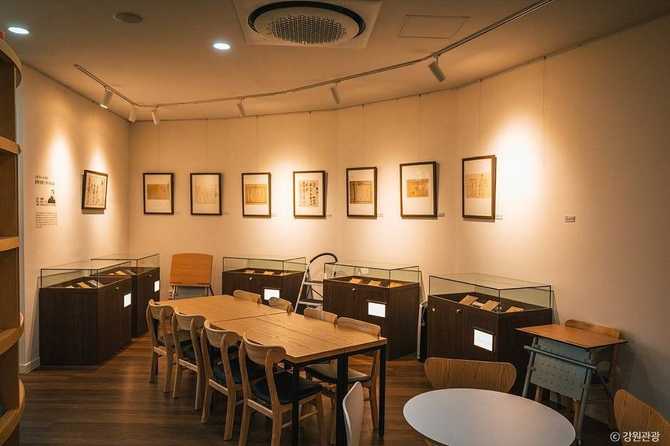
| Literary House | A modern exhibition space with displays about Pak Kyong-ni’s life, her creative process, and her major works. | Includes multimedia presentations, photographs, and documents related to her literary career. |
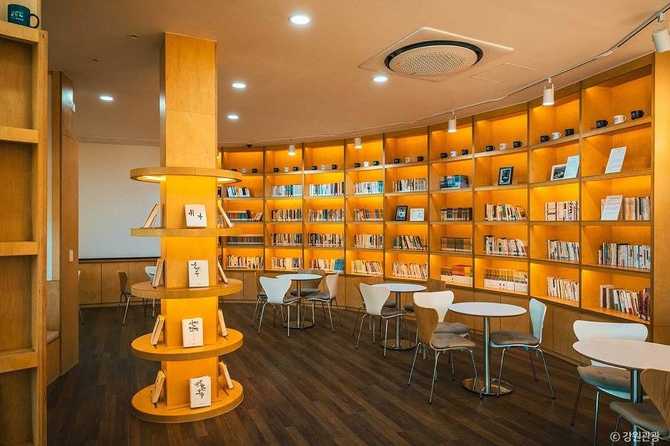
| Book Café | A cozy café offering a selection of books, including her works and related literature, where visitors can relax and read. | Perfect for leisure reading and enjoying a peaceful atmosphere amidst literary ambiance. |
| Pyeongsari Yard & Yongdu-re Beol | Scenic outdoor spaces that served as the backdrop for her novels, offering natural beauty and tranquility. | Ideal spots for outdoor reflection, photography, and experiencing the natural environment that inspired her writing. |
Visitor Checklist and Tips for Visiting the Park
- Check the opening hours: The park operates from 10:00 AM to 5:00 PM, with a break from 12:00 PM to 1:00 PM.
- Plan your visit on non-holiday days: The park is closed every Monday, as well as on January 1st and during major Korean holidays such as Lunar New Year and Chuseok.
- Wear comfortable shoes: Expect to walk around outdoor grounds and exhibit spaces.
- Bring sun protection: Hats, sunscreen, and water are recommended, especially during spring and summer visits.
- Visit during spring or fall: These seasons offer the most scenic natural views, with blooming flowers or vibrant autumn foliage.
- Check for special events: Before your trip, visit the official website or contact the park to learn about cultural programs or exhibitions happening during your stay.
Visitor Reviews and Recommended Visit Times
Many visitors to the Wonju Pak Kyong-ni Literary Park praise its peaceful atmosphere and the opportunity to connect deeply with Korea’s modern literary history. Families, students, and literature enthusiasts often highlight the serene outdoor grounds and well-preserved old house as the highlights of their visit. The park is especially popular during spring and autumn, when the natural scenery enhances the overall experience.
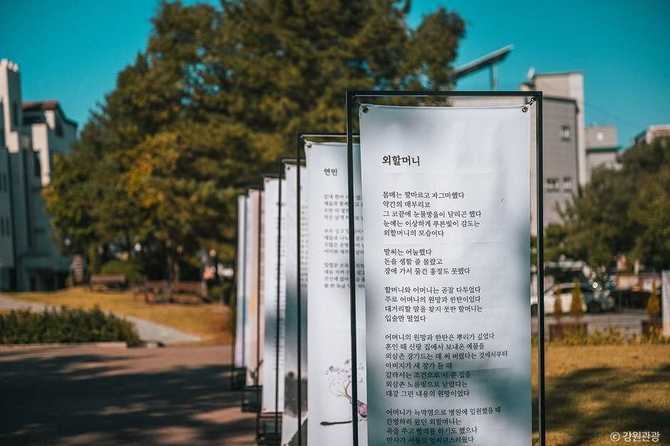
Here are some recommended times to visit based on visitor feedback and natural beauty:
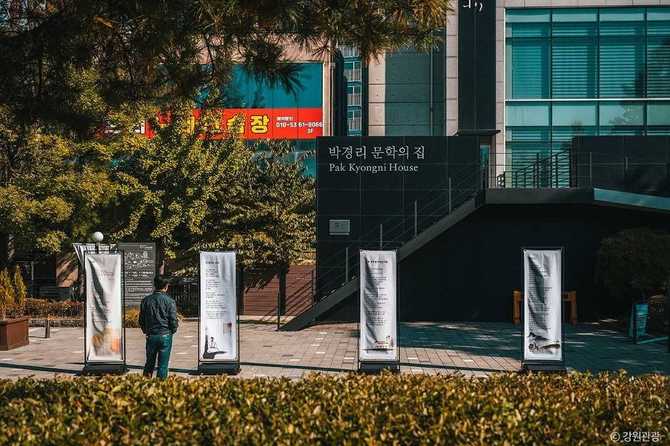
- Spring (March to May): Witness the blooming flowers and fresh greenery, creating a vibrant backdrop for exploring the outdoor grounds and scenic spots like Pyeongsari Yard and Yongdu-re Beol.
- Autumn (September to November): Enjoy the colorful foliage, which provides stunning photo opportunities and a tranquil atmosphere perfect for reflection and leisurely walks.
- Summer (June to August): Ideal for outdoor activities, though visitors should prepare for warmer weather and possible rain showers.
- Winter (December to February): Offers a quiet, contemplative environment with snow-covered scenery, suitable for peaceful walks and appreciating the park’s natural beauty in a different season.
To maximize your experience, visiting during weekdays outside of holiday periods can help avoid crowds and provide a more intimate connection with the literary and natural environment of the park.
Visitor Checklist and Tips for Visiting the Park
- Check the operating hours: The park is open from 10:00 AM to 5:00 PM, with a break from 12:00 PM to 1:00 PM. Confirm hours before your visit as they may vary during special events or holidays.
- Plan your visit on non-holiday days: The park is closed every Monday, as well as on January 1st and major Korean holidays such as Lunar New Year and Chuseok.
- Wear comfortable shoes: Expect to walk around outdoor grounds, exhibit spaces, and scenic spots.
- Bring sun protection: Hats, sunscreen, and water are recommended, especially during spring and summer visits.
- Visit during spring or fall: These seasons offer the most scenic natural views, with blooming flowers or vibrant autumn foliage.
- Check for special events: Visit the official website or contact the park in advance to learn about cultural programs, temporary exhibitions, or seasonal activities happening during your stay.
- Arrive early: To enjoy a peaceful experience and avoid crowds, especially on weekends and holidays.
- Prepare for outdoor conditions: In case of rain or strong sun, bring appropriate clothing and gear to ensure comfort throughout your visit.
Whether you visit during the day or evening, Discover the Beauty of Korean is a meaningful stop on any Seoul itinerary for history-minded travelers.
Frequently Asked Questions (FAQ)
Q1: Where is Wonju Pak Kyong-ni Literary Park located?
The park is situated at 1 Toji-gil, Wonju, Gangwon Province, South Korea. It is easily accessible from central Wonju and is a prominent cultural site in the city.
Q2: Is there an entrance fee for the park?
No, the park is free to enter and open year-round. Visitors can enjoy all outdoor and indoor exhibits without any admission charge.
Q3: What are the operating hours of Wonju Pak Kyong-ni Literary Park?
The park operates from 10:00 AM to 5:00 PM, with a break from 12:00 PM to 1:00 PM. It is closed every Monday and on major Korean holidays such as New Year’s Day and Chuseok.
Q4: What facilities are available at the park?
The park features Pak Kyong-ni’s preserved old house, a literary exhibition hall, a book café, and scenic outdoor areas like Pyeongsari Yard and Yongdu-re Beol. These facilities provide cultural, educational, and leisure experiences.
Q5: How can I prepare for my visit to the park?
Check the official website or contact the park beforehand for updates on hours and events. Wear comfortable shoes, bring sun protection, and plan to visit during spring or fall for the best scenery.
Q6: When is the best time to visit Wonju Pak Kyong-ni Literary Park?
The ideal visiting seasons are spring (March to May) and autumn (September to November), when natural scenery is most vibrant. Summer and winter are also suitable for peaceful outdoor walks, weather permitting.
Experience the Cultural and Literary Heritage at Wonju Pak Kyong-ni Literary Park
Visiting Wonju Pak Kyong-ni Literary Park offers a meaningful journey into Korea’s modern literary history and the life of one of its most influential authors. This cultural site beautifully combines natural scenery with rich literary exhibits, providing visitors with a unique opportunity to connect with Korea’s literary heritage. Whether you are a dedicated fan of Pak Kyong-ni’s work, a curious traveler, or a family seeking educational experiences, this park offers something special for everyone. The preserved old house, where the author lived and wrote, along with engaging exhibitions about her life and creative process, deepen your understanding of her contributions to Korean literature. The scenic outdoor areas, such as Pyeongsari Yard and Yongdu-re Beol, enhance the experience, especially during spring and autumn when nature’s beauty is at its peak. Best of all, free admission makes it accessible for all visitors eager to explore Korea’s cultural landscape. A visit to this literary park promises not only an enriching cultural experience but also a peaceful retreat into Korea’s literary soul, making it a must-see destination for anyone interested in Korean literature and history.