
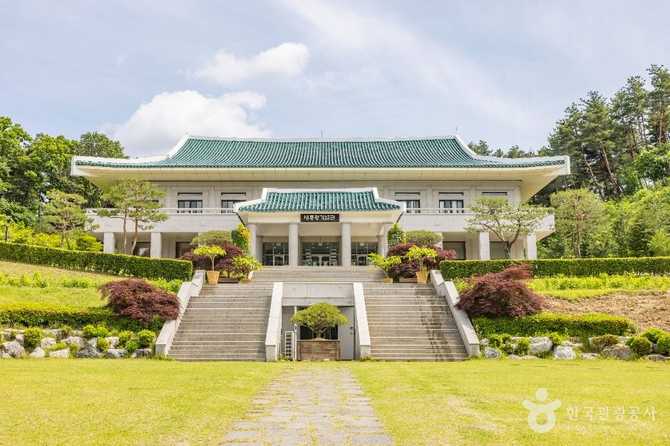
Discover Cheongnamdae: Korea’s Presidential Retreat & Natural Sanctuary
Are you looking for a unique travel experience that combines Korea’s rich history with breathtaking natural scenery? Cheongnamdae offers visitors a rare opportunity to explore the official presidential retreat while immersing themselves in Korea’s diverse ecosystems. This guide provides essential information for planning your visit to Cheongnamdae, a must-see destination for history buffs and nature lovers alike.
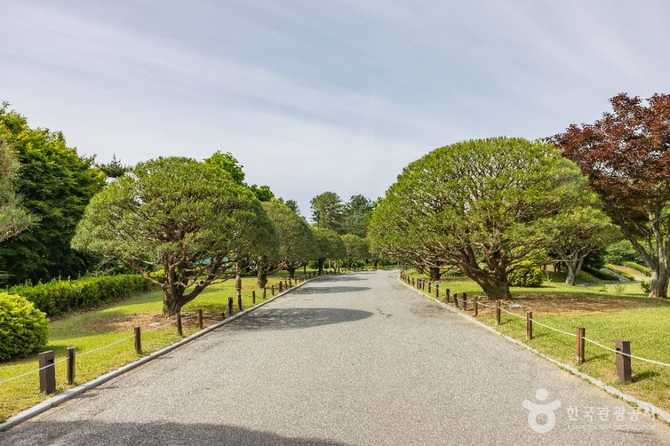
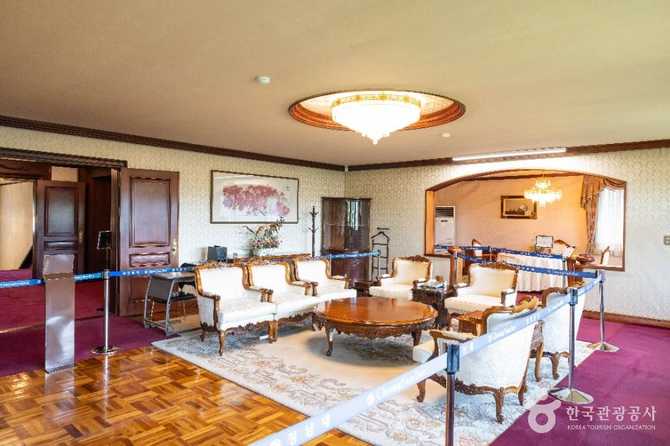
Located in Cheongju, Chungcheongbuk-do, Cheongnamdae is a site where Korea’s presidential history and natural beauty meet. Formerly used as the official summer residence for South Korea’s presidents since 1983, it now opens its doors to the public, offering a blend of cultural heritage and ecological preservation. Visitors can stroll through historical buildings, enjoy scenic landscapes, and observe local wildlife, including protected species like otters and various wild animals. Whether you’re interested in Korea’s political history or seeking a peaceful natural escape, Cheongnamdae provides a comprehensive experience that highlights both aspects.

At a glance
- Who this is for
-
- Travelers interested in Korea’s presidential history
- Nature enthusiasts seeking ecological experiences
- Families looking for educational outings
- Culture and heritage explorers
- Key takeaways
-
- Open seasonally from February to November, with specific hours
- Historical site used by five presidents, 88 visits in total
- Natural habitat for protected wildlife like otters and birds
- Facilities include the main building, golf course, helipad, and traditional pavilions
- Closed on Mondays and national holidays; check operating hours before visiting
- Tips & cautions
-
- Verify opening hours and holiday closures in advance
- Leash pets and follow natural preservation rules
- Wear comfortable clothing and footwear suitable for outdoor walking
- Bring binoculars or cameras for wildlife observation
- Bottom line
- Cheongnamdae offers a unique blend of Korea’s political history and natural beauty, making it an ideal destination for a meaningful and scenic day trip.
Cheongnamdae, located in the scenic outskirts of Cheongju, Chungcheongbuk-do, is a prominent cultural and ecological site that invites visitors to explore Korea’s presidential past and its vibrant natural environment. Since opening to the public in 2003, it has become a popular destination for both domestic and international tourists seeking a comprehensive experience that combines history, culture, and nature.


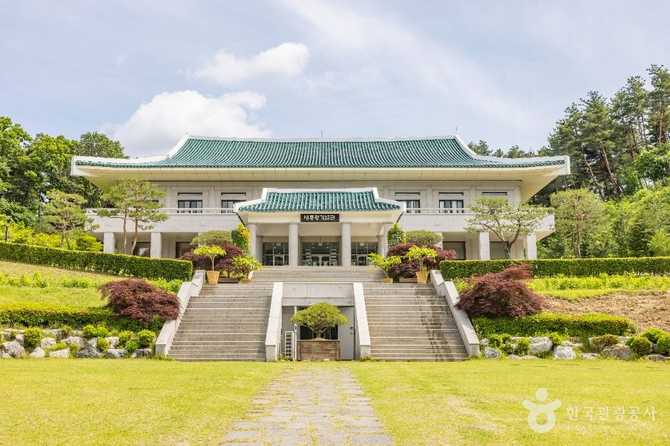
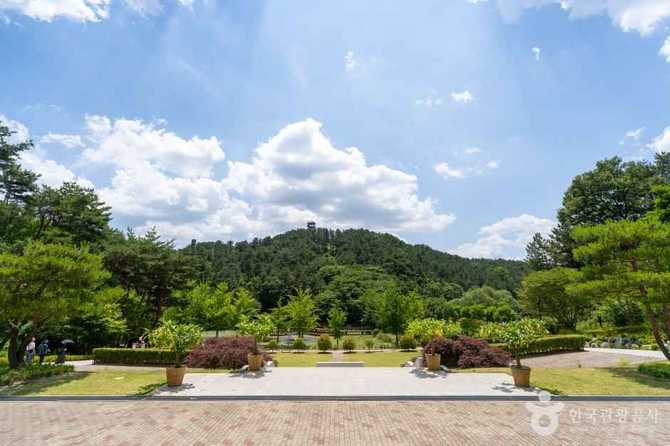
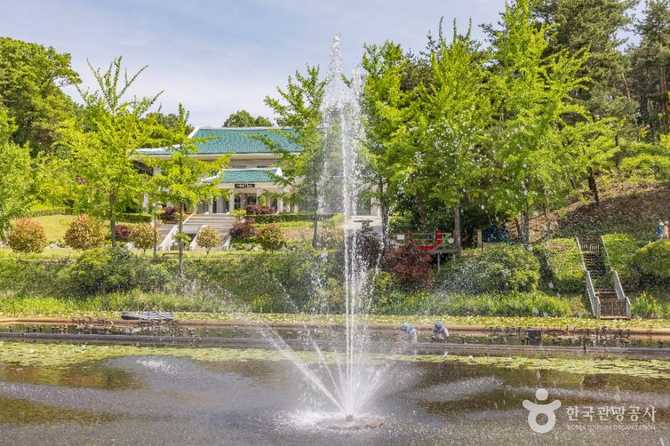
This site was once the summer residence of Korea’s presidents, serving as a place for important political discussions and diplomatic events. Today, it stands as a symbol of Korea’s political heritage and environmental conservation. Visitors can enjoy walking through the lush grounds, viewing the historic buildings, and observing native wildlife thriving in protected habitats. The site’s facilities include the main government building, golf course, helipad, and scenic pavilions, all set amidst beautifully maintained gardens and forests.
Cheongnamdae Overview and Historical Significance
Cheongnamdae is a distinguished cultural and ecological landmark located in Cheongju, Chungcheongbuk-do, South Korea. As a site that combines Korea’s presidential history with the beauty of natural landscapes, it offers visitors a unique opportunity to explore the country’s political heritage while immersing themselves in lush ecosystems. The focus keyword, Cheongnamdae, encapsulates this blend of history and nature, making it a must-visit destination for travelers interested in Korean culture and ecological preservation.
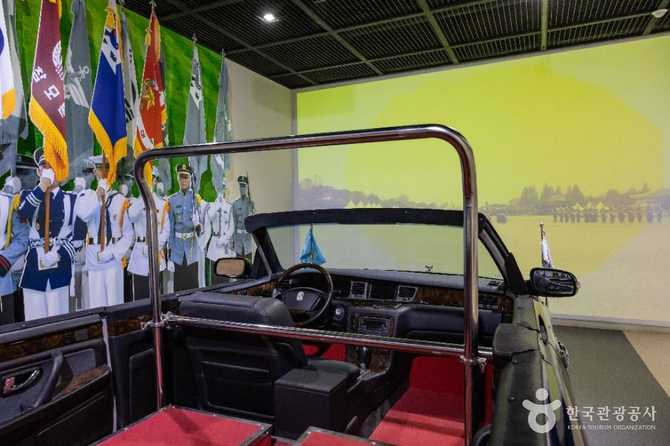
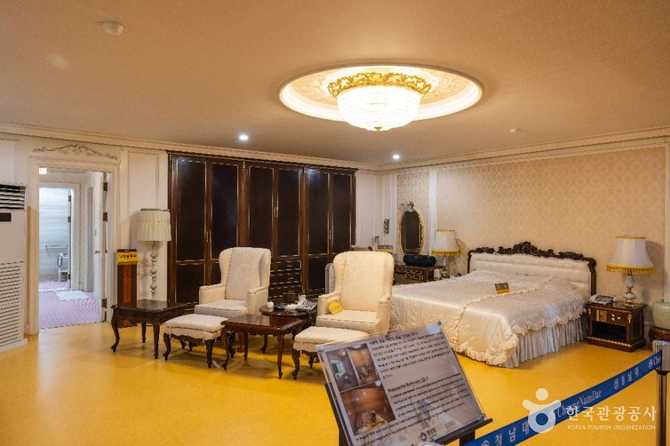
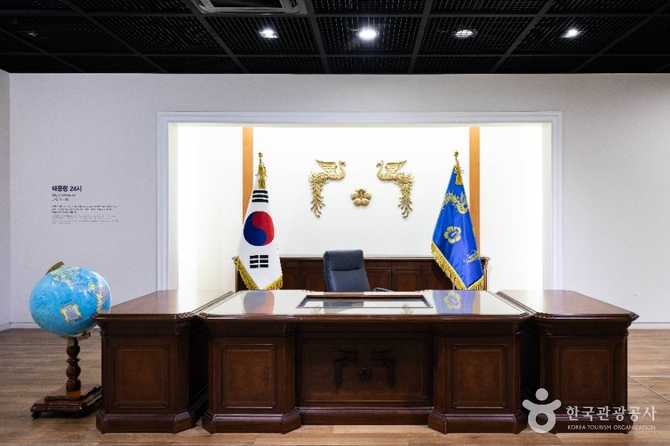
Established in 1983, Cheongnamdae served as the official summer residence for South Korea’s presidents. It was a place where political leaders held meetings, hosted dignitaries, and engaged in diplomatic activities, reflecting its importance in Korea’s modern history. Over the years, five presidents visited this site a total of 88 times, emphasizing its significance as a political hub. The name “Cheongnamdae” translates to “Warm Southern Blue House,” symbolizing its role as a serene retreat in the southern part of Korea.
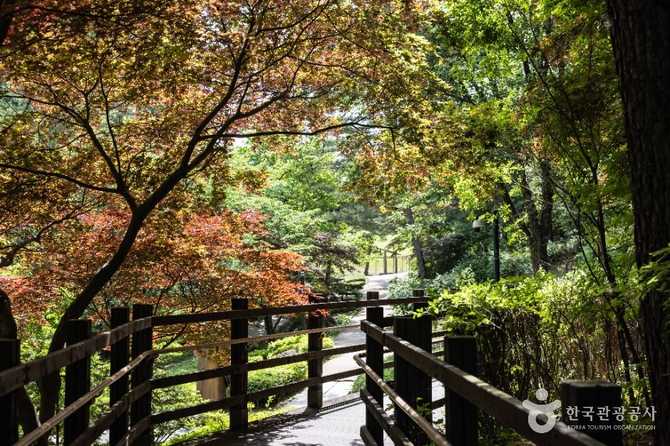
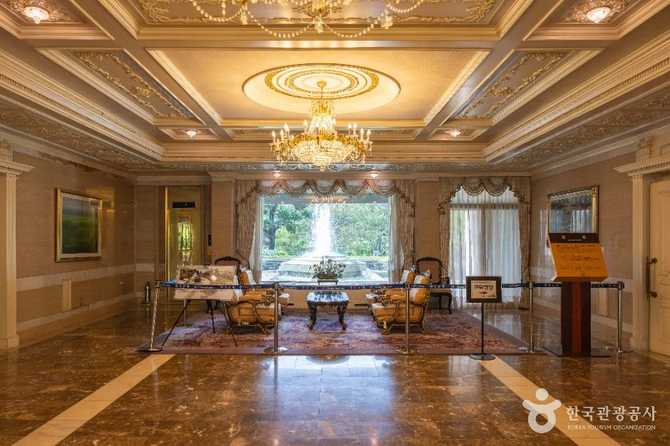
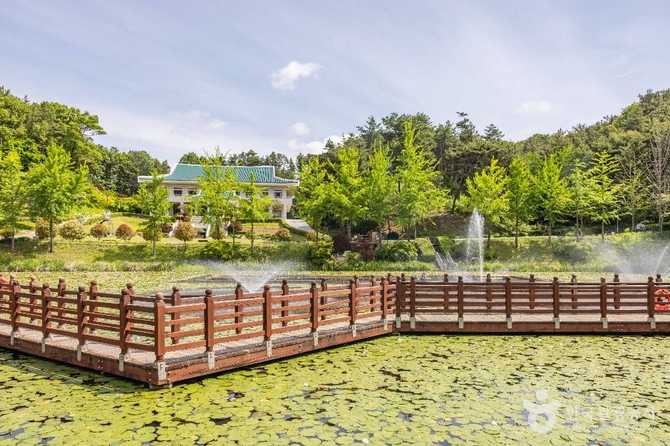
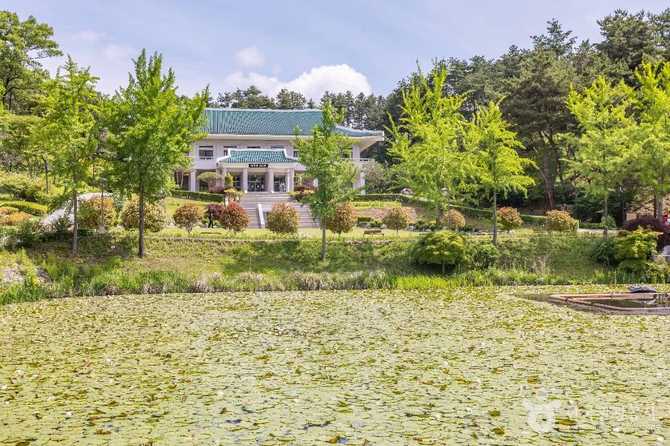
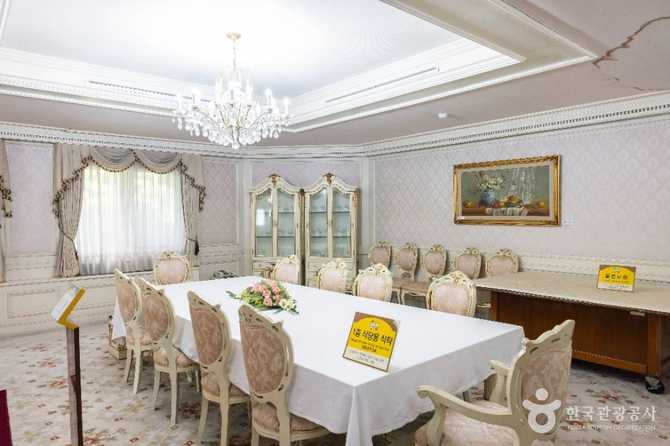
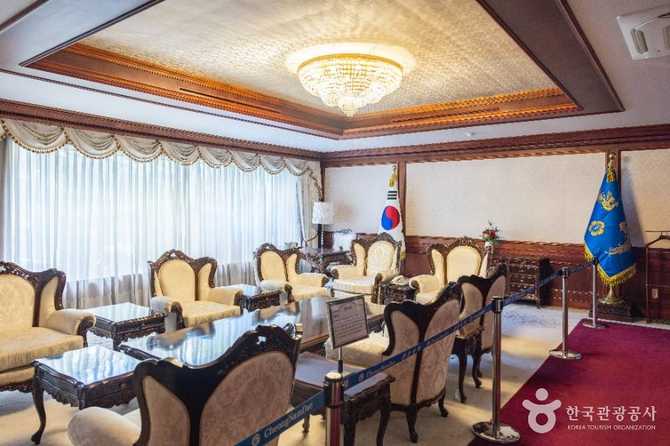
In 2003, Cheongnamdae was opened to the public, transforming from a private presidential retreat into a cultural and ecological tourism destination. Today, visitors can walk through historic buildings, such as the main government house, and enjoy scenic views of the surrounding forests, mountains, and gardens. The site also features facilities like golf courses, traditional pavilions, and helipads, which highlight its former use as a presidential retreat. The preservation of natural habitats and local wildlife, including protected species like otters and various birds, underscores the site’s ecological importance.

Cheongnamdae’s significance extends beyond its physical structures; it embodies Korea’s efforts to preserve both its political history and natural environment. Visitors can experience a sense of tranquility while learning about Korea’s modern political developments, making Cheongnamdae a meaningful destination for history enthusiasts, nature lovers, and families seeking educational outings. Its well-maintained grounds and rich history provide an enriching experience that highlights Korea’s cultural heritage and ecological diversity.
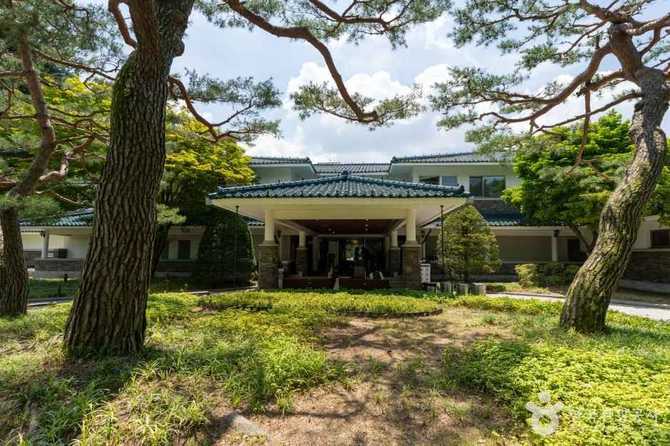
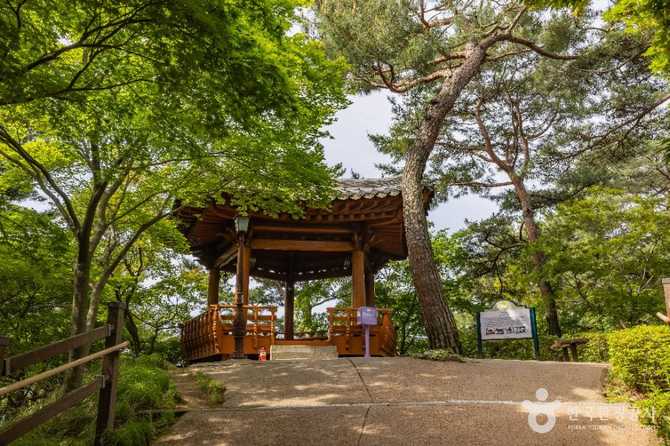
Comparison of Cheongnamdae’s Main Facilities and Natural Scenery
| Facility | Description | Remarks |
|---|---|---|
| Main Government Building (본관) | The central facility used by presidents for meetings and official duties. Visitors can view the exterior and learn about its historical significance. | Guided tours available; interior access limited. |
| Golf Course (골프장) | A scenic golf course set amidst natural surroundings, offering a relaxing experience for golf enthusiasts. | Partially restricted; open to visitors during specific times. |
| Helipad (헬기장) | Designated area for presidential and VIP helicopter landings, not accessible to the public. | Restricted area. |
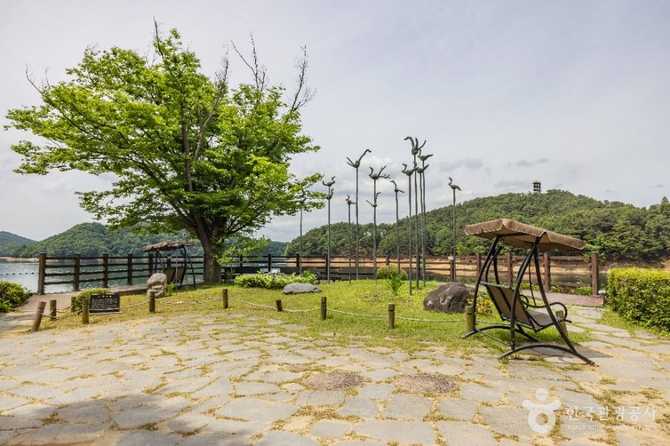
| Traditional Pavilions (오각정, 초가정) | Scenic traditional-style structures offering resting spots and viewpoints of the surrounding landscape. | Open for public use; ideal for photos and relaxation. |
| Natural Scenery & Wildlife | Rich forests, mountains, and wetlands that host protected species like otters, birds, and wild animals. | Best viewed during early mornings or late afternoons. |
Cheongnamdae Visiting Checklist and Important Tips
- Check operating hours: Cheongnamdae is open seasonally from February to November, with hours from 09:00 to 18:00 during summer and 09:00 to 17:00 in winter. Be sure to verify the latest hours before your visit.
- Plan your visit around holidays: The site is closed on Mondays (if they fall on a public holiday, it closes the next day), January 1st, and during major Korean holidays like Lunar New Year and Chuseok.
- Prepare for outdoor activities: Wear comfortable clothing and sturdy shoes suitable for walking on uneven terrain and outdoor environments.
- Wildlife observation: Bring binoculars or cameras to observe and photograph local wildlife, especially during early mornings or late afternoons.
- Respect natural and cultural rules: Follow guidelines for wildlife protection, do not disturb animals, and keep the environment clean.
Visitor Tips & Important Notices for Cheongnamdae
- Verify operating hours and holidays: Cheongnamdae operates seasonally from February to November. During summer (February to November), it is open from 09:00 to 18:00, with the last entry at 16:30. In winter (December to January), hours are from 09:00 to 17:00, with last entry at 15:30. Always check the official website or contact the visitor center before your visit to confirm current hours and any special closures.
- Plan around closure days: The site is closed every Monday (if it falls on a public holiday, it closes the following day), as well as on January 1st, and major Korean holidays such as Lunar New Year and Chuseok. Visiting on these days is not possible, so plan accordingly.
- Dress appropriately for outdoor exploration: Wear comfortable, weather-appropriate clothing and sturdy shoes suitable for walking on uneven terrain and outdoor environments. This will ensure a comfortable visit and help you enjoy the natural scenery fully.
- Bring wildlife observation gear: To enhance your experience, carry binoculars or a good camera. Early mornings and late afternoons are ideal times for observing wildlife, including protected species like otters and various birds.
- Respect environmental and cultural rules: Follow all guidelines for wildlife protection and environmental preservation. Do not disturb animals or damage vegetation. Keep the site clean by disposing of trash properly and following designated paths.
Cheongnamdae Visitor Checklist
- Confirm current operating hours and holiday closures before visiting.
- Check if pets are allowed and prepare accordingly; contact the visitor center if unsure.
- Wear comfortable outdoor clothing and sturdy shoes suitable for walking and uneven terrain.
- Bring binoculars or a camera for wildlife observation and photography.
- Follow all rules for environmental conservation, including respecting wildlife habitats and disposing of trash properly.
- Prepare a water bottle and sun protection, especially during summer visits.
- Carry a map or download the official app for navigation and information about facilities.
- Plan your visit during early mornings or late afternoons for optimal wildlife viewing.
Whether you visit during the day or evening, Discover Cheongnamdae is a meaningful stop on any Seoul itinerary for history-minded travelers.

Frequently Asked Questions (FAQ)
Q1: When is Cheongnamdae open to the public?
An: Cheongnamdae operates seasonally, from February to November, with opening hours from 09:00 to 18:00 during summer and 09:00 to 17:00 in winter. The last admission is at 16:30 in summer and 15:30 in winter. Always verify current hours before your visit.

Q2: What are the regular closed days at Cheongnamdae?
An: Cheongnamdae is closed every Monday, and if a public holiday falls on a Monday, it closes the following day. It also remains closed on January 1st and during major Korean holidays like Lunar New Year and Chuseok.
Q3: Can I bring my pet to Cheongnamdae?
An: Pets are generally restricted from entering Cheongnamdae to protect wildlife and natural habitats. It is recommended to contact the visitor center in advance to confirm pet policies and ensure compliance with regulations.

Q4: What facilities are available at Cheongnamdae?
An: Cheongnamdae features the main government building, golf course, helipad, traditional pavilions like Okgakjeong and Choga-jeong, and scenic natural areas with wildlife habitats. Some facilities are open to visitors, while others are restricted for official use.

Q5: What should I keep in mind when visiting Cheongnamdae?
An: Visitors should check operating hours and holiday closures beforehand, wear comfortable outdoor clothing and sturdy shoes, and follow natural preservation rules. Respect wildlife and keep the environment clean during your visit.

Q6: How does Cheongnamdae contribute to ecological conservation?
An: Cheongnamdae protects natural habitats for species like otters, birds, and wild animals by enforcing regulations against environmental damage. The site actively preserves its ecosystems while allowing visitors to enjoy Korea’s natural beauty.
Final Tips for Visiting Cheongnamdae
Visiting Cheongnamdae offers a unique opportunity to experience Korea’s presidential history alongside its beautiful natural environment. To ensure your trip is smooth and enjoyable, it’s important to plan ahead by confirming the latest operating hours and holiday closures. Remember that Cheongnamdae is open seasonally from February through November, with varying hours during summer and winter months. Always check the official website or contact the visitor center before your visit, especially during peak seasons or holidays, to avoid any surprises.
Keep in mind that Cheongnamdae is closed every Monday if it falls on a public holiday, as well as on January 1st, and major Korean holidays like Lunar New Year and Chuseok. These closures are important to consider when planning your trip. Additionally, dressing appropriately for outdoor exploration is recommended—wear comfortable shoes and weather-appropriate clothing to fully enjoy the scenic grounds and natural habitats.
Respect for the environment and wildlife is crucial during your visit. Follow all guidelines for preserving natural habitats, avoid disturbing wildlife, and keep the area clean. Bringing binoculars or cameras can enhance your wildlife observation experience, especially during early mornings or late afternoons when animals are most active. By preparing in advance and adhering to the rules, you can have a memorable and meaningful visit to Cheongnamdae, where Korea’s rich history and vibrant natural scenery come together seamlessly.