
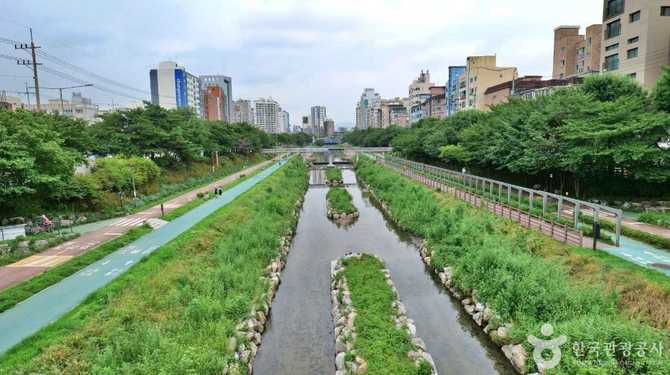
Discover the Beauty of Bulgwangcheon: Seoul’s Prime Urban Nature Trail
Looking for a scenic and eco-friendly escape within Seoul? Bulgwangcheon offers a perfect blend of natural beauty and urban convenience, making it an ideal destination for residents and visitors seeking outdoor leisure and ecological experiences. This guide provides comprehensive insights into Bulgwangcheon’s location, ecological restoration, amenities, and tips for enjoying this beloved natural river in Seoul.
Whether you’re interested in a peaceful walk, cycling, or observing urban wildlife, Bulgwangcheon stands out as a prime example of successful ecological restoration in the city. Spanning approximately 9.21 km, this natural waterway connects various districts in Eunpyeong-gu and nearby areas, showcasing how urban spaces can harmoniously coexist with nature. Since its ecological restoration in 2002, Bulgwangcheon has become a vibrant habitat for diverse flora and fauna, while also serving as a popular recreational corridor for families, environmental enthusiasts, and local residents.
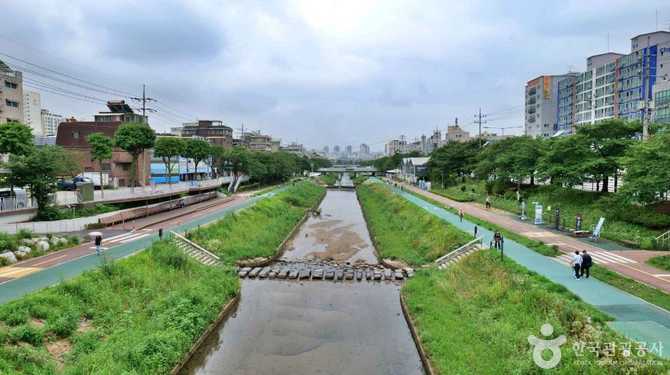
At a glance
- Who this is for
-
- Nature lovers seeking urban green spaces in Seoul
- Families planning outdoor activities with children
- Environmental professionals and ecologists
- Local residents interested in ecological preservation
- Tourists exploring Seoul’s natural attractions
- Key takeaways
-
- Length: approximately 9.21 km connecting multiple districts
- Restored in 2002 with eco-friendly facilities
- Features bike paths, walking trails, fountains, and landscaping
- Open year-round, free access, no parking available
- Rich biodiversity and ongoing ecological conservation efforts
- Tips & cautions
-
- Use public transportation due to limited parking
- Respect natural surroundings by disposing of trash responsibly
- Follow seasonal landscaping and ecological guidelines
- Be mindful of ecological preservation during visits
- Bottom line
- Bulgwangcheon is a harmonious urban natural space offering scenic beauty, ecological learning, and outdoor recreation for all ages.
Bulgwangcheon, located in Seoul’s Eunpyeong-gu, is a shining example of urban ecological restoration and sustainable green space development. This natural waterway, approximately 9.21 km long, has transformed from a neglected stream into a thriving ecological corridor that connects neighborhoods and provides a peaceful refuge amidst the city’s hustle. Since its restoration in 2002, Bulgwangcheon has been equipped with eco-friendly facilities such as flood prevention systems, underground water utilization, and landscaped areas, making it a model for urban ecological projects.
Visitors can enjoy a variety of activities along Bulgwangcheon’s scenic trails, including cycling, walking, and nature observation. The area is also home to diverse plant and animal species, contributing to Seoul’s ecological diversity. The river’s landscape changes with the seasons, offering vibrant foliage in autumn, blossoming trees in spring, and lush greenery in summer, making it a year-round destination for outdoor enthusiasts and families alike.
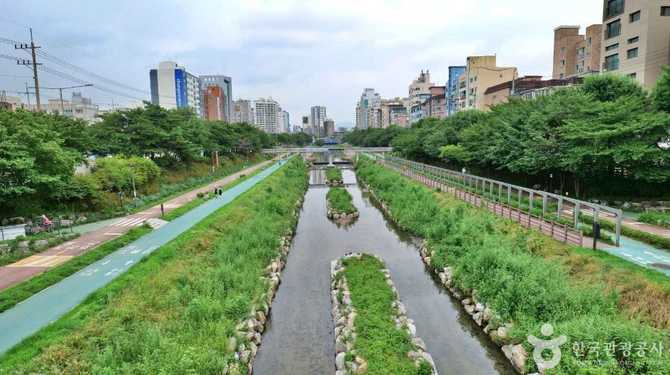
Accessibility is convenient with well-maintained bike paths and pedestrian walkways. However, parking is limited, so public transportation is recommended for those planning to visit Bulgwangcheon. As a protected ecological site, visitors are encouraged to follow guidelines to preserve its natural beauty and biodiversity. This guide aims to help you explore Bulgwangcheon effectively, highlighting its ecological significance, recreational facilities, and tips for a responsible visit.
Bulgwangcheon Location and Natural Environment Overview
Bulgwangcheon is a prominent natural waterway located in the northwest part of Seoul, specifically within Eunpyeong-gu. Spanning approximately 9.21 kilometers, this ecological corridor connects several districts, including Bulgwang-dong, Yeokchon-dong, Eungam-dong, and extends into neighboring areas such as Mapo-gu and Seodaemun-gu. The river’s natural environment has been carefully restored to serve as both a habitat for diverse flora and fauna and a recreational space for residents and visitors alike.
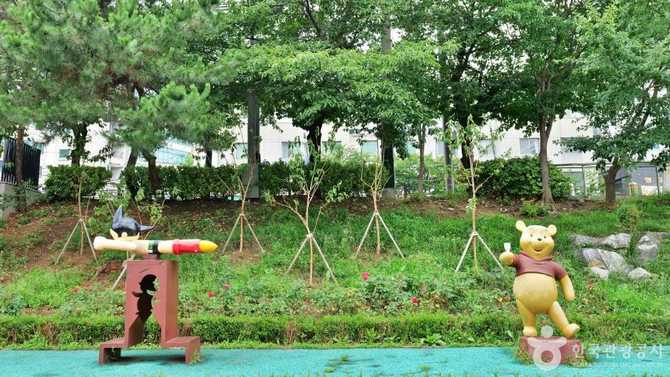
Originally a neglected stream, Bulgwangcheon underwent significant ecological restoration beginning in 2002. The project aimed to improve water quality and promote biodiversity by installing flood prevention facilities, utilizing underground water sources, and creating landscaped areas along its banks. The restoration transformed the once degraded waterway into a vibrant ecological corridor, seamlessly blending urban life with natural scenery.
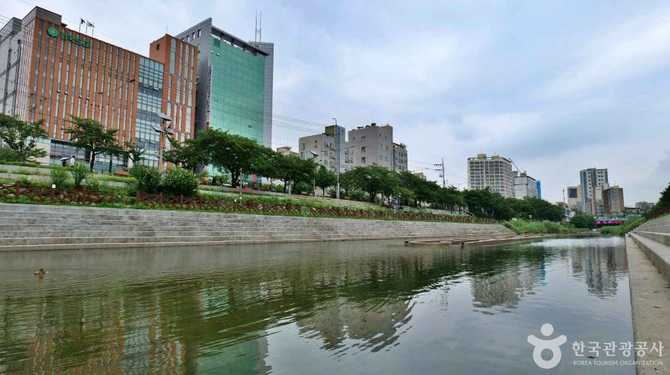
Today, Bulgwangcheon features well-maintained bike paths, pedestrian walkways, fountains, and landscaped green spaces. The river is a habitat for various aquatic and terrestrial species, including native plants, birds, and insects, making it a popular spot for ecological observation and environmental education. The landscape varies with the seasons, offering colorful foliage in autumn, blooming trees in spring, and lush greenery in summer, which enhances its appeal as a year-round outdoor destination.
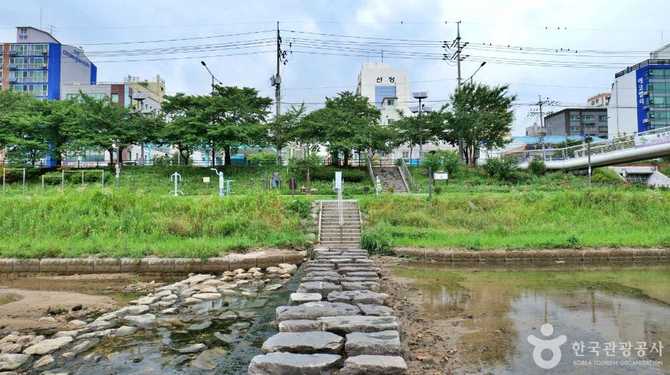
Accessibility is facilitated by the surrounding public transportation network, including buses and nearby subway stations, although parking facilities are limited. Visitors are encouraged to respect the natural environment by following guidelines for waste disposal and ecological preservation. Bulgwangcheon’s location and ecological features exemplify successful urban ecological restoration, making it a must-visit site for nature lovers, families, and environmental enthusiasts exploring Seoul’s green spaces.
Comparison of Bulgwangcheon’s Restoration and Ecological Development
| Aspect | Before Restoration | After Restoration (2002+) |
|---|---|---|
| Water Quality | Poor, frequent pollution and stagnation | Improved through flood prevention and underground water use |
| Biodiversity | Limited aquatic and terrestrial species | Increased native plants, birds, and insects |
| Landscape and Facilities | Neglected, minimal landscaping | Well-maintained bike paths, fountains, green spaces |
| Public Access | Limited pathways, poor accessibility | Accessible via bike paths and pedestrian walkways |
| Ecological Stability | Unstable, prone to pollution | Ecologically stable with ongoing conservation efforts |
Visitor Information and Facilities Checklist for Bulgwangcheon
- Getting there: Use public transportation such as buses or nearby subway stations (e.g., Eunpyeong Station on Line 3).
- Activities: Cycling, walking, nature observation, ecological education programs.
- Facilities available: Restrooms, bike paths, walking trails, fountains, landscaped green spaces.
- Operating hours: Open year-round, 24/7 access.
- Entry fee: Free of charge.
- Parking: Limited parking available; public transportation recommended.
- Bring comfortable walking shoes or bicycles for easy exploration.
- Check weather conditions before visiting to ensure a pleasant experience.
- Follow signage and guidelines to help preserve the natural habitat.
- Dispose of trash responsibly and recycle when possible.
Community Engagement and Ecological Preservation Efforts
The success of Bulgwangcheon’s ecological restoration is largely due to active community participation and dedicated conservation initiatives. Local residents, environmental groups, and city authorities collaborate to maintain the natural beauty and ecological health of the area. These ongoing efforts ensure that Bulgwangcheon remains a sustainable and thriving urban ecological corridor.
| Activity | Description |
|---|---|
| Ecological Education Programs | Organized workshops and guided tours to raise awareness about local biodiversity and conservation practices. |
| Volunteer Cleanup Campaigns | Community-led efforts to remove litter, restore native plants, and monitor ecological health. |
| Environmental Monitoring | Regular assessment of water quality, biodiversity, and habitat conditions by local groups and authorities. |
| Policy and Advocacy | Promotion of sustainable urban planning and ecological protection policies to support ongoing conservation efforts. |
Sustainable Visiting Tips for Bulgwangcheon
- Use public transportation or walk to reduce carbon footprint and avoid parking congestion.
- Carry reusable water bottles and containers to minimize waste during your visit.
- Stay on designated trails and paths to prevent habitat disturbance.
- Do not litter; dispose of trash responsibly in provided bins or take it home.
- Respect wildlife by observing from a distance and avoiding feeding animals.
- Participate in community cleanup or ecological programs if available.
- Follow seasonal guidelines for landscaping and ecological preservation, especially during breeding or flowering seasons.
Whether you visit during the day or evening, Discover the Beauty of Bulgwangcheon is a meaningful stop on any Seoul itinerary for history-minded travelers.
Frequently Asked Questions (FAQ)
Q1: Where is Bulgwangcheon located in Seoul?
Bulgwangcheon is a natural waterway in Seoul’s Eunpyeong-gu, starting from Bulgwang-dong and flowing through Yeokchon-dong, Eungam-dong, and extending into Mapo-gu and Seodaemun-gu. It spans approximately 9.21 kilometers, connecting various neighborhoods in northwest Seoul.
Q2: When was Bulgwangcheon’s ecological restoration completed?
The ecological restoration of Bulgwangcheon began in 2002, involving the installation of flood prevention facilities, underground water utilization, and landscaping efforts to improve water quality and biodiversity. Since then, the river has transformed into a vibrant ecological corridor.

Q3: What activities can visitors enjoy at Bulgwangcheon?
Visitors can enjoy cycling, walking along scenic trails, observing urban wildlife, and participating in ecological education programs. The area offers seasonal views such as colorful autumn foliage and blooming spring trees, making it suitable for year-round outdoor activities.
Q4: Are there any entrance fees or parking facilities at Bulgwangcheon?
Access to Bulgwangcheon is free of charge, and there is no parking available on-site. Visitors are encouraged to use public transportation, such as buses or nearby subway stations like Eunpyeong Station on Line 3, due to limited parking options.

Q5: How is Bulgwangcheon’s ecological health maintained?
The ecological health is maintained through ongoing conservation efforts, including waste management, ecological preservation campaigns, and community participation in natural habitat protection. The water quality has significantly improved since 2002, supporting diverse flora and fauna.
Q6: What precautions should visitors take when visiting Bulgwangcheon?
Visitors should follow natural preservation guidelines by disposing of trash responsibly, refraining from littering, and respecting seasonal landscaping and ecological zones. Using public transit is recommended due to limited parking, and visitors should be mindful of the environment during outdoor activities.
Experience the Natural Beauty and Ecological Harmony of Bulgwangcheon
In summary, 불광천 offers an exceptional opportunity to enjoy Seoul’s natural environment while appreciating successful urban ecological restoration. This scenic waterway exemplifies how city spaces can be transformed into vibrant habitats that support biodiversity and provide peaceful recreational areas for residents and visitors alike. Whether you are seeking a family-friendly outing, a quiet place for reflection, or an ecological learning experience, Bulgwangcheon caters to all interests with its well-maintained trails, lush landscapes, and ecological initiatives.
Visiting Bulgwangcheon not only allows you to immerse yourself in nature but also supports ongoing sustainability efforts. Respect for the environment is crucial, so please follow guidelines for waste disposal and ecological preservation. Public transportation is highly recommended due to limited parking, and visitors are encouraged to arrive prepared with comfortable shoes, water, and sun protection. The ecological restoration that began in 2002 has turned Bulgwangcheon into a model of urban environmental recovery, demonstrating how cities can coexist harmoniously with nature.
By exploring Bulgwangcheon, you contribute to the appreciation and preservation of Seoul’s green spaces. This natural corridor is a testament to community effort and ecological awareness, making it a meaningful destination for those passionate about environmental sustainability. Whether you are a local resident or a traveler seeking authentic natural experiences in Seoul, Bulgwangcheon promises a memorable visit filled with scenic beauty, ecological education, and a sense of harmony between urban life and nature.