
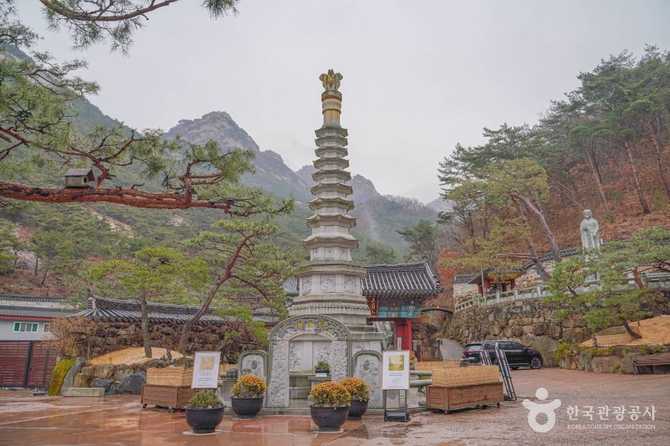
Discover Seoul’s Historic Samcheonsa Temple: A Guide to Its Rich Heritage
Are you interested in exploring Korea’s ancient Buddhist sites? Visiting Samcheonsa Temple in Seoul offers a unique glimpse into Korea’s spiritual history and cultural treasures. This guide provides essential information about Samcheonsa, including its history, key relics, restoration efforts, and visitor tips, making it easier for travelers to plan their meaningful visit.
At a glance
- Who this is for
-
- Travelers interested in Korea’s historical Buddhist temples
- Visitors exploring Seoul’s cultural and religious heritage
- Researchers studying Korean Buddhist art and history
- Anyone seeking spiritual or tranquil experiences in Seoul
- Key takeaways
-
- Founded in 661 AD by Master Wonhyo
- Features the ancient 1,000-year-old carved stone Buddha (Treasure No. 657)
- Restored multiple times since the 1970s, with ongoing preservation efforts
- Open year-round, free admission, and accessible at all times
- Located in Eunpyeong-gu, Seoul, with historical and natural surroundings
- Tips & cautions
-
- Some areas may be under restoration; check before visiting
- Respect temple rules and maintain quietness
- Wear comfortable clothing suitable for outdoor exploration
- Parking is available; plan accordingly during busy seasons
- Bottom line
- Samcheonsa Temple is a living testament to Korea’s spiritual and cultural history, offering a peaceful retreat in Seoul for all visitors.
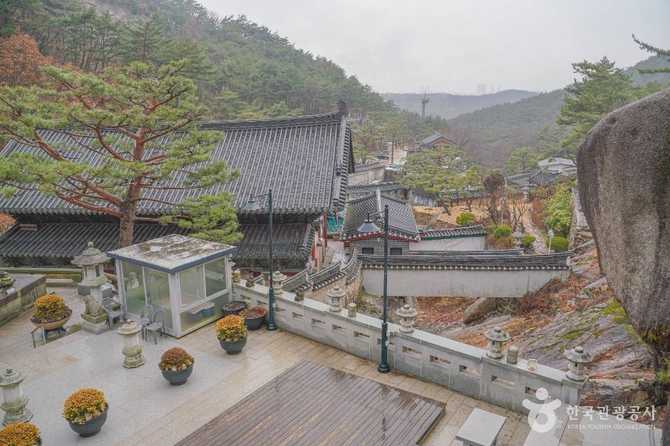
Seoul’s Samcheonsa Temple is a centuries-old Buddhist monastery that embodies Korea’s rich spiritual and cultural heritage. Established in 661 AD by the renowned monk Master Wonhyo, it has played a significant role in Korean Buddhism and remains a vital historical site today. Visitors to Seoul who are interested in exploring Korea’s religious sites will find Samcheonsa a compelling destination, thanks to its ancient relics, beautiful natural setting, and ongoing preservation efforts.
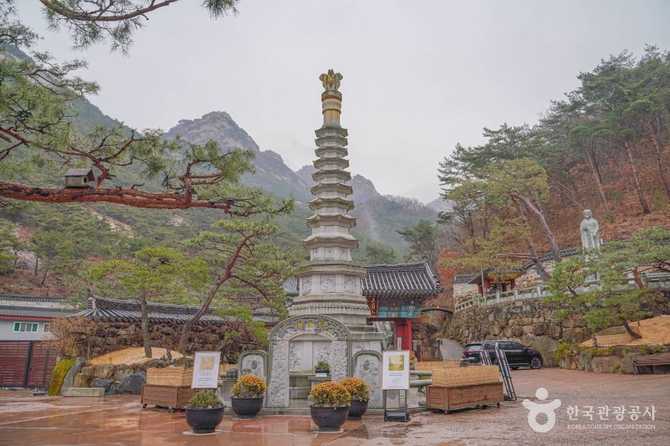
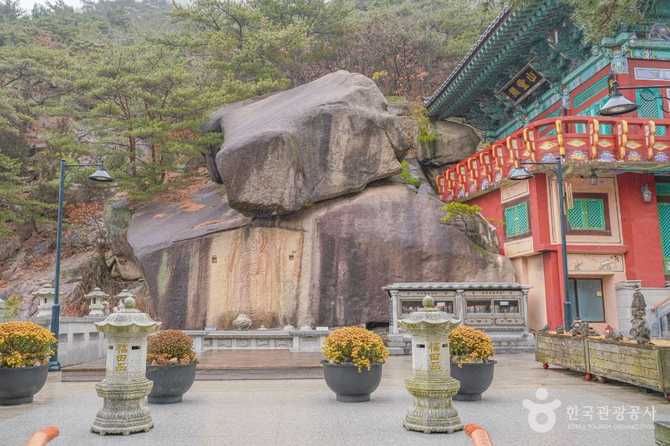
Throughout its long history, Samcheonsa has undergone numerous restorations, especially from the 1970s onward, to preserve its cultural treasures and historical structures. Among its most notable relics is the 1,000-year-old carved stone Buddha (Treasure No. 657), a masterpiece of Korean Buddhist sculpture. The temple complex also includes traditional stone pagodas and other cultural artifacts that highlight Korea’s spiritual artistry.
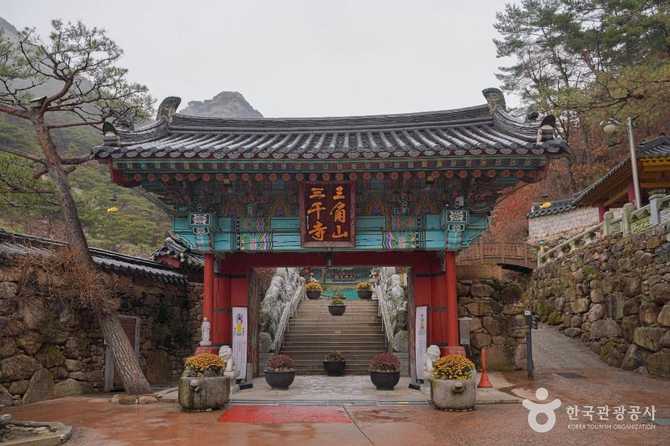
Whether you are a history enthusiast, a practicing Buddhist, or a traveler seeking tranquility, Samcheonsa offers a unique experience. The temple is open year-round, free of charge, and accessible at any time, making it a convenient and meaningful stop during your Seoul visit. Remember to check the current status of restoration works, as some areas might be temporarily restricted, and always observe respectful behavior to preserve the serenity of this sacred site.
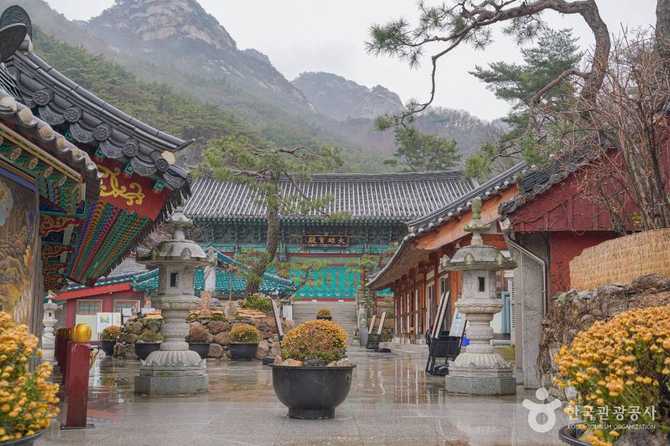
Overview of Samcheonsa Temple’s Historical Background
Samcheonsa Temple, located in Seoul, is a historically significant Buddhist temple with a history dating back to the 7th century. As one of Korea’s most revered spiritual sites, it embodies centuries of religious devotion, cultural development, and architectural evolution. The temple was founded in 661 AD by the renowned monk Master Wonhyo, a pivotal figure in Korean Buddhism, which underscores its importance in Korea’s spiritual history. Over the centuries, Samcheonsa has witnessed numerous historical events, including invasions, restorations, and cultural shifts that have shaped its current form. Originally, the temple was a large monastic complex that accommodated over 3,000 monks, serving as a major center for Buddhist practice and education during its peak. Its name, which is believed to derive from the phrase “three rivers,” symbolizes the confluence of spiritual and natural elements, emphasizing its significance in Korean Buddhist tradition. Throughout its long history, the temple has undergone various phases of destruction and reconstruction, especially during periods of national turmoil, such as the Japanese invasions and the Korean War. In the 20th century, efforts to restore and preserve Samcheonsa intensified, particularly from the 1970s onward, with extensive archaeological excavations and restoration projects. One of the most notable relics is the 1,000-year-old carved stone Buddha, designated as Treasure No. 657, which highlights the temple’s artistic and spiritual heritage. Today, Samcheonsa stands as a living testament to Korea’s rich Buddhist history, blending ancient relics with modern preservation techniques. Its continuous open status and free admission make it an accessible site for visitors interested in Korea’s spiritual and cultural legacy. Visiting Samcheonsa offers a unique opportunity to explore Korea’s ancient Buddhist traditions amidst a serene natural setting, making it a must-visit destination for history enthusiasts and spiritual seekers alike.
Comparison of Key Cultural Heritage and Artifacts at Samcheonsa Temple
| Cultural Heritage / Artifact | Description | Significance |
|---|---|---|
| Treasure No. 657 – 1,000-year-old Carved Stone Buddha | An ancient stone sculpture depicting the Buddha, carved during the Goryeo Dynasty. | Represents Korea’s Buddhist artistic mastery and spiritual history, symbolizing enlightenment and peace. |
| Main Hall (Daeungjeon) | The central prayer hall housing important Buddhist statues and relics. | Serves as the spiritual core of the temple, where rituals and ceremonies are performed. |
| Five-story Stone Pagoda | A traditional stone pagoda representing Buddhist cosmology and architectural style. | An important cultural artifact reflecting Korea’s ancient temple architecture and religious symbolism. |
| Ancient Sanchi and Sari Stupas | Smaller relics and stupa structures used for relic enshrinement and meditation. | Highlight the spread of Buddhist relic worship and architectural influence in Korea. |
Restoration and Excavation Projects at Samcheonsa Temple
- 1970s to Present: Continuous restoration efforts have been undertaken to preserve the temple’s ancient structures and artifacts, especially after periods of damage and neglect.
- 1999-2003 & 2005-2007 Excavations: Archaeological excavations were conducted during these periods, revealing hidden relics, foundations, and artifacts that significantly enhanced understanding of the temple’s history.
- Key Findings: Discovered ancient stone inscriptions, relics, and fragments of sculptures, including parts of the original temple complex and artifacts from the Goryeo Dynasty.
- Restoration Techniques: Modern preservation methods, such as structural reinforcement, careful cleaning, and digital documentation, are employed to maintain the integrity of the relics.
- Ongoing Projects: Restoration work continues on some parts of the temple, especially around the main hall and relic enshrinement areas, with expert supervision to ensure authenticity.
Visitor Information & Tips for Visiting Samcheonsa Temple
Planning your visit to Samcheonsa Temple ensures a smooth and respectful experience. Here are essential details and practical tips to help you make the most of your trip:
| Item | Details |
|---|---|
| Address | 127, Yeonseo-ro 54-gil, Jin-gwan-dong, Eunpyeong-gu, Seoul |
| Opening Hours | Open year-round, 24 hours; free admission |
| Admission Fee | Free |
| Contact | 02-353-3004 |
| Parking & Facilities | Parking available; restrooms on-site |
Visitor Tips for a Respectful and Enjoyable Experience
- Check Restoration Status: Some areas may be under renovation or temporarily closed. Confirm current conditions before your visit.
- Respect the Sacred Environment: Follow temple rules, maintain silence, and avoid disruptive behavior to preserve the tranquil atmosphere.
- Dress Appropriately: Wear modest and comfortable clothing suitable for outdoor exploration and respectful visits.
- Bring Essentials: Carry water, sun protection, and suitable footwear for walking around outdoor relics and natural surroundings.
- Be Mindful of Preservation: Do not touch or climb on relics or structures; help protect the site’s historical integrity.
- Plan Parking and Transportation: During peak seasons, parking may be limited. Consider public transportation options for convenience.
Visitor Checklist for Visiting Samcheonsa Temple
- Verify the current status of restoration or construction areas before your visit.
- Wear respectful attire suitable for a religious site (e.g., modest clothing).
- Bring essentials such as water, sun protection, and comfortable footwear for outdoor walking.
- Arrive early or plan your visit during off-peak hours to avoid crowds and enjoy a peaceful experience.
- Carry a camera or smartphone to capture the scenic and cultural highlights, but avoid flash photography near relics.
- Observe silence and etiquette to respect worshippers and the sacred environment.
- Use the available parking facilities or consider public transportation options for convenience.
- Check for any special events or ceremonies scheduled during your visit that might enhance your experience.
Whether you visit during the day or evening, Discover Seoul’s Historic Samcheonsa Tem is a meaningful stop on any Seoul itinerary for history-minded travelers.
Frequently Asked Questions (FAQ)
Q1 When was Samcheonsa Temple in Seoul founded?
Samcheonsa Temple was established in 661 AD by the renowned Buddhist monk Master Wonhyo, making it one of Korea’s ancient and historically significant temples.
Q2 What are the main cultural treasures at Samcheonsa Temple?
The most notable cultural treasure is the Treasure No. 657, the 1,000-year-old carved stone Buddha. The temple also houses traditional stone pagodas, statues, and other relics that reflect Korea’s Buddhist art and architecture.

Q3 Is Samcheonsa Temple open to visitors year-round?
Yes, Samcheonsa Temple is open year-round, 24 hours a day, with free admission. Visitors can explore the site at any time, though some areas may be temporarily restricted during restoration works.
Q4 What are the main relics and artifacts at Samcheonsa?
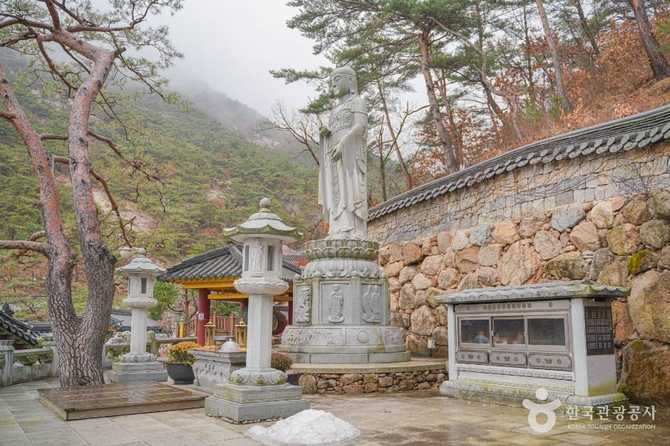
The key relics include the ancient carved stone Buddha (Treasure No. 657), five-story stone pagodas, and various statues and inscriptions from the Goryeo Dynasty. These artifacts highlight Korea’s Buddhist cultural heritage.
Q5 How have restoration and excavation projects impacted Samcheonsa?
Since the 1970s, ongoing restoration efforts and archaeological excavations have uncovered hidden relics and preserved the temple’s historical structures. These projects have enhanced understanding of its ancient history and art.
Q6 What should visitors keep in mind when visiting Samcheonsa?
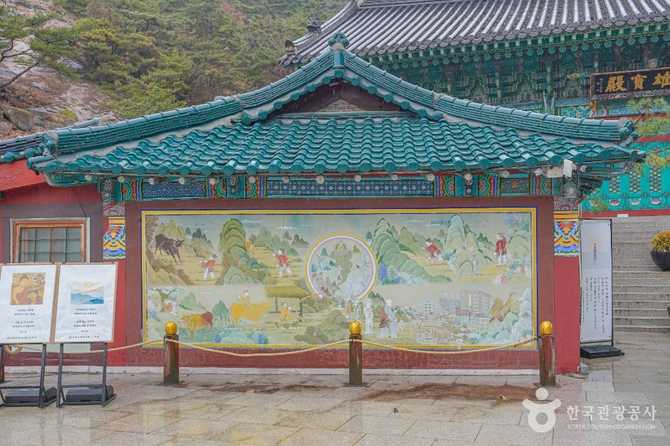
Visitors should check for any restricted areas due to ongoing restorations, maintain respectful behavior, and wear appropriate clothing. It is also recommended to arrive prepared for outdoor exploration and to respect the site’s spiritual significance.
Final Thoughts on Visiting Samcheonsa Temple in Seoul
A visit to Samcheonsa Temple in Seoul offers a unique opportunity to immerse yourself in Korea’s rich Buddhist heritage and cultural history. As one of Seoul’s most historic and revered temples, it beautifully combines ancient relics with modern preservation efforts, allowing visitors to experience Korea’s spiritual traditions firsthand. Whether you are a history enthusiast, a practicing Buddhist, or simply seeking a peaceful retreat amidst the bustling city, Samcheonsa provides a meaningful and tranquil environment. Remember that the temple is open year-round and free of charge, making it accessible for spontaneous visits or well-planned cultural explorations. While exploring, be mindful of ongoing restoration work and respect the sacred atmosphere by observing proper etiquette. The temple’s natural surroundings and historical relics create a serene setting perfect for reflection, photography, or quiet contemplation. Planning your visit with the latest information from the official website or on-site signage will ensure a smooth experience. Ultimately, discovering Samcheonsa Temple in Seoul is a rewarding journey into Korea’s spiritual and cultural legacy, leaving visitors with lasting impressions and a deeper appreciation of Korea’s ancient traditions and natural beauty.