
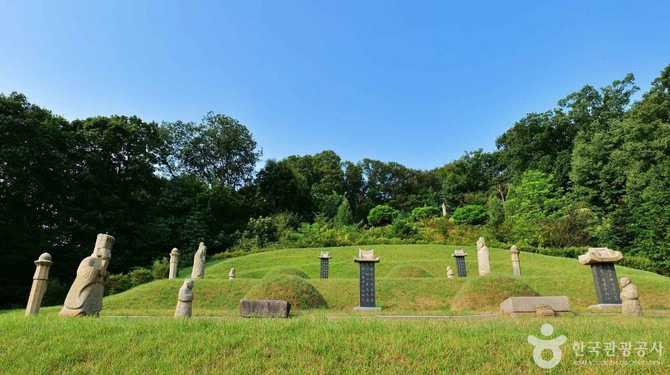
Ryusoonjeong and Ryu Hong Ancestor Graves: A Key Example of Joseon Dynasty Ancestral Rites
Discover the historical significance and cultural value of the Ryusoonjeong and Ryu Hong ancestor graves in Seoul, a remarkable example of Joseon Dynasty ancestral rites and burial practices. Whether you’re a history enthusiast, a researcher, or a traveler interested in Korea’s cultural heritage, exploring this site offers invaluable insights into traditional Korean funeral customs and Joseon-era memorial architecture.
In this article, we will delve into the details of the Ryusoonjeong and Ryu Hong graves, their historical background, structural features, and the traditional rites associated with Joseon Dynasty ancestor burials. Located in Guro-gu, Seoul, these graves are the only remaining example of a noble family’s ancestral burial site from the 16th century in the city. Understanding their construction and the accompanying stone sculptures provides a window into the funeral customs and societal hierarchy of the Joseon era.
At a glance
- Who this is for
-
- Visitors interested in Korean history and cultural heritage
- Researchers studying Joseon Dynasty funeral rites
- Travelers exploring Seoul’s historical sites
- Academics focusing on traditional Korean ancestral rituals
- Key takeaways
-
- The graves date back to the 16th century and are Seoul’s only noble ancestor burial site from that period.
- The site reflects traditional Joseon funeral architecture and stone sculpture styles.
- The graves are a valuable cultural heritage, illustrating the social status and burial customs of Joseon officials.
- Located in Guro-gu, the site is open year-round and free to visit, with public transportation recommended.
- The 1567 stele (Shin Do-bi) and stone sculptures are key features demonstrating the traditional rites.
- Tips & cautions
-
- Parking is unavailable on-site; visitors should use public transit.
- Observe respect and silence during your visit, as it is a cultural heritage site.
- Check transportation options beforehand for a smooth visit.
- Bottom line
- Ryusoonjeong and Ryu Hong ancestor graves are a significant cultural heritage site, offering a unique glimpse into Joseon Dynasty funeral customs and aristocratic burial practices in Seoul.
Welcome to our detailed guide on the Ryusoonjeong and Ryu Hong ancestor graves in Seoul. Situated in Guro-gu, these graves are an exceptional example of Joseon Dynasty ancestor rites, reflecting the social hierarchy, religious beliefs, and funeral customs of the time. As Seoul’s only remaining noble family burial site from the 16th century, this site holds immense historical and cultural value.
Understanding the architectural features, stone sculptures, and the inscriptions on the stele (Shin Do-bi) provides valuable insights into traditional Korean funeral rites. Visitors, scholars, and history buffs can explore the site to learn about the traditional practices that honored ancestors and reinforced social status during the Joseon era. The graves’ strategic location and preserved condition make it a must-visit for those seeking to deepen their knowledge of Korea’s rich cultural heritage.
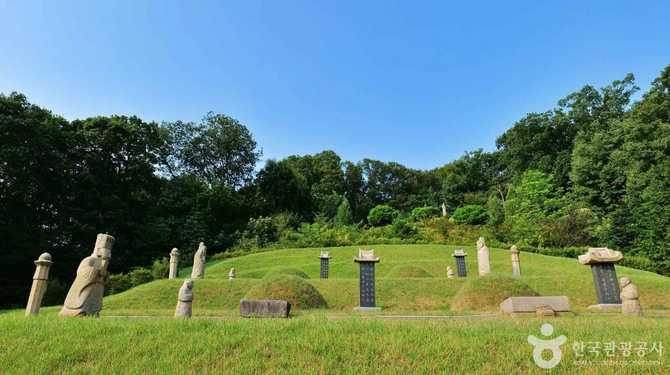
Whether you are planning an educational trip or a cultural exploration, this site offers a meaningful experience. The site is accessible year-round, free of charge, and easily reachable by public transportation. Remember to respect the site’s solemn atmosphere and follow guidelines for visitors to help preserve this invaluable cultural relic.
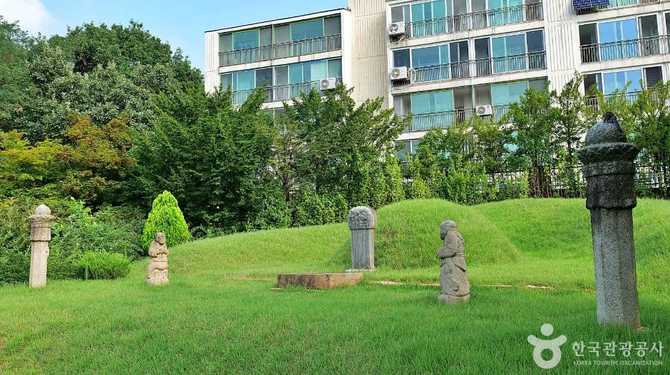
Overview and Historical Background of Ryusoonjeong and Ryu Hong Ancestor Graves
The Ryusoonjeong and Ryu Hong ancestor graves in Seoul represent a significant cultural heritage site that vividly illustrates the traditional burial practices of the Joseon Dynasty. As the only remaining noble family burial site from the 16th century in Seoul, these graves provide invaluable insights into the social hierarchy, religious beliefs, and funeral customs of that era. The focus keyword, Ryusoonjeong and Ryu Hong ancestor graves, encapsulates the historical importance of this site, which is a rare glimpse into Korea’s aristocratic burial traditions.
Constructed in the 16th century, the graves belong to two prominent figures: Ryusoonjeong, a distinguished scholar and government official, and his son Ryu Hong, a military officer. Their burial site was carefully designed to reflect their social status and achievements, following the strict regulations of Joseon-era funeral rites. This site not only honors their memory but also serves as a valuable cultural relic that embodies the architectural and ritualistic elements of the period.
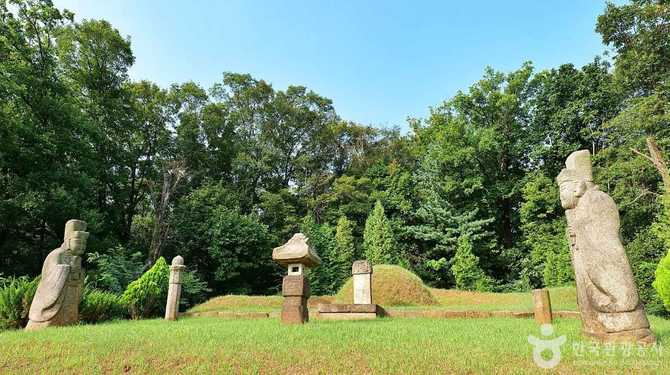
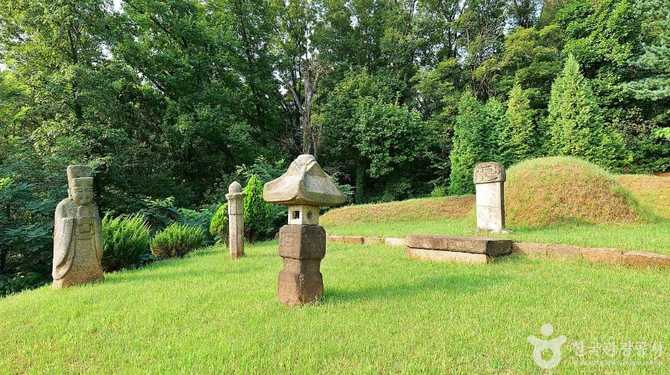
The design of the graves adheres to the traditional Joseon burial customs, with features such as stone sculptures, inscriptions, and specific layout arrangements. The site’s preservation allows visitors and researchers to study the distinctive characteristics of Joseon’s ancestral rites, including the symbolic use of stone carvings, the orientation of the graves, and the inscriptions on the stele (Shin Do-bi). Overall, the Ryusoonjeong and Ryu Hong ancestor graves are a vital part of Korea’s cultural landscape, offering a tangible connection to the nation’s history and aristocratic traditions.
Comparison of Structural Features and Construction Style
| Feature | Ryusoonjeong Ancestor Grave | Ryu Hong Ancestor Grave |
|---|---|---|
| Grave Structure | Bilateral, with a shared burial site for the couple, positioned on a hillside | Part of the same burial complex, aligned in a traditional east-west orientation |
| Stone Sculptures | Traditional stone statues and guardian animals typical of Joseon burials | Similar style, with emphasis on harmony and symmetry in stone carvings |
| Inscription (Shin Do-bi) | Erected in 1567, inscribed with elegant calligraphy by the famous scholar Gang Hoon | Features inscriptions describing the achievements of Ryu Hong, also written in calligraphy |
| Layout & Orientation | Graves are aligned with traditional feng shui principles, facing south | Positioned to complement the main grave, maintaining harmony with surroundings |
| Location | Approximately 150 meters southwest of Ryusoonjeong’s grave, on a hill | Part of the same hillside site, close to Ryusoonjeong’s tomb |
Checklist of Features and Tips for Visiting
- Grave Layout: The graves are arranged in a traditional bilateral style, with the main figure’s tomb at the top and the family members’ graves aligned accordingly.
- Stone Sculptures: Observe the guardian animals and decorative stone statues that symbolize protection and respect for the ancestors.
- Inscriptions: Examine the calligraphy on the Shin Do-bi, especially the 1567 stele, which reflects the artistry of Joseon-era inscriptions.
- Orientation: The graves face south, following feng shui principles typical of Joseon burial customs.
- Location: The burial site is located about 150 meters southwest of Ryusoonjeong’s grave, on a gentle hillside.
Visiting Information and Tips for Ryusoonjeong and Ryu Hong Ancestor Graves
| Item | Details |
|---|---|
| Contact | Guro-gu Cultural Tourism Division, Seoul, 02-860-3401 |
| Website | www.guro.go.kr |
| Address | San 43-31, San 43-32, Oryu-dong, Guro-gu, Seoul |
| Opening Hours | Open year-round, 24/7 access |
| Parking | Not available on-site; public transportation recommended |
| Admission Fee | Free |
Significance of Joseon Dynasty Burial Rites and Cultural Heritage
- Historical Reflection: The graves exemplify the aristocratic burial customs of the Joseon era, reflecting social hierarchy and political status.
- Architectural Value: The traditional layout, stone sculptures, and inscriptions demonstrate the craftsmanship and aesthetic principles of the period.
- Cultural Significance: These burial sites embody the Confucian ideals of filial piety and ancestor reverence, central to Joseon society.
- Educational Importance: They serve as vital resources for scholars studying Joseon funeral rites, societal structure, and cultural practices.
- Preservation and Heritage: As Seoul’s only remaining noble family burial site from the 16th century, they are protected cultural assets that offer insight into Korea’s aristocratic history.
- Community and Identity: The site reinforces local cultural identity and connects present generations with their historical roots.
Frequently Asked Questions (FAQ)
Q1: When were the Ryusoonjeong and Ryu Hong ancestor graves constructed?
The graves were established in the 16th century, reflecting the burial customs and social hierarchy of the Joseon Dynasty during that period.
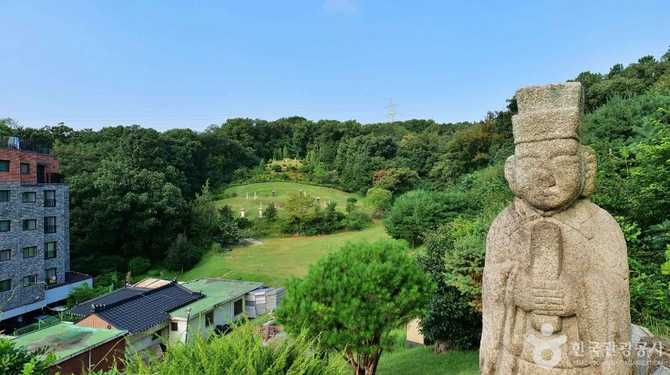
Q2: What is the layout and structure of the graves?
The graves are arranged in a bilateral, traditional manner with the main tomb for Ryusoonjeong at the top and his wife’s tomb aligned accordingly. They are situated on a hillside, following feng shui principles.
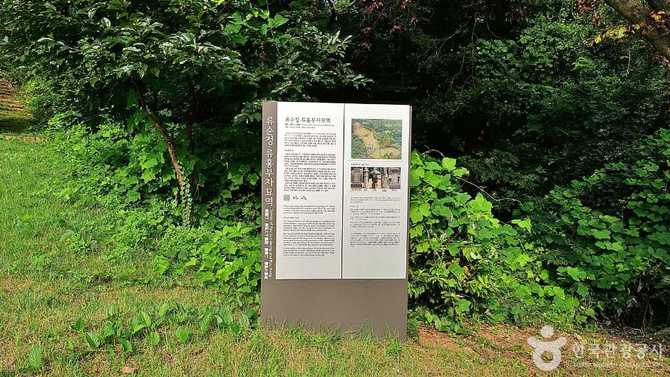
Q3: What are the notable features of the stone sculptures and inscriptions?
The site features guardian stone statues and decorative sculptures typical of Joseon burials. The 1567 stele (Shin Do-bi) bears elegant calligraphy by the scholar Gang Hoon, describing the achievements of Ryu Hong.
Q4: How can I visit the Ryusoonjeong and Ryu Hong ancestor graves?
The site is open year-round and accessible 24/7. Visitors should use public transportation, as on-site parking is unavailable. Respectful behavior is advised to preserve the site.
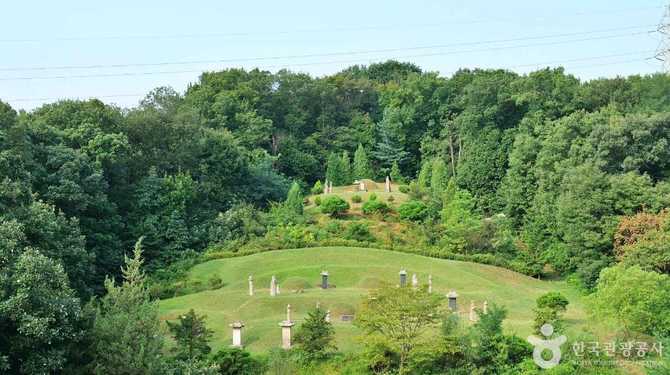
Q5: Where exactly are the graves located?
The graves are located at San 43-31 and San 43-32, Oryu-dong, Guro-gu, Seoul, approximately 150 meters southwest of Ryusoonjeong’s tomb on a gentle hillside.
Q6: Why are the Ryusoonjeong and Ryu Hong ancestor graves considered significant?
They are Seoul’s only remaining noble family burial site from the 16th century, providing valuable insights into Joseon Dynasty funeral rites, social hierarchy, and aristocratic burial practices.
Conclusion: Discovering the Significance of the Ryusoonjeong and Ryu Hong Ancestor Graves
Visiting the Ryusoonjeong and Ryu Hong ancestor graves offers a unique opportunity to connect with Korea’s rich historical and cultural heritage. These sites stand as a testament to the traditional burial customs of the Joseon Dynasty, showcasing exquisite stone sculptures, inscriptions, and architectural features that reflect the societal values of the era. As Seoul’s only remaining noble family burial site from the 16th century, they provide invaluable insights into aristocratic life, social hierarchy, and funeral rites of the past. Exploring this site not only enriches your understanding of Korea’s history but also deepens appreciation for its cultural preservation efforts. Whether you are a researcher, history enthusiast, or curious traveler, the graves serve as a meaningful reminder of Korea’s enduring traditions and respect for ancestors. Conveniently accessible and free to visit, the site encourages visitors to learn and reflect in a serene environment. Remember to approach with respect and mindfulness, ensuring this precious cultural asset remains preserved for future generations. A visit to the Ryusoonjeong and Ryu Hong ancestor graves is truly an enriching experience that highlights Korea’s historical depth and cultural richness, making it a must-see in Seoul for those interested in Korea’s noble past and ancestral rites.