
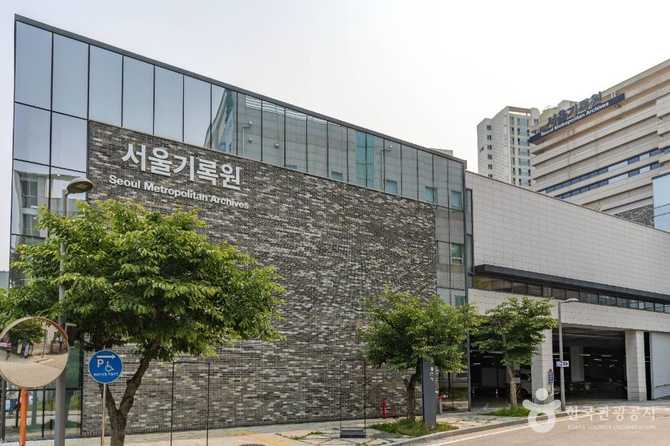
Discover Seoul Archives: Your Guide to Seoul Record Center
Are you interested in exploring Seoul’s rich history and citizen memories? The Seoul Record Center, also known as Seoul Archives, is the essential destination for anyone seeking to understand Seoul’s past through its preserved records and engaging programs. Whether you’re a history enthusiast, researcher, or visitor eager to learn about Seoul’s cultural heritage, this public archive offers comprehensive access to historical documents, exhibitions, and educational activities that bring Seoul’s history to life.
Seoul Archives plays a vital role in systematically collecting, preserving, and showcasing Seoul’s historical records and citizen memories. It serves as a hub for cultural preservation, offering a variety of record information services and public programs designed to deepen understanding of Seoul’s history. The center not only safeguards valuable documents but also promotes citizen participation through exhibitions and educational workshops, making history accessible and engaging for all visitors.
At a glance
- Who this is for
-
- Citizens and researchers interested in Seoul’s history and records
- Record management professionals and archivists
- Visitors seeking cultural exhibitions and educational programs about Seoul
- Anyone wanting to explore Seoul’s historical documents and citizen memories
- Key takeaways
-
- Systematic collection and permanent preservation of Seoul’s official records and citizen memories
- Free access to exhibitions, record viewing, and educational programs year-round
- Operates daily from 10:00 to 17:00, closed on Mondays and major holidays
- Offers citizen participation through workshops and special events
- Located at Seoul, Eunpyeong-gu, Tongil-ro 62-gil 7
- Tips & cautions
-
- Check the official website for holiday closures and special exhibitions before visiting
- Utilize free parking on weekdays, but arrive early for convenience
- Avoid touching or damaging records and exhibits
- Follow COVID-19 safety guidelines during your visit
- Bottom line
- Seoul Archives is the premier institution for preserving and exploring Seoul’s historical records and citizen memories, fostering a vibrant record culture accessible to everyone.
Understanding Seoul’s history is now easier than ever with the Seoul Record Center, where you can access a wealth of preserved documents, participate in educational programs, and enjoy exhibitions that highlight Seoul’s cultural heritage. This guide provides everything you need to know about visiting Seoul Archives, from opening hours and location to programs and visitor tips. Whether you’re a researcher, a history lover, or a curious traveler, Seoul Archives offers a unique window into Seoul’s past, helping you appreciate the city’s rich history and vibrant record culture.
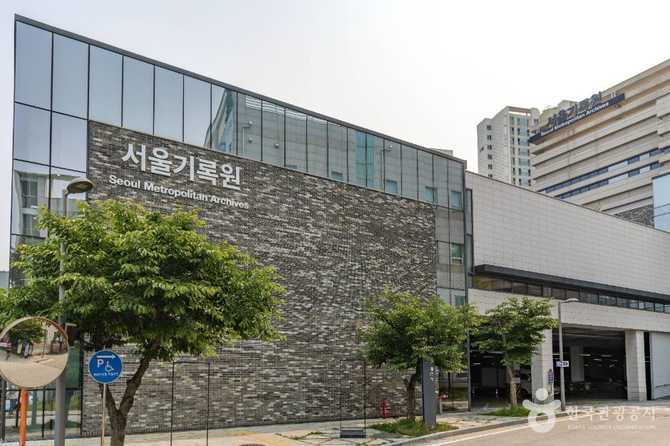
Plan your visit today to experience Seoul’s history firsthand, explore its archives, and participate in programs that deepen your understanding of Seoul’s cultural and historical legacy. With free entry, accessible facilities, and engaging activities, Seoul Archives is a must-visit for anyone interested in the city’s historical record and citizen memories.
Seoul Archives Overview and Its Role in Preserving History
The Seoul Record Center, also known as Seoul Archives, is the primary public institution dedicated to the systematic collection, preservation, and management of Seoul’s historical records and citizen memories. As a vital part of Seoul’s cultural infrastructure, it plays a crucial role in safeguarding the city’s rich history and making it accessible to the public. The focus keyword, Seoul Archives, encapsulates its mission to serve as a comprehensive archive that connects Seoul’s past with its present, ensuring that future generations can learn from and appreciate the city’s historical legacy.
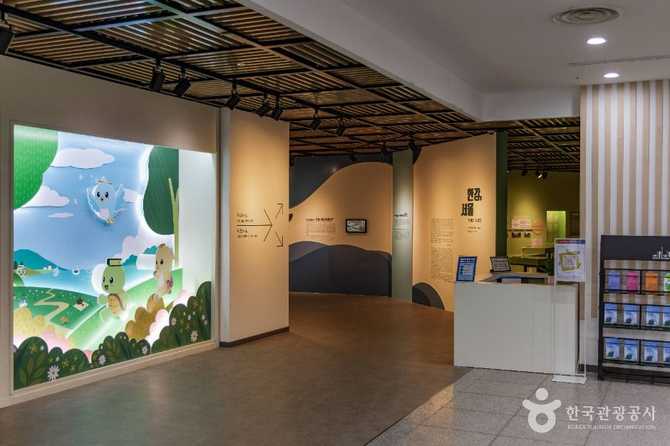
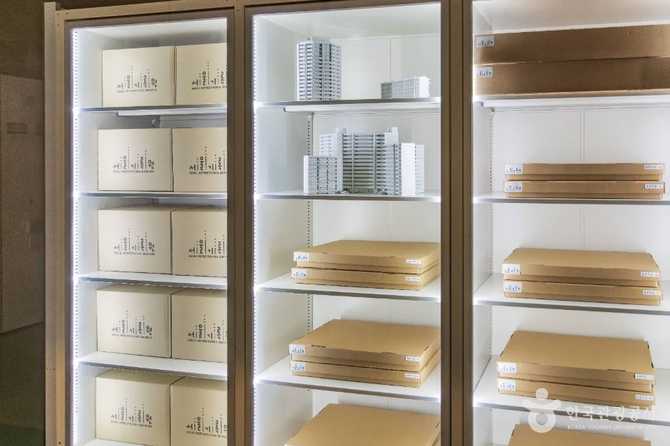
Established to support transparency, cultural preservation, and civic engagement, Seoul Archives collects a wide variety of records, including official government documents, photographs, videos, and citizen-submitted memories. These records are meticulously cataloged and preserved in optimal environmental conditions to ensure their long-term durability. The institution also actively promotes public participation through educational programs, exhibitions, and workshops designed to deepen understanding of Seoul’s history and record culture.
Beyond preservation, Seoul Archives serves as an educational hub where visitors can explore Seoul’s historical development, cultural evolution, and civic life through diverse exhibits and interactive activities. Its role extends to supporting researchers, students, and the general public by providing free access to a wealth of historical information. The center’s commitment to transparency and community engagement makes it a cornerstone of Seoul’s cultural landscape, fostering a collective memory and identity rooted in the city’s vibrant history.
Comparison of Record Preservation and Restoration at Seoul Archives
| Aspect | Preservation Method | Restoration Process | Purpose |
|---|---|---|---|
| Environmental Control | Temperature and humidity are carefully regulated, with special measures like radiation shielding to prevent deterioration. | N/A | To maintain the integrity of records over long periods without degradation. |
| Damage Repair | Physical damage is addressed through delicate repair techniques by trained conservators. | Restoration involves repairing torn or stained documents, reconstructing missing parts, and cleaning records. | To restore damaged records to a usable and visually intact state for study and display. |
| Preservation Duration | Records are preserved permanently or for the long term, depending on their importance and type. | Restoration is a temporary process aimed at stabilizing records for future preservation. | To ensure records remain accessible and intact for future research and exhibitions. |
Visit and Access Guidelines for Seoul Archives
- Operating Hours: Open daily from 10:00 AM to 5:00 PM, closed on Mondays, New Year’s Day, and major Korean holidays like Lunar New Year and Chuseok.
- Location: Seoul, Eunpyeong-gu, Tongil-ro 62-gil 7. Visiting by public transport or car is convenient, with free parking available on weekdays.
- Parking: Free for the first 30 minutes on weekdays; after that, a fee of 250 KRW per 5-minute interval applies. On weekends and public holidays, parking is free.
- Entry: Free admission to all exhibitions and record viewing areas. Visitors can access digital archives and participate in educational programs without charge.
- Pre-visit Tips: It’s recommended to check the official website for holiday closures and special exhibitions before visiting. Arrive early to make the most of your visit and parking convenience.
Exhibitions and Educational Programs at Seoul Archives
Seoul Archives offers a variety of engaging exhibitions and educational programs designed to deepen visitors’ understanding of Seoul’s history and record culture. These programs aim to promote citizen participation, foster learning, and highlight the importance of preserving Seoul’s cultural heritage. Whether you’re interested in exploring historical documents or participating in hands-on workshops, Seoul Archives provides opportunities for all ages and backgrounds to connect with Seoul’s past.
| Program Type | Features & Activities |
|---|---|
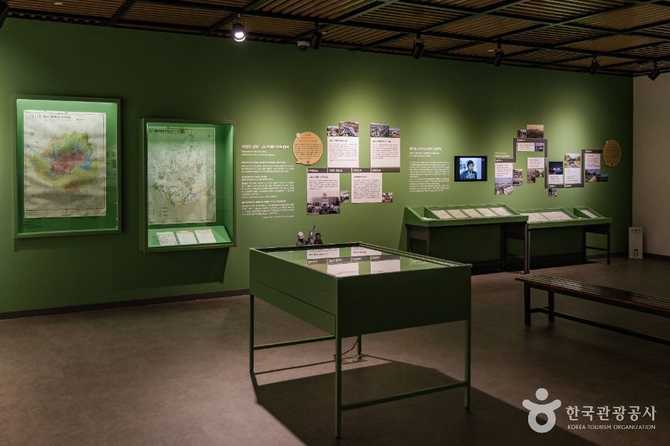
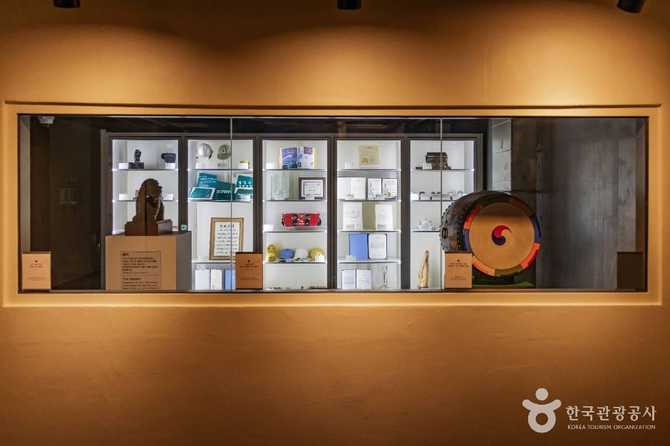
| Record Exhibitions | Showcases Seoul’s historical documents, photographs, and citizen memories, allowing visitors to experience Seoul’s past visually and interactively. |
| Educational Workshops | Hands-on activities such as record restoration, document writing, and preservation techniques led by experts, promoting active learning. |
| Special Events & Commemorations | Organizes events for record-related anniversaries, civic celebrations, and community participation activities to foster a record-conscious culture. |
| Themed Exhibitions & Programs | Temporary exhibits focusing on specific themes like Seoul’s urban development, cultural heritage, or citizen stories, often accompanied by lectures or guided tours. |
Visitor Tips for Enjoying Seoul Archives’ Exhibitions and Programs
- Check the official website for upcoming exhibition schedules and special event announcements before your visit.
- Arrive early to secure parking and avoid crowds during popular programs.
- Participate actively in workshops to gain practical skills in record preservation and documentation.
- Respect the exhibits by not touching or damaging records and displays.
- Follow staff instructions and COVID-19 safety protocols during your visit.
- Take advantage of free guided tours or educational sessions offered during exhibitions.
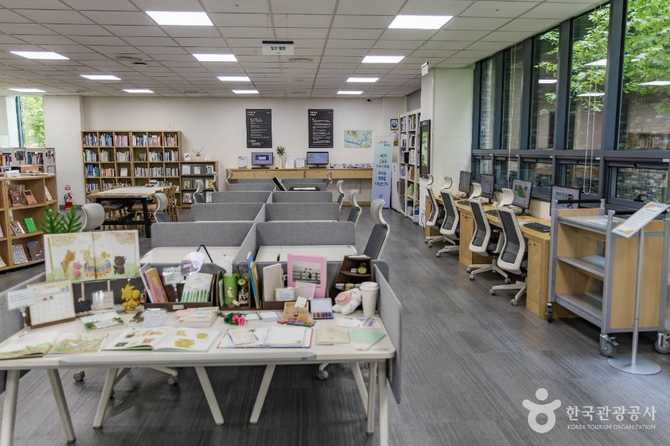
- Use the available facilities, such as reading areas and digital archives, to enhance your learning experience.
- Share your experience on social media or provide feedback to help improve future programs.
Whether you visit during the day or evening, Discover Seoul Archives is a meaningful stop on any Seoul itinerary for history-minded travelers.
Frequently Asked Questions (FAQ)
Q1: What is Seoul Archives and what is its main purpose?
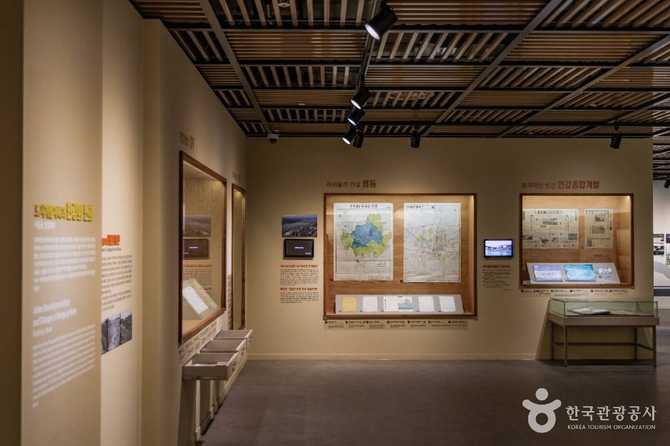
Seoul Archives, also known as Seoul Record Center, is a public institution dedicated to systematically collecting, preserving, and managing Seoul’s historical records and citizen memories. Its main purpose is to safeguard Seoul’s cultural heritage and provide public access to these valuable records.
Q2: What types of records does Seoul Archives preserve?
Seoul Archives preserves a wide range of records including government documents, photographs, videos, and citizen-submitted memories related to Seoul’s history and civic life. These records are stored permanently for research and educational purposes.
Q3: Is there an admission fee to visit Seoul Archives?
No, admission to Seoul Archives is free. Visitors can access exhibitions, view records, and participate in educational programs at no cost throughout the year.
Q4: What are the opening hours and closed days for Seoul Archives?
Seoul Archives is open daily from 10:00 AM to 5:00 PM, except on Mondays, New Year’s Day, and major Korean holidays like Lunar New Year and Chuseok. It is closed on these holidays and on Mondays.
Q5: How can I get to Seoul Archives and is parking available?
Seoul Archives is located at 7 Tongil-ro 62-gil, Eunpyeong-gu, Seoul. Free parking is available on weekdays for the first 30 minutes; after that, a fee applies. On weekends and public holidays, parking is free.
Q6: Are there any programs or exhibitions available during a visit?
Yes, Seoul Archives offers various exhibitions and educational workshops focused on Seoul’s history and record preservation. These programs are free and designed to promote citizen participation and learning.
Experience the Significance of Seoul Archives
Visiting the Seoul Archives offers a unique opportunity to connect with the city’s rich history and vibrant record culture. As the primary institution dedicated to the systematic collection and preservation of Seoul’s historical records, it plays a vital role in safeguarding the city’s collective memory. Whether you are a researcher, student, or a curious visitor, exploring the archives allows you to gain insight into Seoul’s past through a wide array of documents, photographs, and multimedia records. The center’s exhibitions and educational programs are designed not only to inform but also to inspire appreciation for Seoul’s cultural heritage. With free access to its numerous resources and a welcoming environment for citizen participation, Seoul Archives fosters a deeper understanding of the city’s evolution over time. Planning your visit with prior knowledge of opening hours, parking options, and available programs can enhance your experience. Engaging with Seoul’s historical records at this institution helps preserve the city’s legacy for future generations while enriching your own understanding of Seoul’s vibrant history. Don’t miss the chance to explore this vital cultural hub that truly brings Seoul’s past and present into focus through its dedicated efforts in record preservation and community engagement.