
Visit the Iconic An Jung-geun Statue in Seoul | Historical Significance & Visitor Info
Discover the historical significance of the An Jung-geun statue in Seoul and learn how to plan your visit to this important symbol of Korea’s independence movement. Whether you’re a history enthusiast, a student, or a traveler interested in Korea’s independence history, this guide provides all the essential details to explore this meaningful landmark.
At a glance
- Who this is for
-
- Visitors interested in Korea’s independence history
- Travelers exploring Seoul’s cultural landmarks
- History teachers and students seeking educational sites
- Anyone wanting to pay respects to Korea’s independence fighters
- Key takeaways
-
- The An Jung-geun statue was rebuilt in 2010, depicting him holding the Korean flag
- Located at the site of the former Joseon Shrine in Namsan, Seoul
- Open year-round, free of charge, with accessible public transportation
- Symbolizes Korea’s fight for independence and patriotism
- Nearby attractions include historical sites and scenic Namsan Park
- Tips & cautions
-
- Check the official website for the latest opening hours and events
- Parking is limited; use public transportation for convenience
- Accessible for visitors of all ages; flat terrain for easy access
- Photo opportunities are plentiful; remember to be respectful
- Bottom line
- Visiting the An Jung-geun statue offers a meaningful experience to connect with Korea’s independence history and patriotic spirit.
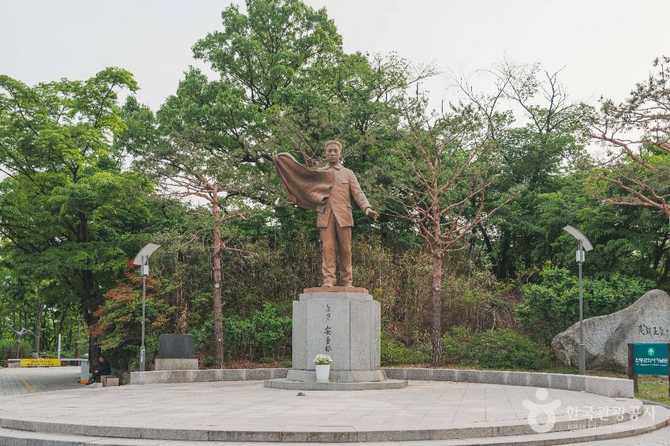
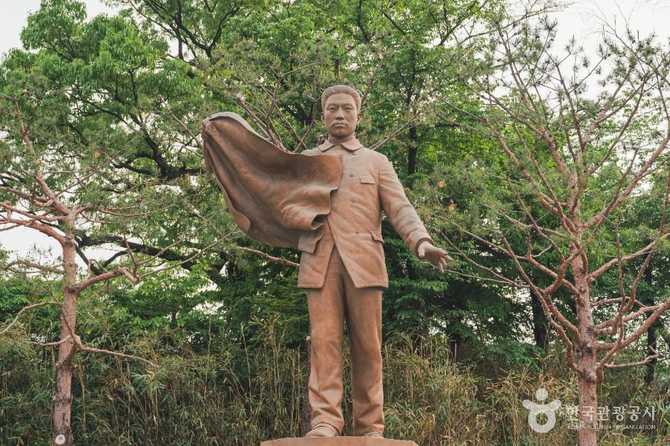
Located in Seoul’s central district, the An Jung-geun statue stands as a powerful reminder of Korea’s struggle for independence and national sovereignty. Erected to honor the patriot An Jung-geun, who famously assassinated Japanese warlord Ito Hirobumi, this monument embodies the resilience and fighting spirit of Korea during its colonial period. The statue, reconstructed in 2010, depicts An Jung-geun holding the Korean flag proudly, symbolizing his unwavering patriotism and sacrifice.
Visitors to Seoul can find this historic monument at the site of the former Joseon Shrine in Namsan, an area rich with historical significance. The location is easily accessible via public transportation, making it a popular stop for those interested in Korea’s independence movement. The site is open year-round and free to the public, providing an educational and inspiring experience for all visitors. Whether you are a history buff, a student, or a traveler exploring Seoul’s cultural landmarks, the An Jung-geun statue offers a profound insight into Korea’s fight for sovereignty and national pride.

In addition to the statue itself, visitors can explore nearby attractions such as Namsan Park and other historical sites, making it an ideal destination for a meaningful day of sightseeing. Remember to check the latest visitor information before your trip, as parking may be limited, and public transportation is highly recommended. Visiting this monument not only enriches your understanding of Korea’s history but also allows you to pay homage to one of its most revered independence fighters.
An Jung-geun Statue Location & Historical Background
The An Jung-geun statue is a significant monument dedicated to one of Korea’s most revered independence fighters. Located in Seoul’s central district, this statue not only commemorates his heroic sacrifice but also symbolizes Korea’s resilience during the Japanese colonial period. The statue is situated at the site of the former Joseon Shrine in Namsan, an area steeped in historical importance. Erected to honor An Jung-geun’s unwavering patriotism, the statue vividly depicts him holding the Korean flag, standing tall with a determined expression, embodying the spirit of resistance and national pride.
The monument was reconstructed in 2010 to restore its prominence as a symbol of Korea’s independence movement. Its location is particularly meaningful because it sits on the grounds of the former Joseon Shrine, which during the Japanese occupation represented colonial authority. By placing the statue here, Korea emphasizes its historical struggle and the enduring spirit of resistance against oppression. Visitors can reflect not only on An Jung-geun’s heroic act of assassinating Ito Hirobumi but also on the broader context of Korea’s fight for sovereignty.
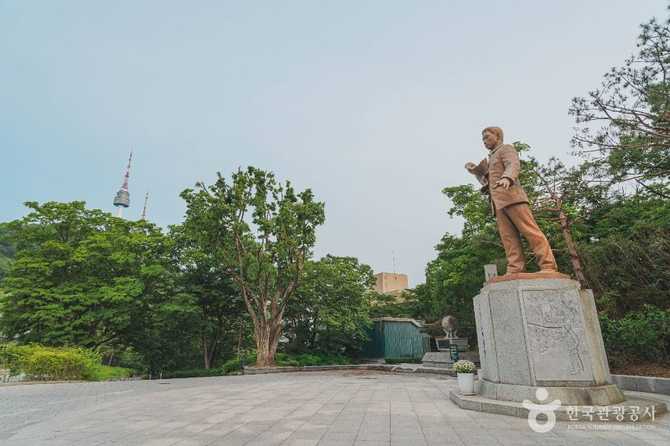
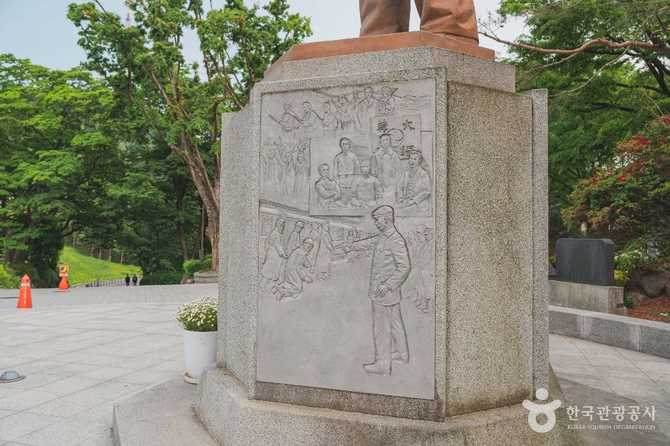
The statue’s historical background is deeply intertwined with Korea’s independence movement. An Jung-geun, a patriot and martyr, is remembered for his bold actions and unwavering dedication to Korea’s sovereignty. His assassination of Ito Hirobumi, a prominent Japanese politician and colonial governor, was a pivotal moment that symbolized resistance against Japanese imperialism. The site where the statue stands has become a pilgrimage destination for those interested in Korea’s modern history, offering a powerful reminder of the sacrifices made for national independence.
Today, the An Jung-geun statue serves as both a historical monument and an educational site, inspiring visitors to learn more about Korea’s independence movement and the enduring patriotism of its fighters. It is a place where history and national pride converge, making it a must-visit landmark for travelers interested in Korea’s past struggles and triumphs.
Comparison of Visiting An Jung-geun Statue and Nearby Attractions
| Feature | Details | Remarks |
|---|---|---|
| Location | Namsan, Seoul (former site of Joseon Shrine) | Central location, easily accessible |
| Accessibility | Public transportation (subway, bus), car | Recommended use of public transit due to limited parking |
| Opening Hours | Open year-round, 24/7 | No restrictions on visiting time |
| Entrance Fee | Free | No charge for visitors |
| Nearby Attractions | Namsan Park, Seoul Tower, Historical sites | Ideal for combined sightseeing |
| Parking | Limited parking available | Public transportation recommended |
Visitor Checklist for An Jung-geun Statue & Surroundings
- Check Opening Hours: The site is open year-round, 24/7. However, it’s advisable to verify the latest visiting hours or special events on the official website before your trip.
- Use Public Transportation: Due to limited parking space, taking the subway or bus is highly recommended for convenience and ease of access.
- Plan for Accessibility: The area is flat and accessible for visitors of all ages, making it easy to explore on foot or with mobility aids.
- Bring a Camera: The monument and surrounding scenery offer excellent photo opportunities. Remember to be respectful when taking photos.
- Respect the Site: As a place of historical significance, maintain decorum and avoid loud behavior or vandalism.
Historical Significance and Memorial Museum
The An Jung-geun statue and its accompanying memorial museum serve as a vital tribute to Korea’s independence movement and its heroic fighters. This site not only commemorates the life and sacrifice of patriot An Jung-geun but also functions as an educational hub that deepens visitors’ understanding of Korea’s struggle against Japanese colonial rule. The memorial museum offers a wealth of historical artifacts, photographs, and multimedia exhibits that narrate the story of Korea’s fight for sovereignty and the pivotal role played by An Jung-geun.

Located at the same site as the statue, the museum provides context to the monument’s significance. Visitors can explore exhibits detailing An Jung-geun’s life, his political beliefs, and his act of resistance through his assassination of Ito Hirobumi, a key figure in Japan’s colonial administration. The museum also highlights the broader history of Korea’s independence movement, emphasizing the patriotism and sacrifices of countless fighters who contributed to Korea’s liberation.
The museum’s displays include personal belongings of An Jung-geun, historical documents, and interactive presentations designed to educate visitors of all ages. It aims to inspire patriotism and provide a comprehensive understanding of Korea’s modern history. Visiting this memorial museum offers an immersive experience that connects visitors with Korea’s resilient spirit and ongoing pursuit of sovereignty.
Visitor Checklist for Visiting An Jung-geun Statue and Memorial Museum
- Verify Opening Hours: The memorial museum and statue are accessible year-round, but it’s recommended to check the official website or contact the park office for current operating hours and special events.
- Plan Your Transportation: Use public transportation such as subway or bus to reach the site, as parking may be limited. The site is centrally located in Seoul, making transit convenient.
- Prepare for a Cultural Experience: The museum offers a variety of exhibits, so allocate sufficient time to explore thoroughly. Guided tours may be available; check in advance if interested.
- Bring a Camera and Notebook: Capture memorable moments and take notes if you wish to learn more about Korea’s independence history. Remember to be respectful of the exhibits and other visitors.
- Respect the Site: As a place of national significance, maintain decorum, avoid loud conversations, and do not touch or damage exhibits.
- Check for Special Events or Commemorations: Occasionally, the site hosts ceremonies or educational programs. Confirm dates and times beforehand to participate or observe.
- Consider Accessibility Needs: The site is generally accessible, with flat pathways suitable for visitors with mobility aids. If special assistance is needed, contact the park office in advance.
- Stay Updated: Before your visit, review the official website or contact the local park office for the latest information on closures, renovations, or health guidelines.
Whether you visit during the day or evening, Visit the Iconic An Jung is a meaningful stop on any Seoul itinerary for history-minded travelers.
Frequently Asked Questions (FAQ)
Q1 Where is the An Jung-geun statue located in Seoul? An:
The An Jung-geun statue is located at 471 Namdaemun-ro 5-ga, Jung-gu, Seoul, on the site of the former Joseon Shrine in Namsan Park. It is situated in a historically significant area accessible via public transportation or car.
Q2 When was the An Jung-geun statue rebuilt? An:
The statue was reconstructed and officially reopened in 2010 to honor Korea’s independence movement and An Jung-geun’s patriotism. The current statue depicts him holding the Korean flag while standing proudly.
Q3 Is there an entrance fee to visit the An Jung-geun statue? An:
No, the An Jung-geun statue and its surrounding memorial area are open to the public free of charge. Visitors can explore the site at any time, year-round, without any admission fee.
Q4 What are the best ways to get to the An Jung-geun statue? An:
The site is easily accessible by public transportation, including subway lines and buses. Parking is limited, so using the subway or bus is highly recommended for convenience and ease of access.
Q5 What is the historical significance of the An Jung-geun statue? An:
The statue commemorates Korea’s independence fighter An Jung-geun, who assassinated Ito Hirobumi, a Japanese colonial official. It symbolizes resistance against Japanese imperialism and Korea’s patriotic spirit during the colonial period.
Q6 Are there any visiting tips or precautions I should know? An:
Visitors should check the official website or contact the park office for the latest opening hours and event information before visiting. The site is flat and accessible, and public transportation is recommended due to limited parking. Be respectful when taking photos and exploring the area.
Closing: Experience the Significance of the An Jung-geun Statue in Seoul
Visiting the An Jung-geun statue in Seoul offers a profound opportunity to connect with Korea’s rich history of independence and patriotism. This iconic monument stands as a testament to the heroic sacrifices made by Korea’s independence fighters, especially the revered figure of An Jung-geun. Located at a historically significant site on the grounds of the former Joseon Shrine in Namsan, the statue not only commemorates his courageous act of resistance but also embodies the enduring spirit of national pride.
Whether you are a history enthusiast, a student, or a traveler exploring Seoul’s cultural landmarks, this site provides an inspiring experience that deepens your understanding of Korea’s fight for sovereignty. The location’s accessibility via public transportation makes it a convenient and meaningful stop during your visit. Remember to check the latest information before your trip, as visiting hours and events may vary. Taking the time to reflect at this memorial allows visitors to honor Korea’s independence movement and appreciate the sacrifices of those who fought for their country’s freedom.
In conclusion, the An Jung-geun statue in Seoul is more than just a monument; it is a symbol of resilience, patriotism, and historical remembrance. Visiting this site will not only enrich your knowledge of Korea’s independence movement but also inspire a sense of national pride and respect for those who dedicated their lives to Korea’s sovereignty. Make sure to plan your visit carefully, utilize public transportation, and take the time to explore the surrounding historical sites to fully appreciate the significance of this important landmark. A trip to see the An Jung-geun statue promises an educational, emotional, and memorable experience that highlights Korea’s enduring spirit of independence and resilience.