

출처 : ⓒ한국관광콘텐츠랩 또는 ⓒ한국관광공사
Jeondong Cathedral in Jeonju: A Historic and Architectural Landmark
Location 전북특별자치도 전주시 완산구 태조로 51
Location 전북특별자치도 전주시 완산구 태조로 51
Discover the rich history and stunning architecture of Jeondong Cathedral, one of Korea’s most iconic Catholic churches. Whether you’re a history enthusiast, an architecture lover, or a traveler exploring Jeonju, this guide provides essential insights into the cathedral’s significance, design, and visiting tips.

At a glance
- Who this is for
-
- Travelers interested in Korea’s religious history
- Architecture enthusiasts exploring Catholic church designs
- History buffs focusing on Korean cultural heritage
- Tourists planning visits to Jeonju’s cultural sites
- Local residents and visitors seeking spiritual experiences
- Key takeaways
-
- Built on a historic martyr site from the Joseon Dynasty
- Constructed between 1908 and 1914, during Japanese occupation
- Features a unique blend of Byzantine and Romanesque architectural styles
- Designated as Jeonju’s first Romanesque-style church
- Open year-round with free parking and visiting hours from 09:00 to 17:00
- Tips & cautions
-
- Maintain a quiet demeanor inside for respectful worship and reflection
- Be mindful of preserving the historic surroundings
- Check opening hours before visiting, especially during holidays
- Dress modestly and comfortably for the visit
- Use nearby public transport or parking facilities for convenience
- Bottom line
- Jeondong Cathedral is a must-visit site that beautifully combines Korea’s religious history with impressive architecture.
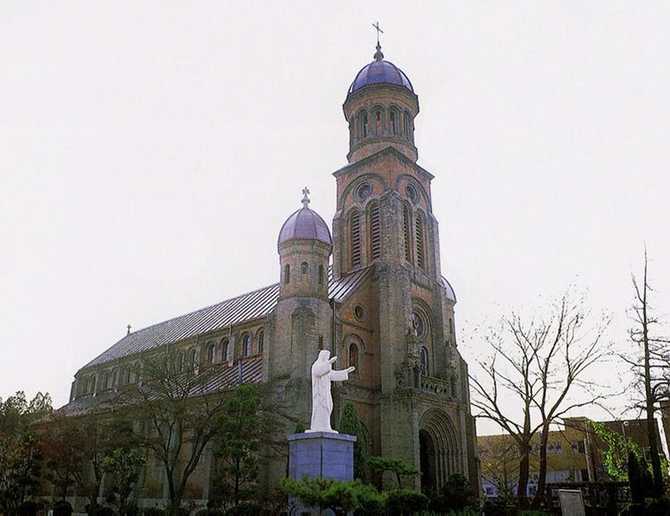
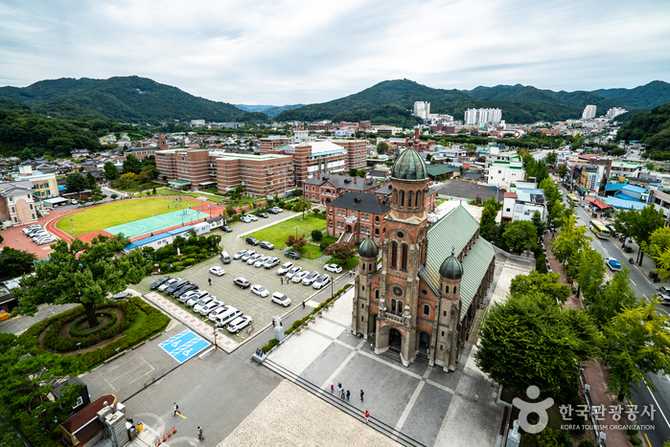
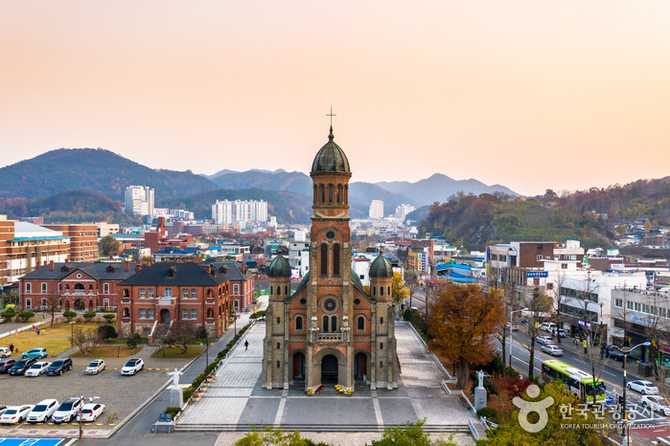
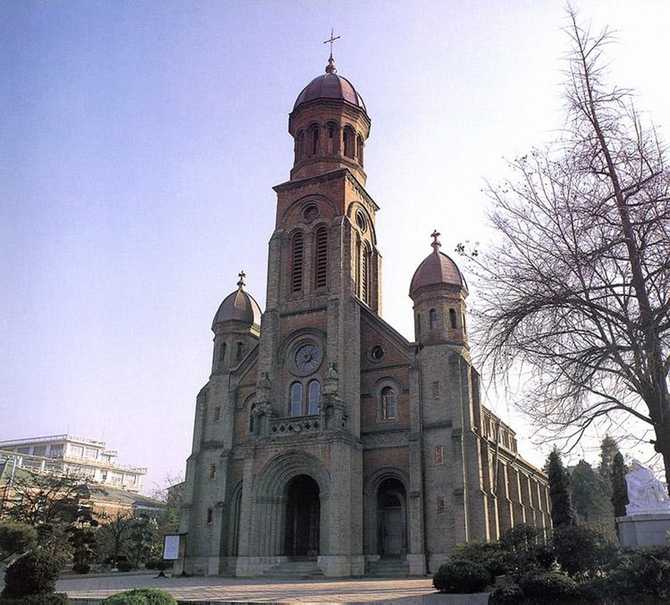
Jeondong Cathedral in Jeonju stands as a testament to Korea’s Catholic history, built on a site where early Christian martyrs suffered during the Joseon Dynasty. This historic cathedral, completed in 1914, is renowned for its stunning architectural style that merges Byzantine and Romanesque elements, making it a unique landmark in Korea. The church’s design reflects both religious symbolism and historical significance, attracting visitors interested in Korea’s cultural and spiritual heritage.
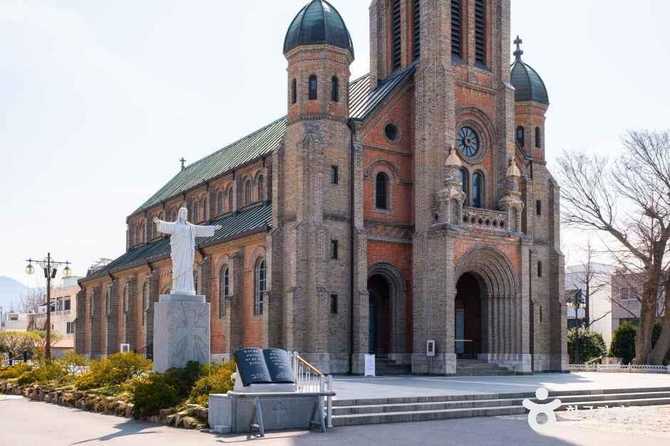
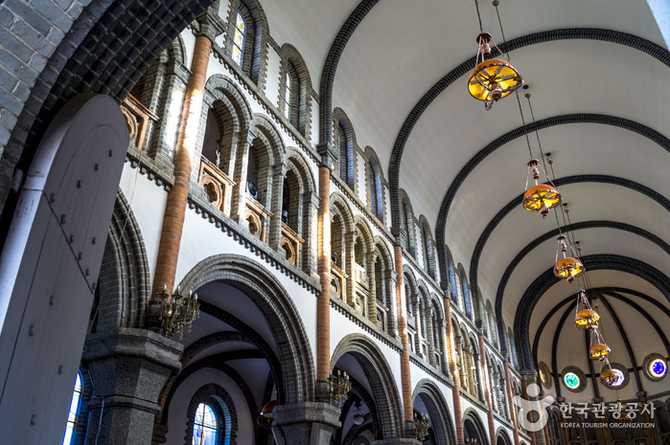
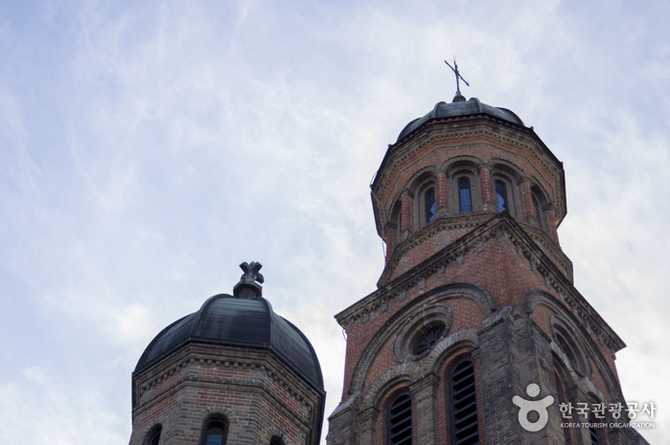
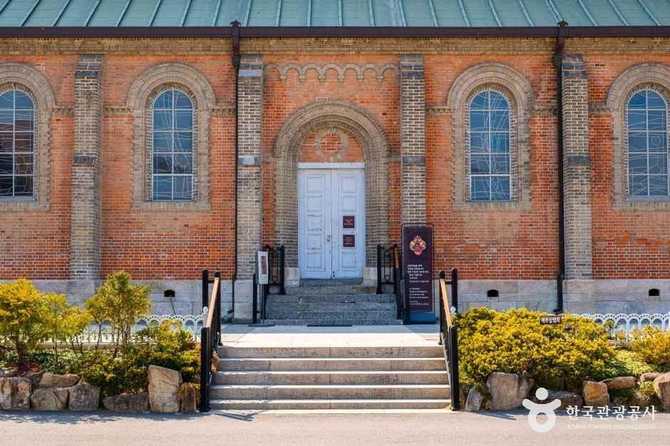
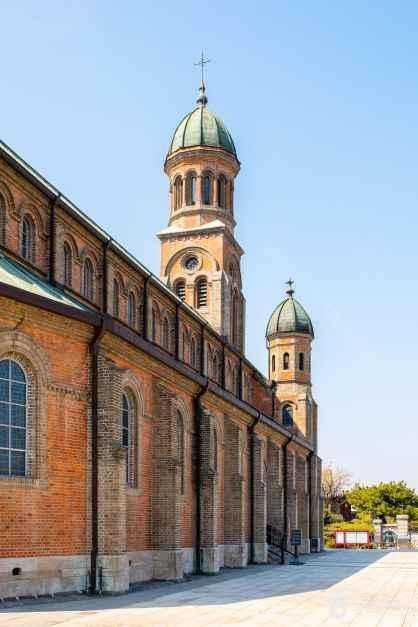
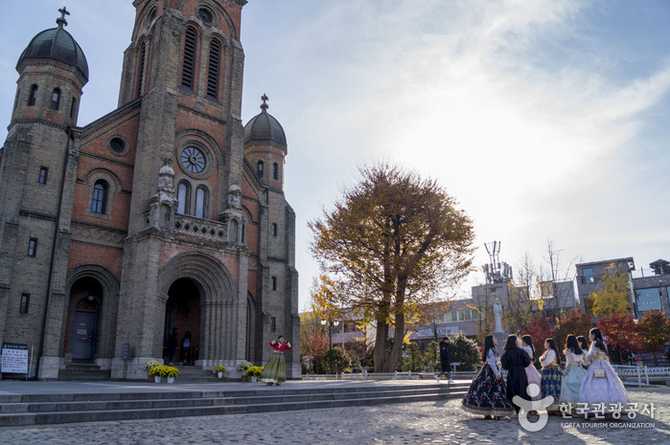
Located at 51 Taejo-ro, Wansan-gu, Jeonju, the cathedral is easily accessible and offers a peaceful environment for reflection and sightseeing. Its construction during the Japanese occupation period highlights its resilience and importance as a symbol of faith and perseverance. Visitors can admire the beautiful exterior with its twin towers and intricate brickwork, as well as the serene interior with vaulted ceilings and religious artifacts.
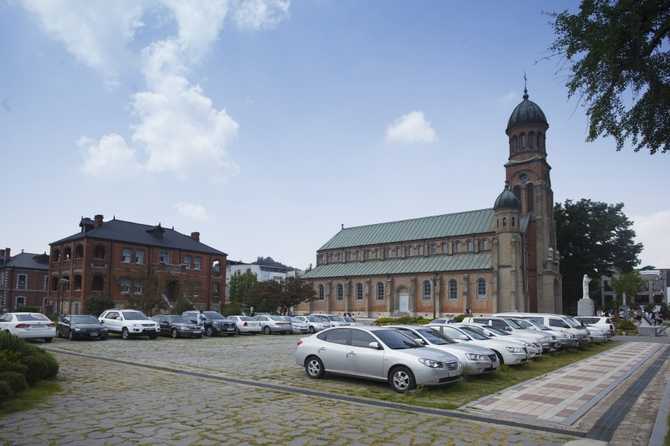
Whether you are exploring Jeonju’s famous Hanok Village, historical sites, or natural scenery, Jeondong Cathedral provides a meaningful stop that enriches your cultural journey. The site is open all year round from 09:00 to 17:00, with free parking available nearby. Remember to visit with a respectful attitude, as the church is an active place of worship and reflection. This guide aims to help you understand the historical and architectural importance of Jeondong Cathedral, ensuring a memorable visit.
Historical Background of Jeondong Cathedral
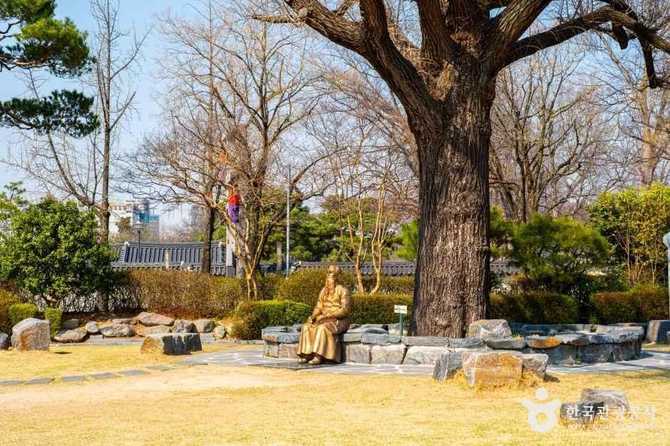
Jeondong Cathedral in Jeonju is a significant historical and religious landmark in Korea, built on a site that holds deep meaning in the nation’s Catholic history. As one of the earliest Catholic churches established during the Japanese occupation, this cathedral embodies the resilience and faith of Korean Christians during a period of persecution. The history of Jeondong Cathedral begins in the late 18th century when the first Catholic martyrs suffered martyrdom at this very location. Notably, in 1791, the first martyr, 윤지충 (Yoon Ji-chung), and 권상연 (Kwon Sang-yeon), were executed here, marking the site as a sacred place of sacrifice. During subsequent persecutions, especially during the 1801 신유박해 (Shinyo Persecution), many more believers, including 유항검 (Yoo Hang-geom) and 윤지헌 (Yoon Ji-heon), faced martyrdom, solidifying the site’s historical importance.
In 1891, a French priest acquired the land, and construction of the cathedral began in 1908, culminating in its completion in 1914. The cathedral was built during the Japanese colonial period, symbolizing the perseverance of Korean Catholics amid adversity. Its construction was a bold act of faith, and it has since become a symbol of religious resilience and cultural identity. The cathedral’s architecture reflects the historical context, combining Western Christian styles with local craftsmanship, making it a unique historical monument.
Today, Jeondong Cathedral stands as a testament to Korea’s Catholic heritage, attracting visitors interested in the history of religious persecution, Korean history, and architectural evolution. The site not only commemorates the sacrifices made by early believers but also serves as a place of worship and reflection. Its historical significance is recognized nationally, and it is preserved as a cultural heritage site, offering a window into Korea’s complex history of faith and resilience.
Comparison of Architectural Styles of Jeondong Cathedral
| Feature | Jeondong Cathedral | Seoul Myeongdong Cathedral |
|---|---|---|
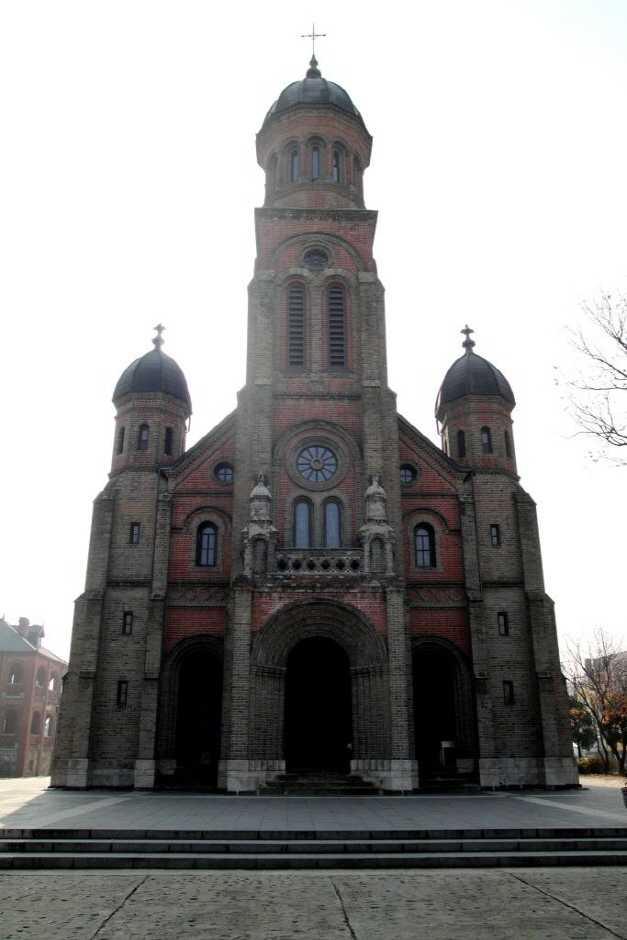
| Architectural Style | A blend of Byzantine and Romanesque styles, first of its kind in Korea | Gothic Revival with pointed arches and tall spires |
| Construction Material | Gray and red bricks, traditional European materials | Stone and stained glass, characteristic of Gothic architecture |
| Exterior Features | Twin towers, brick façade, rounded arches | Tall spires, flying buttresses, large stained glass windows |
| Interior Design | Vaulted ceilings, cross-shaped arches, simple yet elegant | High vaulted ceilings, intricate stained glass, ornate decorations |
| Historical Significance | First Romanesque-style church in Korea, built during Japanese occupation | Major Gothic cathedral, symbolic of Western Christian architecture in Korea |
Visitor Information & Practical Checklist for Jeondong Cathedral
- Operating Hours: 09:00 AM to 05:00 PM, open year-round.
- Admission: Free entry, donations appreciated.
- Parking: Free parking available nearby.
- Address: 51 Taejo-ro, Wansan-gu, Jeonju, Jeollabuk-do.
- Contact: 063-284-3222
- Best Visiting Time: Mornings or late afternoons for quieter experience.
- Arrive early or late in the day to avoid crowds.
- Bring a camera, but avoid using flash inside to protect the interior artifacts.
- Check the weather forecast before your visit, as the outdoor surroundings are beautiful for photos.
- Respect the sacred space: refrain from loud conversations or disruptive behavior.
- Visit nearby attractions like Jeonju Hanok Village for a full cultural experience.
Nearby Attractions and Cultural Spots in Jeonju
Jeondong Cathedral is centrally located in Jeonju, making it an ideal starting point for exploring the city’s rich cultural heritage. After visiting the cathedral, travelers can enjoy a variety of nearby attractions that showcase Korea’s traditional architecture, history, and natural beauty. The following list highlights some of the top sites within easy reach, perfect for enriching your cultural journey in Jeonju.

- Jeonju Hanok Village — Approximately 2 km from the cathedral, this famous village features hundreds of traditional Korean hanok houses, offering cultural experiences, traditional food, and craft shops. It’s a must-visit for anyone interested in Korea’s architectural heritage and local lifestyle.
- Gyeonggijeon Shrine — Located about 2.5 km from Jeondong Cathedral, this historic shrine houses the portrait of King Tae-jo, the founder of the Joseon Dynasty. Surrounded by beautiful gardens and traditional pavilions, it provides insight into Korea’s royal history.
- Jeonju Hyanggyo — Around 1.8 km away, this Confucian school is one of Korea’s oldest educational institutions, showcasing traditional Confucian architecture and offering a peaceful environment for reflection.
- Jeonju Traditional Food Streets — Near the Hanok Village, these streets are famous for local delicacies like bibimbap, kongnamul gukbap (bean sprout soup), and street snacks. A perfect stop for experiencing authentic Korean cuisine.
- Deokjin Park — About 3 km from the cathedral, this scenic park is known for its lotus ponds and peaceful walking paths, ideal for relaxing after a cultural tour.
- Jeonju Nambu Market — Located roughly 2 km away, this traditional market offers fresh produce, local crafts, and regional specialties, providing an authentic shopping experience.
Transportation options are plentiful, with accessible public transit, taxis, and walking routes connecting these attractions. Combining a visit to Jeondong Cathedral with these nearby spots will give travelers a comprehensive experience of Jeonju’s cultural and historical richness.

Visitor Checklist for a Smooth Experience at Jeondong Cathedral
- Check Operating Hours: Confirm that the cathedral is open from 09:00 to 17:00 before your visit.
- Dress Modestly: Wear respectful attire suitable for a religious site, avoiding revealing or casual clothing.
- Arrive Early or Late: To avoid crowds and enjoy a peaceful experience, plan your visit during early mornings or late afternoons.
- Bring a Camera: Photography is permitted outside and inside, but please use flash and be discreet, especially during prayer sessions.
- Respect Worship Activities: Maintain a quiet demeanor, refrain from loud conversations, and avoid disturbing ongoing services.
- Use Public Transportation or Parking: Parking is available nearby for free; consider using local transit for convenience and ease of access.
- Visit Nearby Sites: Combine your trip with nearby attractions such as Jeonju Hanok Village, Gyeonggijeon Shrine, or Deokjin Park for a full cultural experience.
- Prepare for Weather Conditions: Check the forecast and dress accordingly, especially if planning outdoor photography around the cathedral.
- Be Environmentally Conscious: Keep the area clean by disposing of trash properly and respecting the historical surroundings.
- Plan Your Route: Use maps or navigation apps to ensure smooth travel between attractions and avoid unnecessary delays.
Frequently Asked Questions (FAQ)
Jeondong Cathedral is built on a site where early Catholic martyrs were executed during the Joseon Dynasty, making it a symbol of religious perseverance. It was completed in 1914 during Japanese occupation, representing resilience of Korean Catholics.


The cathedral combines Byzantine and Romanesque architectural styles, making it Korea’s first Romanesque-style church. Its exterior features twin towers and brickwork, with interior vaulted ceilings and cross-shaped arches.
The cathedral is open year-round from 09:00 to 17:00. Visiting early in the morning or late in the afternoon can offer a quieter experience and better lighting for photos.
Photography is permitted but should be done quietly and respectfully to avoid disturbing worshippers. Flash photography is discouraged to protect the interior artifacts.
The cathedral is approximately 2 km from Jeonju Hanok Village and can be reached by walking, taxi, or public transportation. It is easily accessible within a short 10-15 minute journey.

Nearby attractions include Jeonju Hanok Village, Gyeonggijeon Shrine, and Jeonju Hyanggyo, all within 2-3 km. These sites offer cultural, historical, and architectural experiences close to the cathedral.
Conclusion: Discover the Rich Heritage of Jeondong Cathedral in Jeonju
Visiting Jeondong Cathedral in Jeonju offers a unique opportunity to explore Korea’s deep-rooted religious history and admire remarkable architecture. As a symbol of resilience and faith, this historic church stands on a site that witnessed the sacrifices of early Catholic martyrs during the Joseon Dynasty, making it a meaningful destination for history enthusiasts and spiritual travelers alike. The blend of Byzantine and Romanesque architectural styles, combined with its historical significance, makes Jeondong Cathedral a must-see landmark in Jeonju. Whether you’re captivated by its stunning exterior, serene interior, or the stories embedded within its walls, the cathedral provides a profound connection to Korea’s cultural and religious past. Planning your visit with respect and mindfulness ensures that you honor this sacred space. Remember to check the operating hours and arrive prepared for a quiet, contemplative experience. A trip to Jeondong Cathedral not only enriches your understanding of Korea’s history but also leaves a lasting impression of the country’s enduring spiritual legacy. Make sure to include this extraordinary site in your Jeonju travel itinerary for an unforgettable cultural journey.