
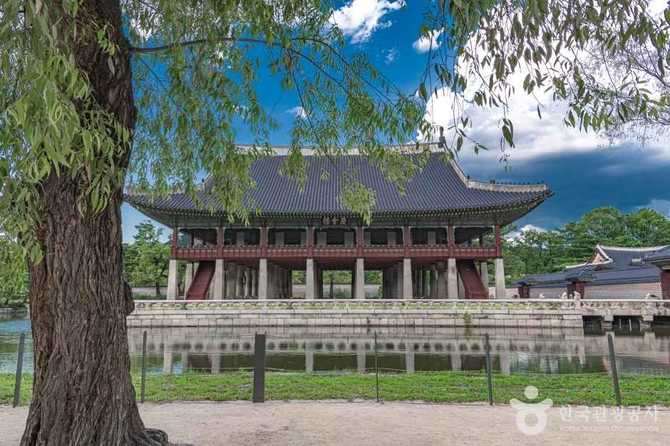
출처 : ⓒ한국관광콘텐츠랩 또는 ⓒ한국관광공사
Gyeongbokgung Palace: The Heart of Korea’s History and Culture
Location 서울특별시 종로구 사직로 161 (세종로)
Location 서울특별시 종로구 사직로 161 (세종로)
Discover the majestic Gyeongbokgung Palace, Korea’s most iconic royal residence, where centuries of history and traditional architecture come alive. Whether you’re interested in exploring Korea’s royal heritage, admiring exquisite architecture, or experiencing cultural heritage firsthand, Gyeongbokgung offers an unparalleled journey into Korea’s past.
Visiting Gyeongbokgung Palace provides a unique opportunity to immerse yourself in Korea’s rich history, from its founding in 1395 to its restoration efforts today. This guide covers everything you need to know before your visit—location, opening hours, key attractions, cultural significance, and practical tips—ensuring a smooth and enriching experience. As the main royal palace of the Joseon Dynasty, Gyeongbokgung stands as a symbol of Korea’s royal authority and cultural legacy, making it a must-visit destination for travelers seeking to understand Korea’s traditional roots.
At a glance
- Who this is for
-
- Travelers interested in Korean history and royal culture
- Fans of traditional Korean architecture and heritage sites
- History enthusiasts and cultural explorers visiting Seoul
- Tourists seeking to experience Korea’s historical landmarks
- Key takeaways
-
- Constructed in 1395, the main palace of the Joseon Dynasty
- Major restoration completed in 1995, preserving historical structures
- Main attractions include Geunjeongjeon, Gyeonghoeru, and Hyangwonjeong
- Located at 161 Sajik-ro, Jongno-gu, Seoul
- Open daily except Tuesdays, with limited parking; public transport recommended
- Tips & cautions
-
- Check opening hours and holiday schedules before visiting
- Arrive early to enjoy the site with fewer visitors
- Wear comfortable shoes for walking around expansive grounds
- Use public transportation due to limited parking options
- Respect cultural artifacts and follow visitor guidelines
- Bottom line
- Gyeongbokgung Palace offers an immersive experience into Korea’s royal history and traditional architecture, making it a must-visit for travelers to Seoul.
Gyeongbokgung Palace, the main royal palace of the Joseon Dynasty, stands as a testament to Korea’s rich cultural and historical heritage. Built in 1395, it served as the heart of the Joseon monarchy and a symbol of royal authority. Over the centuries, the palace experienced destruction, notably during the Imjin War in 1592, but was meticulously reconstructed and restored, with significant restoration work ongoing since 1995. Today, Gyeongbokgung is not only a historical site but also a vibrant cultural hub, featuring museums, traditional performances, and cultural programs.
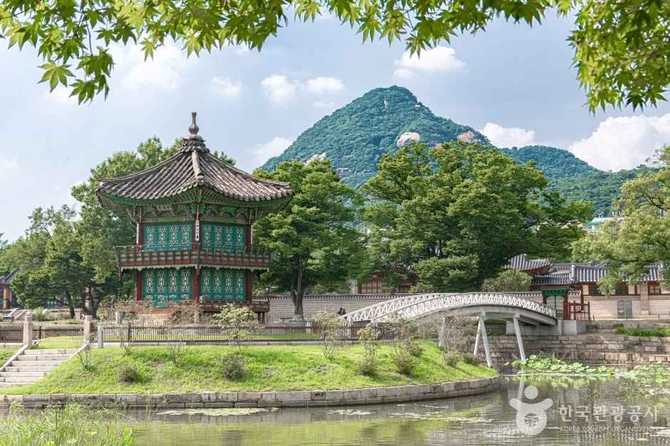
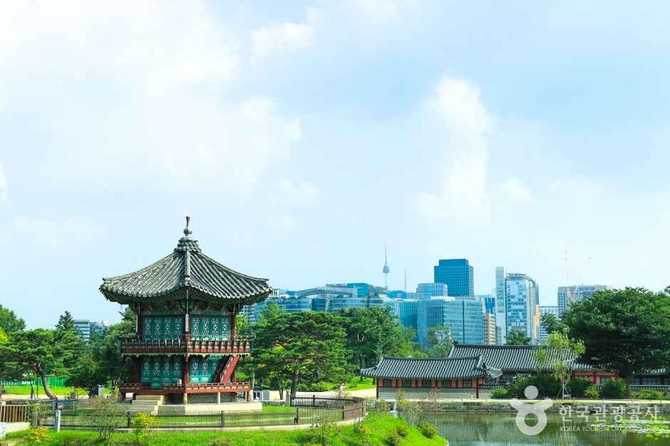
Visitors to Gyeongbokgung can explore grand halls such as Geunjeongjeon, the throne hall where royal ceremonies took place, and Gyeonghoeru, a pavilion used for banquets and official events. The site also includes Hyangwonjeong, a beautiful pond and garden area, offering a glimpse into Korea’s traditional landscape architecture. Located in the heart of Seoul at 161 Sajik-ro, the palace is easily accessible via public transportation, with nearby subway stations and bus stops.
To make the most of your visit, it’s essential to plan ahead: check the opening hours, especially during seasonal variations, and be aware of regular closures on Tuesdays. Wearing comfortable shoes and arriving early will enhance your experience, allowing you to enjoy the site’s beauty with fewer crowds. Whether you’re interested in Korean history, traditional architecture, or cultural experiences, Gyeongbokgung Palace is a destination that promises a memorable journey into Korea’s royal past.
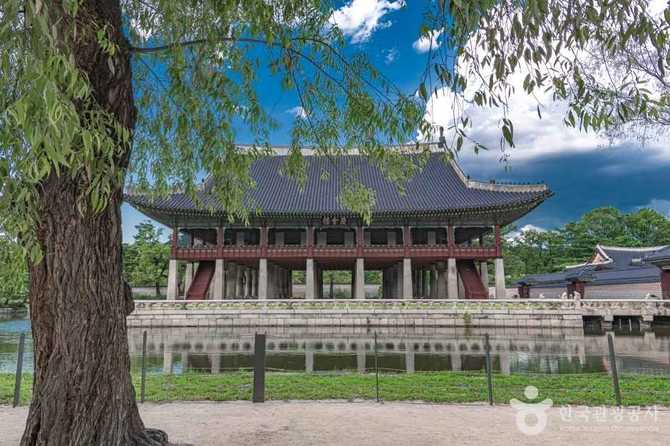
Overview of Gyeongbokgung Palace: Korea’s Historic Royal Residence
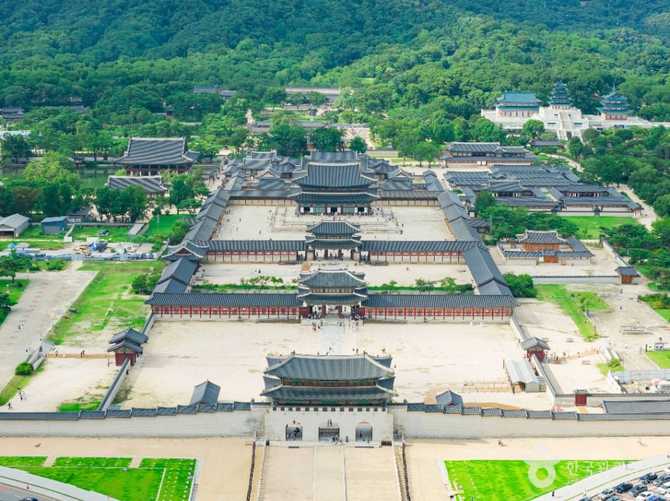
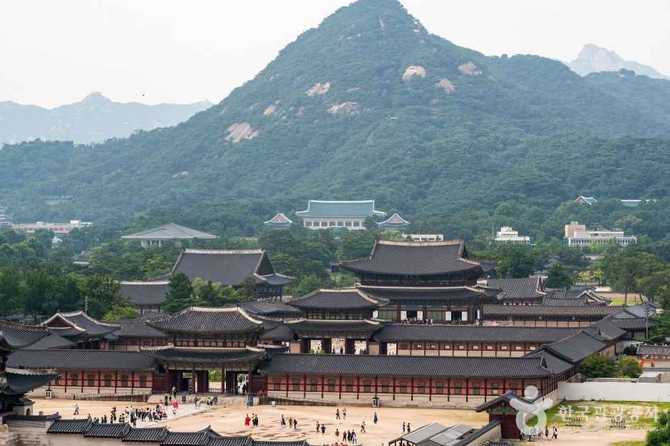
Gyeongbokgung Palace is the most iconic royal palace of Korea, serving as a symbol of the nation’s rich history and cultural heritage. Built in 1395, shortly after the founding of the Joseon Dynasty, Gyeongbokgung stands at the heart of Seoul and exemplifies traditional Korean architecture and royal grandeur. As the main palace of the Joseon kings, it was the political, cultural, and ceremonial center of Korea for centuries. The name “Gyeongbokgung” translates to “Palace of Shining Happiness,” reflecting its significance and the aspirations of the Joseon rulers.
Throughout its long history, Gyeongbokgung has witnessed numerous historical events, including invasions and wars. The palace was destroyed during the Japanese invasions in 1592 but was meticulously reconstructed starting in 1867. The restoration process has continued into the modern era, with major efforts beginning in the 1990s to restore its original architectural beauty. Today, visitors can explore the grand halls, pavilions, and gardens that embody Korea’s traditional aesthetics and royal lifestyle. Notable structures include Geunjeongjeon (throne hall), Gyeonghoeru (pavilion for banquets), and Hyangwonjeong (garden pavilion). The palace also houses the National Palace Museum of Korea and the National Folk Museum, offering insights into Korea’s royal history and folk culture.
Visiting Gyeongbokgung provides a unique opportunity to immerse yourself in Korea’s past, from its founding to its modern restoration. The site’s historical significance is complemented by its stunning architecture and scenic landscapes, which reflect traditional Korean design principles. Whether you are a history enthusiast, architecture lover, or cultural explorer, Gyeongbokgung Palace offers an enriching experience that highlights Korea’s royal legacy and cultural resilience. When planning your visit, be sure to check the opening hours and special events to make the most of your trip to this national treasure.
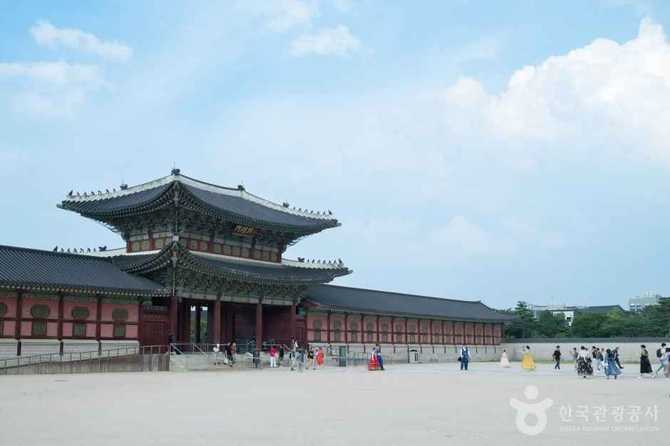
Comparison of Gyeongbokgung Palace Restoration and Key Architectural Features
| Aspect | Historical Details | Restoration & Preservation |
|---|---|---|
| Construction Year | Built in 1395, shortly after the founding of the Joseon Dynasty. | Major restoration efforts began in 1867 after destruction during Japanese invasions; ongoing restoration since the 1990s. |
| Main Architectural Elements | Includes Geunjeongjeon (throne hall), Gyeonghoeru (pavilion), Hyangwonjeong (garden pavilion), and the throne courtyard. | Restoration uses traditional construction techniques combined with modern technology to preserve authenticity; some structures reconstructed to original plans. |
| Historical Significance | Served as the political and ceremonial center of Korea for over 500 years. | Restoration aims to restore its original appearance and cultural integrity, making it a symbol of Korean resilience. |
| Major Restoration Milestones | Rebuilt after destruction in 1592; significant restoration in 1867; major projects from 1995 onward. | Includes restoring main halls, gates, ponds, and gardens; efforts to maintain traditional architectural style. |
This comparison highlights the historical evolution and ongoing preservation of Gyeongbokgung Palace. The restoration projects aim to maintain the authenticity of Korea’s royal architecture while employing modern techniques for stability and durability. Visitors can appreciate the blend of historical significance and cultural preservation that makes Gyeongbokgung a must-visit cultural landmark.
Cultural Heritage and Essential Visitor Checklist for Gyeongbokgung Palace
- Geunjeongjeon (Throne Hall): The main hall where royal ceremonies and state affairs took place. It is designated as a national treasure.
- Gyeonghoeru (Pavilion): A scenic pavilion used for royal banquets and official gatherings, offering picturesque views over a pond.
- Hyangwonjeong (Garden Pavilion): Located within a pond, this pavilion exemplifies Korea’s landscape architecture and serenity.
- National Palace Museum of Korea: Exhibits artifacts, royal regalia, and historical documents related to the Joseon Dynasty.
- National Folk Museum: Offers insights into traditional Korean life, customs, and folk culture.
- Important Cultural Artifacts: Including royal seals, costumes, and historical relics preserved within the palace complex.
- Check the official opening hours and holiday schedule.
- Wear comfortable shoes suitable for walking on expansive grounds.
- Use public transportation to avoid parking difficulties and traffic congestion.
- Respect the cultural artifacts and follow visitor guidelines to preserve the site’s integrity.
- Consider visiting during seasonal festivals or night openings for a unique experience.
Visitor Tips and Practical Information for Gyeongbokgung Palace
| Tip | Details |
|---|---|
| Check Operating Hours | Operating hours vary seasonally; verify the latest schedule on the official website or by phone before your visit. |
| Observe Closed Days | The palace is closed every Tuesday. During public holidays or special events, opening hours may change, so confirm in advance. |
| Arrive Early | To avoid crowds and enjoy the tranquil atmosphere, arrive at opening time, typically around 9:00 AM. |
| Wear Comfortable Shoes | The palace grounds are expansive; comfortable footwear is recommended for walking and exploring thoroughly. |
| Use Public Transportation | Parking is limited; convenient access is available via subway stations Gyeongbokgung (Line 3) and Gyeongbokgung Station (Line 3). Buses also serve the area. |
| Prepare for Weather | Check the weather forecast and dress accordingly—bring umbrellas, hats, or sunscreen as needed. |
| Bring Essential Items | Carry water, a camera, personal identification, and any necessary tickets or reservations for special programs. |
| Respect Cultural Artifacts | Follow visitor guidelines, do not touch artifacts, and speak quietly to preserve the respectful atmosphere. |
Recommended Visiting Schedule and Cultural Experiences at Gyeongbokgung Palace
- Best Visiting Times: Spring (March to May) and Autumn (September to November) offer the most scenic views with pleasant weather and vibrant foliage.
- Ideal Arrival Time: Arrive by 9:00 AM when the palace opens to enjoy the site with fewer visitors and cooler temperatures.
- Suggested Duration: Allocate at least 2 to 3 hours to explore major sites such as Geunjeongjeon, Gyeonghoeru, and Hyangwonjeong, plus the museums.
- Visit the Museums: Spend time at the National Palace Museum and the National Folk Museum within the palace complex for deeper historical insights.
- Cultural Programs: Participate in traditional costume experiences (Hanbok rentals and photoshoots) or join guided tours to enrich your understanding of Korea’s royal heritage. Pre-book these activities online if possible.
- Night Visits: During certain seasons, Gyeongbokgung offers evening openings with special lighting, providing a unique perspective of the palace’s architecture.
- Recommended Route: Start at Gyeongbokgung Entrance → Geunjeongjeon (Throne Hall) → Gyeonghoeru Pavilion → Hyangwonjeong Garden → National Palace Museum → National Folk Museum, and finish with Gyeongbokgung’s main gates or nearby attractions like Cheonggyecheon Stream.
- Special Events: Check the official website for seasonal festivals, traditional performances, and reenactments, which are often held on weekends or during holidays.
Frequently Asked Questions (FAQ)
Q1: When was Gyeongbokgung Palace built?
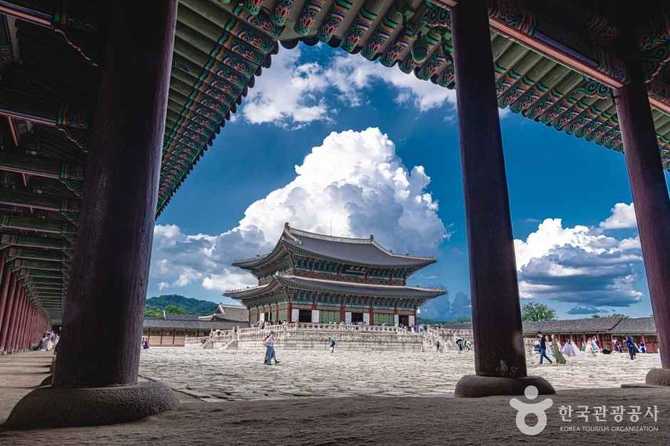
Gyeongbokgung Palace was constructed in 1395, shortly after the founding of the Joseon Dynasty. It served as the main royal residence and political center of Korea for over 500 years.
Q2: What are the main architectural features of Gyeongbokgung Palace?
The palace features iconic structures such as Geunjeongjeon (throne hall), Gyeonghoeru (pavilion for banquets), Hyangwonjeong (garden pavilion), and the main gates. These buildings exemplify traditional Korean palace architecture and design.
Q3: When did the restoration work on Gyeongbokgung Palace begin?
Major restoration efforts started in 1867 after the palace was destroyed during Japanese invasions in 1592. Extensive restoration projects have continued since the 1990s to preserve and rebuild the historic structures.
Q4: What is the best time of year to visit Gyeongbokgung Palace?
The optimal visiting seasons are spring (March to May) and autumn (September to November), when the weather is mild and the scenery is particularly beautiful with cherry blossoms or fall foliage.
Q5: How can I best access Gyeongbokgung Palace?
It is most convenient to use public transportation, such as Seoul Subway Line 3 to Gyeongbokgung Station or Gwanghwamun Station. Parking is limited, so public transit is recommended for a hassle-free visit.
Q6: What are the opening hours of Gyeongbokgung Palace?
The palace generally opens from 9:00 AM to 5:00 or 6:00 PM, depending on the season. It is closed every Tuesday, and visitors should check the official website for specific hours and special event schedules.
Experience the Rich Heritage of Gyeongbokgung Palace
Visiting Gyeongbokgung Palace offers an unparalleled opportunity to immerse yourself in Korea’s royal history and traditional architecture. As the main royal palace of the Joseon Dynasty, it stands as a symbol of Korea’s cultural resilience and historical grandeur. Whether you are captivated by its majestic halls, scenic gardens, or cultural artifacts, Gyeongbokgung provides a meaningful connection to Korea’s past. Planning your visit with prior knowledge of operating hours, cultural programs, and transportation options will ensure a smooth and memorable experience. Remember to check the official website for the latest updates on opening times and special events, especially during seasonal festivals or night openings. Wearing comfortable shoes and arriving early will help you explore the expansive grounds at your own pace, avoiding crowds and fully appreciating the beauty of this historic site. A trip to Gyeongbokgung Palace is not just sightseeing; it’s a journey into Korea’s rich cultural soul, leaving you with lasting memories of Korea’s royal heritage and timeless traditions.