
출처 : ⓒ한국관광콘텐츠랩 또는 ⓒ한국관광공사
Discover the Historic Sinsuldong Leather and Fabric Street in Seoul
Location 서울특별시 종로구 난계로27길 30-8 (숭인동) 1층
Location 서울특별시 종로구 난계로27길 30-8 (숭인동) 1층
Are you interested in exploring Korea’s rich industrial heritage and vibrant cultural revival? Discover the fascinating story of Sinsuldong Leather and Fabric Street, a historic area in Seoul that has transformed from a bustling industrial hub into a modern cultural space. This guide provides insights into its past, present, and future, helping visitors appreciate the significance of this unique neighborhood.
At a glance
- Who this is for
-
- Visitors interested in Seoul’s industrial history and cultural heritage
- Tourists seeking unique local experiences in Korea
- Industry professionals and craft enthusiasts
- People curious about urban regeneration projects
- Key takeaways
-
- Sinsuldong Leather and Fabric Street was a major industry hub in the late 20th century.
- The area is now undergoing cultural revitalization and urban renewal.
- The space ‘Gat’ reinterprets traditional materials into modern cultural concepts.
- Community efforts aim to preserve heritage while fostering innovation.
- Future plans include cultural events, artisan support, and eco-friendly projects.
- Tips & cautions
-
- Some areas are still under renovation; check local updates before visiting.
- Engage with local artisans and participate in cultural programs.
- Respect the historic sites and support sustainable tourism.
- Bottom line
- Seoul’s Sinsuldong Leather and Fabric Street is a vital cultural heritage site that blends industrial history with modern urban renewal efforts.
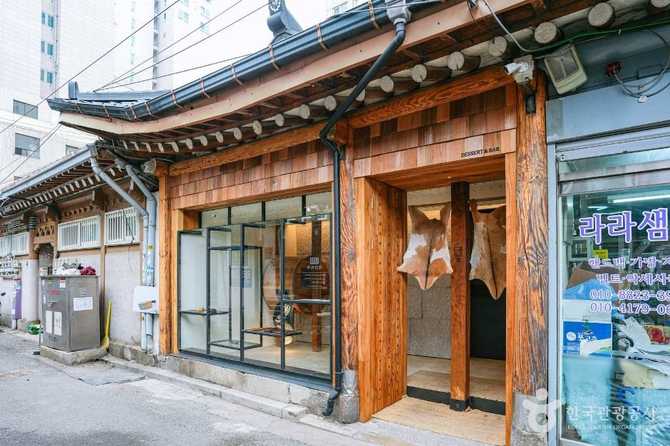
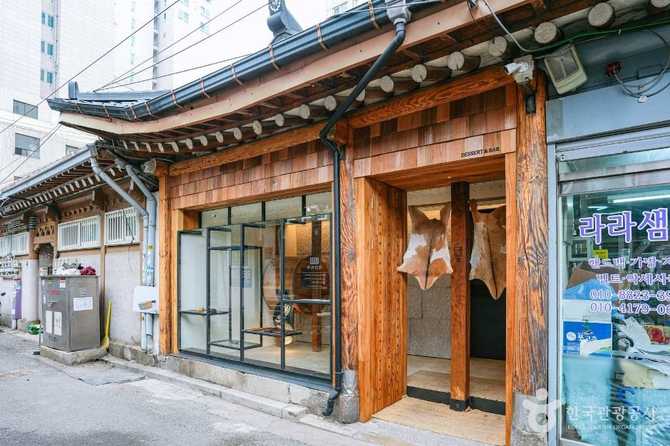
Exploring the Sinsuldong Leather and Fabric Street offers a unique glimpse into Korea’s industrial past and its ongoing efforts to preserve and reinterpret this heritage. Once a bustling center for leather and fabric manufacturing in Seoul, this neighborhood played a crucial role in shaping local craftsmanship and industry. Today, the area is experiencing a renaissance, transforming old factories and workshops into vibrant cultural spaces, art galleries, and community hubs. The project ‘Gat’ exemplifies this shift, reimagining traditional materials like leather and fabric into contemporary designs and cultural expressions.
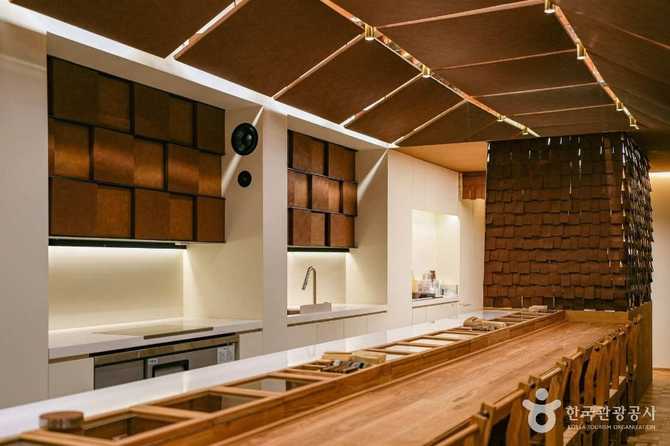
For visitors, this area provides an enriching experience that combines history, craftsmanship, and modern creativity. Whether you’re interested in exploring artisan workshops, enjoying local cuisine, or participating in cultural events, Sinsuldong offers a compelling blend of the old and new. This guide will help you understand the significance of the district’s industrial heritage, the ongoing revitalization efforts, and what you can expect when visiting this dynamic neighborhood in Seoul.
As Seoul continues to grow and modernize, preserving its industrial roots remains vital for maintaining cultural diversity and local identity. The story of Sinsuldong Leather and Fabric Street reflects a broader movement across Korea to honor traditional industries while embracing innovative urban development. Join us as we delve into the history, culture, and future prospects of this fascinating area, and learn how it is becoming a symbol of Korea’s resilience and creativity.
Overview of Sinsuldong Leather and Fabric Street’s History and Background
Sinsuldong Leather and Fabric Street in Seoul is a historically significant area that played a vital role in Korea’s industrial development during the late 20th century. Known as a hub for leather and textile manufacturing, this neighborhood was once bustling with artisans, craftsmen, and merchants dedicated to producing high-quality leather goods and fabrics. The focus keyword Sinsuldong Leather and Fabric Street encapsulates the essence of this district’s industrial heritage, highlighting its importance in Korea’s manufacturing history.
From the late 1990s to early 2000s, the area thrived as a center of craftsmanship and commercial activity, with numerous workshops and stores lining the streets. These establishments contributed significantly to Seoul’s local economy and cultural identity, fostering a community of skilled artisans committed to traditional techniques. However, as Korea’s industrial landscape evolved, many factories and workshops gradually closed or relocated, leading to a decline in the area’s vibrancy. Despite this, the historical significance of Sinsuldong remains, with efforts underway to preserve and reinterpret its industrial legacy.
Today, Sinsuldong is undergoing a cultural renaissance through urban renewal projects aimed at revitalizing the district. These initiatives seek to balance preserving the area’s industrial roots with modern uses, transforming old workshops into cultural spaces, galleries, and creative hubs. The focus on maintaining the authentic atmosphere while integrating contemporary design is central to this transformation. This movement not only honors the craftsmanship of the past but also fosters innovation and community engagement, ensuring that the legacy of Sinsuldong Leather and Fabric Street endures for future generations.

Comparison of Sinsuldong’s Industrial Heritage and Cultural Revival Efforts
| Aspect | Historical Industry & Culture | Current Revitalization & Cultural Projects |
|---|---|---|
| Main Industry | Leather and textile manufacturing, craftsmanship by artisans | Cultural spaces, artisan workshops, art galleries, creative studios |
| Community Focus | Local artisans and merchants, traditional craftsmanship | Community engagement, cultural events, artisan support programs |
| Heritage Preservation | Physical factories, workshops, historical signage | Restoration projects, cultural exhibitions, digital archives |
| Modern Use | Industrial production, traditional craftsmanship | Cultural events, cafes, creative spaces, tourism |
Urban Renewal and Cultural Revitalization Checklist for Sinsuldong
- Document and Archive Heritage: Collect historical photographs, stories, and artifacts related to the leather and fabric industry in Sinsuldong.
- Transform Old Workshops: Convert abandoned factories into cultural spaces, galleries, or artisan studios, maintaining historical integrity.
- Support Local Artisans: Establish programs to support craftsmen and artists, including workshops, exhibitions, and markets.
- Organize Cultural Events: Host festivals, craft fairs, and exhibitions that highlight Sinsuldong’s industrial heritage and contemporary creativity.
- Promote Eco-friendly Practices: Implement sustainable materials and green technology in renovation projects to ensure environmental responsibility.
Current and Future Developments in Sinsuldong
Sinsuldong Leather and Fabric Street is actively evolving through various projects aimed at revitalizing its historic industry and cultural significance. The district’s development plan emphasizes blending traditional craftsmanship with modern urban design, fostering a vibrant community space that honors its industrial past while embracing innovation. Key initiatives include establishing cultural hubs, supporting local artisans, and promoting sustainable practices to ensure long-term growth and preservation.
Current projects focus on restoring historic workshops and creating new venues for cultural activities. Future plans aim to expand these efforts by integrating digital archives, hosting international craft festivals, and developing eco-friendly infrastructure. The goal is to position Sinsuldong as a leading example of industrial heritage preservation combined with contemporary urban culture, attracting both locals and tourists to experience its unique charm.
Supportive Actions for Sinsuldong’s Cultural and Industrial Revival
- Heritage Documentation: Collect and digitize photographs, stories, and artifacts related to Sinsuldong’s leather and fabric industry to preserve its history for future generations.
- Adaptive Reuse of Old Workshops: Convert abandoned factories into cultural centers, artisan studios, and exhibition spaces that maintain their historical integrity while serving modern purposes.
- Artisan and Community Support: Provide grants, workshops, and markets to support local craftsmen, artists, and small business owners involved in traditional industries.
- Cultural Events and Festivals: Organize regular festivals, craft fairs, and exhibitions that celebrate Sinsuldong’s industrial heritage and contemporary creativity, fostering community engagement.
- Sustainable Development: Incorporate eco-friendly materials, green technology, and sustainable practices into renovation and construction projects to promote environmental responsibility.
Whether you visit during the day or evening, Discover the Historic Sinsuldong Leather is a meaningful stop on any Seoul itinerary for history-minded travelers.
Frequently Asked Questions (FAQ)
Q1: When did Sinsuldong Leather and Fabric Street become a prominent industrial area in Seoul?
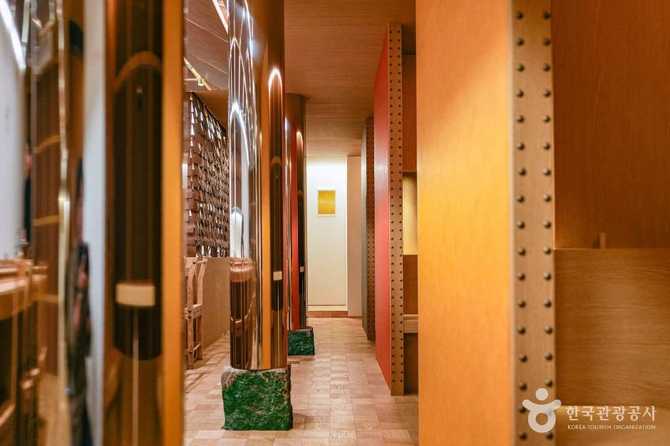
Historically, Sinsuldong Leather and Fabric Street gained prominence in the late 1990s and early 2000s as a hub for leather and textile manufacturing, attracting many artisans and merchants. Its industrial activity played a key role in Seoul’s local economy during that period.
Q2: What does the space ‘Gat’ represent in the context of Sinsuldong’s cultural revival?
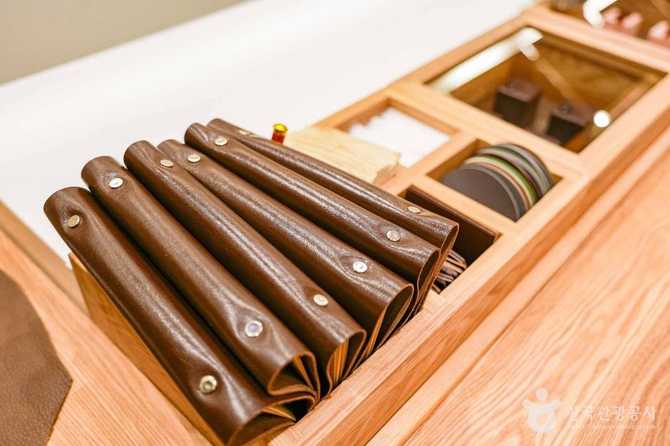
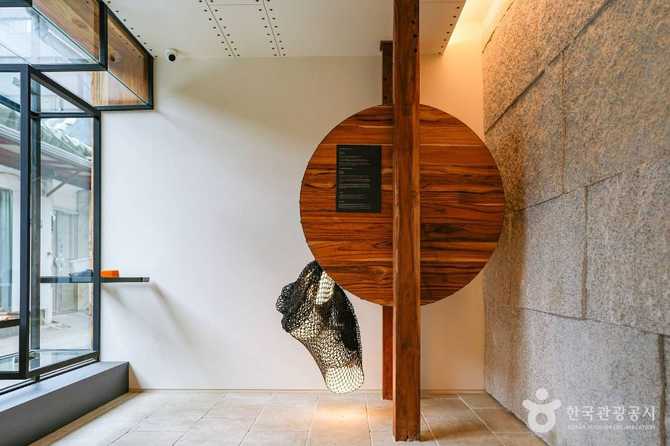
‘Gat’ is a Korean word for leather, symbolizing the area’s industrial heritage. The space reinterprets traditional leather and fabric materials into modern cultural concepts, serving as a bridge between past and present.
Q3: What are the main features of the ‘Gat’ cultural space in Sinsuldong?
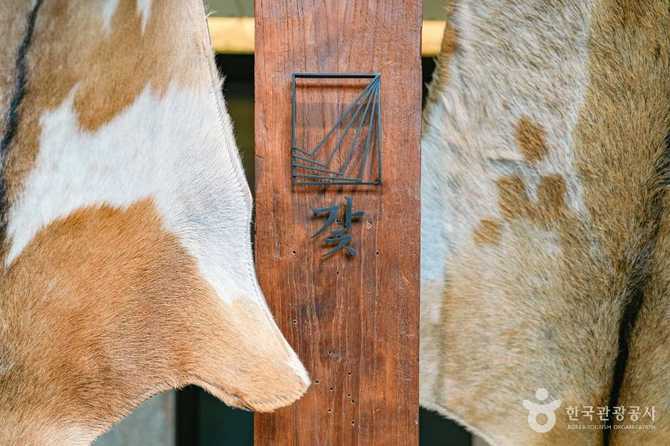
‘Gat’ features interior designs that incorporate textures and colors of leather and fabric, creating an immersive environment. It hosts exhibitions, cultural events, and artisan workshops that highlight the district’s industrial history.
Q4: How is Sinsuldong working to preserve and revitalize its industrial heritage?
The district is undergoing urban renewal projects that convert old factories into cultural spaces, support local artisans, and organize cultural festivals. These efforts aim to balance preservation with contemporary usage.
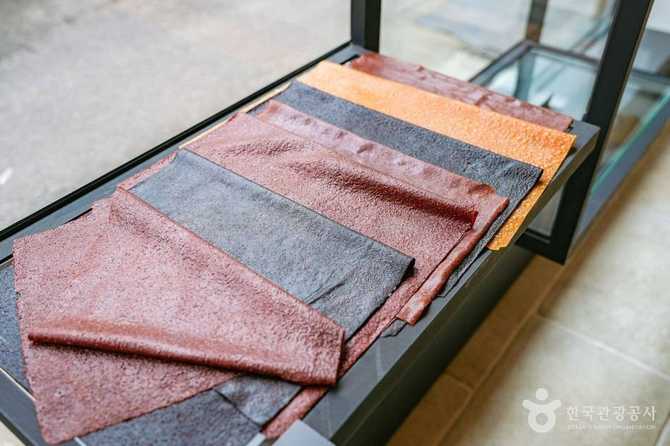
Q5: What future plans are in place for Sinsuldong’s cultural and industrial development?
Future initiatives include expanding artisan support programs, developing eco-friendly infrastructure, and hosting international craft festivals. The goal is to position Sinsuldong as a key site for industrial heritage and cultural innovation.
Q6: What are some popular menu items available at the ‘Gat’ cultural space?
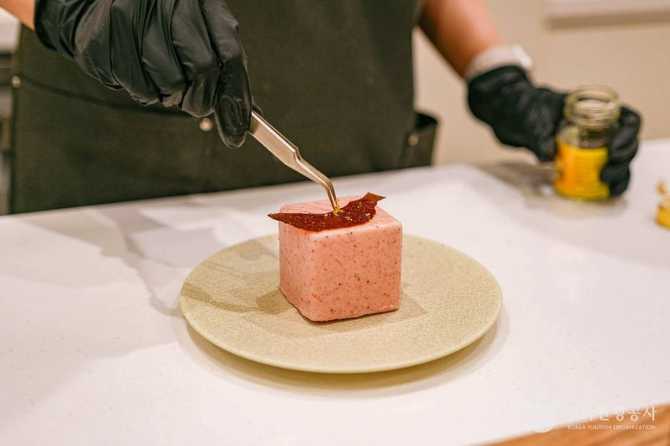
Visitors can enjoy specialty items like ‘Labarack’ patchwork desserts, Americanos, signature cocktails, and rice wine sorbet cream espresso, all designed to complement the space’s artistic atmosphere.
Discover the Rich Heritage and Modern Revival of Sinsuldong Leather and Fabric Street in Seoul
Exploring Sinsuldong Leather and Fabric Street offers a unique opportunity to appreciate Korea’s industrial history and its ongoing efforts to blend tradition with contemporary culture. Once a bustling hub for leather and textile craftsmanship, this neighborhood played a vital role in shaping Seoul’s local economy and cultural identity during the late 20th century. Today, through dedicated preservation and revitalization projects, the area is transforming into a vibrant cultural space that honors its industrial roots while embracing modern design and community engagement.
Whether you are interested in exploring artisan workshops, enjoying local cuisine, or participating in cultural events, Sinsuldong Leather and Fabric Street provides a meaningful experience that connects Korea’s past with its future. The ongoing efforts to restore historic factories, support local craftsmen, and develop eco-friendly initiatives highlight the importance of sustainable cultural preservation. Visiting this neighborhood not only allows you to witness Korea’s industrial legacy firsthand but also to be part of a movement that celebrates innovation rooted in tradition. As Seoul continues to evolve, the story of Sinsuldong reminds us of the value of safeguarding cultural heritage while fostering creative renewal. Be sure to explore this dynamic area and experience its unique blend of history, craftsmanship, and modern vibrancy.