
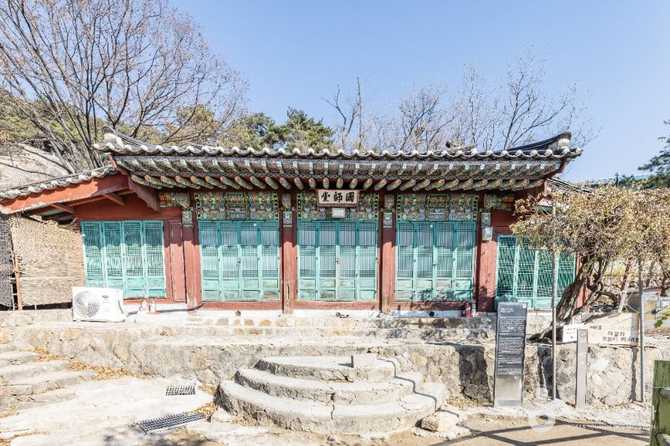
출처 : ⓒ한국관광콘텐츠랩 또는 ⓒ한국관광공사
Inwangsan Guksa-dang: Korea’s Historic Shamanic Shrine
Location 서울특별시 종로구 통일로18가길 20 (무악동)
Location 서울특별시 종로구 통일로18가길 20 (무악동)
Discover the rich history and cultural significance of Inwangsan Guksa-dang, a sacred site that has been at the heart of Korea’s traditional shamanic practices since the Joseon Dynasty. Whether you’re a cultural heritage enthusiast, a researcher of Korean spiritual traditions, or a traveler interested in Korea’s ancient customs, this site offers a unique glimpse into Korea’s shamanic past and present.
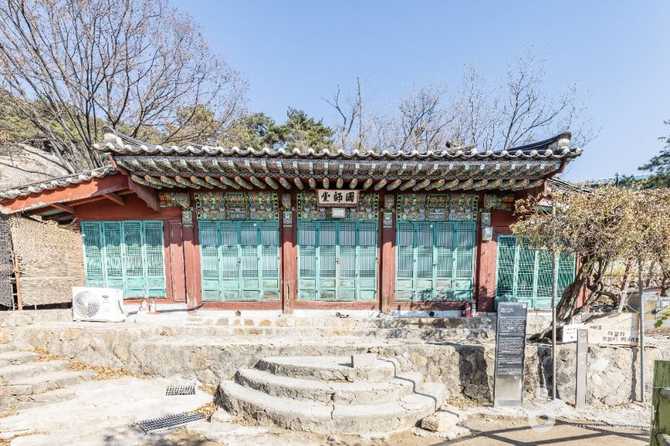
Located in Seoul’s Jongno District, Inwangsan Guksa-dang is recognized as a vital cultural heritage site, preserving the architectural and spiritual legacy of Korea’s indigenous faith. The shrine has been restored to reflect its original form, maintaining its significance as a center for shamanic rituals and cultural practices. Visitors can experience ongoing shamanic ceremonies, view traditional wooden architecture, and learn about Korea’s ancestral spiritual beliefs.
This article provides a comprehensive overview of Inwangsan Guksa-dang, including its historical background, architectural features, cultural importance, and practical visiting tips. Whether you’re interested in the history of Korean shamanism, the preservation of traditional architecture, or planning a cultural visit, this guide offers valuable insights to enrich your understanding and experience.
At a Glance
- Who this is for
-
- Korean cultural heritage enthusiasts
- Researchers of traditional shamanic practices
- History buffs interested in Joseon Dynasty rituals
- Travelers seeking authentic cultural experiences in Seoul
- Anyone curious about Korea’s indigenous spiritual traditions
- Key takeaways
-
- Historic shamanic shrine dating back to the Joseon Dynasty
- Restored wooden architecture from 1925 with traditional design
- Houses a nationally designated Misin-do (spirit painting)
- Active site for shamanic rituals and ceremonies
- Located in the heart of Seoul, accessible year-round
- Tips & cautions
-
- Respect the ongoing rituals and ceremonies
- Maintain proper decorum when visiting during events
- Be cautious of fragile wooden structures and artifacts
- Check event schedules in advance for participation opportunities
- Avoid loud noise or disruptive behavior on site
- Bottom line
- Inwangsan Guksa-dang is a vital cultural and spiritual site that offers a rare glimpse into Korea’s shamanic traditions and historical architecture.
Inwangsan Guksa-dang is a significant cultural heritage site nestled in Seoul’s Jongno district, representing Korea’s rich tradition of shamanic faith and ancestral worship. With origins dating back to the Joseon Dynasty, this shrine has preserved its spiritual and architectural legacy through careful restoration efforts. Today, it remains a vibrant space where ongoing shamanic ceremonies are held, allowing visitors to experience Korea’s indigenous spiritual practices firsthand.
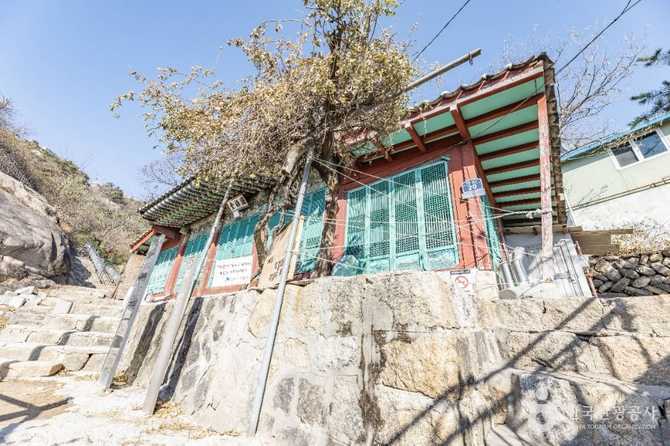
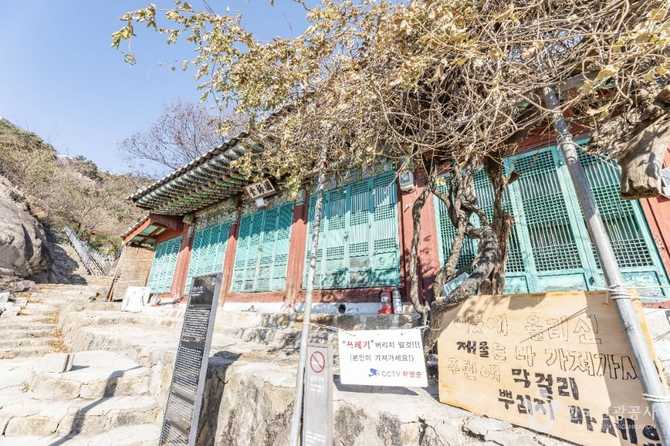
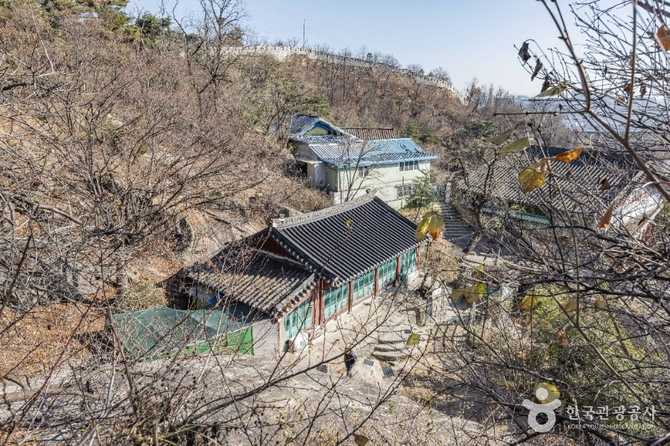
The shrine’s architecture features traditional wooden construction, including a distinctive matching-battens roof and intricate woodwork that exemplifies early 20th-century Korean craftsmanship. Inside, the space houses a nationally designated Misin-do, an important piece of cultural art that embodies Korea’s shamanic beliefs. Visitors can explore the site, observe rituals, and gain insights into Korea’s ancient spiritual culture, making it a must-visit for those interested in Korea’s intangible cultural heritage.
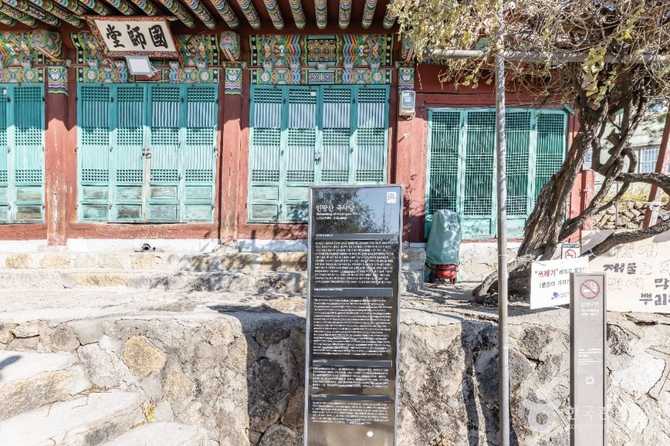
This guide aims to introduce you to the historical importance, architectural beauty, and ongoing cultural significance of Inwangsan Guksa-dang. Whether you are planning a visit or conducting research, understanding the background and current use of this sacred site will deepen your appreciation of Korea’s traditional shamanic practices and their role in Korean history and society.
History and Origins of Inwangsan Guksa-dang
Inwangsan Guksa-dang holds a prominent place in Korea’s spiritual history as a sacred site dedicated to traditional shamanic practices. This historic shrine has served as a central location for Korea’s indigenous shamanism, known as Muism, since the Joseon Dynasty era. Its origins trace back to the 15th and 16th centuries, when it was established as a place for ancestral worship and rituals honoring local deities and spirits. Over the centuries, the site became a vital hub for community-based spiritual ceremonies, blending Korea’s rich cultural and religious traditions.
During the Joseon period, which officially promoted Confucian ideals, shamanistic practices often faced suppression. Despite this, Inwangsan Guksa-dang persisted as a clandestine and revered spiritual space, maintaining its significance among local communities. Its importance was further solidified when, during the Japanese occupation, efforts were made to suppress indigenous practices; however, the shrine was preserved and later restored, reflecting its resilience and cultural value.
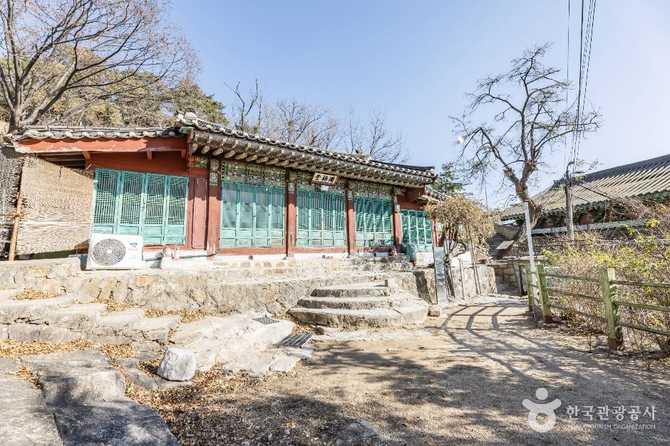
In 1925, the shrine underwent significant restoration, which aimed to preserve its original architectural features, including traditional wooden structures and the iconic matching-battens roof. These restoration efforts were guided by a desire to maintain the authenticity of the site’s historical architecture. Today, Inwangsan Guksa-dang continues to serve as a living testament to Korea’s spiritual heritage, hosting ongoing shamanic rituals and ceremonies. Its designation as a cultural heritage site underscores its importance in Korea’s intangible cultural history, representing a tangible link to the country’s ancient spiritual practices and community life.
Architectural Features and Restoration of Inwangsan Guksa-dang
| Feature | Details | Remarks |
|---|---|---|
| Structure | Wooden framework with traditional joinery | Authentic Joseon-era construction techniques |
| Roof | Matching-battens gabled roof (Hanok style) | Features a distinctive ‘human’ shape when viewed from the front |
| Interior | Houses a designated Misin-do (spirit painting) and altar space | Displays exquisite wood craftsmanship and traditional layout |
| Restoration Year | 1925 | Focused on restoring the original wooden structure and design |
| Materials | Traditional timber, natural finishes | Preserves the authentic aesthetic of early 20th-century Korean architecture |
The restoration of Inwangsan Guksa-dang aimed to preserve its historical integrity, emphasizing traditional construction techniques and materials. The wooden framework and roofing design reflect Korea’s architectural heritage, while interior elements like the Misin-do are carefully maintained to showcase the spiritual art. The restoration process involved detailed craftsmanship to ensure that the shrine remains as close as possible to its original form, allowing visitors to experience the authentic ambiance of early 20th-century Korean temple architecture.
Cultural Significance and Artworks of Inwangsan Guksa-dang
- Misin-do (Spirit Painting): The shrine houses a nationally designated Misin-do, a traditional painting depicting spirits and deities integral to Korea’s shamanic practices. This artwork is renowned for its intricate detail and spiritual symbolism, representing Korea’s rich mythological and religious beliefs.
- Altar and Ritual Space: The interior layout includes a dedicated altar area used for shamanic rituals, including offerings and ceremonies honoring spirits. These rituals are still actively performed, maintaining the cultural continuity of Korea’s indigenous faith.
- Woodcraft and Architectural Details: The shrine’s woodwork features elaborate carvings and joinery, exemplifying traditional Korean craftsmanship. The craftsmanship not only serves aesthetic purposes but also reflects spiritual symbolism and cultural values.
- Appreciate the craftsmanship of the wooden carvings and join the ritual ceremonies if invited.
- Respect the spiritual atmosphere by maintaining decorum during rituals.
- Learn about the symbols depicted in the Misin-do to better understand Korea’s shamanic beliefs.
Current Use and Visiting Inwangsan Guksa-dang
Today, Inwangsan Guksa-dang remains an active spiritual site and a significant cultural heritage location open for public visitation. Visitors can experience Korea’s traditional shamanic practices firsthand, observe ongoing rituals, or simply appreciate the historical architecture and artifacts. The shrine’s accessibility and ongoing ceremonies make it a unique destination for those interested in Korea’s indigenous faiths and cultural preservation.
Here are the key details for visiting Inwangsan Guksa-dang:
| Aspect | Details |
|---|---|
| Location | 20 Tongil-ro 18-gil, Muwak-dong, Jongno-gu, Seoul |
| Accessibility | Accessible via subway (Gyeongbokgung Station or Anguk Station, Line 3), walking distance available |
| Opening Hours | Open year-round, 24 hours (free access) |
| Parking | Available nearby; free parking on site |
| Contact | Jongno Tourism Support Center: 02-1800-9008; Seoul Jongno-gu Cultural Heritage Division: 02-2148-2052 |
Visitors are encouraged to respect the spiritual atmosphere, adhere to local customs, and follow any instructions from site staff or shamans during rituals. Participation in ceremonies is possible but requires prior arrangement or permission, especially during active rituals.
Visitor Guidelines and Checklist for Inwangsan Guksa-dang
- Respect Rituals: Observe and participate respectfully in ongoing ceremonies, following instructions from shamans or site staff.
- Dress Appropriately: Wear modest clothing suitable for a sacred site, avoiding revealing or casual attire.
- Maintain Silence: Keep noise levels low to preserve the spiritual atmosphere and respect worshippers.
- Handle Artifacts Carefully: Do not touch or disturb artworks, ritual objects, or structures inside the shrine.
- Follow Safety Protocols: Be cautious around wooden structures and artifacts to avoid damage or injury.
- Participate Mindfully: If participating in rituals, listen carefully to instructions and act with reverence.
- Photography: Take photos only when permitted; avoid flash or disruptive behavior during rituals.
- Visit During Active Rituals: Check schedules in advance for special ceremonies and plan your visit accordingly.
- Respect Local Customs: Be courteous to local worshippers and staff, honoring the spiritual significance of the site.
- Environmental Care: Keep the area clean, dispose of trash properly, and avoid damaging the natural surroundings.
Frequently Asked Questions (FAQ)
Q1: When was Inwangsan Guksa-dang originally built?
Inwangsan Guksa-dang was restored in 1925, based on the original architectural style from the Joseon Dynasty era. Its historical roots date back several centuries as a sacred site for shamanic practices.
Q2: What are the main architectural features of Inwangsan Guksa-dang?
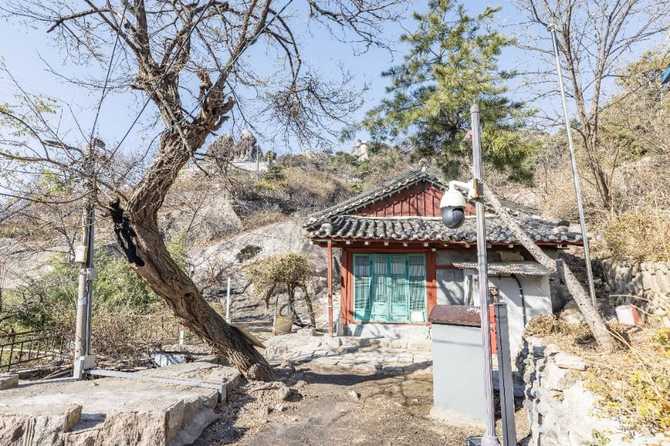
The shrine features traditional wooden construction with a matching-battens gabled roof and intricate wood craftsmanship. Inside, it houses a designated Misin-do (spirit painting) and altar space, reflecting early 20th-century Korean temple architecture.
Q3: Is Inwangsan Guksa-dang open to the public?
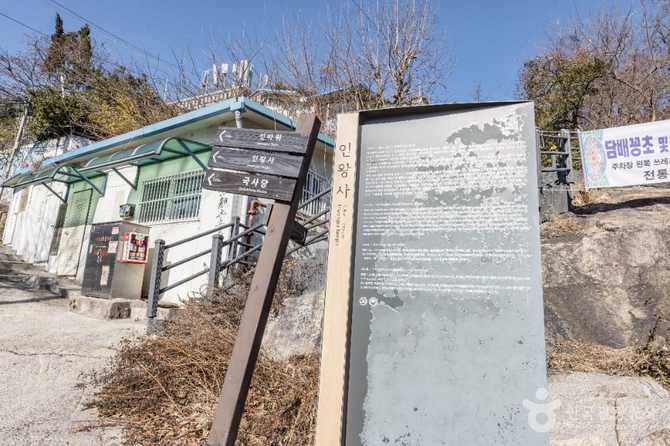
Yes, the shrine is open year-round and free for visitors. Anyone can explore the site, observe ongoing rituals, and learn about Korea’s shamanic traditions without restrictions.
Q4: Can visitors participate in shamanic ceremonies at Inwangsan Guksa-dang?
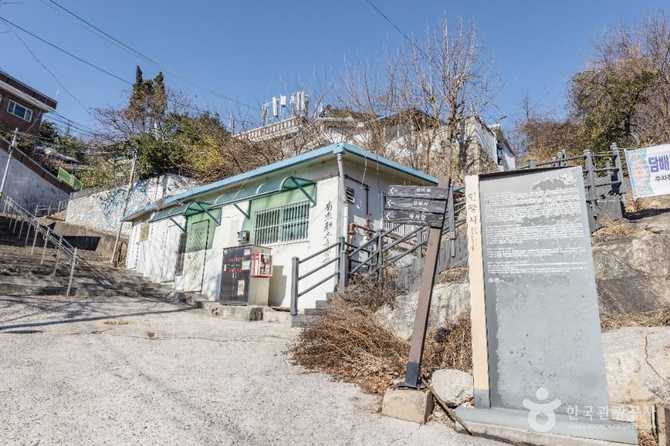
Yes, traditional shamanic rituals and ceremonies are still actively held at the site. Visitors can observe or participate in these events, usually by prior arrangement or during scheduled ceremonies, with proper respect and decorum.
Q5: What is the significance of the Misin-do inside Inwangsan Guksa-dang?
The Misin-do is a nationally designated spirit painting depicting deities and spirits central to Korea’s shamanic beliefs. It embodies Korea’s spiritual mythology and is an important cultural artifact within the shrine.
Q6: Are there any visitor guidelines or precautions to follow when visiting Inwangsan Guksa-dang?
Visitors should respect ongoing rituals, avoid touching artworks or artifacts, and follow instructions from site staff or shamans. Maintaining decorum ensures the preservation of the sacred space and safety during ceremonies.
Closing and Final Tips for Visiting Inwangsan Guksa-dang
Visiting Inwangsan Guksa-dang offers a rare opportunity to connect with Korea’s rich spiritual heritage and experience the enduring traditions of its indigenous shamanic practices. As a site that has preserved its cultural and architectural legacy since the Joseon Dynasty, this shrine provides a meaningful glimpse into Korea’s ancient beliefs and rituals. When planning your visit, remember that the site is open year-round and free to the public, making it accessible for everyone interested in Korea’s cultural history.
To make the most of your experience, consider participating in or observing ongoing shamanic ceremonies, which are still actively held at the shrine. Be respectful during these rituals by maintaining decorum and following any instructions from the site staff or shamans. Take time to appreciate the intricate woodwork and spiritual artworks like the Misin-do, which embody Korea’s deep-rooted cultural beliefs. It’s also helpful to visit during times when ceremonies are scheduled, so you can gain a more immersive understanding of Korea’s traditional shamanic practices.
Remember that the shrine’s architecture and artifacts are fragile, so avoid touching or disturbing any artworks or ritual objects. Wearing respectful attire and behaving considerately will ensure a positive experience for yourself and other visitors. Whether you are a cultural enthusiast, researcher, or simply curious traveler, a visit to Inwangsan Guksa-dang promises a meaningful journey into Korea’s spiritual and cultural history. It’s a sacred space that continues to thrive as a living testament to traditional Korean shamanism, offering an authentic and insightful experience that will leave a lasting impression.