
출처 : ⓒ한국관광콘텐츠랩 또는 ⓒ한국관광공사
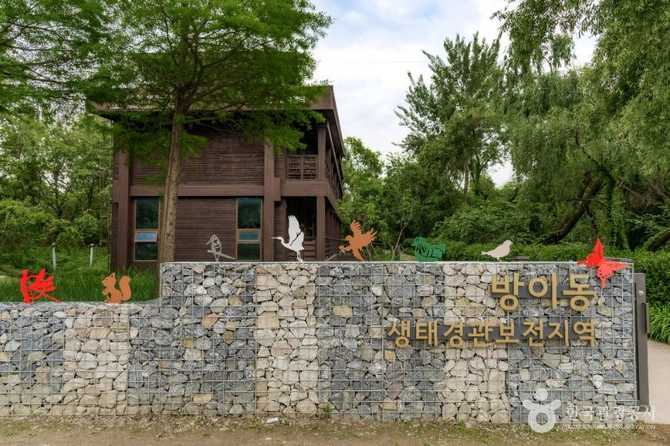
Discover Bangi-dong Ecological Landscape Conservation Area in Seoul
Location 서울특별시 송파구 동남로 397 (방이동)
Location 서울특별시 송파구 동남로 397 (방이동)
Are you looking for a peaceful natural escape within the city? The Bangi-dong Ecological Landscape Conservation Area offers visitors a unique opportunity to experience urban nature, observe wetlands, and learn about environmental preservation right in Seoul’s bustling district.
This protected natural space in Seoul’s Songpa-gu is a vital habitat for diverse wildlife and a perfect destination for nature lovers, families, and eco-conscious travelers. Whether you want to explore wetlands, observe native bird species, or enjoy a tranquil environment away from city noise, the Bangi-dong Ecological Landscape Conservation Area provides an enriching experience that highlights the importance of urban ecological preservation.
At a glance
- Who this is for
-
- Nature and ecology enthusiasts visiting Seoul
- Families seeking educational outdoor activities
- Wildlife observers and bird watchers
- Environmental advocates and students
- Key takeaways
-
- Originally formed from artificial wetlands created in the 1970s
- Naturalized wetlands with diverse plant and bird species
- Open year-round, free access, but no parking available
- Strict rules against pet entry and biological collection
- A vital urban ecological preservation site in Seoul
- Tips & cautions
-
- Use public transportation, as parking is unavailable nearby
- Respect wildlife and refrain from collecting plants or animals
- Visit during opening hours (9 AM – 5 PM), avoid Mondays
- Keep the area clean and avoid littering to preserve the habitat
- Bottom line
- Experience the natural beauty and ecological importance of Seoul’s urban wetlands at Bangi-dong Ecological Landscape Conservation Area.
Seoul’s Bangi-dong Ecological Landscape Conservation Area is a crucial green space that showcases the city’s commitment to environmental preservation. This area, once an artificial wetland created from brick quarrying in the 1970s, has been naturally restored into a thriving habitat for native flora and fauna. Visitors can observe wetlands filled with water reeds, pondweeds, and other marsh plants, along with native bird species such as mallards and kingfishers.
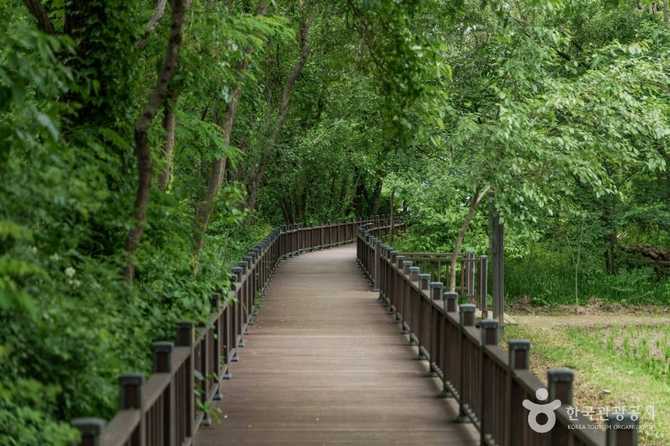
Designed as a conservation zone, this area plays an essential role in maintaining biodiversity within the city. It is open to the public free of charge, providing an accessible space for eco-education, relaxation, and nature observation. The site emphasizes environmental protection, with strict rules against pet entry and collection activities, ensuring the habitat remains undisturbed for wildlife.
Whether you are a local resident or a visitor exploring Seoul, the Bangi-dong Ecological Landscape Conservation Area offers a meaningful experience to connect with nature and understand the importance of urban ecological preservation. Its peaceful environment makes it an ideal spot for reflection, family outings, and ecological learning.
In this guide, we will explore the ecological features, visiting tips, and the significance of this protected area, helping you plan your visit and appreciate the value of conserving urban natural habitats in Seoul.
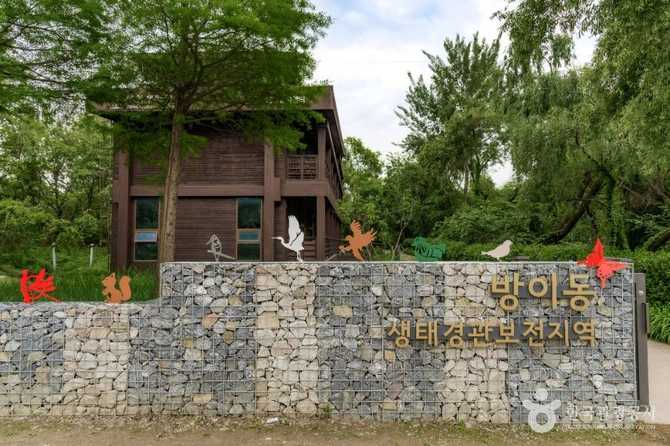
Overview of Bangi-dong Ecological Landscape Conservation Area
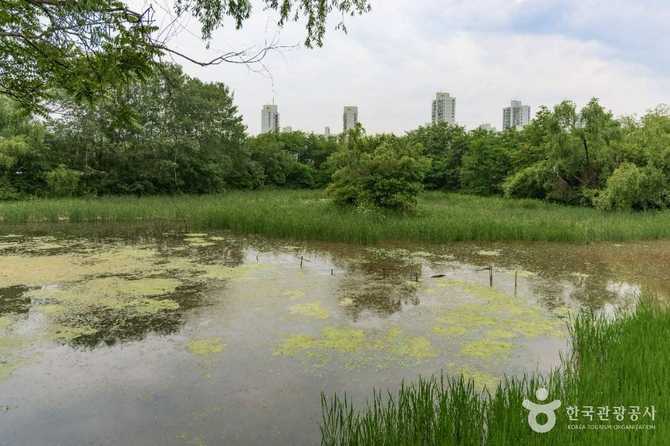
Nestled within Seoul’s vibrant Songpa-gu district, the Bangi-dong Ecological Landscape Conservation Area stands out as a vital urban natural habitat that highlights the importance of ecological preservation amidst city life. This conservation area is a rare example of how natural wetlands can thrive in a metropolitan environment, offering visitors a peaceful retreat and an educational experience about urban biodiversity. Originally formed from artificial wetlands created during brick quarrying activities in the 1970s, this area has undergone natural restoration processes, transforming it into a thriving habitat for a variety of plant and animal species. Today, it serves as a crucial ecological reserve, promoting environmental awareness and conservation efforts among residents and visitors alike.
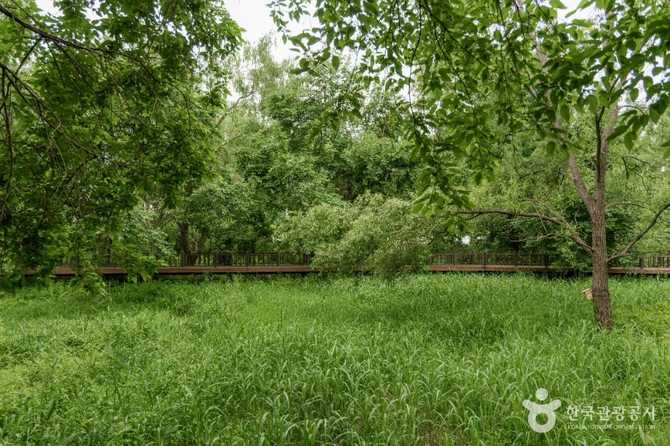
The conservation area is characterized by its wetlands filled with water reeds, pondweeds, and marsh plants, providing a habitat for numerous bird species such as mallards, kingfishers, and herons. The site’s rich biodiversity underscores its significance as a sanctuary for wildlife, especially in an urban setting. Visitors can observe these species in their natural environment, gaining a deeper understanding of wetland ecosystems and the importance of preserving such habitats in cities. The area is open year-round, free of charge, making it accessible for families, students, nature lovers, and eco-enthusiasts. However, access is limited to public transportation, as there is no parking nearby, emphasizing the site’s focus on sustainable visitation.
The Bangi-dong Ecological Landscape Conservation Area also plays a vital role in environmental education. It demonstrates how natural landscapes can be restored and maintained within urban areas, fostering a sense of responsibility towards ecological preservation. Visitors are encouraged to respect the rules, such as refraining from collecting plants or animals, to ensure the habitat remains undisturbed. With its tranquil atmosphere and ecological significance, this conservation area exemplifies Seoul’s commitment to balancing urban development with environmental sustainability. Whether for a leisurely walk, birdwatching, or environmental learning, the Bangi-dong Ecological Landscape Conservation Area offers an invaluable glimpse into urban ecological resilience and the importance of conserving natural habitats in city environments.
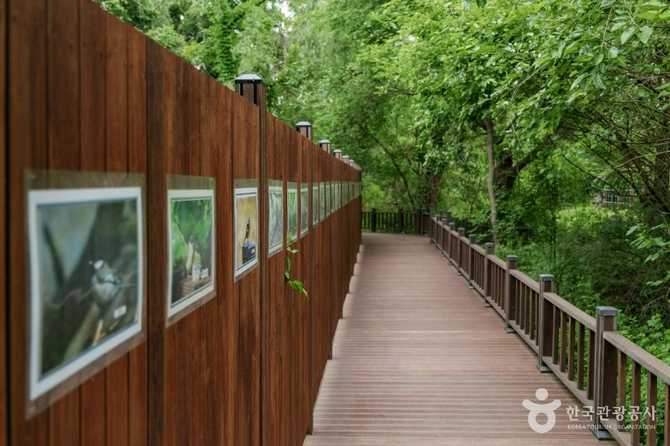
Comparison of Ecological Features of Bangi-dong Conservation Area
| Aspect | Description |
|---|---|
| Formation Background | Formed from artificial wetlands created in the 1970s due to brick quarrying activities, later naturally restored into a thriving ecosystem. |
| Main Vegetation | Wetland plants such as water reeds, pondweeds, and marsh plants like water millet and sedges. |
| Wildlife Habitat | Supports diverse bird species including mallards, kingfishers, and herons, along with various aquatic insects and small mammals. |
| Biodiversity Significance | High conservation value, providing habitat for rare and native species, and maintaining ecological balance within the urban setting. |
| Accessibility & Use | Open all year, free access, with restrictions on pet entry and collection activities to protect wildlife. |
| Location & Size | Located in Seoul’s Songpa-gu district; specific size details are not provided but recognized as a vital urban ecological reserve. |
Visitor Information & Guidelines for Bangi-dong Conservation Area
- Visiting Hours: 9:00 AM to 5:00 PM, open throughout the year except for every Monday (closed).
- Admission Fee: Free for all visitors.
- Transportation: Use public transportation such as buses or subway; parking is unavailable nearby.
- Pets: Pets are strictly prohibited to protect wildlife and preserve habitat integrity.
- Activities Allowed: Birdwatching, nature walks, environmental observation, and educational activities.
- Activities Prohibited: Collecting plants or animals, littering, and any activity that could disturb the ecosystem.
The Significance of Conservation at Bangi-dong Ecological Landscape Area
Why Conservation Matters
- Protection of Biodiversity: This urban wetland serves as a refuge for native bird species, aquatic plants, and small animals, helping to maintain ecological balance within the city.
- Urban Ecosystem Preservation: Restoring and conserving this area demonstrates how natural habitats can coexist with urban development, providing ecological resilience and environmental benefits.
- Environmental Education: It offers a tangible example of natural habitat restoration, fostering awareness and responsibility among residents and visitors about ecological preservation.
- Climate Change Mitigation: Wetlands play a vital role in carbon sequestration and water purification, contributing to climate change adaptation efforts in urban settings.
- Enhancement of Urban Quality of Life: Green spaces like this improve air quality, reduce urban heat, and provide peaceful environments for relaxation and recreation.
Essential Guidelines for Visiting Bangi-dong Ecological Area
- Respect the natural environment by not collecting plants or animals.
- Use public transportation, as parking is unavailable nearby.
- Visit during open hours (9 AM – 5 PM), avoiding Mondays when the site is closed.
- Keep noise levels low to avoid disturbing wildlife.
- Refrain from littering; take all trash with you to preserve the habitat.
- Pets are strictly prohibited to protect the ecosystem.
- Follow all posted rules and guidelines to ensure a safe and responsible visit.
- Bring essentials like water, comfortable walking shoes, and binoculars for birdwatching.
Whether you visit during the day or evening, Discover Bangi is a meaningful stop on any Seoul itinerary for history-minded travelers.
Frequently Asked Questions (FAQ)
Q1: What kind of natural environment can I expect at Bangi-dong Ecological Landscape Conservation Area?
The area features wetlands formed from artificial ponds created in the 1970s, now naturally restored into a thriving habitat. Visitors can observe marsh plants like water reeds and pondweeds, along with native bird species.
Q2: Which wildlife and plant species are commonly seen at this conservation site?
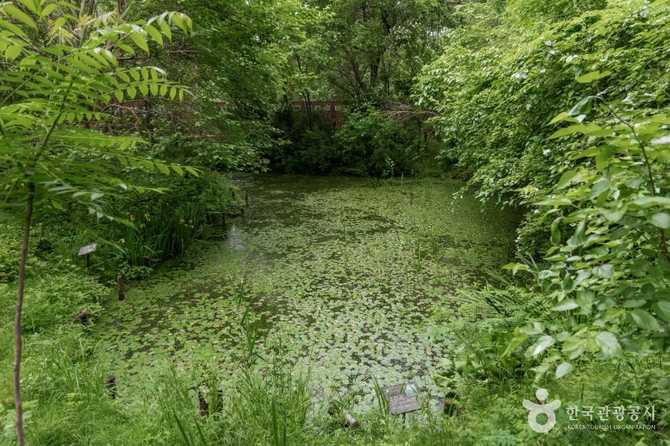
Commonly observed species include water birds such as mallards and kingfishers, along with wetland plants like water millet and sedges. The habitat supports diverse aquatic insects and small mammals as well.
Q3: Why are pets and plant collection activities prohibited at Bangi-dong?
Pets are restricted to protect local wildlife from disturbance and prevent habitat disruption. Collecting plants or animals is prohibited to preserve the ecological balance and ensure habitat safety for native species.
Q4: When is the best time to visit Bangi-dong Ecological Landscape Conservation Area?
The site is open year-round from 9 AM to 5 PM, except on Mondays. Visiting during weekdays is recommended for a quieter experience, but it can be enjoyed at any time within operating hours.
Q5: How can I get to the conservation area, and is parking available?
Public transportation such as buses and subway are recommended, as there is no parking nearby. Visitors should plan to arrive via transit to ensure easy access and avoid parking difficulties.
Q6: Why is conserving Bangi-dong Ecological Landscape Area important?
This area plays a vital role in maintaining urban biodiversity by providing a habitat for native species. It also exemplifies how natural wetlands can coexist with city development, supporting environmental education and ecological resilience.
Conclusion: Experience the Unique Charm of the Bangi-dong Ecological Landscape Conservation Area
Visiting the Bangi-dong Ecological Landscape Conservation Area offers a rare opportunity to connect with nature right within Seoul’s bustling urban environment. This protected natural space exemplifies how urban wetlands can be preserved and restored to support diverse wildlife and plant species, making it an invaluable ecological asset for the city. As one of Seoul’s key natural habitats, the conservation area provides a peaceful retreat for visitors seeking tranquility, education, and a closer look at wetland ecosystems. Whether you are a nature enthusiast, a family looking for an educational outdoor activity, or someone interested in environmental conservation, this site offers meaningful experiences that deepen understanding of urban biodiversity and ecological sustainability. Remember to respect the rules—no pets, no collection of plants or animals—to help maintain the habitat’s integrity. Planning your visit during open hours and using public transportation will ensure a smooth and enjoyable experience. Exploring the Bangi-dong Ecological Landscape Conservation Area is a wonderful way to appreciate the importance of urban natural habitats and contribute to their preservation for future generations.