
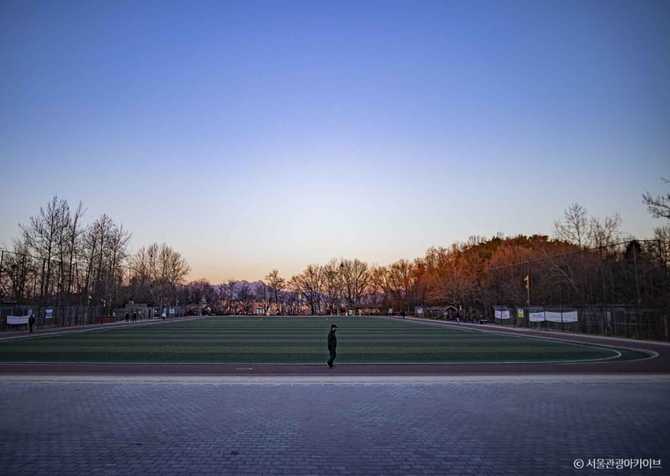
출처 : ⓒ한국관광콘텐츠랩 또는 ⓒ한국관광공사
Visit Yongwangsan Neighborhood Park in Seoul: A Natural & Cultural Escape
Location 서울특별시 양천구 목동
Location 서울특별시 양천구 목동
Discover the beauty and history of Yongwangsan Neighborhood Park, a beloved green space in Seoul that offers a perfect blend of nature, culture, and community activities. Whether you’re seeking family-friendly outdoor experiences, scenic views, or cultural insights, this park provides a welcoming environment for all visitors.
Located in the heart of Yangcheon-gu, Mokdong, Yongwangsan Neighborhood Park is a year-round destination that combines natural landscapes with historical significance. It is renowned for its lush walking trails, traditional landmarks, and vibrant seasonal events that attract both locals and tourists alike. Planning your visit to Yongwangsan Neighborhood Park ensures a memorable experience filled with exploration, relaxation, and cultural enrichment.

At a glance
- Who this is for
-
- Travelers interested in Seoul’s natural parks and cultural sites
- Families seeking outdoor activities for children
- History and tradition enthusiasts
- Local residents and visitors exploring Seoul’s scenic spots
- Anyone looking for a peaceful retreat within the city
- Key takeaways
-
- Open year-round, free admission
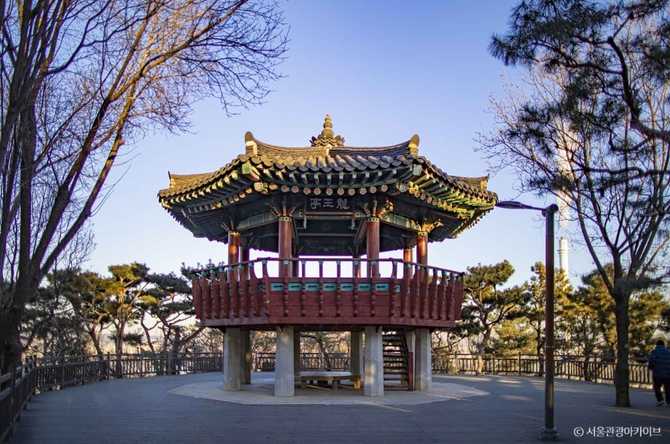
- Features scenic Yongwangjeong Pavilion and panoramic views
- Includes walking trails, a forest experience zone, and a spring water source
- Hosts annual New Year sunrise festival and cultural events
- Accessible facilities such as parking, restrooms, and accessible paths
- Tips & cautions
-
- Check weather and seasonal schedules before visiting
- Use designated parking areas to avoid congestion
- Follow safety guidelines on trails and during activities
- Be mindful of natural environment and dispose of waste properly
- Verify event dates on official website for updated schedules
- Bottom line
- Yongwangsan Neighborhood Park offers a harmonious blend of natural beauty and cultural heritage, making it an ideal destination for relaxation and exploration in Seoul.
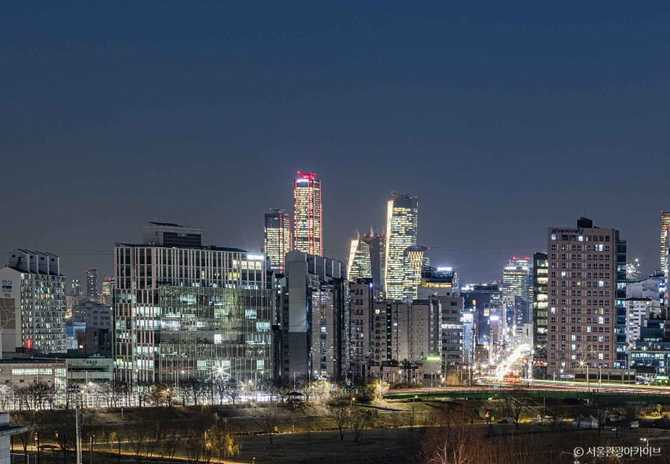
Yongwangsan Neighborhood Park, situated in Seoul’s Mokdong district, is a treasured natural space that seamlessly integrates scenic landscapes with historical legends. Visitors can enjoy a variety of outdoor experiences, from tranquil walks along eco-friendly trails to engaging in cultural festivals that celebrate local traditions. The park’s iconic Yongwangjeong Pavilion provides breathtaking views of Seoul’s skyline and surrounding mountains, making it a must-visit spot for photography and sightseeing.
This park is designed to cater to families, outdoor enthusiasts, and history buffs alike. Its well-maintained facilities include accessible paths, a forest experience zone for children, and a spring water source that adds to the park’s natural charm. Throughout the year, Yongwangsan Neighborhood Park hosts vibrant events such as the New Year sunrise festival, which draws crowds eager to welcome the new year with hope and community spirit. Whether you’re a local resident or a traveler exploring Seoul, Yongwangsan Neighborhood Park promises a peaceful and enriching escape within the city.

Yongwangsan’s Historical Background & Legends
Yongwangsan Neighborhood Park is deeply rooted in Seoul’s local history and folklore, making it a unique cultural landmark in the city. The mountain itself, known historically as “Eomji Mountain” over 600 years ago during the Joseon Dynasty, carries a rich legacy that reflects Korea’s ancient traditions and stories. The name “Yongwangsan” (Dragon King Mountain) is linked to local legends and historical tales that have been passed down through generations, adding an aura of mystique and cultural significance to the area.
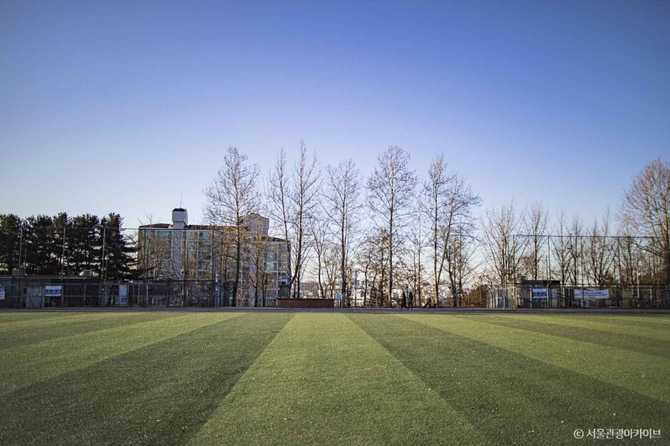
According to historical records, the mountain’s original name, Eomji Mountain, signifies the “first” or “most important” part of the region, highlighting its significance in local geography. The name “Yongwang” (Dragon King) emerged from legends about a mythical dragon residing within the mountain, symbolizing power and protection for the local community. One popular story recounts how a person with the surname Park attempted to become a king by divine means but failed, and this narrative is intertwined with the mountain’s mythos, symbolizing humility and the importance of natural harmony.
Historically, the mountain’s shape resembles a person sitting with their back turned to Hanyang (old Seoul), which is why it is also called “Yeoksan” (Reverse Mountain). This distinctive shape has made Yongwangsan a beloved landmark among residents and visitors alike. Every year, the park hosts a New Year sunrise festival at this historic site, allowing visitors to connect with Korea’s cultural heritage while enjoying the scenic beauty of the mountain. The legends and history of Yongwangsan enrich the experience of exploring the park, offering a glimpse into Seoul’s ancient past intertwined with local myths and traditions.
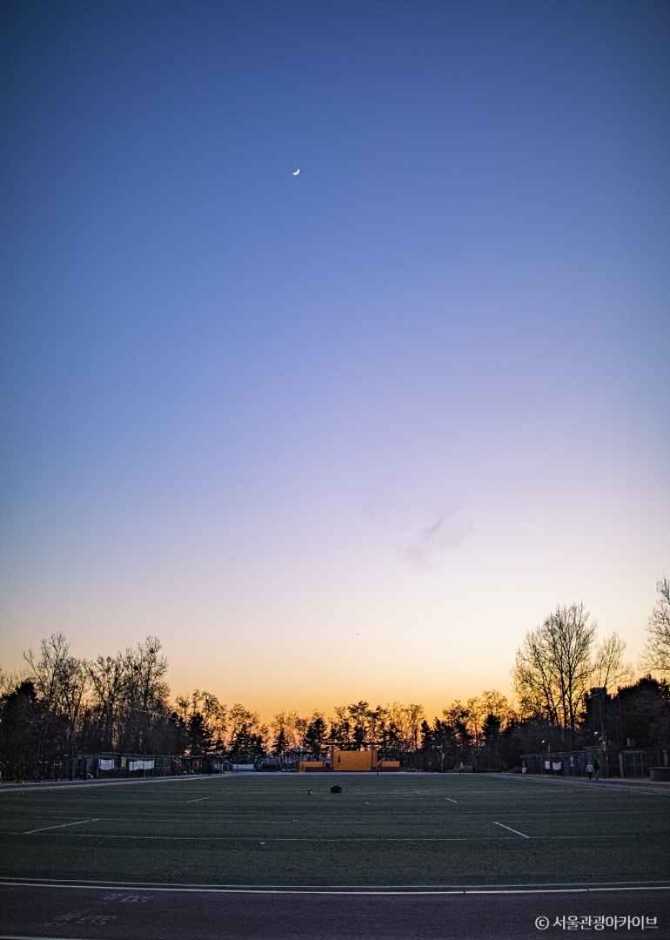
Main Facilities & Experience Programs at Yongwangsan Neighborhood Park
| Facility / Program | Description | Remarks |
|---|---|---|
| Yongwang Pavilion (Yongwangjeong) | A scenic pavilion offering panoramic views of Seoul’s skyline, including landmarks like the Han River and surrounding mountains. | Designated as one of Seoul’s 8 scenic spots, perfect for photography and relaxation. |
| Spring Water Source (약수터) | A natural spring located on the mountain, providing fresh water for visitors and symbolizing health and vitality. | Popular among locals for drinking and medicinal purposes. |
| Forest Walkways (무장애 숲길) | Accessible, eco-friendly paths that wind through the wooded areas, suitable for all ages and abilities. | Includes a circular deck trail, ideal for families and those with mobility challenges. |
| Children’s Forest Experience Zone (유아숲 체험장) | A dedicated space for children to explore nature through hands-on activities, educational programs, and play areas. | Operates year-round with scheduled programs for different age groups. |
| Observation Decks & Scenic Spots | Various viewpoints including the famous Yongwang Pavilion, offering stunning views of Seoul and beyond. | Ideal for sightseeing, picnics, and cultural appreciation. |
Annual Events & Festivals at Yongwangsan Neighborhood Park
- New Year Sunrise Festival (January 1st, early morning):
Celebrate the beginning of the year with a traditional sunrise viewing, accompanied by cultural performances, wish-making activities, and community gatherings. Participants can write their hopes on wish papers, enjoy folk music, and release balloons symbolizing their aspirations for the new year. - Youth & Family Forest Festival (Spring and Fall):
A seasonal event promoting outdoor education and eco-awareness. Includes guided nature walks, interactive workshops, and storytelling sessions for children and families, fostering a love for nature and local traditions. - Cherry Blossom Viewing & Cultural Fair (April):
During the cherry blossom season, the park hosts a cultural fair featuring traditional performances, local food stalls, and art exhibitions, creating a festive atmosphere amid blooming trees. - Summer Night Walks & Star Gazing (July-August):
Evening programs with guided star gazing, music performances, and light installations, perfect for enjoying Seoul’s summer nights in a natural setting. - Autumn Leaf Festival (October):
Celebrate the changing seasons with leaf-peeping tours, craft markets, and traditional dance performances, highlighting Korea’s autumnal beauty.
Visitor Information & Accessibility at Yongwangsan Neighborhood Park
| Facility / Service | Details |
|---|---|
| Parking | Free parking is available within the park. Visitors are encouraged to use designated parking lots to prevent congestion in surrounding streets. |
| Restrooms | Restroom facilities are located at multiple points within the park for visitor convenience. |
| Accessibility | The park features wheelchair-friendly, eco-friendly walking paths, including a circular deck trail suitable for visitors with mobility challenges. |
| Experience Zones | Includes a children’s forest experience zone, natural spring water source, and scenic viewpoints. |
Precautions & Visitor Tips for Yongwangsan Neighborhood Park
- Check Weather and Operating Hours: Facility hours and accessibility may vary seasonally or due to weather conditions. Always verify the latest information on the official park website or contact the visitor center before your visit.
- Use Designated Parking: To avoid traffic congestion, park only in the designated parking areas provided by the park. Unauthorized parking may cause inconvenience and fines.
- Ensure Safety During Activities: Follow safety guidelines when walking along trails or participating in outdoor programs. Keep children within sight and supervise them at all times.
- Respect Natural Environment: Dispose of trash properly in designated bins, and refrain from damaging plants or disturbing wildlife to help preserve the park’s natural beauty.
- Follow Park Regulations: Smoking, drinking alcohol, or any disruptive behavior is prohibited within the park to ensure a safe and enjoyable environment for all visitors.
- Plan for Seasonal Events: For participation in festivals or special programs, confirm event dates and times in advance, especially during peak seasons or adverse weather conditions.
Whether you visit during the day or evening, Visit Yongwangsan Neighborhood Park in is a meaningful stop on any Seoul itinerary for history-minded travelers.
Frequently Asked Questions (FAQ)
Q1 What is the historical background of Yongwangsan Neighborhood Park?
The mountain, historically called “Eomji Mountain” over 600 years ago during the Joseon Dynasty, signifies importance and natural beauty. Legends tell of a failed attempt by a person with the surname Park to become a king, linked to the mountain’s name “Yongwang” (Dragon King). The shape resembling a person sitting with their back to Hanyang (old Seoul) adds cultural significance. These stories enrich the park’s historical and mythological value.
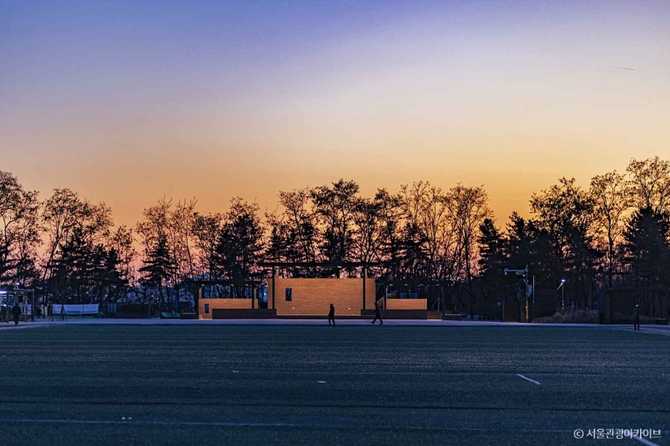
Q2 What are the main annual events held at Yongwangsan Neighborhood Park?
The park hosts a New Year Sunrise Festival on January 1st, featuring sunrise viewing, cultural performances, wish-making, and balloon releases. Other events include seasonal forest festivals, cherry blossom fairs in April, summer star gazing, and autumn leaf festivals, promoting community engagement and cultural appreciation.
Q3 What facilities and experience programs are available at Yongwangsan Neighborhood Park?
Key facilities include Yongwang Pavilion with panoramic views, a spring water source, accessible forest walkways, and a children’s forest experience zone. These offer scenic vistas, natural relaxation spots, and educational activities for children, making the park suitable for all ages.
Q4 When is the best time to visit Yongwangsan Neighborhood Park?
The park is open year-round, with seasonal festivals and weather considerations. The New Year sunrise event on January 1st is particularly popular. Visiting during spring for cherry blossoms or autumn for colorful leaves is also recommended for scenic beauty.
Q5 What precautions should visitors take when visiting Yongwangsan Neighborhood Park?
Check weather and seasonal schedules before visiting, as operating hours may vary. Use designated parking lots to avoid congestion, follow safety guidelines on trails, and supervise children. Dispose of trash properly and refrain from smoking or drinking alcohol within the park.
Q6 What amenities and facilities are available to visitors at Yongwangsan Neighborhood Park?
The park provides free parking, restrooms, accessible walking trails, and natural experience zones. These facilities ensure a comfortable visit while allowing visitors to enjoy both natural scenery and cultural experiences safely and conveniently.
Conclusion: Discover the Natural and Cultural Charm of Yongwangsan Neighborhood Park
Visiting Yongwangsan Neighborhood Park offers a unique opportunity to experience Seoul’s rich natural beauty and cultural heritage in one accessible location. Whether you’re exploring the scenic Yongwangjeong Pavilion, enjoying the tranquil walking trails, or participating in seasonal festivals, this park provides a meaningful escape from the urban hustle. Its historical legends and picturesque landscapes create a memorable setting for families, history enthusiasts, and nature lovers alike. The park’s facilities, including free parking, accessible paths, and educational zones, ensure a comfortable and engaging experience for visitors of all ages. Planning your visit around the park’s annual events, such as the New Year sunrise festival or the autumn leaf festival, can enrich your trip and deepen your understanding of Korean traditions. Remember to check the official park website for updated schedules and weather considerations to make the most of your time there. A trip to Yongwangsan Neighborhood Park promises not only relaxation but also a meaningful connection with Seoul’s cultural and natural legacy, making it a must-visit destination for anyone exploring the city.