

출처 : ⓒ한국관광콘텐츠랩 또는 ⓒ한국관광공사
Insa-dong Travel Guide: Exploring Korea’s Traditional and Modern Culture
Location 서울특별시 종로구 인사동길 62 (관훈동)
Location 서울특별시 종로구 인사동길 62 (관훈동)
Discover the vibrant blend of Korea’s rich traditions and contemporary art in Insa-dong, one of Seoul’s most iconic cultural districts. Whether you’re interested in traditional crafts, modern galleries, or unique local experiences, Insa-dong offers a memorable journey into Korea’s artistic heritage.
At a glance
- Who this is for
-
- Travelers interested in Korean traditional culture and modern art
- Visitors seeking unique cultural experiences in Seoul
- Foreign tourists and art enthusiasts exploring Korea
- Culture seekers wanting authentic local shopping and dining
- Key takeaways
-
- Over 100 galleries and traditional craft shops to explore
- Traditional tea houses and restaurants lining the alleys
- Weekly car-free street events with performances and cultural activities
- Opportunities for hands-on craft experiences and traditional performances
- Free admission, open year-round, with convenient access via public transportation
- Tips & cautions
-
- Popular galleries and shops can be crowded, especially on weekends
- Parking is limited; public transit is recommended
- Some traditional performances require advance reservations
- Take your time exploring alleyways for hidden gems
- Bottom line
- Insa-dong is Seoul’s premier cultural district where tradition and modernity beautifully coexist, offering visitors a truly enriching experience.
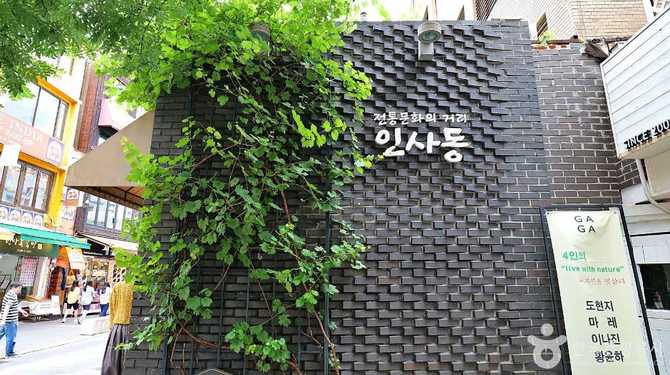
Insa-dong, located in the heart of Seoul’s Jongno district, is a historic neighborhood renowned for its preservation of Korea’s traditional arts and crafts. As a vibrant hub of cultural activity, it seamlessly blends ancient customs with contemporary artistic expressions. Visitors can stroll through charming alleyways lined with traditional teahouses, art galleries, and craft shops, each showcasing Korea’s rich heritage and modern creative talents.
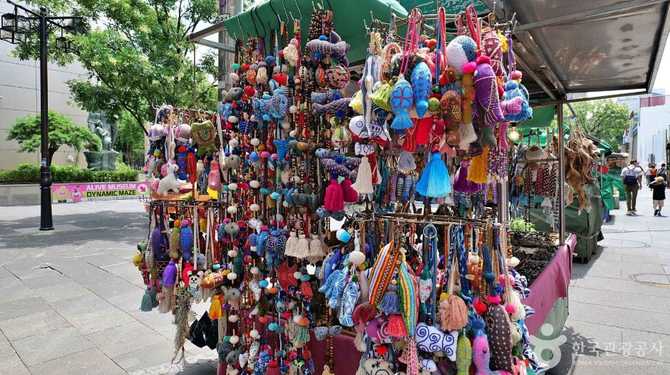
This cultural district is not only a place to admire art but also to actively participate in Korea’s living traditions. Weekly events such as the car-free street festival transform Insa-dong into a lively open-air museum, featuring traditional performances, craft workshops, and street performances. For those seeking authentic experiences, traditional tea houses serve Korean teas and sweets, while local restaurants offer delicious regional dishes.
Whether you’re a first-time visitor or a seasoned traveler, Insa-dong provides a unique opportunity to immerse yourself in Korea’s cultural soul. Its accessibility, free entry, and year-round events make it an ideal destination for anyone eager to explore Korea’s artistic and historical heritage. Prepare for a journey that beautifully marries Korea’s past with its present in one of Seoul’s most beloved neighborhoods.
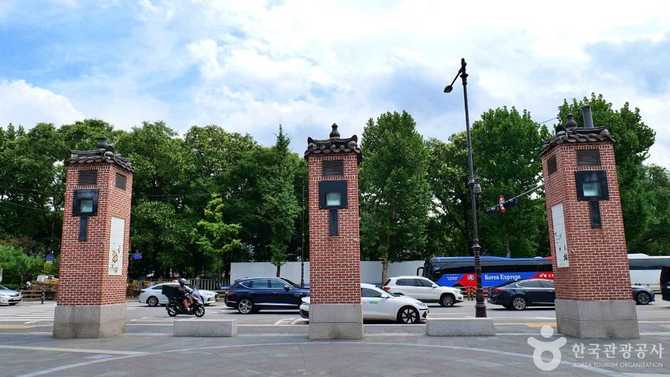
Insa-dong’s History and Cultural Significance
Insa-dong is a renowned cultural district in Seoul, celebrated for its deep-rooted history and vibrant artistic scene. As one of Korea’s most iconic neighborhoods, it serves as a living testament to the country’s rich traditions and evolving modern art. Located in Seoul’s Jongno district, Insa-dong has been a hub for traditional crafts, antique shops, and artistic expression for centuries. Its origins trace back to the Joseon Dynasty, where it was known as a center for artisans and scholars. Over the years, it has maintained its cultural integrity while embracing contemporary influences, making it a unique blend of old and new.
Today, Insa-dong is more than just a historic street; it is a vibrant cultural enclave that attracts both locals and international visitors. The neighborhood is famous for its traditional craft shops, art galleries, and teahouses, which showcase Korea’s artistic heritage. Many of these establishments have been passed down through generations, preserving traditional techniques and designs. The area also hosts numerous cultural events, such as the weekly car-free street festival, where performances, craft workshops, and street art bring the neighborhood to life. This ongoing effort to preserve and promote Korean culture makes Insa-dong a vital part of Seoul’s identity.
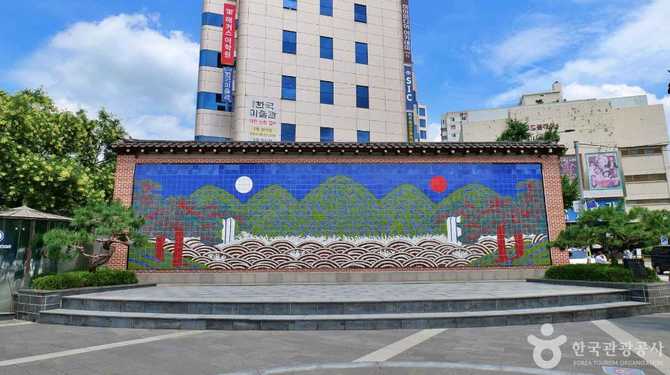
Visitors to Insa-dong can immerse themselves in Korea’s cultural legacy by exploring traditional markets, viewing contemporary art exhibitions, and participating in hands-on craft experiences. The district’s historical significance, combined with its lively modern scene, offers a comprehensive cultural journey. Whether exploring antique shops, enjoying traditional performances, or simply strolling through its alleyways, Insa-dong provides a meaningful connection to Korea’s past and present. Its role as a cultural preservation area ensures that visitors can experience authentic Korean traditions while enjoying the dynamic energy of a modern arts district.
Comparison of Insa-dong’s Main Art Galleries and Traditional Craft Shops
| Gallery/Shop | Focus & Features | Remarks |
|---|---|---|
| Hakgojae Gallery | Specializes in Minjung Art (People’s Art), hosts diverse exhibitions highlighting social themes and contemporary Korean art. | A leading gallery emphasizing Korean social art movements. |
| Gana Gallery | Showcases works by emerging and established Korean artists, with a focus on modern art and innovative installations. | Ideal for discovering new talents and contemporary trends. |
| Gana Art Center | A cultural complex offering exhibitions, educational programs, and cultural exchanges, emphasizing Korean and international art. | Great for interactive learning and cultural engagement. |
| Traditional Craft Shops | Offer handmade crafts such as hanji paper, ceramics, traditional textiles, and souvenirs, often with opportunities for hands-on making. | Perfect for authentic souvenir shopping and learning traditional techniques. |
Traditional Tea Houses and Culinary Experiences in Insa-dong
- Visit a Traditional Tea House: Experience Korea’s tea culture by enjoying a variety of traditional teas such as green tea, ginseng tea, and herbal infusions. Many tea houses also serve traditional sweets like rice cakes and honey cookies, creating a relaxing atmosphere for visitors.
- Explore Alleyway Restaurants: Wander through the narrow alleys to find authentic Korean eateries offering regional dishes, street snacks, and delicacies. Popular options include bibimbap, tteokbokki, and hotteok, perfect for a quick and flavorful meal.
- Participate in Cultural Workshops: Many spots provide hands-on experiences such as making traditional crafts, creating Korean paper (hanji), or participating in tea ceremonies. These activities deepen your understanding of Korea’s cultural heritage.
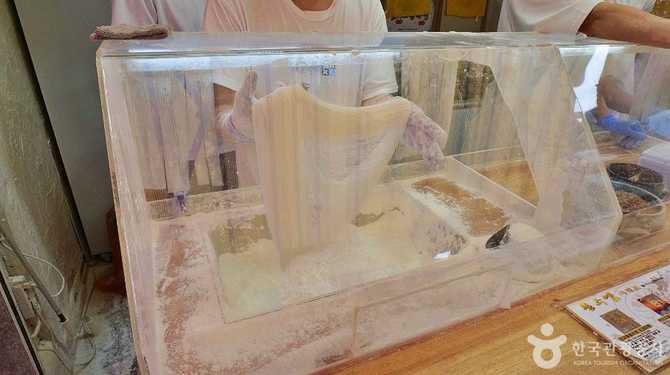
- Sample Traditional Snacks: Try street foods like tteok (rice cakes), hotteok (sweet pancakes), and odeng (fish cake skewers) from vendors lining the streets. These are affordable and give a taste of local flavors.
Weekend Car-Free Street Events and Cultural Activities in Insa-dong
- Participate in the Weekly Car-Free Street Festival: Every Saturday and Sunday, Insa-dong’s main streets are closed to vehicular traffic, transforming the area into a lively pedestrian zone. Visitors can stroll freely, enjoying the vibrant atmosphere without cars.
- Enjoy Traditional Performances: Numerous stages set up along the streets host traditional Korean music (gugak), dance, and street performances. These are often free and open to all visitors, offering a glimpse into Korea’s performing arts.
- Explore Cultural Exhibitions and Workshops: Various pop-up booths and tents feature traditional craft demonstrations, calligraphy, painting, and hands-on activities suitable for all ages. Family-friendly and engaging, these activities deepen cultural understanding.
- Experience Street Art and Performances: Local artists and performers showcase street art, puppet shows, and traditional games, creating an immersive cultural experience that captures Korea’s artistic spirit.
- Sample Traditional and Street Foods: Food vendors line the streets offering authentic Korean snacks such as tteok (rice cakes), hotteok (sweet pancakes), odeng (fish cake skewers), and more. It’s a perfect opportunity to taste local flavors in a festive setting.
Experiencing Korean Traditions as a Foreign Visitor in Insa-dong
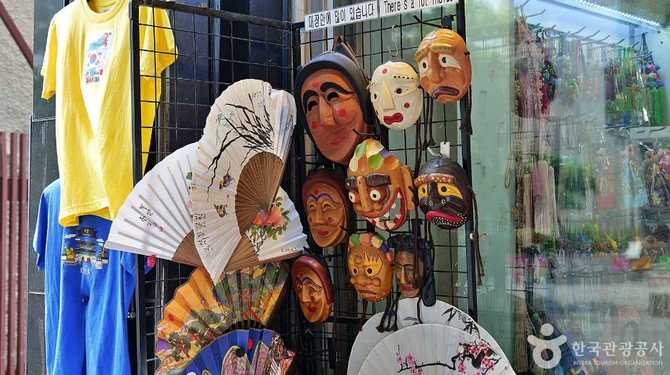
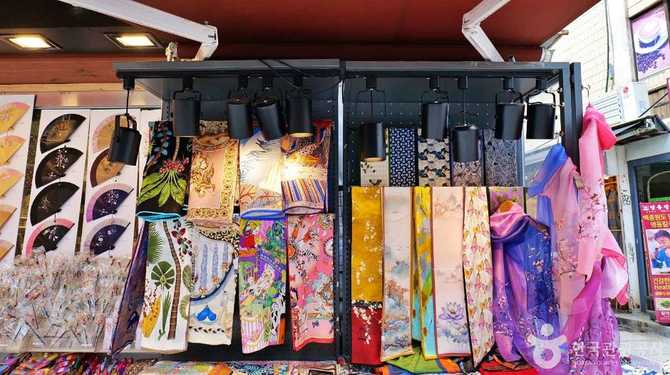
- Purchase Korean antiques and traditional crafts from local shops, such as hanji paper artworks, ceramics, and textiles, to take home authentic souvenirs.
- Visit a traditional tea house to enjoy Korean teas like green tea, ginseng tea, or herbal infusions, and participate in a Korean tea ceremony if available.
- Attend traditional cultural performances, including Korean music, dance, or mask plays, which are often held during the weekly street festivals or at cultural centers.
- Join hands-on craft workshops to make traditional items such as paper crafts (hanji), calligraphy, or pottery, gaining a deeper appreciation of Korea’s artistic heritage.
- Sample street foods like tteok (rice cakes), hotteok (sweet pancakes), and odeng (fish cake skewers) from local vendors to experience Korea’s street cuisine.
- Engage with local artisans and guides to learn about the history and techniques behind traditional crafts, enhancing your cultural understanding.
Frequently Asked Questions (FAQ)
Q1: What is the historical significance of Insa-dong in Seoul?
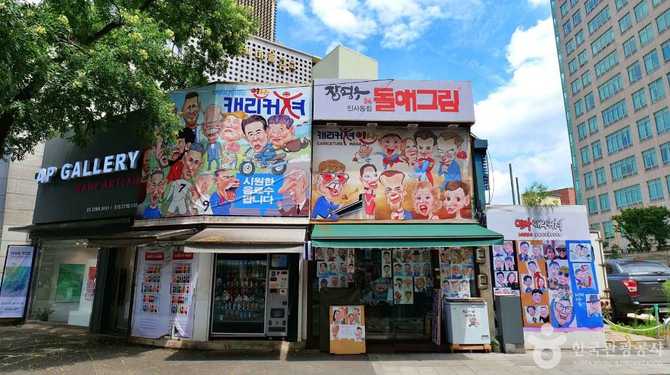
Insa-dong has a history dating back to the Joseon Dynasty and has long been a center for traditional arts, crafts, and cultural exchange. It preserves Korea’s artistic heritage through numerous galleries, antique shops, and craft stores, making it a vital cultural hub in Seoul.
Q2: What are the main attractions to visit in Insa-dong?
Key attractions include the Hakgojae Gallery, Gana Gallery, and Gana Art Center, which showcase modern and contemporary Korean art. Traditional teahouses, craft shops, and street performances also offer authentic cultural experiences.
Q3: Where can I find traditional tea houses and local restaurants in Insa-dong?
Traditional tea houses are scattered throughout the alleyways of Insa-dong, often hidden in quiet corners. Many local restaurants and street vendors serve regional Korean dishes, snacks, and sweets, especially along the main and side streets.
Q4: When do the weekly car-free street events take place, and what activities are available?
The car-free street events occur every Saturday and Sunday, transforming Insa-dong into a pedestrian zone. Visitors can enjoy traditional performances, craft workshops, street art, and food stalls during these lively cultural festivals.
Q5: What cultural experiences can foreigners enjoy in Insa-dong?
Foreign visitors can participate in traditional craft-making, enjoy tea ceremonies at tea houses, purchase antique and art pieces, and watch traditional performances like music and dance, often with options for hands-on involvement.
Q6: What should I keep in mind when visiting Insa-dong?
Visitors should expect some crowded galleries and shops, especially on weekends. Parking is limited, so using public transportation is recommended. Some performances or workshops may require prior reservations, so plan accordingly.
Experience the Unique Charm of Insa-dong
Visiting Insa-dong offers a truly enriching experience where Korea’s rich traditions seamlessly blend with contemporary art and culture. As Seoul’s iconic cultural district, it provides an authentic glimpse into Korea’s historical heritage while embracing modern creativity. Whether you’re exploring its numerous galleries, enjoying traditional tea houses, or participating in lively weekend street festivals, Insa-dong promises memorable moments for every visitor. Its vibrant atmosphere, combined with the opportunity to discover unique crafts, artworks, and local cuisine, makes it a must-visit destination for travelers seeking cultural immersion. Planning your trip with awareness of the busy weekends and limited parking will ensure a smooth and enjoyable experience. Remember to take your time exploring the alleyways, as hidden gems and traditional shops await around every corner. Whether you’re a first-time visitor or a seasoned traveler, Insa-dong offers a special journey into Korea’s artistic and cultural soul. Make sure to include this vibrant neighborhood in your Seoul itinerary for an unforgettable cultural adventure that beautifully marries Korea’s past and present.