
출처 : ⓒ한국관광콘텐츠랩 또는 ⓒ한국관광공사
Discover the Historic Effungdae-gun Lee Bo Royal Tomb in Korea
Location 서울특별시 서초구 효령로 135 (방배동)
Are you interested in exploring Korea’s royal history and cultural heritage? Visiting the Effungdae-gun Lee Bo Royal Tomb offers a unique glimpse into the Joseon Dynasty’s royal lineage and cultural legacy, making it a must-visit destination for history enthusiasts and travelers alike.
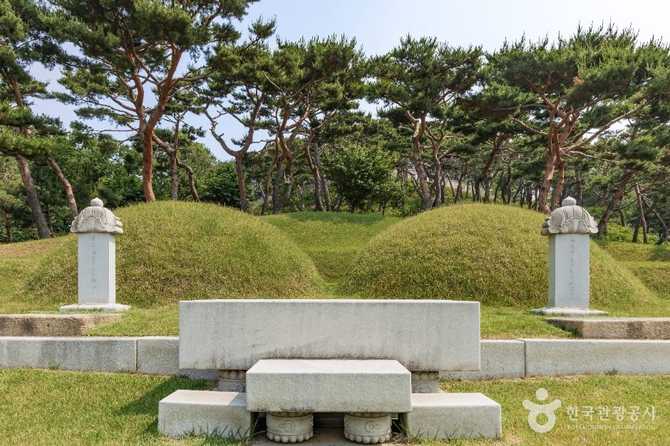
Located in Seoul, this historic site is the final resting place of Prince Effungdae-gun Lee Bo, the second son of King Taejong of Joseon, and his wife. The tomb and shrine complex are preserved as important cultural assets, showcasing traditional royal burial practices and architecture. Whether you’re a scholar, a history lover, or a curious traveler, this site provides valuable insights into Korea’s royal past.
At a glance
- Who this is for
-
- History and Korean royal culture enthusiasts
- Travelers interested in cultural heritage sites
- Researchers studying Joseon Dynasty history
- Tourists seeking free and meaningful cultural experiences
- Key takeaways
-
- Located at Seoul, Seocho-gu, Effung-ro 135
- Open year-round, 10 am to 4 pm, closed on weekends and holidays
- Free admission; visit to learn about Joseon royal customs
- Features historic relics like stone steles and lanterns
- Part of Korea’s cultural heritage preservation efforts
- Tips & cautions
-
- Visit early in the day to avoid crowds
- Wear respectful, modest attire suitable for cultural sites
- Handle relics with care; avoid touching or damaging artifacts
- Check for any ongoing restoration work before your visit
- Bottom line
- Effungdae-gun Lee Bo Royal Tomb is a significant cultural site that offers deep insights into Korea’s royal history and is accessible for free to all visitors.
Step back in time and explore the historic Effungdae-gun Lee Bo Royal Tomb, a vital part of Korea’s royal heritage. This site not only preserves the memory of Prince Effungdae-gun Lee Bo, the second son of King Taejong, but also embodies the traditional burial customs and cultural practices of the Joseon Dynasty. Located conveniently in Seoul’s Seocho District, the tomb complex is open to the public year-round, providing an educational and inspiring experience for visitors of all ages.

As you walk through the site, you’ll encounter various relics such as stone steles, lanterns, and statues that tell stories of Korea’s royal past. The site is carefully maintained, with efforts to preserve its historical integrity while allowing visitors to appreciate its cultural significance. Whether you’re a history scholar, a cultural tourist, or someone interested in Korea’s royal traditions, the Effungdae-gun Lee Bo Royal Tomb offers a meaningful journey into Korea’s rich heritage.
Because the site is part of a protected cultural heritage zone, visitors are encouraged to observe respectful behavior, avoid damaging artifacts, and follow guidelines to help preserve this invaluable historical resource for future generations. Entry is free, and the site is accessible via public transportation, making it an ideal destination for educational trips or casual sightseeing.
Effungdae-gun Lee Bo Royal Tomb Overview & Historical Significance
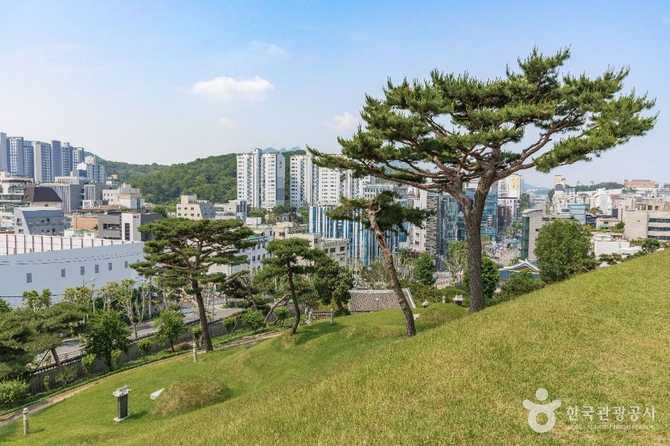
The Effungdae-gun Lee Bo Royal Tomb is a prominent historical site that offers visitors a unique glimpse into Korea’s royal heritage during the Joseon Dynasty. As one of the most significant royal burial sites, this tomb provides insight into the customs, architecture, and cultural practices of Korea’s royal family in the 15th century. Located in Seoul’s Seocho-gu district, the site is dedicated to Prince Effungdae-gun Lee Bo, the second son of King Taejong, and his wife, Lady Haengju Jeong. The tomb and shrine complex serve as a vital cultural asset, showcasing traditional Joseon burial traditions and royal architecture that have been preserved for centuries.
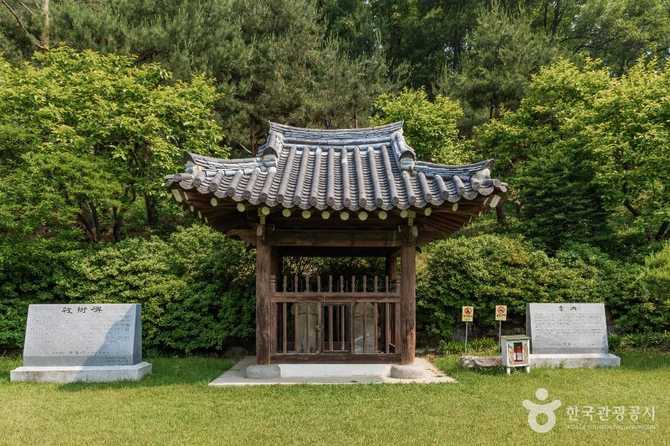
Prince Effungdae-gun Lee Bo (1396–1486) was known for his scholarly interests, love of reading, and his deep sense of filial piety and loyalty. His tomb, along with the shrine called Cheonggwon-sa, is a reflection of the respect and reverence accorded to royal family members. The site was designated as a cultural heritage site and has undergone several restorations to maintain its historical integrity. During the Joseon period, especially under the reigns of King Yeongjo and King Jeongjo, efforts were made to establish shrines and memorials for royal princes, which further elevated the cultural importance of this site.
Today, the Effungdae-gun Lee Bo Royal Tomb stands as a testament to Korea’s royal history, with relics such as stone steles, lanterns, and stone statues preserved within the site. Visitors can explore the tomb area, learn about the life of Prince Effungdae-gun, and appreciate the traditional architecture that reflects the grandeur of the Joseon royal court. The site is open year-round and free to the public, making it an accessible destination for those interested in Korea’s royal history and cultural preservation. Its significance lies not only in its historical value but also in its role as a symbol of Korea’s deep-rooted respect for royal ancestors and cultural traditions.

Comparison of Key Cultural Relics at Effungdae-gun Lee Bo Royal Tomb
| Relic / Cultural Asset | Description | Significance |
|---|---|---|
| Shin Do-bi (Stone Stele) | A stone monument inscribed with memorial rites and biographical details of Prince Effungdae-gun Lee Bo. | Represents royal memorial practices and serves as a historical record. |
| Goo Myo-pyo (Old Tombstone) | A traditional stone marker indicating the burial site, with inscriptions of the deceased’s name and titles. | Key artifact illustrating Joseon-era burial customs and tomb architecture. |
| Jangmyeong Deung (Lanterns) | Stone lanterns placed along the tomb pathway, used during memorial rites. | Symbolize illumination and guidance for spirits, reflecting traditional rituals. |
| Mun-in Seok (Stone Statues) | Guardian statues positioned at the entrance, representing protection and respect for the tomb. | Illustrate the importance of safeguarding royal ancestors in Korean culture. |
Visitor Information & Access Checklist for Effungdae-gun Lee Bo Royal Tomb
- Opening Hours: 10:00 AM to 4:00 PM, open year-round except on weekends and public holidays.
- Location: Seoul, Seocho-gu, Effung-ro 135, South Korea.
- Admission: Free for all visitors.
- Transportation: Accessible via Seoul Subway Line 2, get off at Banjak Station, Exit 3. Bus routes also serve the area.
- Preparation Tips: Wear modest, comfortable clothing suitable for cultural sites. Bring water and sun protection if visiting in summer.
- Visitor Guidelines: Handle relics respectfully, avoid touching artifacts, and keep noise levels low. Photography is permitted but refrain from using flash near relics.
Visitor Tips & Important Precautions for Effungdae-gun Lee Bo Royal Tomb
- Visit During Off-Peak Hours: To avoid large crowds and enjoy a more peaceful experience, plan your visit early in the morning or on weekdays.
- Dress Respectfully: Wear modest and comfortable clothing suitable for cultural and historical sites. Avoid revealing or casual attire.
- Handle Artifacts Carefully: Do not touch or move relics, statues, or any cultural artifacts. Respect the preservation efforts and avoid causing any damage.
- Photography Etiquette: Photography is allowed; however, refrain from using flash or tripods near sensitive relics to prevent damage. Be considerate of other visitors.
- Stay on Designated Paths: Walk along the marked routes to protect the site’s integrity and avoid disturbing the burial grounds and relics.
- Bring Necessary Supplies: Carry water, sun protection, and comfortable footwear, especially if visiting during hot weather or walking around the site extensively.
- Avoid Loud Noise and Disruptive Behavior: Maintain a respectful silence or speak softly to preserve the solemn atmosphere of the site.
- Check for Restoration or Maintenance Notices: Before your visit, contact the site to confirm if any ongoing restoration work might affect your experience.
Cultural Significance & Preservation Efforts at Effungdae-gun Lee Bo Royal Tomb
Preservation and Restoration Initiatives
- Designated Cultural Heritage Site: Since 1972, the Effungdae-gun Lee Bo Royal Tomb has been officially recognized as a cultural heritage site, ensuring legal protection and conservation efforts.
- Restoration Projects: The site has undergone multiple restoration phases, notably in the 1980s, to repair and maintain the integrity of relics such as stone steles, lanterns, and statues.
- Ongoing Maintenance: Regular preservation activities include cleaning, structural reinforcement, and environmental control to prevent deterioration caused by weather and aging.
- Research and Documentation: Continuous scholarly research and documentation help in understanding the historical context and guide preservation strategies.
- Community and Government Support: The preservation efforts are supported by local government policies and community involvement, emphasizing the importance of cultural education and awareness.
Visitor Engagement and Education
- Educational Programs: The site hosts educational tours and programs aimed at increasing public awareness about Korea’s royal history and cultural heritage.
- Information Signage: Informative signs and displays around the site provide visitors with historical context and details about each relic.
- Community Involvement: Local organizations and cultural groups participate in preservation activities and cultural events at the site, fostering a sense of shared heritage.
- Volunteer Programs: Volunteer initiatives encourage community participation in maintaining and promoting the site’s historical significance.
Future Preservation Goals
- Enhanced Conservation Techniques: Adoption of advanced preservation technologies to better protect relics from environmental damage.
- Digital Documentation: Creating detailed digital archives and virtual tours to increase accessibility and awareness worldwide.
- Community Education: Expanding educational outreach programs to foster greater appreciation and understanding of Korea’s royal heritage among younger generations.
- International Collaboration: Partnering with global cultural preservation organizations to share expertise and resources for site conservation.
Whether you visit during the day or evening, Discover the Historic Effungdae is a meaningful stop on any Seoul itinerary for history-minded travelers.
Frequently Asked Questions (FAQ)
Q1: Where is the Effungdae-gun Lee Bo Royal Tomb located?
An: The tomb is located at 135 Effung-ro, Seocho-gu, Seoul, South Korea. It is easily accessible by public transportation, including subway and bus routes.
Q2: What are the opening hours for visiting the Effungdae-gun Lee Bo Royal Tomb?
An: The site is open year-round from 10:00 AM to 4:00 PM, except on weekends and public holidays when it is closed.
Q3: Is there an entrance fee to visit the royal tomb?
An: No, admission to the Effungdae-gun Lee Bo Royal Tomb is free for all visitors.
Q4: What should I keep in mind when visiting the site?
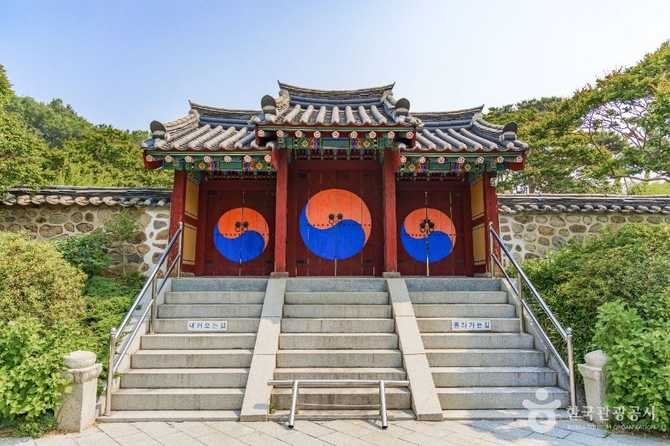
An: Visitors should handle relics respectfully, avoid touching artifacts, and follow site guidelines to help preserve the cultural heritage. Wearing modest attire and refraining from loud noises or flash photography is recommended.
Q5: What are some of the key relics found at the Effungdae-gun Lee Bo Royal Tomb?
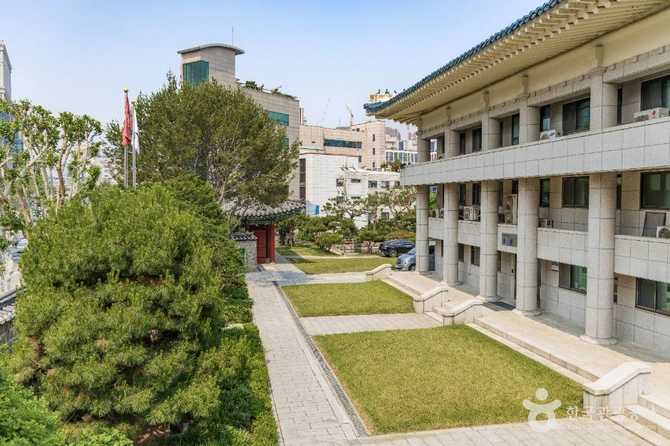
An: The site features relics such as stone steles, old tombstones, lanterns, and guardian statues that reflect traditional Joseon royal burial practices and architecture.
Q6: Why is the Effungdae-gun Lee Bo Royal Tomb considered culturally significant?
An: It is a vital historical site that showcases Korea’s royal burial customs, architecture, and cultural traditions from the Joseon Dynasty, serving as an important cultural heritage asset preserved for future generations.
Conclusion: Discover the Rich Heritage of Effungdae-gun Lee Bo Royal Tomb in Korea
Visiting the Effungdae-gun Lee Bo Royal Tomb offers a unique opportunity to explore Korea’s royal history and cultural traditions firsthand. As a significant historical site, it beautifully preserves the legacy of Prince Effungdae-gun Lee Bo, the second son of King Taejong, and provides valuable insights into Joseon Dynasty burial customs and royal architecture. The site’s well-maintained relics, including stone steles, lanterns, and guardian statues, serve as tangible links to Korea’s rich heritage, making it an essential destination for history enthusiasts, scholars, and travelers interested in Korea’s royal past. Best of all, it is freely accessible, allowing everyone to deepen their understanding of Korea’s cultural legacy without financial barriers.
Whether you are a dedicated researcher, a curious tourist, or someone passionate about cultural preservation, the Effungdae-gun Lee Bo Royal Tomb provides an enriching experience that highlights Korea’s deep-rooted respect for its ancestors and royal traditions. Its location in Seoul makes it convenient for visitors to include in their cultural itinerary, and the ongoing efforts to preserve and restore the site ensure that future generations can continue to appreciate this invaluable heritage. Remember to visit with respect and care, following guidelines to help protect this important historical resource. A visit here not only deepens your appreciation of Korea’s royal history but also fosters a greater understanding of the nation’s enduring cultural identity.