
출처 : ⓒ한국관광콘텐츠랩 또는 ⓒ한국관광공사
Explore Inhyeon Market: Seoul’s Traditional Market with Modern Charm
Location 서울특별시 중구 인현동2가 192-1
Location 서울특별시 중구 인현동2가 192-1
Discover the vibrant blend of tradition and modernity at Inhyeon Market, a must-visit destination in Seoul that offers authentic local experiences, delicious food, and cultural insights.
At a glance
- Who this is for
-
- Travelers interested in authentic Korean markets
- Food lovers seeking local delicacies
- Culture enthusiasts exploring Seoul’s history
- Shopping fans looking for unique finds
- Visitors wanting a blend of tradition and modern culture
- Key takeaways
-
- Inhyeon Market has a history dating back to the late 1950s
- Located in Seoul’s central Jung-gu district near Chungmuro
- Offers a mix of traditional stalls and modern shops
- Close to cultural sites like film and printing alleyways
- Popular for affordable prices, hidden eateries, and cultural experiences
- Tips & cautions
-
- Be cautious of uneven or aged environment; prioritize safety
- Check operating hours of individual shops before visiting
- Respect local customs and keep the market clean
- Explore nearby cultural spots for a richer experience
- Bottom line
- Inhyeon Market is a historic Seoul market that beautifully combines tradition with modern culture, making it a must-see for visitors seeking authentic local experiences.
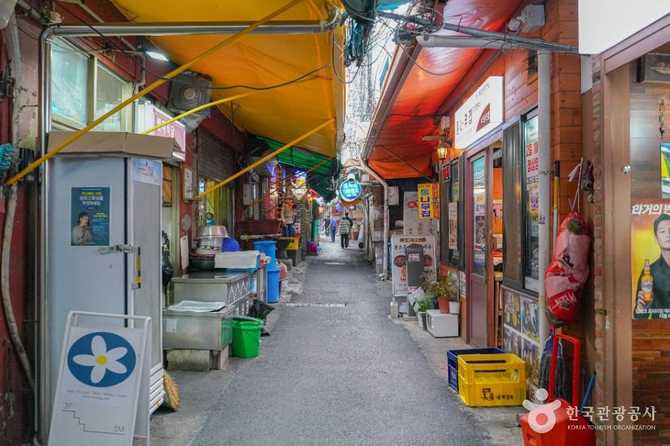
Located in the heart of Seoul, Inhyeon Market stands as a testament to the city’s rich history and evolving culture. Since its formation in the late 1950s, this traditional marketplace has maintained its charm while embracing modern influences. Visitors can enjoy a variety of local foods, browse through diverse shops selling clothing and accessories, and explore cultural landmarks such as the nearby film and printing alleyways. Its proximity to popular attractions like Myeongdong and Namsangol Hanok Village makes it an ideal spot for cultural exploration.
Whether you’re a first-time visitor or a seasoned traveler, Inhyeon Market offers a unique glimpse into Seoul’s vibrant local life. The market’s blend of old and new, coupled with its affordable prices and hidden culinary gems, makes it a favorite among tourists and locals alike. As you stroll through its lively streets, you’ll experience the authentic atmosphere of a traditional Korean market, complemented by contemporary shops and artistic spaces that reflect Seoul’s dynamic culture.
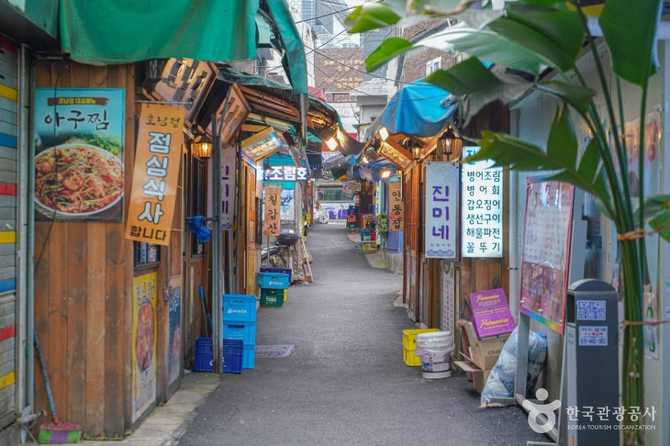
Inhyeon Market is not just a shopping destination; it’s a cultural experience that captures the essence of Seoul’s urban landscape. From traditional food stalls to modern pop-up shops operated by young entrepreneurs, there is something for everyone. When planning your visit, remember to check the operating hours of individual vendors and stay mindful of the environment, which may show signs of age. This market is a perfect place to enjoy a relaxed day of discovery, sampling local flavors, and immersing yourself in Seoul’s rich history and lively contemporary scene.
Inhyeon Market Overview and Historical Significance
Inhyeon Market is a historic traditional market located in the heart of Seoul, South Korea. Established in the late 1950s, this vibrant marketplace has been a cornerstone of local commerce and community life for over 70 years. It embodies the rich cultural heritage of Seoul while seamlessly integrating modern elements to cater to contemporary visitors. The market’s name, ‘Inhyeon,’ is linked to its historical roots, dating back to the Joseon Dynasty when it was known as a residence area for the royal family’s descendants.
The origin of Inhyeon Market traces back to the post-Korean War era, when small vendors and local residents began establishing makeshift stalls to serve the growing population of Seoul. Over the decades, it evolved into a formal marketplace with a diverse range of shops selling fresh produce, traditional foods, clothing, accessories, and household goods. Despite urban development and modernization of Seoul, Inhyeon Market has preserved its traditional charm, offering visitors an authentic glimpse into Korea’s local market culture.
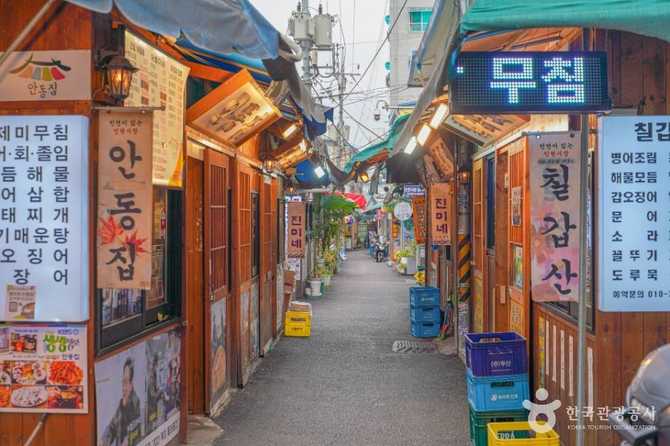
Historically, the market was closely linked to the nearby film and printing alleyways, which contributed to its cultural significance. These areas fostered artistic and creative communities, making Inhyeon Market a hub for both commerce and cultural exchange. Today, it continues to serve as a vital local hub, attracting approximately 20,000 visitors daily, including residents, office workers, and tourists seeking an authentic market experience.
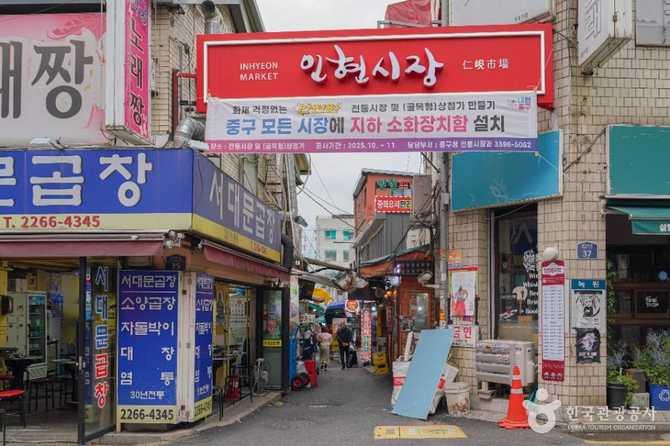
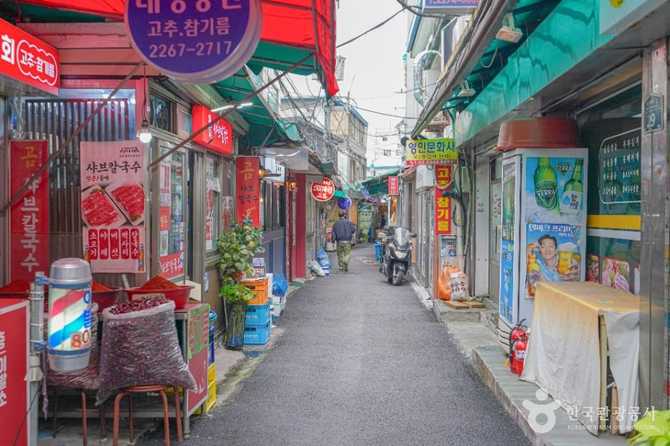
Inhyeon Market’s enduring appeal lies in its ability to blend tradition with modernity. While some stalls have modernized their offerings and decor, many retain their original character, with aged storefronts and local vendors who have been operating for decades. This unique juxtaposition creates a lively, nostalgic atmosphere that captures the essence of Seoul’s evolving urban landscape. Visitors can enjoy browsing through a variety of products, sampling traditional Korean street foods, and exploring cultural sites nearby, such as the film and printing alleyways.
Whether you are a history enthusiast, a foodie, or a curious traveler, Inhyeon Market offers a meaningful experience that highlights Seoul’s historical depth and contemporary vibrancy. Its location in the central district of Jung-gu makes it easily accessible, making it an ideal destination for those wanting to immerse themselves in the local culture while enjoying the lively atmosphere of a traditional Korean market.
Comparison of Inhyeon Market Features and Surroundings
| Aspect | Details | Remarks |
|---|---|---|
| Location | Jung-gu, Inhyeon-dong 2-ga, near Chungmuro | Central Seoul, easily accessible |
| Historical Background | Established in late 1950s; linked to Joseon Dynasty history | Deep historical roots with cultural significance |
| Main Attractions | Traditional market stalls, film and printing alleyways | Cultural and artistic nearby sites |
| Average Daily Visitors | Approximately 20,000 | High foot traffic, especially among locals and tourists |
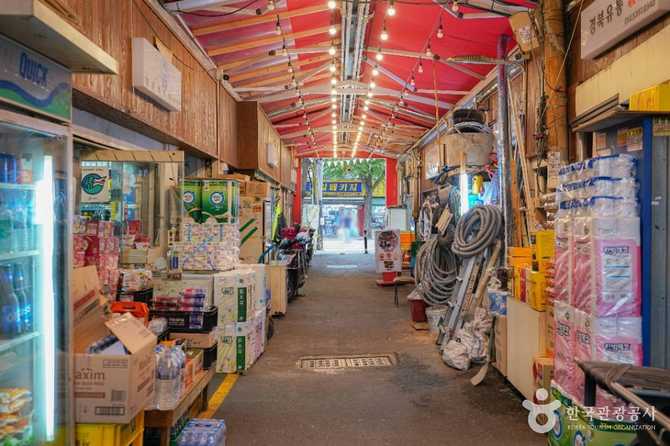
| Main Products | Food, clothing, accessories, household goods | Diverse offerings, including local specialties |
| Surrounding Environment | Adjacent to modern buildings, cultural alleyways | A blend of old and new Seoul |
| Accessibility | Near Chungmuro Station (Line 3 & 4) | Convenient for tourists and locals alike |
Market Features and Visitor Highlights Checklist
- Traditional Atmosphere: Experience the authentic vibe of a classic Korean market, with aged storefronts and lively vendors.
- Local Food Delights: Sample traditional street foods such as tteokbokki, hotteok, and freshly prepared seafood.
- Shopping for Unique Items: Find clothing, accessories, and household goods, often at bargain prices.
- Nearby Cultural Spots: Explore the film and printing alleyways, which showcase Seoul’s artistic history.
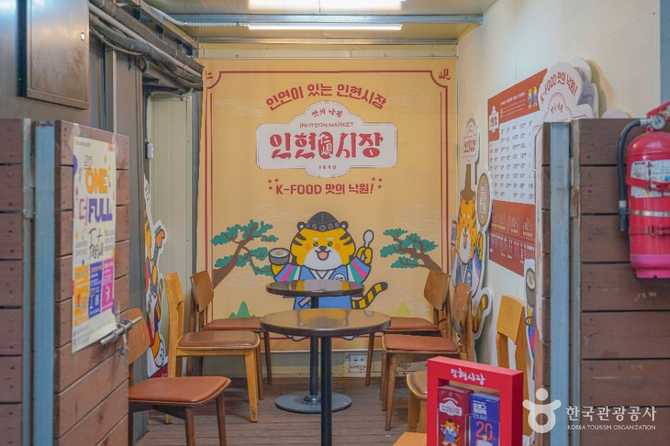
- Modern Artistic Spaces: Discover new shops opened by young entrepreneurs and artists, adding a contemporary touch.
Visitor Information and Tips for Inhyeon Market
| Aspect | Details |
|---|---|
| Operating Hours | Most shops open from 9:00 AM to 8:00 PM; some may operate later or have irregular hours |
| Best Visiting Times | Weekdays and weekends, preferably in the morning or early afternoon to avoid crowds and ensure shops are open |
| How to Prepare | Check individual shop hours online or by phone; carry cash as some vendors may not accept credit cards; wear comfortable shoes for walking |
| Safety Tips | Be cautious of uneven surfaces, especially in older parts of the market; keep valuables secure; stay aware of your surroundings |
| Additional Recommendations | Ask locals for hidden gem eateries; try traditional street foods; explore cultural alleyways nearby for a richer experience |
Recent Changes and Cultural Significance of Inhyeon Market
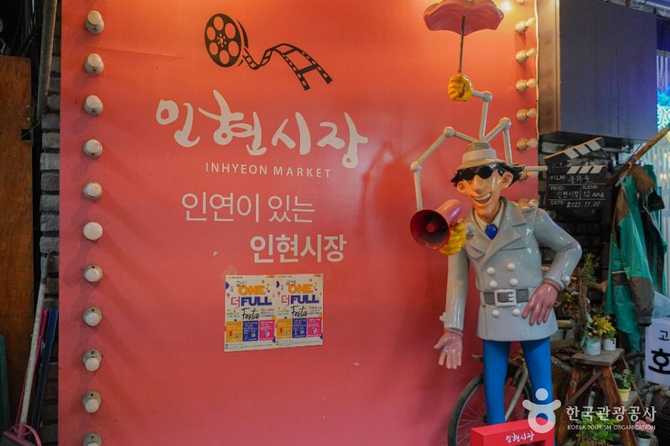
- Emergence of Young Entrepreneurs: Recently, many young business owners and artists have opened new shops and art spaces within the market, injecting fresh energy and creativity into the traditional setting.
- Integration of Art and Culture: The market now features various cultural exhibits, pop-up galleries, and artistic installations, transforming it into a vibrant cultural hub alongside its commercial activities.
- Revitalization Efforts: Local authorities and community groups have initiated projects to upgrade facilities, improve signage, and promote sustainable tourism, ensuring the market remains a vital part of Seoul’s urban fabric.
- Preservation of Heritage: Despite modernization, efforts are made to preserve the historical architecture and traditional atmosphere, maintaining the market’s unique charm.
- Community Engagement: Regular cultural events, festivals, and markets are organized to foster community spirit and attract more visitors, emphasizing the market’s role as a cultural landmark.
- Impact on Local Economy: The influx of new shops and cultural activities has supported local vendors, created job opportunities, and promoted Seoul’s traditional market culture to a broader audience.
Whether you visit during the day or evening, Explore Inhyeon Market is a meaningful stop on any Seoul itinerary for history-minded travelers.
Frequently Asked Questions (FAQ)
Q1: When was Inhyeon Market established?
An:
Inhyeon Market was naturally formed in the late 1950s, making it over 70 years old. It has a deep historical connection to Seoul’s post-war development and traditional market culture.
Q2: What types of products can I find at Inhyeon Market?
An:
The market offers a variety of items including fresh foods, street snacks, clothing, accessories, and household goods. Local specialties and unique souvenirs are also available.
Q3: What are the best times to visit Inhyeon Market?
An:
Most shops operate from around 9:00 AM to 8:00 PM, with some open later or on weekends. It’s recommended to check individual shop hours before visiting for the best experience.
Q4: How do I get to Inhyeon Market?
An:
The market is accessible via Chungmuro Station on Seoul Subway Lines 3 and 4. It is located in Jung-gu, near the Chungmuro area, making it convenient for both locals and tourists.
Q5: Are there any cultural or historical attractions near Inhyeon Market?
An:
Yes, the market is close to the film and printing alleyways, which are cultural landmarks showcasing Seoul’s artistic history. Nearby attractions include Myeongdong and Namsangol Hanok Village.
Q6: Is Inhyeon Market suitable for tourists interested in modern art and culture?
An:
Absolutely. The market has recently become a hub for young entrepreneurs and artists, with new shops and art spaces that blend traditional market ambiance with contemporary creativity.
Final Tips for Visiting Inhyeon Market
Visiting Inhyeon Market offers a wonderful opportunity to experience Seoul’s rich cultural heritage while enjoying modern urban life. To make the most of your trip, plan ahead by checking the operating hours of individual stalls, as some vendors may close earlier or have irregular schedules. Exploring the nearby cultural sites, such as the film and printing alleyways, can enrich your visit with artistic and historical insights. Remember to prioritize safety, especially since parts of the market environment can be aged or uneven; walking carefully and wearing comfortable shoes is recommended. Sampling local street foods like tteokbokki and hotteok is highly recommended, as these are authentic flavors that capture the essence of Seoul’s traditional markets. Additionally, take time to wander through the modern shops opened by young entrepreneurs and artists, which add a vibrant contemporary touch to the historic setting. Whether you’re a history enthusiast, a foodie, or a curious traveler, Inhyeon Market promises a memorable experience blending tradition and modernity. Be respectful of local customs, dispose of trash properly, and enjoy the lively atmosphere that makes this Seoul icon so special.