
출처 : ⓒ한국관광콘텐츠랩 또는 ⓒ한국관광공사
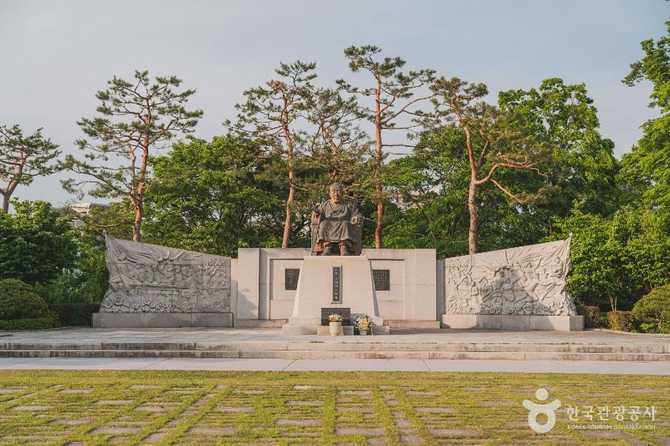
Discover the Significance of the Statue of Lee Si-young in Korea’s Independence Movement
Location 서울특별시 중구 회현동1가 100-115
Location 서울특별시 중구 회현동1가 100-115
Are you interested in Korea’s modern history and the independence movement? Visiting the statue of Lee Si-young in Namsan Park offers a profound insight into Korea’s fight for sovereignty and the legacy of its first Vice President. This iconic monument stands as a testament to the dedication and sacrifices made by Lee Si-young, a pivotal figure in Korea’s struggle for independence from Japanese rule. Whether you’re a history enthusiast, a student, or a traveler exploring Seoul’s cultural landmarks, understanding the historical background of this statue enriches your experience and deepens appreciation for Korea’s national heritage.
The statue of Lee Si-young, located in the historic Namsan Park, symbolizes Korea’s resilience and patriotism. As a key leader in the independence movement, Lee Si-young’s contributions extend beyond his role in the provisional government, including his efforts in education and politics after Korea’s liberation. Visiting this site provides an opportunity to reflect on Korea’s turbulent past, honor the sacrifices of independence fighters, and connect with the nation’s ongoing journey toward sovereignty and democracy.
At a glance
- Who this is for
-
- History enthusiasts interested in Korea’s independence movement
- Visitors exploring Namsan Park and Seoul’s historical sites
- Students and researchers studying modern Korean history
- Tourists wanting to learn about Korea’s national heroes
- Anyone interested in Korea’s political legacy
- Key takeaways
-
- The statue commemorates Lee Si-young, Korea’s first Vice President
- Located in Namsan Park’s Baekbeom Square, open year-round
- Lee Si-young actively participated in the independence movement from China
- He served as Legal and Financial Minister of the Provisional Government
- His legacy includes founding Shinheung College and serving as Korea’s first Vice President
- Tips & cautions
-
- Check weather conditions before visiting, especially in winter or summer
- Use Namsan Park’s parking facilities; parking fees apply
- Visit during daylight hours for the best experience and photo opportunities
- Respect the site’s historical significance and avoid disruptive behavior
- Bottom line
- Visiting the Lee Si-young statue in Namsan Park offers a meaningful connection to Korea’s independence history and national pride.
Exploring the statue of Lee Si-young in Seoul’s Namsan Park provides a unique opportunity to learn about Korea’s struggle for independence and the enduring legacy of its leaders. This monument is more than just a symbol; it is a reminder of the sacrifices made for Korea’s sovereignty and democracy. Located conveniently within Namsan Park, the site attracts visitors from all over the world who wish to pay tribute to Korea’s independence heroes and reflect on the nation’s historical journey.
Whether you are visiting for educational purposes, cultural enrichment, or personal interest, understanding the background of Lee Si-young and his contributions helps deepen your appreciation of Korea’s modern history. The statue’s location in Baekbeom Square, alongside other memorials, makes it an essential stop for anyone exploring Seoul’s historical landscape. Make sure to plan your visit by checking park hours and parking options to ensure a smooth and meaningful experience.

Overview of the Statue of Lee Si-young and Its Significance
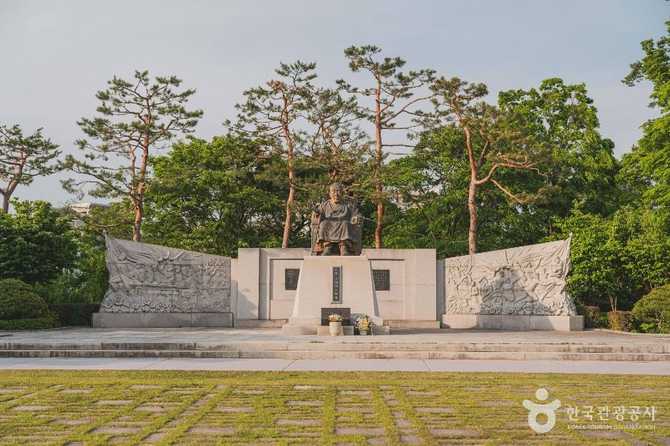
The statue of Lee Si-young in Namsan Park stands as a powerful symbol of Korea’s independence movement and national pride. Located in Baekbeom Square, this monument commemorates Lee Si-young, Korea’s first Vice President, who dedicated his life to fighting for Korea’s sovereignty during a turbulent period of history. As a key figure in the Korean independence movement, Lee Si-young’s efforts extended beyond activism; he played a vital role in shaping modern Korea’s political landscape after liberation from Japanese rule.
This statue is more than just a memorial; it is a reflection of Korea’s resilience, patriotism, and the sacrifices made by countless independence fighters. Lee Si-young’s activities in China, where he helped organize independence troops and participated in significant battles like the Battle of Cheongsanri, are integral parts of his legacy. His leadership in the Korean Provisional Government, serving as Legal and Financial Minister, highlights his commitment to Korea’s independence and nation-building efforts.
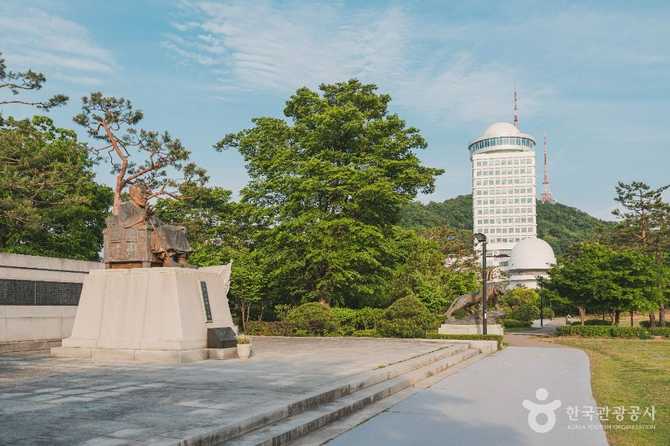
Visitors to Namsan Park can learn about his life and contributions through the monument, which serves as an educational and historical landmark. The statue’s strategic location in Baekbeom Square makes it accessible for tourists, students, and history enthusiasts. It also offers a scenic spot for reflection and appreciation of Korea’s journey toward sovereignty.
Understanding the historical significance of the statue of Lee Si-young helps deepen one’s appreciation of Korea’s modern history. It reminds us of the sacrifices made for independence and the importance of patriotism in shaping the nation’s future. Whether you are interested in Korea’s independence movement or seeking to honor its heroes, this monument provides a meaningful connection to Korea’s past and its ongoing legacy.
Comparison of the Statue of Lee Si-young with Other Historical Monuments
| Feature | Statue of Lee Si-young | Statue of A Different Korean Independence Hero |
|---|---|---|
| Location | Namsan Park, Baekbeom Square, Seoul | Gyeongbokgung Palace, Seoul |
| Historical Significance | Commemorates Korea’s first Vice President and independence leader Lee Si-young | Honors independence activist Ahn Jung-geun, known for his patriotism and resistance against Japanese rule |
| Main Features | Bronze statue depicting Lee Si-young in formal attire, with inscriptions of his achievements | Stone monument with a relief sculpture of Ahn Jung-geun, featuring his iconic pose and quote |
| Purpose | To honor Lee Si-young’s contributions to independence and politics | To memorialize Ahn Jung-geun’s patriotism and resistance |
| Visitor Experience | Accessible year-round, scenic views, educational plaques, photo opportunities | Located within historical palace grounds, often combined with other cultural sites |
Visitor Checklist for the Lee Si-young Statue in Namsan Park
- Check weather conditions before your visit, especially during winter or summer to dress appropriately.
- Use Namsan Park’s parking facilities. The parking fee is approximately 160 KRW per 5 minutes, totaling around 1,920 KRW per hour. Confirm current rates beforehand.
- Visit during daylight hours for the best experience and photo opportunities. The park is open year-round, but hours may vary seasonally.
- Respect the site’s historical importance by avoiding disruptive behavior and taking photos responsibly.
- Plan enough time for walking around the scenic area, as the monument is surrounded by well-maintained walking paths and beautiful landscaping.
Historical Significance and Modern Value of the Lee Si-young Statue
The statue of Lee Si-young in Namsan Park is not only a tribute to Korea’s independence movement but also a symbol of national pride and resilience. It embodies the spirit of patriotism and sacrifice that defined Korea’s fight for sovereignty during the Japanese colonial period. As a prominent figure who actively participated in the independence movement, Lee Si-young’s legacy continues to inspire modern Koreans to value independence, democracy, and national unity.
This monument serves multiple roles in contemporary society. Firstly, it acts as an educational tool, reminding visitors of the struggles and sacrifices made by Korea’s independence fighters. It encourages patriotism and civic consciousness among younger generations, fostering a sense of national identity rooted in history. Secondly, the statue functions as a cultural landmark that connects Koreans and international visitors to the country’s historical roots.
Moreover, the statue’s presence in Namsan Park, a popular cultural and recreational space, ensures that the message of independence and patriotism remains accessible and relevant. It promotes awareness of Korea’s past achievements and challenges, reinforcing the importance of safeguarding the country’s sovereignty and democratic values. The site also hosts commemorative events and educational programs that highlight Lee Si-young’s contributions and the broader history of Korea’s independence movement.
In today’s context, the Lee Si-young statue symbolizes the enduring spirit of resistance and the ongoing journey towards a free and democratic Korea. It reminds us that the sacrifices of past heroes are the foundation of the nation’s current stability and prosperity. Visiting this monument encourages reflection on the importance of patriotism, resilience, and the collective effort needed to uphold Korea’s independence and democratic ideals.
Visitor Checklist for the Lee Si-young Statue in Namsan Park
- Check weather conditions before your visit, especially during winter or summer, to ensure appropriate clothing and comfort.
- Use Namsan Park’s parking facilities. The parking fee is approximately 160 KRW per 5 minutes, with a typical hourly rate of around 1,920 KRW. Confirm current parking rates and availability in advance.
- Visit during daylight hours for optimal sightseeing, photography, and safety. The park is open year-round, but hours may vary seasonally.
- Respect the historical significance of the site by avoiding disruptive behaviors, such as loud noise or inappropriate photography, to preserve the dignity of the monument.
- Allow sufficient time for walking and exploring the scenic surroundings of the monument, including well-maintained paths and landscaped gardens.
- Bring essentials such as water, sun protection, or warm clothing depending on the season to enhance your visit.
- Check for special events or commemorations that may be scheduled at Baekbeom Square, which could enrich your experience and understanding of Korea’s independence history.
- Plan your transportation in advance, whether by public transit or taxi, to avoid parking congestion and ensure a smooth trip to Namsan Park.
- Stay updated by visiting the official Namsan Park website or contacting visitor information services for the latest details on opening hours, parking fees, and any restrictions.
Whether you visit during the day or evening, Discover the Significance of the is a meaningful stop on any Seoul itinerary for history-minded travelers.
Frequently Asked Questions (FAQ)
Q1: Where is the statue of Lee Si-young located in Seoul?
An: The statue of Lee Si-young is situated in Baekbeom Square within Namsan Park in Seoul. It is accessible year-round and is a popular historical landmark for visitors interested in Korea’s independence movement.
Q2: What is the significance of the Lee Si-young statue?
An: The statue commemorates Lee Si-young, Korea’s first Vice President, and his role in the independence movement. It symbolizes Korea’s patriotism, sacrifice, and efforts to achieve sovereignty from Japanese rule.
Q3: How can I visit the Lee Si-young statue and is there parking available?
An: Visitors can access the statue in Namsan Park, which is open year-round. Parking is available at Namsan Park’s parking lot, with fees approximately 160 KRW per 5 minutes, totaling around 1,920 KRW per hour.
Q4: What were Lee Si-young’s main contributions to Korea’s independence?
An: Lee Si-young actively participated in the independence movement in China, helped organize independence troops, served as Legal and Financial Minister of the Provisional Government, and contributed to Korea’s political development after liberation.
Q5: What activities can visitors do around the Lee Si-young statue?
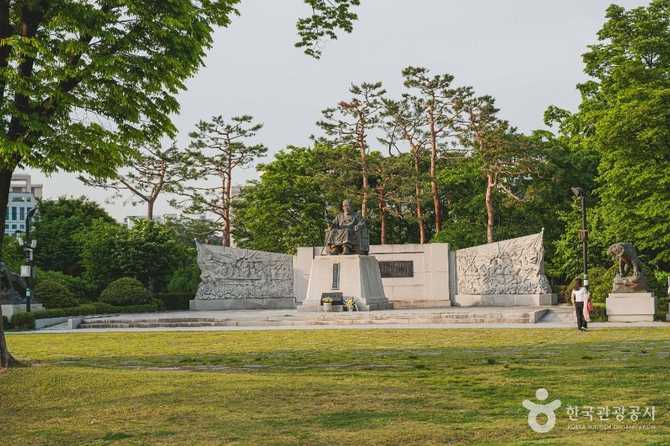
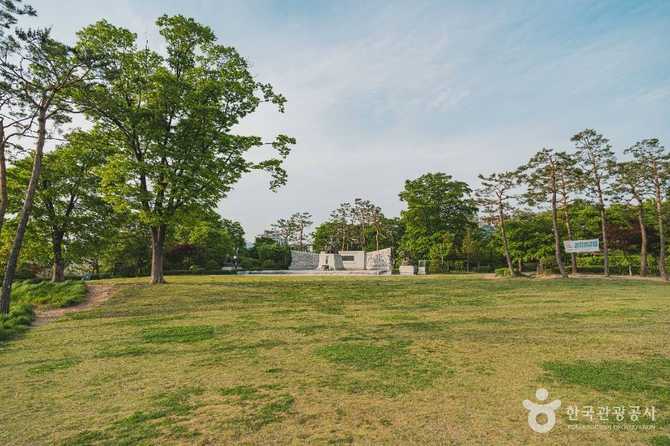
An: Visitors can enjoy scenic walks, take photographs, and reflect on Korea’s history. The area around the statue features well-maintained paths and landscaping, making it suitable for sightseeing and educational visits.
Q6: Why is the Lee Si-young statue considered an important cultural and historical site?
An: The statue serves as a symbol of Korea’s independence and patriotism, honoring Lee Si-young’s sacrifices. It plays a vital role in educating the public about Korea’s modern history and inspiring national pride.
Conclusion: Honoring Korea’s Independence Legacy Through the Statue of Lee Si-young
Visiting the statue of Lee Si-young in Namsan Park provides a meaningful opportunity to connect with Korea’s rich history of independence and patriotism. This monument not only commemorates the life and achievements of Korea’s first Vice President but also embodies the enduring spirit of resilience and sacrifice that defined Korea’s fight for sovereignty. As you stand before the statue, you are reminded of the countless heroes who dedicated their lives to securing Korea’s freedom from Japanese colonial rule. Their courage, vision, and unwavering commitment continue to inspire present and future generations.
Understanding the significance of this site enhances your appreciation of Korea’s modern history and the ongoing importance of patriotism and national pride. Whether you are a history enthusiast, a student, or a traveler exploring Seoul’s cultural landmarks, the statue offers a profound reflection on Korea’s journey toward independence. It serves as a symbol of hope, resilience, and the collective effort that shaped the nation’s identity. Visiting this important monument encourages us all to honor the sacrifices of those who fought for Korea’s sovereignty and to carry forward their legacy with pride and respect.