
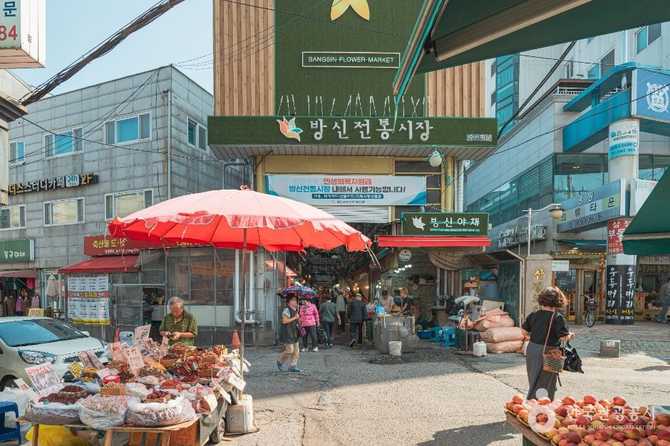
출처 : ⓒ한국관광콘텐츠랩 또는 ⓒ한국관광공사
Visit Banshin Traditional Market in Seoul: Your Guide to a Vibrant Korean Market Experience
Location 서울특별시 강서구 방화동로16길 31 (방화동)
Location 서울특별시 강서구 방화동로16길 31 (방화동)
Discover the charm of Banshin Traditional Market near Gimpo Airport, a lively hub where traditional Korean market atmosphere meets modern shopping and delicious local eats. Whether you’re a traveler seeking authentic experiences or a local looking for unique finds, this market offers a rich blend of culture, cuisine, and shopping.
In this comprehensive guide, you’ll find all the essential information about Banshin Traditional Market, including its location, operating hours, key features, transportation options, and tips for a smooth visit. From its nostalgic 80s vibe to its popular food stalls, this market is a must-visit destination in Seoul’s Gangseo District.
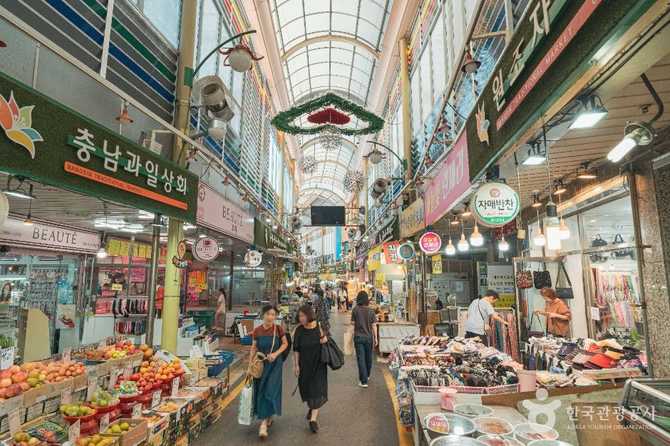
At a glance
- Who this is for
-
- Travelers wanting an authentic Korean market experience
- Food lovers eager to try local specialties
- Shoppers seeking unique souvenirs and traditional goods
- Visitors near Gimpo Airport looking for convenient shopping spots
- Key takeaways
-
- Approximately 123 stores offering diverse products
- Maintains nostalgic 1980s market atmosphere
- Popular for its famous pork feet (jokbal) eateries
- Accessible via nearby subway stations (Gyehwa-san and Sinbanghwa)
- Operating hours typically from 9 AM to 8 PM, with some variations
- Tips & cautions
-
- Check individual store hours and holidays before visiting
- Arrive early or plan for wait times at popular stalls
- Utilize public transportation due to limited parking
- Be mindful of market safety and cleanliness guidelines
- Bottom line
- Experience the vibrant blend of tradition and modernity at Banshin Traditional Market, a lively shopping destination in Seoul’s Gangseo District.
Welcome to our detailed guide on Banshin Traditional Market in Seoul’s Gangseo District. Located near Gimpo Airport, this bustling market is a favorite among locals and tourists alike for its lively atmosphere, traditional charm, and delicious street food. Whether you’re here to explore the nostalgic alleyways, hunt for unique souvenirs, or indulge in authentic Korean snacks, this market offers a comprehensive experience that captures the essence of Seoul’s vibrant street culture.
In the sections that follow, you’ll find practical information about how to get there, the market’s layout and key features, operating hours, popular food stalls, and helpful tips to make your visit enjoyable. From its origins in the 1980s to its modern-day popularity, Banshin Traditional Market continues to be a lively hub that preserves Korea’s traditional market spirit while offering modern conveniences. Prepare to immerse yourself in a colorful, bustling environment where tradition meets contemporary Korean life.
Market Overview & Key Features of Banshin Traditional Market
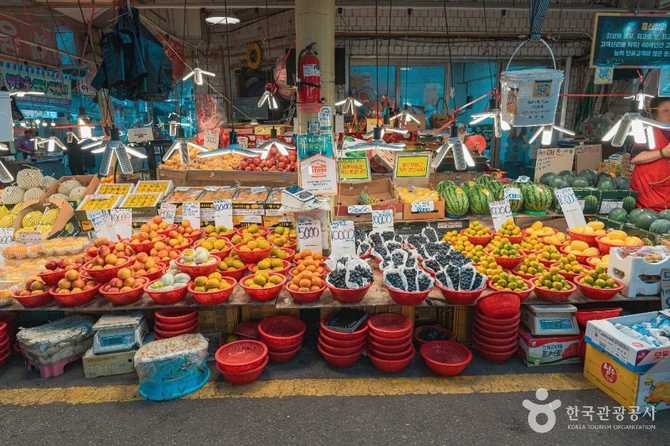
Banshin Traditional Market in Seoul’s Gangseo District is a vibrant and historic shopping destination that offers visitors an authentic Korean market experience. Located near Gimpo Airport, this market has been serving locals and tourists alike for over 80 years, maintaining its nostalgic atmosphere while adapting to modern needs. It features approximately 123 stores that sell a diverse range of products, from fresh produce and traditional Korean snacks to clothing and household goods.
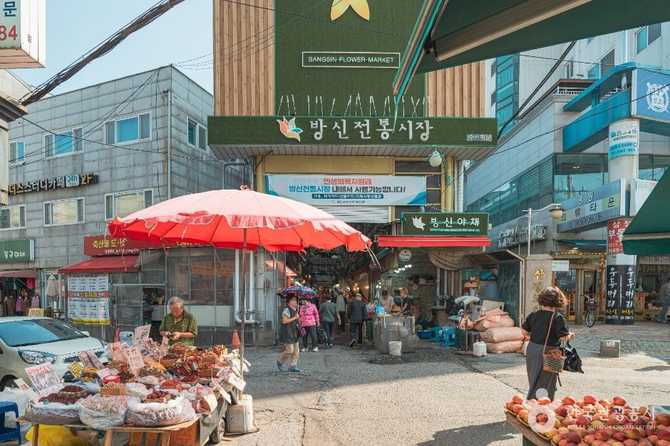
The market’s layout is characterized by a labyrinth of alleys, each lined with unique shops and food stalls. This structure encourages exploration and discovery, allowing visitors to stumble upon hidden gems and local favorites. One of the market’s most renowned attractions is its pork feet (jokbal) eateries, where long queues are common as people line up to enjoy the tender, flavorful dishes prepared with traditional recipes. The market retains the lively, bustling vibe of the 1980s, with vendors calling out to passersby and the aroma of freshly cooked street food filling the air.
Accessibility is excellent, thanks to its proximity to subway stations such as Gyehwa-san (Line 5) and Sinbanghwa (Line 9). Public transportation options make it easy for visitors to reach the market without hassle. For those arriving by car, limited parking is available nearby, but public transit remains the most convenient choice. Overall, Banshin Traditional Market is a perfect blend of tradition and modernity, offering a lively atmosphere, diverse shopping options, and delicious local cuisine, making it a must-visit in Seoul for anyone seeking an authentic Korean market experience.
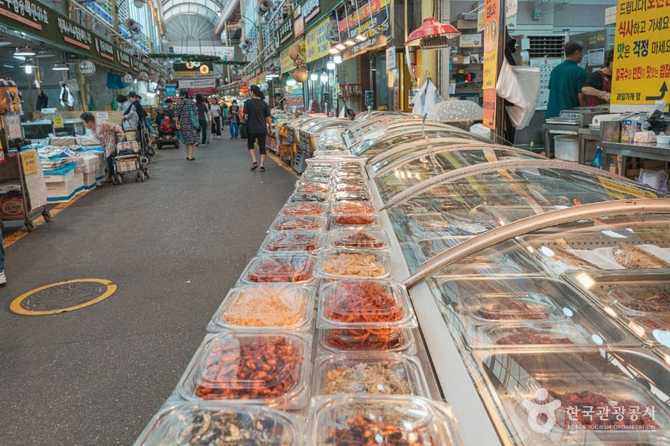
Market Comparison Table: Banshin Traditional Market Features
| Feature | Details |
|---|---|
| Number of Stores | Approximately 123 shops offering a wide variety of goods |
| Market Atmosphere | Maintains a nostalgic 1980s traditional market vibe with lively alleyways |
| Main Attractions | Famous jokbal (pork feet) restaurants, traditional snacks, and diverse street food |
| Accessibility | Close to Gyehwa-san (Line 5) and Sinbanghwa (Line 9) subway stations; limited parking available |
| Operating Hours | Generally from 9:00 AM to 8:00 PM; hours may vary by store |
| Market Layout | A network of alleys with shops and food stalls, encouraging exploration |
Checklist for Visiting Banshin Traditional Market
- Check operating hours and holidays: Verify each store’s hours before visiting, as they may differ.
- Plan your visit early: Arrive early to avoid crowds and secure seats at popular food stalls.
- Use public transportation: Subway stations Gyehwa-san (Line 5) and Sinbanghwa (Line 9) are nearby, and bus routes are accessible.
- Bring cash: Many small vendors prefer cash payments, so prepare some Korean won in advance.
- Explore the alleys: Take your time walking through the labyrinth of streets to discover hidden shops and local delicacies.
Popular Food Stalls & Must-Try Dishes at Banshin Traditional Market
Banshin Traditional Market is renowned for its vibrant street food scene, offering visitors a variety of authentic Korean snacks and dishes. Among the most celebrated offerings are its famous jokbal (pork feet), which draws long lines of eager diners. Beyond jokbal, the market boasts a rich selection of traditional treats and freshly prepared street foods that capture the essence of Korea’s culinary heritage. Exploring these food stalls provides a delightful journey into local flavors and culinary craftsmanship.
Below is a list of the most popular food stalls and must-try dishes you should not miss during your visit to Banshin Traditional Market:
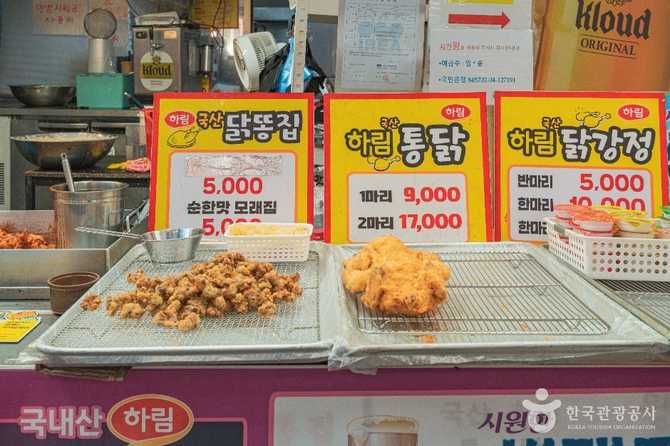
- Jokbal (Pork Feet) Stall: Known for its tender, flavorful jokbal, this stall often has queues as locals and tourists line up to enjoy the rich, savory meat seasoned with traditional spices. The meat is usually served with dipping sauces and fresh side vegetables.
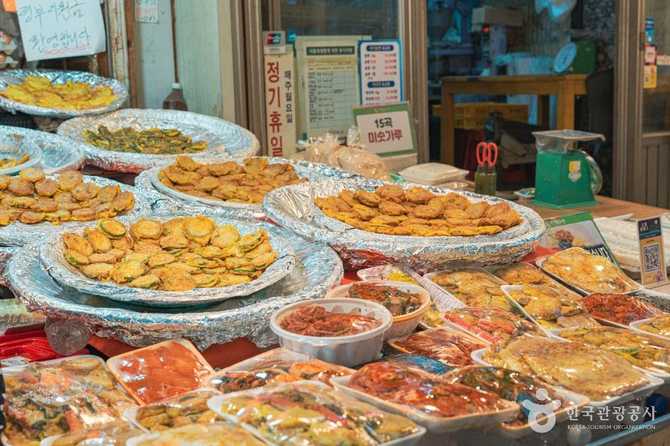
- Traditional Tteok (Korean Rice Cake) Stall: Offers a variety of chewy rice cakes coated with sweet or savory toppings, perfect for a quick snack while exploring the market alleys.
- Fried Snacks and Tempura: Stalls specializing in freshly fried items such as twigim (Korean tempura), including sweet potato, squid, and vegetable fritters, crispy and hot from the fryer.
- Hot Gimbap and Kimbap Rolls: Convenient and delicious, these seaweed rice rolls are filled with various ingredients like vegetables, ham, or fish cake, ideal for a portable meal.
- Street-Prepared Noodles and Guksu: Freshly cooked noodles served in broth or stir-fried, offering a warm, comforting taste of Korea’s noodle dishes.
- Traditional Korean Confectionery: Sweet treats such as yakgwa (honey cookies), hangwa (traditional sweets), and various rice-based desserts available at specialty stalls.
Visitor Tips & Important Notes for Enjoying Banshin Traditional Market
- Check operating hours and store holidays: Since individual vendors may have different schedules, verify opening times beforehand, especially for popular stalls.
- Arrive early or late: To avoid crowds and secure seats at in-demand food stalls, visiting early in the morning or later in the evening is recommended.
- Use public transportation: The market is easily accessible via nearby subway stations (Gyehwa-san on Line 5 and Sinbanghwa on Line 9). Bus routes also serve the area.
- Bring cash and small bills: Many vendors prefer cash payments, so prepare Korean won in advance to facilitate quick transactions.
- Explore the alleys thoroughly: Take your time walking through the maze of streets to discover hidden gems, unique shops, and lesser-known food stalls.
- Respect local customs and cleanliness: Keep the area tidy by disposing of trash properly and following market guidelines to ensure a pleasant experience for everyone.
- Plan for wait times: Popular food stalls, especially jokbal vendors, often have long queues. Patience and a relaxed attitude will help you enjoy the experience.
- Stay aware of your belongings: As with any crowded market, keep valuables secure and stay vigilant to prevent pickpocketing or loss.
Whether you visit during the day or evening, Visit Banshin Traditional Market in is a meaningful stop on any Seoul itinerary for history-minded travelers.
Frequently Asked Questions (FAQ)
Q1: How can I easily access Banshin Traditional Market via public transportation?
An: Banshin Traditional Market is conveniently accessible by subway, with nearby stations Gyehwa-san (Line 5) and Sinbanghwa (Line 9). Bus routes also serve the area, making it easy for visitors to reach the market without a car. The market is well-connected and within walking distance from these stations.
Q2: What are the main features that make Banshin Traditional Market unique?
An: The market maintains an authentic 1980s traditional atmosphere with a labyrinth of alleys and around 123 shops. It is famous for its jokbal (pork feet) restaurants, traditional street foods, and lively, bustling environment that reflects Korea’s vibrant market culture.
Q3: What are the typical operating hours of Banshin Traditional Market?
An: Most shops and food stalls operate from 9:00 AM to 8:00 PM, but hours may vary by individual store. It is advisable to check specific store hours before visiting, especially on weekends or public holidays when some may be closed.
Q4: Which foods are the most popular at Banshin Traditional Market?
An: The most popular dish is jokbal (pork feet), known for its tender and flavorful meat. Other favorites include traditional rice cakes (tteok), fried snacks like twigim, gimbap rolls, and various street foods such as noodles and traditional Korean sweets.
Q5: What should I keep in mind when visiting Banshin Traditional Market?
An: Check each store’s operating hours and holiday schedule in advance. Arrive early to avoid crowds and long lines at popular stalls. Use public transportation as parking is limited, and be mindful of safety and cleanliness guidelines within the market.
Q6: What kind of atmosphere can I expect at Banshin Traditional Market?
An: Visitors can enjoy a lively, nostalgic environment reminiscent of the 1980s, with bustling alleyways, call-out vendors, and the aroma of street foods. It offers a vibrant mix of traditional charm and modern shopping, perfect for experiencing local Korean market culture.
Final Tips for Visiting Banshin Traditional Market
Visiting 방신전통시장 offers an authentic glimpse into Korea’s vibrant street culture, blending traditional charm with lively modern-day shopping. To make the most of your trip, plan ahead by checking the operating hours of your preferred stalls and arriving early to beat the crowds, especially if you want to enjoy the popular jokbal (pork feet) eateries. Remember that many vendors prefer cash payments, so carrying some Korean won will help streamline your shopping experience. Utilizing public transportation is highly recommended, as the market is conveniently accessible via nearby subway stations, and parking may be limited. Take your time exploring the maze of alleys, as hidden gems and local favorites await discovery around every corner. Don’t forget to bring a map or navigation app to help you find your way through the bustling streets smoothly. With a little preparation, your visit to this lively traditional market will be both enjoyable and memorable, allowing you to immerse yourself in the rich flavors and vibrant atmosphere that make 방신전통시장 a must-visit destination in Seoul.