
출처 : ⓒ한국관광콘텐츠랩 또는 ⓒ한국관광공사
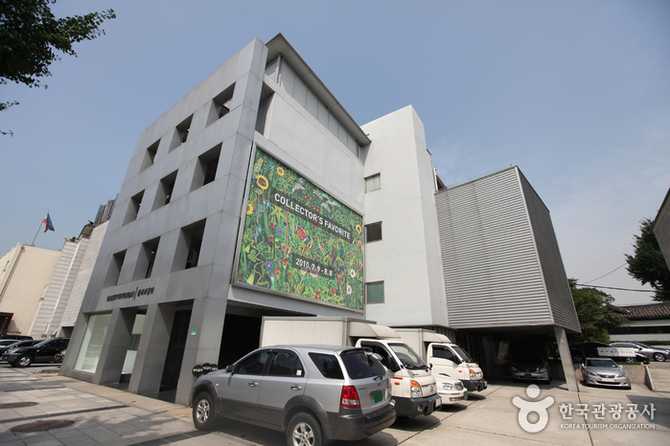
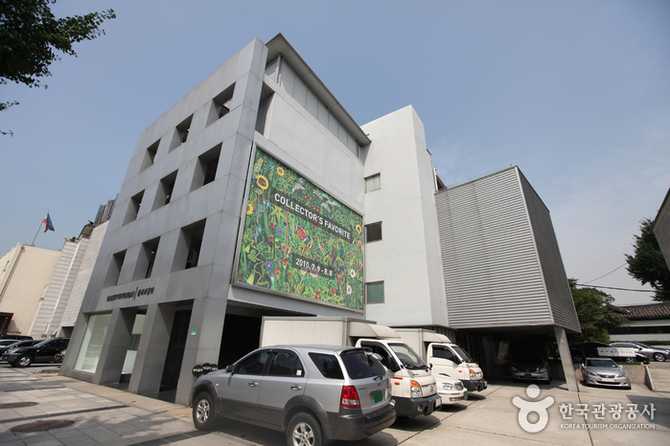
Gallery Hyundai: The Heart of Korean Modern Art and Global Exhibitions
Location 서울특별시 종로구 삼청로 14 (사간동)
Location 서울특별시 종로구 삼청로 14 (사간동)
Discover the rich history and international influence of Gallery Hyundai, a leading space for Korean modern art and global art fairs. Whether you’re an art enthusiast, a curator, or a visitor planning a gallery tour, understanding Gallery Hyundai’s legacy and current exhibitions can enhance your cultural experience in Seoul.
At a glance
- Who this is for
-
- Art lovers interested in Korean modern art
- Gallery visitors and cultural tour planners
- Art history researchers and students
- Artists and curators aiming to enter the international art scene
- Global art market participants
- Key takeaways
-
- Founded in 1973 as ‘Hyundai Gallery’ in Insadong, Seoul
- First Korean gallery to specialize in modern art and art trading
- Expanded with a new space in 1987, becoming a central hub for modern art
- Hosts exhibitions of renowned Korean and international artists
- Active participation in major international art fairs worldwide
- Tips & cautions
-
- Check the official website or contact the gallery for current exhibitions
- Some special exhibitions may require an entrance fee
- Gallery hours are from 10:00 AM to 6:00 PM; closed on Mondays and major holidays
- Parking is limited; public transportation is recommended
- Bottom line
- Gallery Hyundai is a vital cultural space that bridges Korea’s modern art history with the global art scene, offering inspiring exhibitions and international collaborations.
Gallery Hyundai stands as a cornerstone of Korea’s modern art movement, with a history dating back to 1973. Located in the heart of Seoul’s cultural district, it has played a pivotal role in showcasing Korean artists and integrating them into the international art market. This gallery not only hosts exhibitions of prominent Korean modern artists like Park Soo-keun, Lee Jung-seop, and Kim Whanki but also features works by renowned international figures such as Marc Chagall and Henry Moore. Over the decades, Gallery Hyundai has expanded its influence by actively participating in global art fairs, making Korean contemporary art accessible to a worldwide audience.
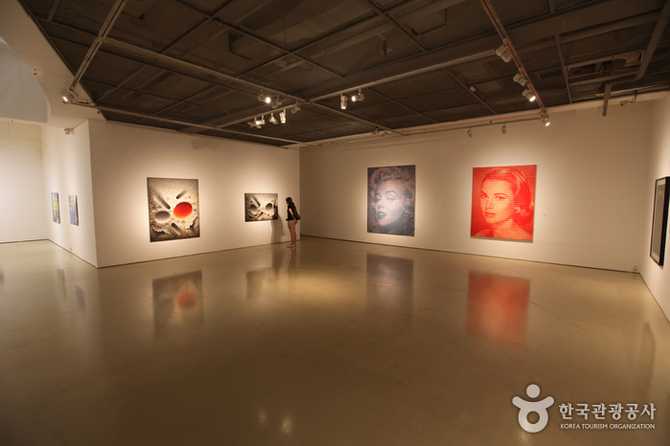
Understanding the evolution of Gallery Hyundai offers valuable insights into Korea’s modern art landscape. From its inception as Hyundai Gallery in Insadong, it was the first to combine art trading with exhibitions, setting a model for future galleries. Its 1987 relocation to a larger space further cemented its status as a leading venue for modern art in Korea. Visitors and art enthusiasts can explore a diverse range of exhibitions, from traditional Korean art to experimental contemporary works, with frequent participation in international art fairs such as Basel, Cologne, and Paris FIAC.
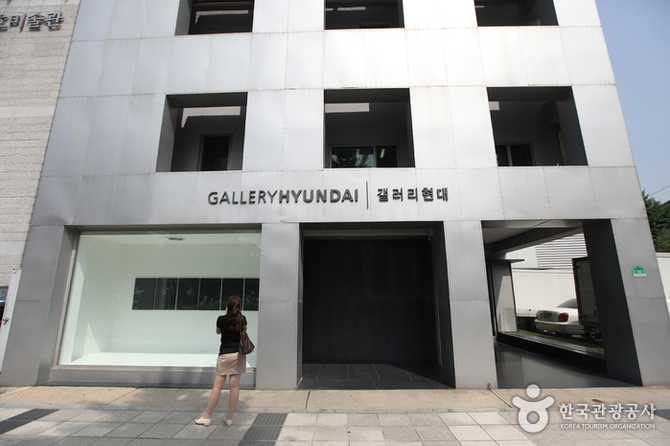
Whether you are planning a visit to Seoul’s art scene or seeking to understand Korea’s modern art history, Gallery Hyundai provides a comprehensive experience. Its strategic location near major attractions like Gyeongbokgung Palace and Insadong makes it accessible for tourists. The gallery’s commitment to showcasing both Korean and global artists makes it a must-visit destination for anyone interested in the dynamic world of contemporary art.
Gallery Hyundai’s History and Background
Gallery Hyundai stands as a cornerstone of Korea’s modern art scene, with a rich history that dates back to its founding in 1973. As a leading space dedicated to Korean contemporary art and international exhibitions, it has played a pivotal role in shaping the development of modern art in Korea. Located in the vibrant Insadong district of Seoul, Gallery Hyundai was originally established as ‘Hyundai Gallery’ and has continuously evolved to become a central hub for art lovers, artists, and collectors alike. The focus keyword, Gallery Hyundai, encapsulates its significance as a historic and influential institution in Korea’s art landscape.
The gallery was initially launched as Hyundai Gallery, marking Korea’s first specialized venue for modern art and art trading. Its pioneering approach combined exhibitions with art sales, which was a groundbreaking model at the time. This strategy helped to foster a vibrant market for contemporary Korean art, encouraging both domestic and international interest. Over the decades, Gallery Hyundai has hosted exhibitions of some of Korea’s most renowned artists, including Park Soo-keun, Lee Jung-seop, and Kim Whanki, alongside international luminaries such as Marc Chagall and Henry Moore.
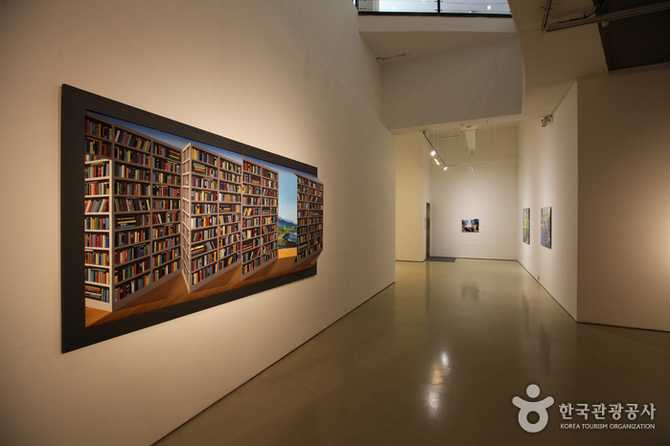
In 1987, the gallery expanded into a new, larger space, further solidifying its role as a key venue for modern art. This move allowed for more ambitious exhibitions and increased participation in global art fairs. Today, Gallery Hyundai continues to be a dynamic platform that bridges Korea’s modern art history with the international art community. It actively participates in major art fairs worldwide, including Basel, Cologne, and Paris FIAC, promoting Korean artists on the global stage. Its strategic location near major cultural sites like Gyeongbokgung Palace and Insadong makes it accessible for visitors eager to explore Korea’s vibrant art scene.
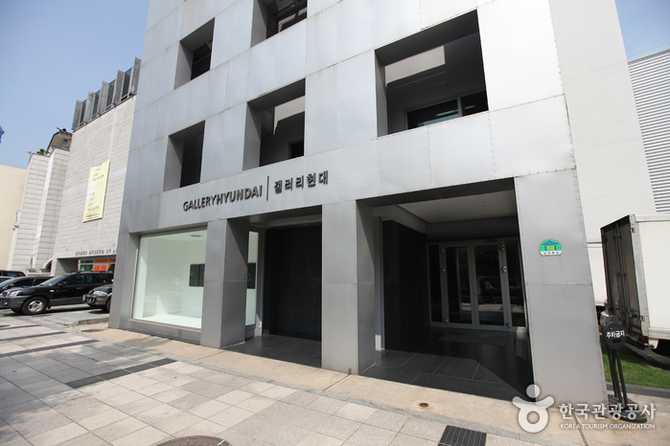
Overall, Gallery Hyundai’s historical significance and ongoing international engagement highlight its role as a leader in Korea’s modern art movement. Whether through its foundational exhibitions or its global collaborations, the gallery continues to influence and inspire the evolution of contemporary art in Korea and beyond.
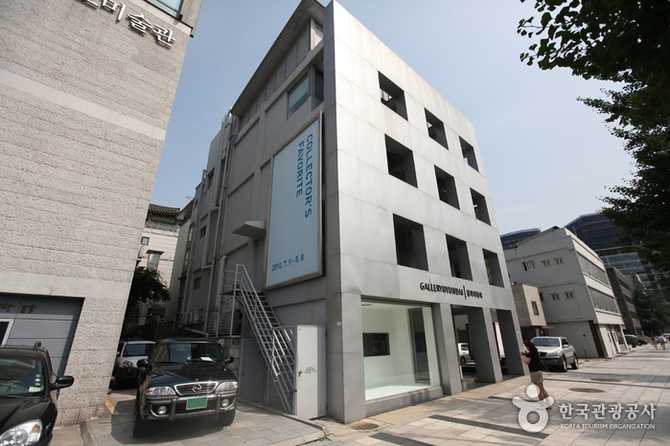
Comparison of Main Exhibitions and Featured Works at Gallery Hyundai
| Exhibition Type | Main Content | Remarks |
|---|---|---|
| Korean Contemporary Artists | Focus on leading Korean artists such as Park Soo-keun, Lee Jung-seop, and Kim Whanki through curated exhibitions and permanent collections. | Includes both traditional and experimental works, highlighting Korea’s modern art evolution. |
| International Artists | Features works by renowned international artists like Marc Chagall, Henry Moore, and others through special exhibitions. | Often paired with Korean artist shows to emphasize cross-cultural dialogue. |
| Experimental and Emerging Art | Supports young and emerging artists with experimental projects and new media art. | Frequent rotation to showcase fresh talent and innovative art forms. |
| Special Themed Exhibitions | Themed shows exploring specific topics such as Korean identity, global art trends, or historical retrospectives. | Usually held periodically, often in collaboration with other institutions. |
| Participation in International Art Fairs | Displays selected works at major fairs like Basel, Cologne, and FIAC to promote Korean art globally. | Enhances the gallery’s international profile and introduces Korean artists to a broader audience. |
International Engagement and Global Art Fair Participation Checklist
Before visiting Gallery Hyundai or engaging with its international activities, consider this checklist:
- Check the official Gallery Hyundai website for current and upcoming exhibitions.
- Verify participation in international art fairs such as Basel, Cologne, or FIAC.
- Review featured international artists and their works on display.
- Schedule your visit to coincide with special exhibitions or international events.
- Contact the gallery for details on collaborative projects or artist talks related to global exhibitions.
- Explore opportunities for purchasing or commissioning works through the gallery’s international channels.
Warning: Some international exhibitions or special events may require advance booking or entrance fees. Always confirm details beforehand to ensure a smooth experience.
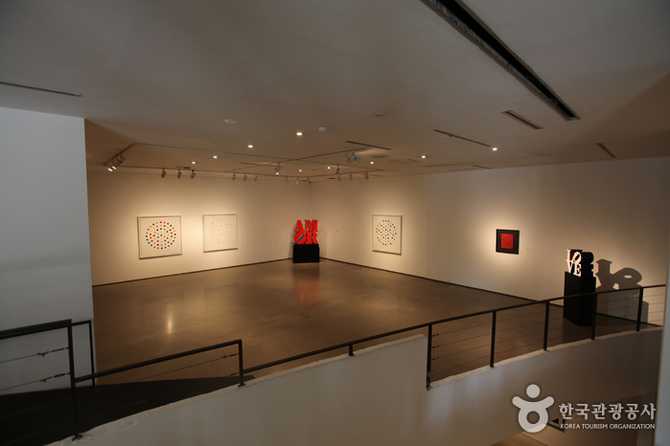
Location and Visitor Information for Gallery Hyundai
Gallery Hyundai is conveniently situated in the heart of Seoul, making it easily accessible for both local and international visitors. Its strategic location near key cultural landmarks allows for a seamless cultural experience. Whether you prefer public transportation or driving, planning your visit to this historic gallery is straightforward.
Directions and Transportation Options
- By Subway: Take Line 3 to either Anguk Station or Gyeongbokgung Station. From Anguk Station, Exit 4, walk approximately 10 minutes to the gallery. From Gyeongbokgung Station, Exit 2, it’s also about a 10-minute walk.
- By Bus: Several bus lines serve the area around Sagan-dong, including routes that stop near Gyeongbokgung Palace and Insadong. Check local bus schedules for the best options.
- By Car: If driving, you can park at nearby paid parking lots. Be sure to check parking availability in advance, especially during busy exhibition periods.
Gallery Location and Accessibility
| Address | Nearest Landmarks | Operating Hours | Closed On |
|---|---|---|---|
| 14 Samcheong-ro, Sagan-dong, Jongno-gu, Seoul | Near Gyeongbokgung Palace, Insadong, Bukaksan Mountain | 10:00 AM – 6:00 PM | Mondays and major Korean holidays |
Visitor Tips and Accessibility Notes
- Check the official website or contact the gallery: Before your visit, verify current exhibitions and any special events.
- Parking: Limited parking is available nearby; public transportation is recommended.
- Accessibility: The gallery is wheelchair accessible, with ramps and elevators.
- Visit Timing: To avoid crowds, consider visiting on weekdays or during off-peak hours.
- Visitor Guidelines: Refrain from bringing food or drinks into the exhibition halls to preserve artworks.
Frequently Asked Questions (FAQ)
Q1: When was Gallery Hyundai established?
Gallery Hyundai was founded in 1973 in Seoul’s Insadong district, originally under the name Hyundai Gallery. It has since grown to become a leading space for Korean modern art and international exhibitions.
Q2: What types of artworks are exhibited at Gallery Hyundai?
The gallery hosts works by prominent Korean modern artists such as Park Soo-keun, Lee Jung-seop, and Kim Whanki, along with international artists like Marc Chagall and Henry Moore. It features a mix of traditional, contemporary, and experimental art forms.
Q3: Does Gallery Hyundai participate in international art fairs?
Yes, Gallery Hyundai actively participates in major global art fairs such as Basel, Cologne, and FIAC to promote Korean artists and expand its international presence. It showcases selected works at these events to reach a broader audience.
Q4: Where is Gallery Hyundai located, and how can I get there?
Gallery Hyundai is located at 14 Samcheong-ro, Sagan-dong, Seoul. It is accessible via the subway, about a 10-minute walk from Anguk Station (Line 3) or Gyeongbokgung Station, and has nearby parking facilities.
Q5: What are the opening hours and visiting guidelines for Gallery Hyundai?
The gallery is open from 10:00 AM to 6:00 PM, closed on Mondays and major holidays. Visitors are advised to check for special exhibitions or events in advance and note that some exhibitions may require an entrance fee.
Q6: Is there an admission fee to visit Gallery Hyundai?
General admission to Gallery Hyundai is free, but certain special exhibitions or events may charge an entrance fee. It is recommended to verify details on the official website before your visit.
Final Tips for Visiting Gallery Hyundai
When planning your visit to Gallery Hyundai, it’s essential to prepare ahead to make the most of your experience. Be sure to check the official website or contact the gallery directly for the latest information on current exhibitions, opening hours, and any special events or temporary closures. Since some exhibitions may require an entrance fee, verifying this in advance can save you time and ensure a smooth visit. Arriving early or during weekdays can also help you avoid crowds and enjoy a more relaxed atmosphere. If you’re traveling from outside Seoul, consider nearby accommodations and transportation options, as the gallery’s central location makes it easy to combine with visits to other cultural sites like Gyeongbokgung Palace or Insadong. Remember that parking spaces are limited, so using public transportation—such as subway lines near Anguk or Gyeongbokgung stations—is highly recommended for convenience and ease. By planning ahead, you’ll be able to immerse yourself fully in Korea’s vibrant modern art scene and appreciate the rich history and contemporary works showcased at Gallery Hyundai. This experience will not only deepen your understanding of Korean modern art but also inspire your appreciation for international artistic exchanges, making your visit truly memorable and enriching.