
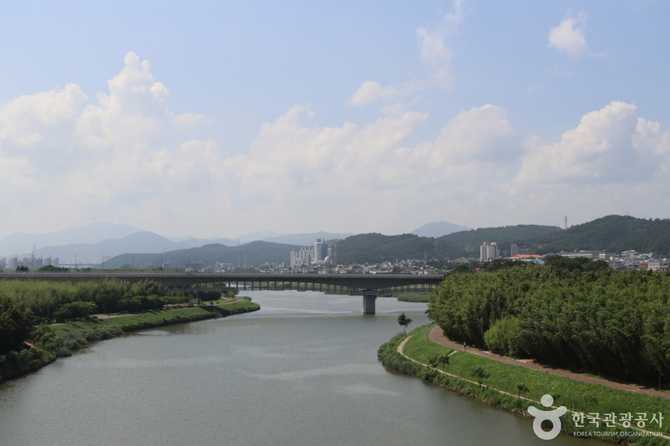
Explore Taehwagang National Garden: Ulsan’s Urban Eco-Park & Natural Retreat
Discover the beauty of Taehwagang National Garden, a vibrant ecological park nestled in the heart of Ulsan. Perfect for families, couples, and nature lovers, this urban green space offers a harmonious blend of natural scenery and cultural experiences, making it an ideal destination for relaxation and outdoor activities.
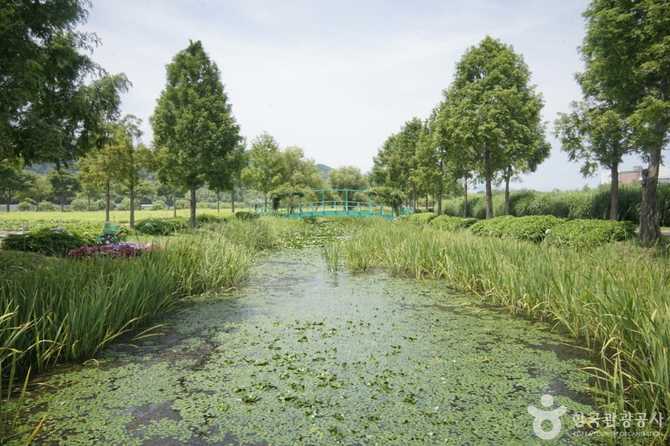
Whether you’re seeking a peaceful escape from city life, an educational experience, or a scenic walk along the Taehwagang River, Taehwagang National Garden provides a variety of programs and amenities to enrich your visit. Its extensive themed areas, including bamboo groves, seasonal landscapes, and aquatic habitats, showcase Korea’s rich biodiversity and natural beauty. Open year-round and free to access, this eco-park invites everyone to enjoy its tranquil environment and participate in engaging activities.
At a glance
- Who this is for
-
- Travelers exploring Ulsan’s natural attractions
- Families planning outdoor activities with children
- Nature enthusiasts seeking eco-friendly experiences
- Local residents looking for urban relaxation
- Culture and ecology lovers interested in themed landscapes
- Key takeaways
-
- Spanning over 835,000㎡ of ecological river area
- Features six themed zones: ecology, bamboo, seasons, aquatic, participatory, and mugunghwa (hibiscus)
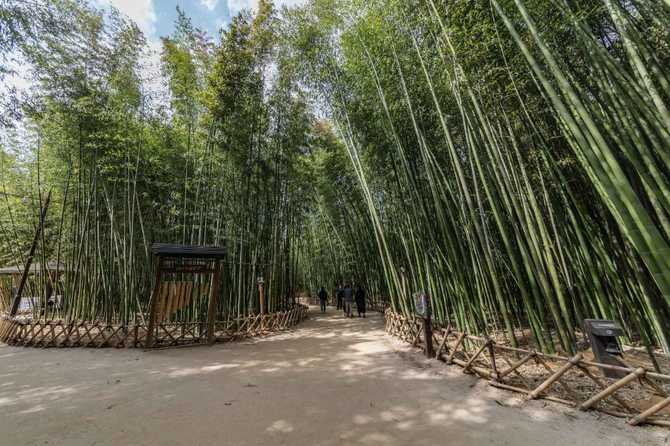
- Famous for the ten-mile bamboo forest and autumn foliage
- Open all year round with free admission
- Offers various experiential programs and visitor amenities
- Tips & cautions
-
- Use public transportation due to limited parking space
- Check program schedules and reserve in advance when possible
- Wear comfortable shoes and weather-appropriate clothing
- Respect natural surroundings by disposing of trash properly
- Visit during seasons of scenic foliage for optimal experience
- Bottom line
- Taehwagang National Garden is a must-visit eco-park in Ulsan that offers a perfect blend of nature, culture, and relaxation for all visitors.
Taehwagang National Garden in Ulsan is a splendid urban ecological park that beautifully combines natural landscapes with cultural elements. Located along the Taehwagang River, this park serves as a vital green space for city residents and tourists alike. It provides a peaceful environment for walking, learning about Korea’s native flora and fauna, and participating in eco-friendly activities. The park’s design emphasizes ecological preservation and environmental education, making it a meaningful visit for families, students, and anyone interested in Korea’s natural heritage.
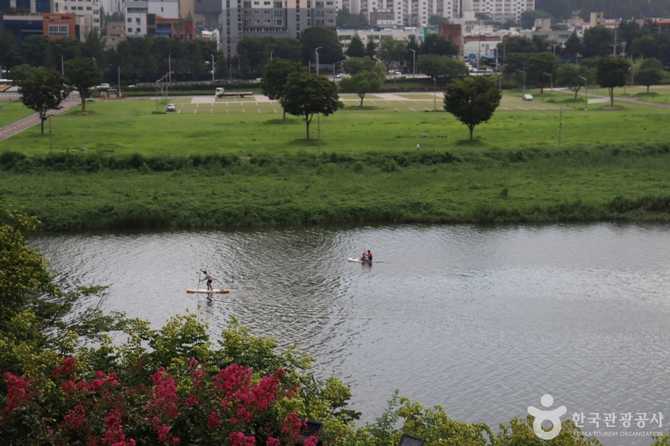
Within the park, visitors can explore themed zones such as the lush bamboo forest, seasonal flower gardens, and aquatic habitats, all designed to showcase the region’s biodiversity. Its extensive walking paths and scenic spots, especially during autumn when the leaves change color, make it a popular destination for photography and outdoor recreation. The park is accessible year-round, free of charge, and equipped with visitor facilities to enhance your experience. Whether you’re seeking a quiet place for reflection or an engaging outdoor adventure, Taehwagang National Garden offers a unique natural escape amidst the urban landscape of Ulsan.

Overview and Location of Taehwagang National Garden
Discover the natural beauty and cultural richness of Taehwagang National Garden, a premier urban ecological park situated in the heart of Ulsan. This expansive green space is designed to seamlessly blend Korea’s native flora, ecological preservation efforts, and recreational facilities, making it an ideal destination for visitors seeking relaxation, outdoor activities, and environmental education. Covering an area of approximately 835,452 square meters, Taehwagang National Garden is a vital natural retreat within the bustling city, providing a peaceful environment where visitors can connect with nature without leaving urban life behind.
Located along the scenic Taehwagang River, the park is easily accessible from various parts of Ulsan, with its main entrance at 샛강남길 5 (Taehwa-dong). Its strategic position allows visitors to enjoy a harmonious landscape of riverbanks, lush greenery, and themed zones that highlight Korea’s ecological diversity. The park’s design emphasizes ecological conservation, offering habitats for local wildlife and promoting environmental awareness among visitors.
Taehwagang National Garden is open year-round, welcoming families, couples, students, and nature lovers. Whether you’re interested in leisurely walks, cultural experiences, or educational programs, this eco-park caters to a wide range of interests. Its accessibility and free admission make it a popular choice for both locals and tourists exploring Ulsan’s natural and cultural attractions.

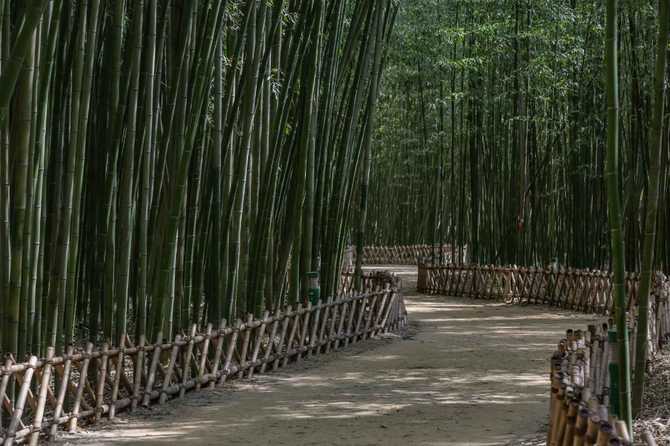
Visitors can enjoy various themed areas such as the bamboo grove, seasonal flower gardens, aquatic habitats, and participatory zones. The park also features scenic spots like the ten-mile bamboo forest and autumn foliage, which are especially popular during fall. The park’s commitment to ecological preservation and cultural engagement makes it a meaningful destination for those seeking both relaxation and learning opportunities in an environmentally friendly setting.
Comparison of Key Features and Themes at Taehwagang National Garden
| Feature | Details | Remarks |
|---|---|---|
| Area | Approximately 835,452㎡ | Spacious urban ecological park in Ulsan |
| Themes | Ecology, Bamboo, Seasons, Water, Participation, Mugunghwa (Hibiscus) | Diverse thematic zones for experiential learning |
| Main Attractions | Ten-mile bamboo forest, Autumn foliage, Scenic river views | Ideal for seasonal photography and nature walks |
| Accessibility | Open year-round, free entry | Accessible via public transportation; parking limited |
| Experience Programs | Garden planting, Eco-education, Cultural events | Reservations recommended for some activities |
Experiential Programs and Visitor Checklist at Taehwagang National Garden
- Participate in Garden-Making Activities: Join family-friendly workshops to create your own garden or plant native species. Check the schedule and reserve in advance for popular sessions.
- Attend Eco-Education Programs: Engage with environmental programs that teach about Korea’s native flora and fauna, sustainable practices, and ecological conservation.
- Explore Themed Zones: Walk through the ten-mile bamboo forest, enjoy seasonal flower gardens, and listen to natural sounds in the participation area.
- Participate in Cultural Events: Experience local traditions and seasonal festivals held within the park grounds.
- Visit the Mugunghwa (Hibiscus) Garden: Admire Korea’s national flower and learn about its cultural significance.
Tip: To maximize your experience, check the park’s official website or visitor center for the latest schedule of programs and book reservations early. Natural environments are best enjoyed quietly; avoid loud noises and respect wildlife during your visit.

- Preparation Tips: Wear comfortable walking shoes, weather-appropriate clothing, and bring water and sun protection.
- Important Notice: Parking is limited; use public transportation such as buses or taxis for convenience.
- Environmental Reminder: Dispose of trash properly and avoid damaging plants or disturbing wildlife to help preserve the park’s natural beauty.
Visitor Tips and Important Notes at Taehwagang National Garden
| Aspect | Guidance |
|---|---|
| Parking & Transportation | Parking facilities are limited; public transportation such as buses or taxis are recommended for easier access. |
| Opening Hours | Open 24 hours year-round; however, most experience programs and activities are held during daytime hours. |
| Environmental Conservation | Strictly follow rules against littering and damaging plants. Respect wildlife by keeping noise levels low. |
| Visitor Conduct | Enjoy the natural environment quietly, avoid loud noises, and refrain from disturbing animals or damaging vegetation. |
| Weather & Clothing | Check weather forecasts before your visit. Wear comfortable shoes, weather-appropriate clothing, and bring sun protection and water. |
Nearby Attractions and Travel Checklist for Taehwagang National Garden
- Visit Historical and Cultural Sites: Explore nearby attractions such as Taehwaru Pavilion and Donggul Cave for cultural insights and scenic views.
- Explore Ulsan’s Scenic Spots: Head to Daewangam Park for coastal views, or walk along the scenic Ulsan Taehwa River promenade.
- Experience Local Nature: Take a short trip to Bangeojin Beach or the scenic ridges of Shinsedae Mountain for additional outdoor activities.
- Check Transportation Options: Use buses, taxis, or rental cars to reach these sites conveniently. Confirm opening hours and accessibility beforehand.
- Prepare for Your Visit: Pack essentials such as comfortable shoes, weather-appropriate clothing, sun protection, water, and a camera for capturing scenic moments.
Travel Checklist:
- Confirm transportation options and routes to Taehwagang National Garden and nearby attractions.
- Check weather forecast and prepare suitable clothing and gear.
- Reserve any experience programs or guided tours in advance if available.
- Bring essentials such as water, snacks, sun protection, and comfortable footwear.
- Plan your itinerary to include nearby cultural and scenic spots for a full day of exploration.
Whether you visit during the day or evening, Explore Taehwagang National Garden is a meaningful stop on any Seoul itinerary for history-minded travelers.

Frequently Asked Questions (FAQ)
Q1: Where is Taehwagang National Garden located in Ulsan?
Taehwagang National Garden is situated along the Taehwagang River in Ulsan, with its main entrance at 샛강남길 5 (Taehwa-dong). It spans across the districts of Jung-gu and Nam-gu, offering easy access from various parts of the city.
Q2: What are the main themes and features of Taehwagang National Garden?
The park features six thematic zones: ecology, bamboo, seasons, water, participation, and mugunghwa (hibiscus). Notable attractions include the ten-mile bamboo forest, seasonal flower gardens, and aquatic habitats, providing diverse natural experiences.

Q3: Is Taehwagang National Garden free to visit?
Yes, the park is open year-round with free admission for all visitors. It offers various programs and amenities without any entrance fee, making it accessible to everyone.
Q4: What types of experiential programs are available at Taehwagang National Garden?
Visitors can participate in garden-making workshops, eco-education programs, cultural events, and explore themed zones like the bamboo forest and participation areas. Reservations are recommended for certain activities, especially during peak times.
Q5: How can I get to Taehwagang National Garden using public transportation?
The park is accessible via buses and taxis, as parking is limited. It is recommended to use public transit for convenience and to avoid parking issues, especially during busy seasons.
Q6: When is the best time to visit Taehwagang National Garden?
The ideal visiting periods are during autumn for the colorful foliage and during spring for blooming flowers. However, the park is enjoyable year-round, with each season offering unique natural scenery.
Final Tips for Visiting Taehwagang National Garden
Planning your visit to Taehwagang National Garden ensures a more enjoyable and meaningful experience. To make the most of your trip, consider visiting during the spring or autumn seasons when the park’s natural beauty is at its peak, with vibrant blossoms or colorful fall foliage. Remember that the park is open year-round, free of charge, but scheduling your visit during daylight hours will allow you to fully enjoy the outdoor activities and scenic views.
Since parking space is limited, using public transportation such as buses or taxis is highly recommended. The park’s main entrance at 샛강남길 5 (Taehwa-dong) is easily accessible via Ulsan’s bus routes, making your journey hassle-free. Be sure to check the weather forecast before your visit and dress comfortably with suitable footwear, as many of the attractions involve walking along natural trails.
Respect the environment by disposing of trash properly and refraining from damaging plants or disturbing wildlife. Participating in eco-friendly practices helps preserve the park’s beauty for future visitors. Whether you’re seeking a peaceful walk, engaging in educational programs, or simply enjoying the serenity of nature, Taehwagang National Garden offers a restorative escape within the city of Ulsan. By planning ahead and respecting the natural surroundings, you’ll ensure a memorable visit that highlights Korea’s rich ecological and cultural heritage.