
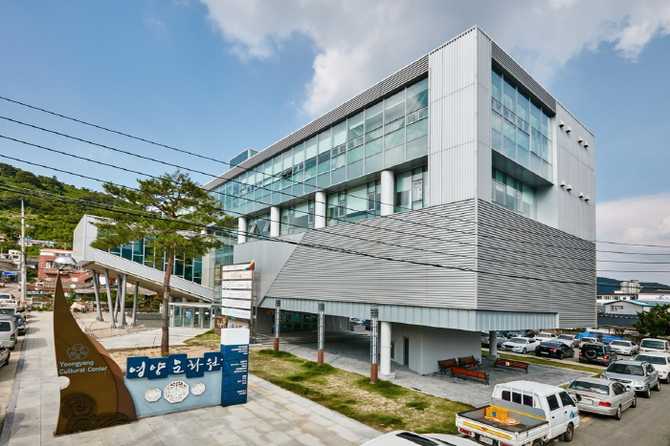
Explore Gyeongsangbuk-do Yeongyang Cultural Center: A Hub of Tradition and Nature
Discover the rich cultural heritage and stunning natural scenery at the Yeongyang Cultural Center in Gyeongsangbuk-do, Korea. Whether you’re interested in traditional Korean arts, historical sites, or immersive cultural experiences, this center offers a unique window into Korea’s past and its beautiful landscape. From historic gardens and ancient texts to engaging cultural programs, visiting the Yeongyang Cultural Center provides a meaningful journey into Korea’s vibrant local culture and natural environment.
Planning your visit to the Yeongyang Cultural Center? This guide will help you understand what makes this place special, including key highlights, facilities, and practical tips to ensure a smooth and enjoyable experience. Whether you’re a history enthusiast, a family looking for cultural activities, or a traveler eager to explore Korea’s natural beauty intertwined with its traditions, this cultural space is a must-visit destination in the Yeongyang region.
At a Glance
- Who this is for
-
- Travelers interested in Korean history and culture
- Families seeking cultural activities and experiences
- History and nature enthusiasts visiting Gyeongsangbuk-do
- Culture lovers wanting traditional arts and crafts
- Key takeaways
-
- Home to Korea’s first Hangul cookbook, Eumshik Dimibang
- Features historic gardens like Seokseokji and scenic birch forests
- Offers diverse cultural programs including calligraphy and traditional music
- Facilities include a small cinema, calligraphy room, and lecture halls
- Open from 9:00 AM to 6:00 PM, closed on weekends and holidays
- Tips & cautions
-
- Check the official website or call ahead for special events
- Arrive early to avoid parking congestion on weekends
- Respect natural and cultural preservation rules during your visit
- Use public transportation when possible to reduce environmental impact
- Bottom line
- Yeongyang Cultural Center is a must-visit destination that beautifully combines Korea’s natural beauty with its rich cultural heritage.
Located in the scenic region of Gyeongsangbuk-do, the Yeongyang Cultural Center is a vibrant hub where visitors can immerse themselves in Korea’s traditional arts, explore historic sites, and enjoy the pristine natural environment. The center showcases Korea’s earliest Hangul cookbook, Eumshik Dimibang, and preserves the historic Seokseokji Garden, one of the Joseon Dynasty’s three great gardens. Surrounded by a picturesque birch forest and lush landscapes, this cultural space is designed to provide a holistic experience of Korea’s history and nature.
Beyond its historical exhibits, the Yeongyang Cultural Center offers a variety of cultural programs such as calligraphy classes, traditional music performances, and craft workshops, making it an ideal destination for families, cultural enthusiasts, and travelers seeking authentic Korean experiences. The center’s facilities include a small cinema, a dedicated calligraphy room, and lecture halls for various cultural events. Its convenient location, combined with scenic surroundings, makes it a perfect stop for those exploring the Yeongyang region and wanting to deepen their understanding of Korean heritage.

Yeongyang Cultural Center Overview and Location
Nestled in the scenic Gyeongsangbuk-do province, the Yeongyang Cultural Center stands out as a premier destination for visitors seeking to experience Korea’s rich cultural heritage and natural beauty. This cultural space seamlessly combines historical preservation with engaging cultural activities, making it an ideal spot for travelers interested in Korea’s traditional arts, historical sites, and scenic landscapes. The center’s strategic location in Yeongyang-gun offers easy access to some of the region’s most treasured natural and historical landmarks, including the historic Seokseokji Garden and the lush birch forests that surround the area.
The Yeongyang Cultural Center is dedicated to showcasing Korea’s earliest contributions to culinary arts through the display of the Food Dimibang, Korea’s first Hangul cookbook. Visitors can also explore the beautifully preserved Seokseokji Garden, one of the three major gardens from the Joseon Dynasty, which offers a glimpse into traditional Korean garden design. The center’s location makes it a convenient stop for those traveling through Gyeongsangbuk-do, providing a tranquil environment where natural scenery and cultural history intertwine.
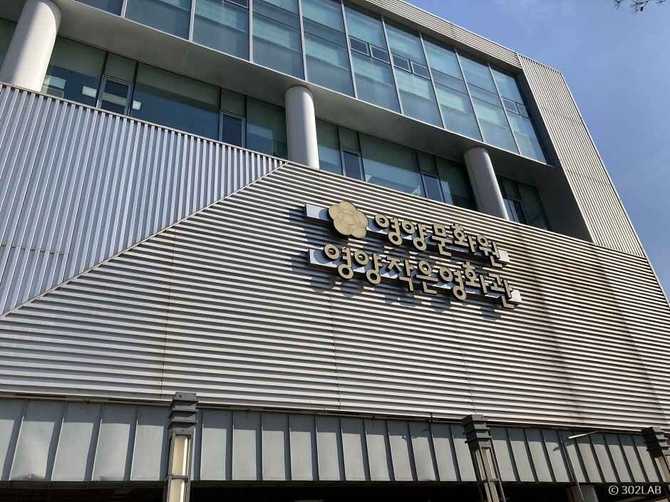
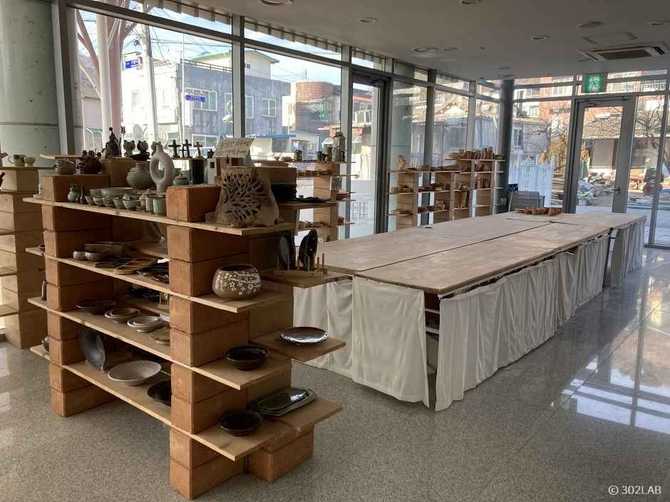
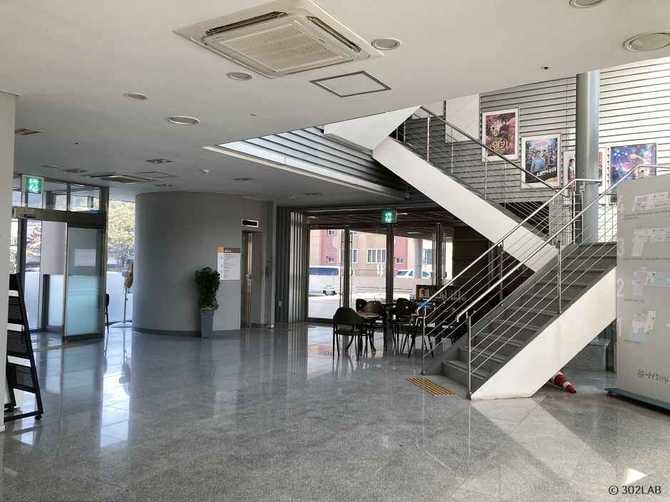
In addition to its historical exhibits, the Yeongyang Cultural Center hosts a variety of cultural programs, including calligraphy classes, traditional music performances, and craft workshops. Its facilities include a small cinema, a dedicated calligraphy room, and lecture halls that serve as venues for cultural events and educational activities. The center’s architecture and landscape design emphasize harmony with nature, allowing visitors to enjoy scenic strolls along natural pathways and through the birch forests, making it a perfect destination for families, cultural enthusiasts, and travelers eager to deepen their understanding of Korea’s traditions and natural environment.
Comparison of Main Exhibits and Cultural Experiences at Yeongyang Cultural Center
| Exhibit / Program | Details | Remarks |
|---|---|---|
| Korean First Hangul Cookery Book | Displays the historic Food Dimibang, Korea’s earliest Hangul cookbook, showcasing traditional Korean recipes and culinary history. | Permanent exhibit; includes interactive displays and explanatory panels. |
| Seokseokji Garden | A restored traditional garden from the Joseon Dynasty, featuring classical Korean landscape design with pavilions, ponds, and walking paths. | Open year-round; ideal for leisurely walks and photography. |
| Natural Scenery | Surrounding birch forests and natural landscapes provide scenic views and walking trails. | Perfect for nature lovers and outdoor activities. |
| Cultural Programs | Includes calligraphy, traditional music, craft workshops, and special performances held throughout the year. | Activities are often seasonal; check schedule in advance. |
| Facilities | Small cinema, calligraphy room, lecture halls, and exhibition spaces. | Designed to support educational and cultural activities. |
Facilities and Visitor Amenities at Yeongyang Cultural Center
- Exhibition Spaces: Multiple dedicated areas including a permanent exhibit hall for Korea’s first Hangul cookery book and special exhibition rooms for temporary displays.
- Cultural Activity Rooms: Rooms for calligraphy, traditional music, and craft workshops, equipped with necessary tools and materials.
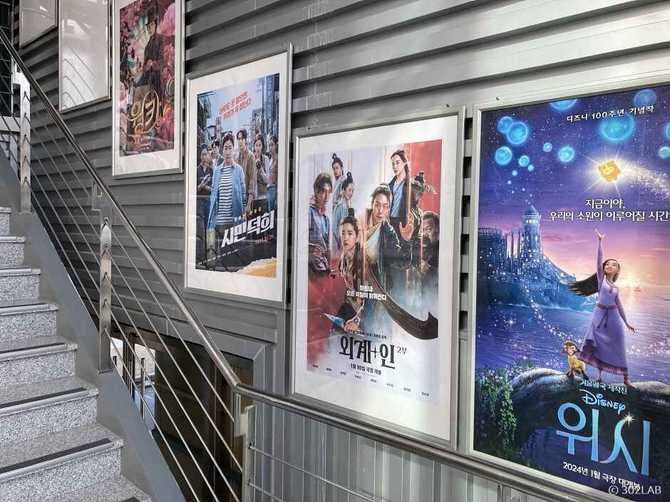
- Auditorium and Small Cinema: A cozy theater space for cultural performances, documentaries, and educational films related to Korean heritage.
- Natural Pathways: Scenic walking trails through birch forests and around Seokseokji Garden, ideal for outdoor relaxation and photography.
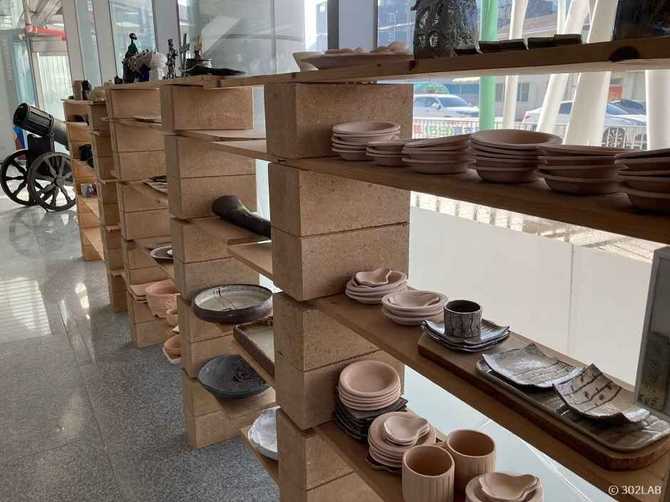
- Visitor Amenities: Well-maintained restrooms, a small café, and a gift shop selling traditional crafts and souvenirs.
- Parking: Ample parking lot available, but it can become crowded during peak times or weekends.
- Transportation: Public buses and taxis serve the area; using public transportation is recommended to avoid parking issues.
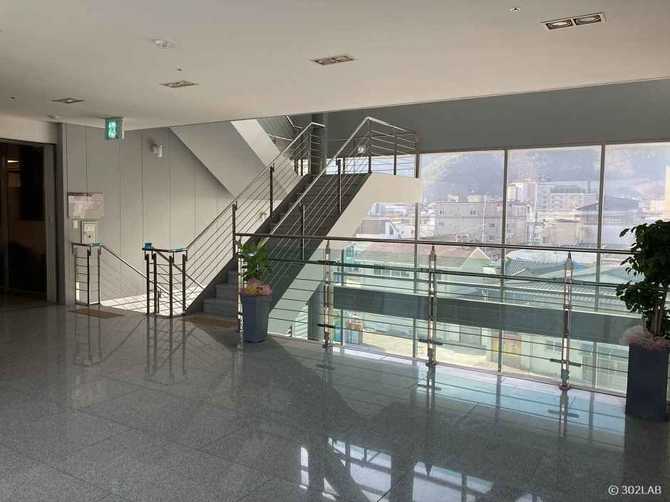
- Accessibility: Facilities are wheelchair accessible, with ramps and accessible restrooms.
- Best Visiting Hours: Open from 9:00 AM to 6:00 PM; plan to arrive early for a full experience.
Visiting Tips and Practical Information for Yeongyang Cultural Center
- Check Operating Hours: The center operates from 9:00 AM to 6:00 PM. Arrive early to maximize your visit and avoid last-minute rush.
- Verify Special Events: Before your visit, visit the official website or contact the center by phone to confirm any ongoing or upcoming exhibitions, cultural programs, or special events.
- Plan Transportation: While parking is available, it can be crowded during weekends and holidays. Using public transportation such as buses or taxis is highly recommended.
- Review Exhibition Schedules: Check the schedule for temporary exhibitions or workshops to ensure participation in your areas of interest.
- Prepare for Outdoor Activities: Wear comfortable shoes and appropriate clothing for scenic walks along natural pathways and gardens.
- Respect Rules and Regulations: Follow the guidelines for preserving exhibits and natural surroundings, including no smoking and no littering.
- Accessibility: Facilities are wheelchair accessible, with ramps and accessible restrooms. If needed, inquire about specific accommodations in advance.
Essential Checklist for Visiting Yeongyang Cultural Center
- ✔ Confirm operating hours (9:00 AM – 6:00 PM) and holiday closures
- ✔ Check the official website or contact the center for current exhibitions and events
- ✔ Plan transportation, considering public transit options to avoid parking congestion
- ✔ Review the schedule for cultural programs or workshops you wish to participate in
- ✔ Dress comfortably for outdoor walks and natural scenery exploration
- ✔ Bring necessary items such as water, sun protection, and personal identification
- ✔ Respect the natural environment and exhibit preservation rules during your visit
- ✔ Prepare for accessibility needs if required, by contacting the center in advance
Whether you visit during the day or evening, Explore Gyeongsangbuk is a meaningful stop on any Seoul itinerary for history-minded travelers.
Frequently Asked Questions (FAQ)
Q1: What are the main attractions at Yeongyang Cultural Center?
The center features Korea’s first Hangul cookery book, Food Dimibang, and the historic Seokseokji Garden from the Joseon Dynasty. It also offers scenic natural landscapes, traditional cultural programs, and outdoor walking trails through birch forests.
Q2: What cultural experiences can visitors participate in at Yeongyang Cultural Center?
Visitors can engage in calligraphy classes, traditional music performances, craft workshops, and special cultural events held throughout the year. These programs aim to promote Korea’s traditional arts and crafts.
Q3: What are the opening hours and days of operation for Yeongyang Cultural Center?
The center is open from 9:00 AM to 6:00 PM, Monday through Friday. It is closed on weekends, public holidays, and during certain special events, so it’s advisable to check the schedule before visiting.
Q4: How can I get to Yeongyang Cultural Center using public transportation?
The center is accessible by local buses and taxis from nearby areas. Public transportation is recommended, especially on weekends or holidays, to avoid parking congestion and enjoy a hassle-free visit.
Q5: Are there facilities and amenities available for visitors at Yeongyang Cultural Center?
Yes, the center provides restrooms, a small café, a gift shop, and multiple exhibition and activity rooms. It also has wheelchair-accessible ramps and restrooms to accommodate all visitors.
Q6: Is there any fee to enter Yeongyang Cultural Center?
Admission to the main exhibits is generally free, but some special programs, workshops, or performances may require a fee. It’s best to check the official website or contact the center in advance for detailed information.
Final Tips for Visiting Yeongyang Cultural Center
A visit to Yeongyang Cultural Center offers a unique opportunity to immerse yourself in Korea’s rich cultural heritage and stunning natural scenery. To make the most of your experience, it is highly recommended to plan ahead by checking the official website or making a quick phone call to confirm current opening hours and any special events or exhibitions. Remember that the center is closed on weekends and public holidays, so scheduling your visit on a weekday can help ensure a smoother experience.
Arriving early, around opening time at 9:00 AM, allows you to enjoy the exhibits and outdoor areas without the crowd and provides ample time to explore the historic gardens, traditional architecture, and scenic walking trails. If you’re interested in participating in cultural programs such as calligraphy or traditional music workshops, it’s best to check the schedule in advance and arrive prepared. Parking is available, but it can fill up quickly during peak times, so using public transportation like buses or taxis is often more convenient and eco-friendly.
Respect for the natural environment and cultural heritage is important during your visit. Follow the guidelines provided by staff, stay on designated paths, and handle exhibits carefully. With proper planning and a respectful attitude, your visit to Yeongyang Cultural Center will be a meaningful and memorable experience, allowing you to deepen your understanding of Korea’s history, art, and natural beauty. This cultural space truly embodies the harmony of tradition and nature, making it a must-visit destination for anyone exploring Gyeongsangbuk-do.