
Discover Jeilwol Mountain: Top Natural and Cultural Attractions in Korea
Are you looking for an unforgettable outdoor experience that combines stunning natural scenery with rich historical heritage? Jeilwol Mountain in Gyeongbuk offers just that—an ideal destination for travelers eager to explore Korea’s scenic landscapes and cultural treasures.
Jeilwol Mountain, standing at 1,219 meters, is renowned for its majestic mountain profile, panoramic views of the East Sea and Ulleung Island, and its historical significance. Whether you’re a nature lover, history enthusiast, or cultural explorer, this mountain provides a perfect blend of natural beauty and historical depth. From breathtaking sunrises to serene temple visits, Jeilwol Mountain promises a memorable journey.
At a glance
- Who this is for
-
- Travelers seeking scenic mountain hikes and nature experiences
- History and culture enthusiasts interested in Korea’s heritage sites
- Visitors exploring Gyeongbuk’s top attractions
- Anyone looking for a peaceful retreat in nature
- Key takeaways
-
- Height: 1,219 meters with impressive mountain terrain
- Features: Flat summit area, scenic views of the East Sea and Ulleung Island
- Historical sites: Cheonchuksa Temple, Hwangssi Buin-dang, and more
- Historical significance: Site of independence movements and patriotic activities
- Accessibility: Open year-round with free entry and parking
- Tips & cautions
-
- Prepare appropriate hiking gear and safety equipment
- Check weather conditions before your visit
- Respect cultural sites and natural environment
- Visit during sunrise or sunset for the best views
- Bottom line
- Jeilwol Mountain offers a perfect combination of natural beauty and historical depth, making it a must-visit destination in Korea.
Welcome to our comprehensive guide on Jeilwol Mountain, the majestic peak nestled in Gyeongbuk, Korea. This mountain is not only a natural wonder but also a historical landmark that embodies Korea’s cultural heritage. Whether you’re planning a day hike, a cultural exploration, or simply seeking a tranquil escape into nature, Jeilwol Mountain provides an ideal setting.
In this guide, we will explore the mountain’s stunning natural scenery, its significant historical sites, and practical tips for visiting. From the mountain’s impressive elevation to its scenic views of the East Sea and Ulleung Island, you will learn everything needed to plan your perfect trip. Discover the cultural treasures like Cheonchuksa Temple and Hwangssi Buin-dang, which connect visitors with Korea’s rich spiritual and historical traditions. Whether you are a seasoned hiker or a curious traveler, Jeilwol Mountain promises an enriching experience that combines nature and history seamlessly.
Jeilwol Mountain Overview and Natural Scenery
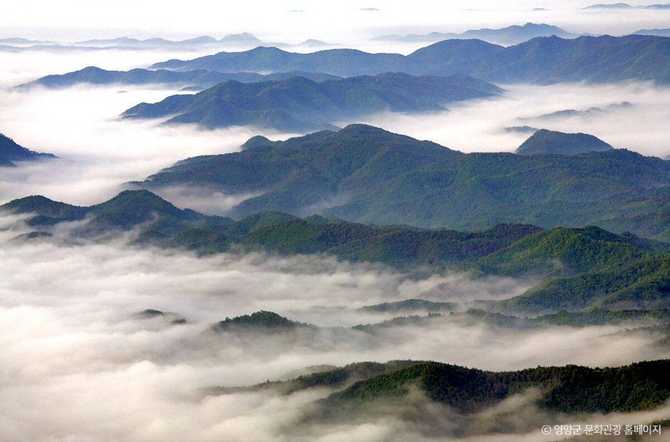
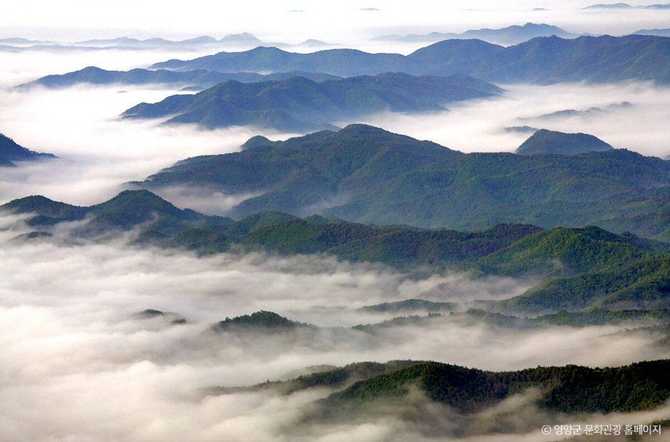
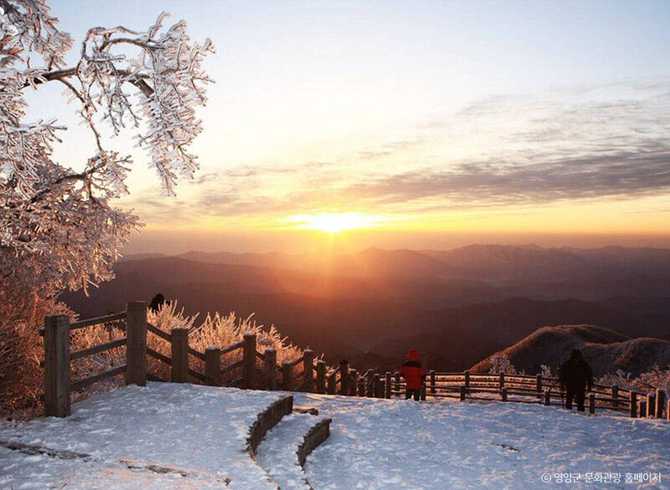
Jeilwol Mountain, located in Gyeongbuk, Korea, stands at 1,219 meters and is celebrated for its breathtaking natural scenery and harmonious blend of cultural heritage. As one of the most prominent mountains in the region, it offers visitors a chance to immerse themselves in Korea’s scenic landscapes while exploring its rich history. The mountain’s name, meaning “First Moon,” reflects its stunning sunrises and moonlit views, which attract countless hikers and nature lovers throughout the year. The mountain’s terrain features a flat summit area, making it accessible for various levels of hikers, and providing panoramic views of the East Sea and Ulleung Island on clear days.
The natural beauty of Jeilwol Mountain is characterized by its lush forests, diverse flora and fauna, and scenic trails that wind through the landscape. The mountain’s unique topography, with its expansive, flat summit, allows for unobstructed views and a peaceful atmosphere. Visitors can enjoy sunrise vistas from the peak, which are considered some of the most beautiful in Korea, especially during the early mornings of spring and autumn. The mountain also features several notable peaks, including Iljabang and Woljabang, which add to its scenic charm.
Besides its natural allure, Jeilwol Mountain holds significant cultural and historical importance. The area is home to ancient temples such as Cheonchuksa and Yonghwa-sa, which have been preserved as cultural heritage sites. These temples offer a glimpse into Korea’s spiritual traditions and serve as tranquil spots for reflection. The mountain has also been a site for patriotic activities and independence movements, adding layers of historical meaning to its scenic landscape. Whether you are interested in hiking, photography, or exploring Korea’s cultural roots, Jeilwol Mountain provides an enriching experience that combines natural beauty with historical depth.
Comparison of Key Cultural Heritage Sites on Jeilwol Mountain
| Heritage Site | Description | Significance |
|---|---|---|
| Cheonchuksa Temple | An ancient Buddhist temple located near the summit, known for its serene atmosphere and historical architecture. | Designated as a cultural heritage site, it reflects Korea’s spiritual history and traditional temple architecture. |
| Hwangssi Buin-dang | A historic pavilion built during the Joseon Dynasty, associated with local legends and cultural traditions. | Represents Korea’s architectural style and cultural practices related to local aristocracy. |
| Yonghwa-sa Temple | A significant Buddhist temple with scenic surroundings, known for its meditation halls and natural beauty. | Designated as a cultural asset, it continues to serve as a spiritual center and historical monument. |
Tourist Information and Visiting Tips for Jeilwol Mountain
- Preparation: Wear sturdy hiking shoes, bring sufficient water and snacks, and pack weather-appropriate clothing such as rain jackets or sun protection.
- Timing: Visit during sunrise or sunset for the most spectacular views. Spring and autumn offer particularly scenic landscapes with blooming flowers or colorful foliage.
- Accessibility: The mountain is open year-round with free access. Parking facilities are available near the trailheads, making it convenient for visitors to start their hike.
- Safety Tips: Always check weather forecasts before hiking, stay on designated trails, and carry a map or GPS device. Do not venture into restricted areas.
By following these tips, you can ensure a safe and enjoyable visit to Jeilwol Mountain, where natural beauty and cultural heritage come together for a memorable adventure in Korea.
Visitor Guidelines and Safety Tips for Jeilwol Mountain
| Guideline | Details |
|---|---|
| Check Weather Conditions | Always verify current weather forecasts before heading out to ensure safe hiking conditions, especially during rainy or stormy days. |
| Stay on Designated Trails | To protect the environment and ensure safety, follow marked paths and avoid venturing into restricted or unsafe areas. |
| Carry Proper Equipment | Use suitable hiking footwear, bring a map or GPS device, and pack essential items like a first aid kit, flashlight, and extra clothing. |
| Respect Cultural and Natural Sites | Do not disturb temples, relics, or wildlife. Follow local guidelines to preserve the site’s integrity. |
| Avoid Overexertion | Know your physical limits, take breaks regularly, and do not push beyond your capacity to prevent accidents or health issues. |
Visitor Checklist for a Safe and Enjoyable Trip to Jeilwol Mountain
- Comfortable Hiking Shoes: Ensure footwear provides good grip and support for uneven terrain.
- Weather-Appropriate Clothing: Pack rain gear, sun protection, and layered clothing suitable for the season.
- Ample Water and Snacks: Stay hydrated and energized during your hike with sufficient supplies.
- Navigation Tools: Carry a detailed map, GPS device, or smartphone with offline maps to avoid getting lost.
- First Aid Kit: Include basic supplies for minor injuries or emergencies.
- Sun and Rain Protection: Bring sunglasses, hats, and umbrellas or raincoats as needed.
- Charged Mobile Phone: Ensure your phone is fully charged for communication and emergency use.
- Trash Bag: Carry waste disposal bags to keep the natural environment clean.
- Identification and Emergency Contacts: Keep personal ID and emergency contact information accessible.
- Camera or Smartphone: Capture the scenic views and memorable moments during your visit.
Whether you visit during the day or evening, Discover Jeilwol Mountain is a meaningful stop on any Seoul itinerary for history-minded travelers.
Frequently Asked Questions (FAQ)
Q1: What is the elevation of Jeilwol Mountain?
Jeilwol Mountain stands at an elevation of 1,219 meters, offering impressive mountain terrain and panoramic views of the East Sea and Ulleung Island.
Q2: What is the origin of the name Jeilwol Mountain?
The name Jeilwol means “First Moon,” reflecting its reputation for stunning sunrises and moonlit scenery that attract many visitors throughout the year.
Q3: What are the main natural attractions of Jeilwol Mountain?
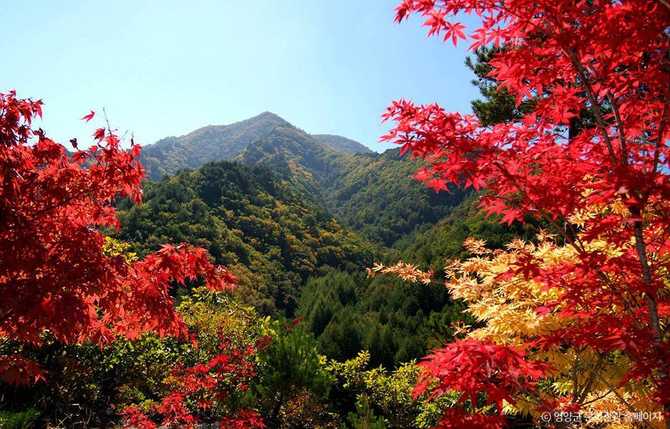
Jeilwol Mountain features a flat summit area, lush forests, diverse flora and fauna, and scenic trails. It is famous for its sunrise views and vistas of the East Sea and Ulleung Island.
Q4: Which cultural heritage sites can be found on Jeilwol Mountain?
Key sites include Cheonchuksa Temple, Hwangssi Buin-dang, and Yonghwa-sa Temple, all of which are historically significant and reflect Korea’s spiritual and cultural traditions.
Q5: When is the best time to visit Jeilwol Mountain?
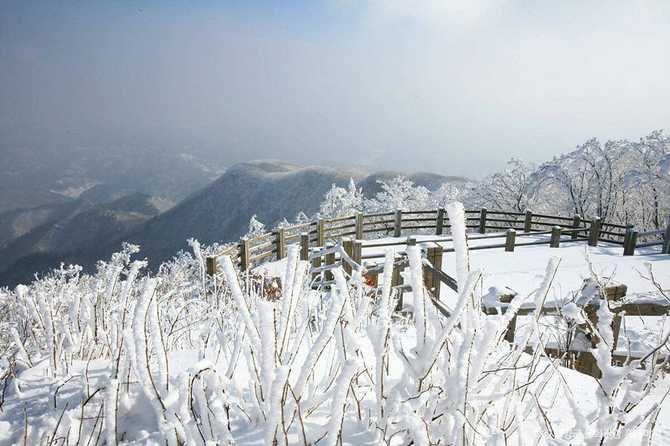
Visitors can enjoy the mountain year-round, with sunrise and sunset viewing being particularly popular. Spring and autumn offer especially scenic landscapes with blooming flowers or colorful foliage.
Q6: What safety precautions should I take when visiting Jeilwol Mountain?
It is important to check weather conditions beforehand, stay on designated trails, carry proper hiking gear, and respect cultural sites to ensure a safe and enjoyable visit.
Final Tips for Visiting Jeilwol Mountain
Planning your trip to Jeilwol Mountain can be a rewarding experience, offering a perfect blend of natural beauty and historical significance. To ensure your visit is enjoyable and safe, it’s important to prepare adequately. Make sure to check the weather forecast before heading out, especially if you plan to hike during early mornings or late afternoons when the views are most stunning. Packing appropriate gear such as sturdy hiking shoes, weather-appropriate clothing, plenty of water, and a basic first aid kit will help you stay comfortable and safe during your exploration.
Respect the natural environment and cultural sites, including temples and historic relics, by following local guidelines and staying on designated trails. Visiting during sunrise or sunset can enhance your experience, offering breathtaking scenery that captures the essence of Korea’s scenic landscapes. Remember, Jeilwol Mountain is open year-round and free to access, making it an excellent destination for spontaneous day trips or carefully planned excursions. By following these practical tips, you can enjoy a memorable adventure that highlights the majestic beauty and rich history of Jeilwol Mountain, truly a must-visit natural and cultural treasure in Korea.