
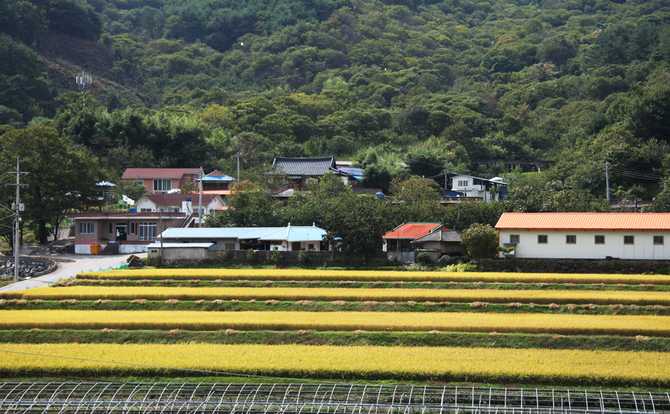
Discover Sangu Village: A Hidden Natural and Cultural Gem on Jirisan Dulle-gil
Are you looking for an authentic Korean village experience nestled within pristine nature? Sangu Village offers travelers a unique opportunity to immerse themselves in traditional Korean culture while enjoying breathtaking natural scenery along the Jirisan Dulle-gil trail. Perfect for nature lovers, cultural explorers, and those seeking a peaceful retreat, this charming village showcases Korea’s rich heritage and scenic landscapes.
Located in Hadong County, Sangu Village is a picturesque destination renowned for its fragrant plum blossoms in spring and lush chestnut forests. Whether you’re planning a day trip or an extended stay, this guide provides essential travel tips, key highlights, and practical information to help you make the most of your visit to Sangu Village. From its historical background to its natural beauty, discover why this hidden village is a must-see on your Korean travel itinerary.
At a glance
- Who this is for
-
- Travelers exploring the Jirisan Dulle-gil trail
- Visitors interested in traditional Korean villages
- Nature lovers seeking scenic outdoor experiences
- Cultural enthusiasts wanting to experience local customs
- Key takeaways
-
- Located in Hadong County, within Jirisan National Park
- Famous for spring plum blossoms and chestnut forests
- Accessible via Hadong-eup, with scenic drives and public transport
- Open year-round; free entry, parking limited
- Ideal for tranquil walks, cultural immersion, and nature photography
- Tips & cautions
-
- Use public transportation or arrive early for parking
- Respect natural surroundings and local customs
- Prepare appropriate clothing for seasonal weather
- Carry trash bags to keep the environment pristine
- Bottom line
- Visit Sangu Village for a peaceful blend of Korea’s traditional charm and natural splendor, accessible free of charge.
Sangu Village is a serene and culturally rich destination nestled along the scenic Jirisan Dulle-gil trail in Hadong County. Known for its fragrant plum blossoms in spring and the lush chestnut forests that surround it, this traditional Korean village offers visitors a glimpse into Korea’s rural heritage. Whether you’re an avid hiker, a cultural enthusiast, or someone seeking tranquility amidst nature, Sangu Village provides an authentic experience that combines natural beauty with historical charm.
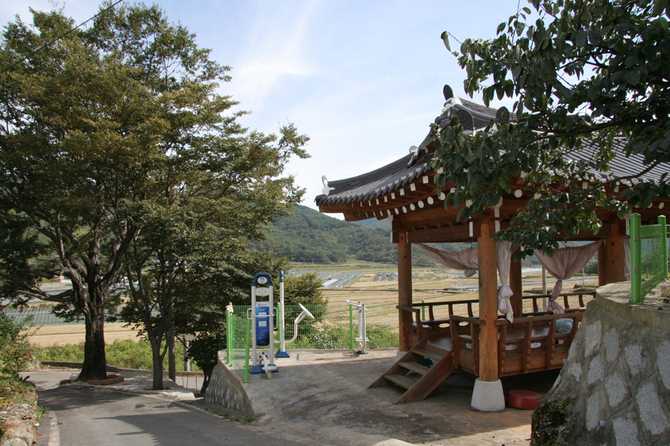
Located in the scenic mountains of southern Korea, Sangu Village is easily accessible from Hadong-eup via scenic drives or public transportation. The village is open year-round and free to visit, making it an ideal stop for those exploring the Jirisan Dulle-gil trail or seeking a peaceful retreat. With limited parking, visitors are encouraged to use public transport or arrive early to find parking space. The village’s well-preserved traditional houses, beautiful natural surroundings, and seasonal floral displays make it a perfect destination for outdoor walks, photography, and cultural exploration.
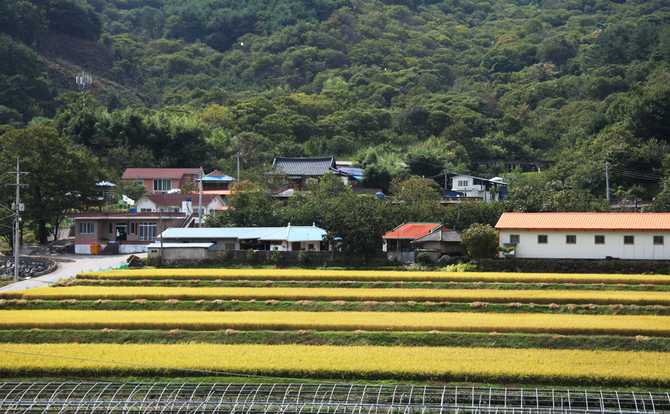
In this guide, you will find essential information about how to reach Sangu Village, the best times to visit, what to see and do, and practical tips to ensure a pleasant trip. Whether you’re planning a day visit or a longer stay, understanding the key highlights and local customs will enrich your experience. Discover the natural and cultural treasures of Sangu Village and enjoy a memorable journey into Korea’s rural heartland.
Overview of Sangu Village: A Hidden Natural and Cultural Treasure
Nestled along the scenic Jirisan Dulle-gil trail in Hadong County, Sangu Village is a charming traditional Korean village renowned for its pristine natural beauty and rich cultural heritage. This peaceful village offers visitors a unique chance to experience Korea’s rural traditions while immersing themselves in breathtaking landscapes. Located in the southern mountainous region, Sangu Village is easily accessible from Hadong-eup and serves as a perfect destination for nature lovers, hikers, and cultural explorers alike.
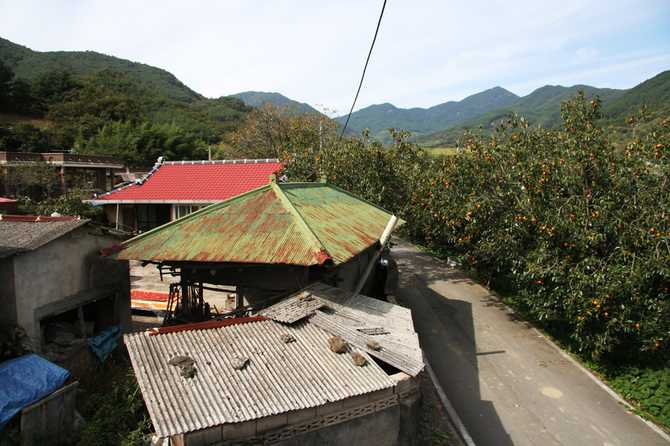
The village is famous for its fragrant plum blossoms in spring, lush chestnut forests in autumn, and the tranquil mountain scenery that surrounds it year-round. Visitors can enjoy scenic walks along well-preserved trails, explore traditional houses, and breathe in the fresh mountain air. Sangu Village’s location within Jirisan National Park enhances its appeal, making it an ideal spot for outdoor activities such as hiking, photography, and nature observation.
Accessible via scenic drives and public transportation, the village welcomes visitors year-round with free entry, although parking may be limited. Its well-preserved environment and seasonal floral displays provide a picturesque backdrop for cultural immersion and outdoor recreation. Whether you are seeking a peaceful retreat or an authentic glimpse into Korea’s rural life, Sangu Village offers a memorable experience that combines natural splendor with traditional charm.
Comparison of Natural and Cultural Highlights at Sangu Village
| Feature | Spring | Summer | Autumn | Winter |
|---|---|---|---|---|
| Main Natural Attraction | Fragrant plum blossoms and mountain trails | Lush greenery, mountain streams, and chestnut forests | Colorful foliage and scenic mountain views | Snow-covered landscapes and tranquil mountain scenery |
| Best Activities | Spring flower viewing, mountain hiking | Nature walks, photography, relaxing in cool shade | Autumn foliage viewing, scenic drives | Winter hiking, snow scenery photography |
| Cultural Highlights | Traditional houses, local festivals (if any) | Local farming practices, seasonal markets | Harvest celebrations, autumn festivals | Winter festivals, traditional folk performances |
This seasonal variation in natural scenery and cultural activities makes Sangu Village an all-year-round destination for travelers seeking different experiences throughout the year. Whether you prefer the blooming spring flowers, lush summer forests, vibrant autumn leaves, or serene winter snows, Sangu Village offers a picturesque setting that captures Korea’s natural beauty and traditional charm in every season.
Essential Visiting Checklist for Sangu Village
- Check the weather forecast: Always review the weather before your trip to prepare appropriate clothing and gear.
- Wear comfortable shoes: The village’s scenic trails and traditional paths are best explored in sturdy walking shoes.
- Bring eco-friendly supplies: Carry reusable water bottles and trash bags to help preserve the natural environment.
- Plan transportation in advance: Use public transportation or arrive early to secure parking, as space is limited.
- Respect local customs: Be mindful of traditional houses and local residents, especially during festivals or cultural events.
- Prepare for seasonal changes: Pack layered clothing, especially during spring and fall, and warm gear for winter.
Visitor Information and Practical Tips for Sangu Village
Sangu Village welcomes visitors year-round, offering a peaceful escape into Korea’s natural and cultural heritage. While the village is free to access, it is important to plan your visit carefully to ensure a smooth and enjoyable experience. Below is essential information about how to reach the village, available facilities, and practical tips for your trip.
How to Reach Sangu Village
- From Hadorng-eup: Drive along the scenic 차밭길 (Cha-bat-gil) road heading towards Seodang Village. The journey takes approximately 30 minutes by car.
- Public transportation: Take a bus or taxi from Hadorng-eup bus terminal directly to the vicinity of Sangu Village. The bus ride lasts about 40 minutes.
- By car: Use GPS navigation with the address: 적량면, 하동군, South Korea. Follow signs toward Seodang Village, and look for the Sangu Village signboard on the right side.
Facilities and Accessibility
| Facility | Availability |
|---|---|
| Parking | Limited; recommend arriving early or using public transport |
| Restrooms | Available near the entrance and along walking trails |
| Visitor Center | Not available; prepare accordingly |
| Food & Beverages | Limited; bring snacks or water |
Practical Tips for Visiting Sangu Village
- Transportation: Use public transit whenever possible to avoid parking issues, especially during peak seasons.
- Clothing: Wear comfortable walking shoes and dress in layers suitable for the season. Carry a raincoat or umbrella if rain is forecasted.
- Environmental Responsibility: Bring reusable water bottles and trash bags to keep the village pristine. Do not litter or disturb the natural environment.
- Timing: Early mornings or late afternoons offer the most tranquil atmosphere and optimal natural lighting for photography.
- Safety: Stay on designated trails and be cautious on uneven paths to avoid accidents.
- Respect Local Customs: Be mindful of residents’ privacy and traditional practices, especially during cultural events.
Whether you visit during the day or evening, Discover Sangu Village is a meaningful stop on any Seoul itinerary for history-minded travelers.
Frequently Asked Questions (FAQ)
Q1: Where is Sangu Village located and how can I get there?
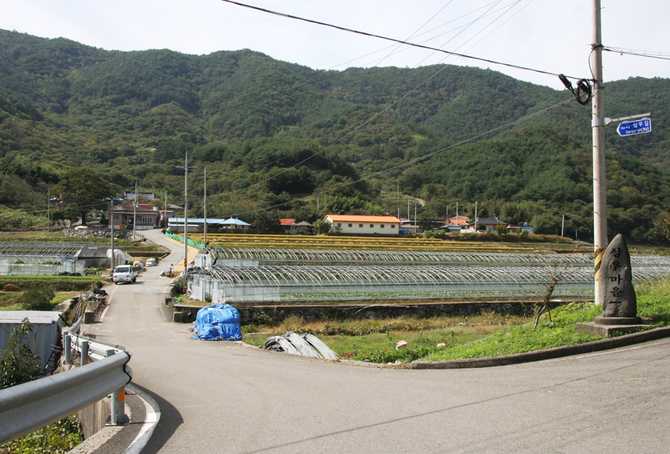
Answer: Sangu Village is situated in Hadong County along the Jirisan Dulle-gil trail, specifically in Deokryang-myeon. It is accessible via scenic drives from Hadong-eup or by public transportation such as buses or taxis from Hadong bus terminal, approximately 40 minutes away.
Q2: Is there an entrance fee to visit Sangu Village?
Answer: No, Sangu Village is open to visitors free of charge all year round. However, parking is limited, so public transportation or early arrival is recommended for easier access.
Q3: What is the best time of year to visit Sangu Village?
Answer: The ideal seasons are spring, when cherry blossoms and plum flowers bloom, and autumn, when colorful foliage enhances the scenery. Summer offers lush greenery, while winter provides scenic snow-covered landscapes.
Q4: Are there facilities or amenities available within Sangu Village?
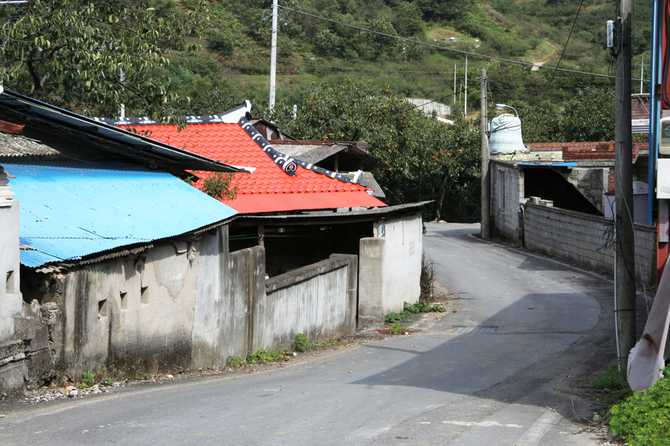
Answer: Sangu Village does not have dedicated facilities or amenities; visitors should prepare their supplies beforehand. The village is mainly a natural and cultural site with preserved traditional houses and scenic walking trails.
Q5: Is there parking available at Sangu Village?
Answer: Parking is limited within the village area, so visitors are encouraged to use public transportation or arrive early to secure parking spaces. There are no large parking lots directly at the village.
Q6: What should I keep in mind when visiting Sangu Village?
Answer: Visitors should respect the natural environment by not littering and avoiding damage to the scenery. It’s also important to wear appropriate footwear and seasonal clothing, and to follow local guidelines to ensure a safe and enjoyable visit.
Final Tips for Visiting Sangu Village
Exploring Sangu Village offers a unique opportunity to immerse yourself in Korea’s rich cultural heritage while enjoying the breathtaking natural scenery of the Jirisan region. To make your visit as enjoyable and smooth as possible, it is important to plan ahead and consider some practical tips. Remember to check the weather forecast before heading out, as Korea’s mountain climate can vary significantly depending on the season. Wearing comfortable, sturdy shoes will allow you to fully enjoy the scenic trails and traditional pathways without discomfort. Bringing eco-friendly supplies such as reusable water bottles and trash bags helps preserve the pristine environment that makes Sangu Village so special. Since parking is limited, utilizing public transportation or arriving early is highly recommended. Also, respect local customs and the natural surroundings, especially during seasonal festivals or cultural events. With thoughtful preparation, your trip to Sangu Village will be a memorable experience filled with natural beauty, cultural insights, and peaceful moments that truly embody Korea’s rural charm. Enjoy your visit and take plenty of photos to cherish the memories of this special destination.