
Discover the Historic Yeoncheon Sunguijeon Shrine: Korea’s Cultural Heritage
Are you interested in exploring Korea’s rich history and cultural relics? Visiting Yeoncheon Sunguijeon Shrine offers a unique glimpse into Korea’s royal and scholarly traditions, showcasing centuries-old architecture and historical significance. This guide provides all the essential information to help you plan your visit to this important cultural site, from its historical background to practical tips for an enriching experience.

At a glance
- Who this is for
-
- History enthusiasts interested in Korea’s royal and cultural heritage
- Travelers exploring Yeoncheon’s historical sites
- Researchers studying Joseon and Goryeo dynasties
- Culture and heritage tourists seeking meaningful experiences
- Key takeaways
-
- Yeoncheon Sunguijeon Shrine was established in 1397 to honor Goryeo kings
- Originally built on the site of ancient Buddhist temple Angamsa
- Features traditional wooden architecture with restored buildings
- Designated as a cultural heritage site in 1971, free to visit
- Open year-round with parking facilities and no admission fee
- Tips & cautions
-
- Check the official website for event updates and special activities
- Respect the preservation rules; avoid damage or collecting artifacts
- Visit during opening hours from 9 AM to 6 PM for the best experience
- Wear comfortable clothing and bring a camera for photos
- Bottom line
- Yeoncheon Sunguijeon Shrine is a vital cultural landmark that offers insight into Korea’s royal history and traditional architecture, making it a must-visit for history lovers.
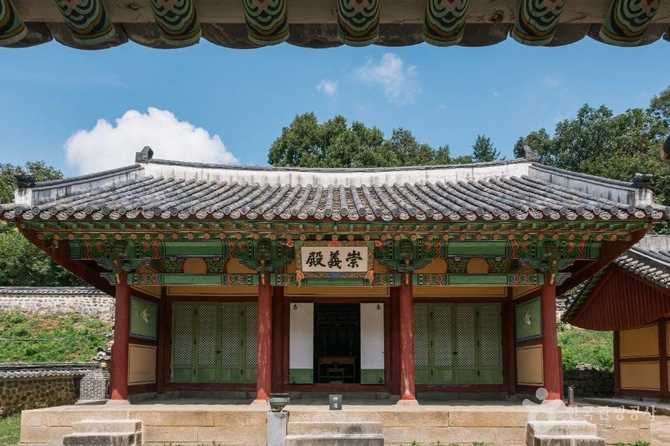
Yeoncheon Sunguijeon Shrine stands as a testament to Korea’s rich historical tapestry, blending the legacy of Goryeo and Joseon dynasties. Located in Yeoncheon County, this shrine was originally the site of Angamsa, a Buddhist temple that served as the royal ancestral memorial during the Goryeo period. In 1397, the shrine was established to enshrine the spirits of Goryeo kings, becoming a central place for ancestral rites and memorial ceremonies.
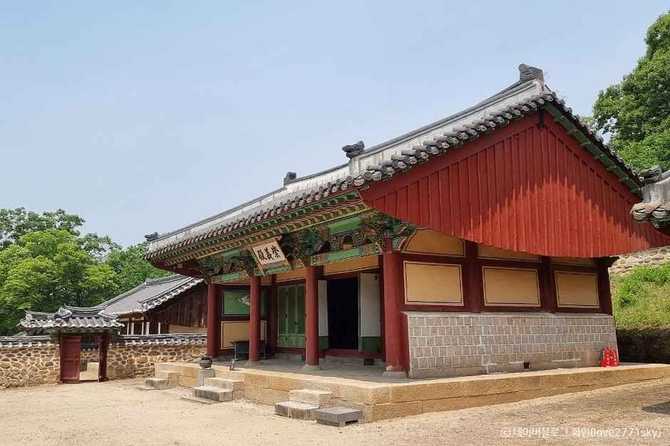
Today, the shrine has been carefully restored to preserve its traditional wooden architecture and historical essence. Visitors can explore the main hall, known as Sunguijeon, along with various auxiliary buildings that once hosted memorial rituals. Recognized as a cultural heritage site in 1971, Yeoncheon Sunguijeon Shrine is open to the public year-round, offering a meaningful experience for those interested in Korea’s dynastic history and cultural traditions.
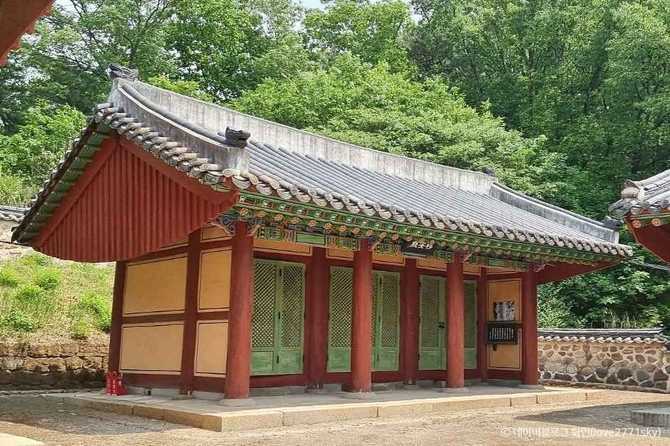
Whether you are a history researcher, a cultural traveler, or simply curious about Korea’s royal past, this site provides a unique opportunity to connect with the nation’s heritage. Its peaceful setting and well-preserved structures make it an ideal destination for those seeking an educational and reflective visit. Planning your trip with practical information such as opening hours, accessibility, and preservation guidelines will ensure a smooth and respectful experience.
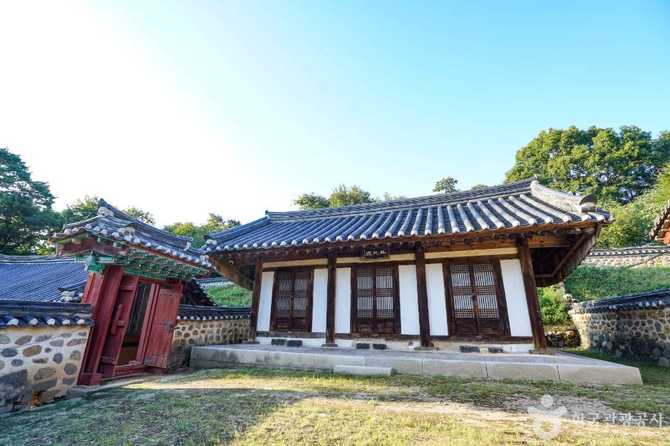
In the following sections, you will find detailed information about the history, architecture, visiting tips, and cultural significance of Yeoncheon Sunguijeon Shrine, helping you make the most of your journey into Korea’s fascinating past.
Yeoncheon Sunguijeon Shrine Overview & Historical Background
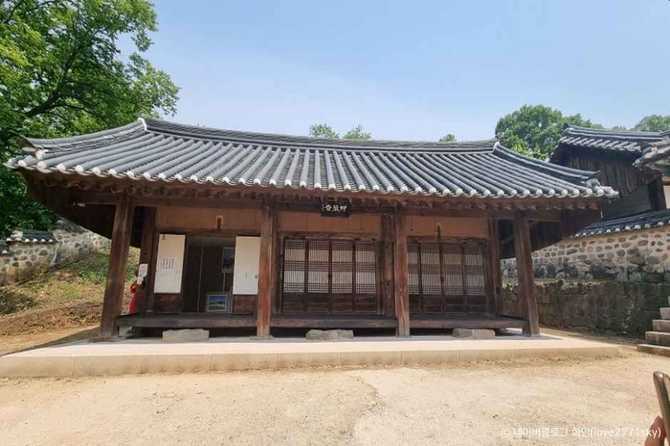
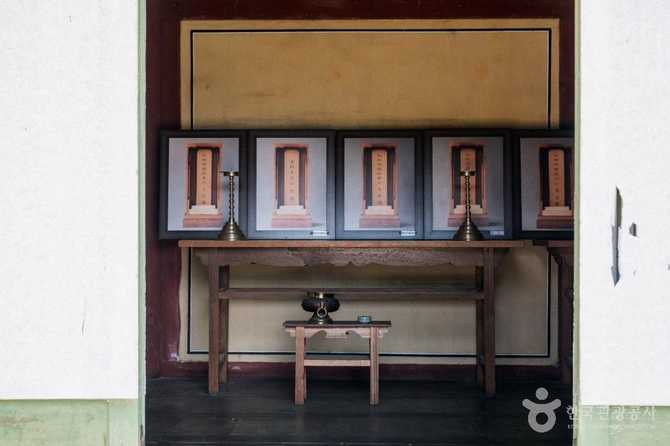
Yeoncheon Sunguijeon Shrine is a significant historical site in Korea that embodies the nation’s rich cultural and royal heritage. Located in Yeoncheon County, this shrine was originally established during the late Goryeo Dynasty and later became an important memorial for the kings of Goryeo and the early Joseon period. The focus of the shrine is to enshrine the spirits of the Goryeo monarchs, serving as a place for ancestral rites and memorial ceremonies that reinforced royal authority and filial piety. The site is historically notable because it was built on the grounds of Angamsa, an ancient Buddhist temple that once served as the royal ancestral memorial during the Goryeo era.
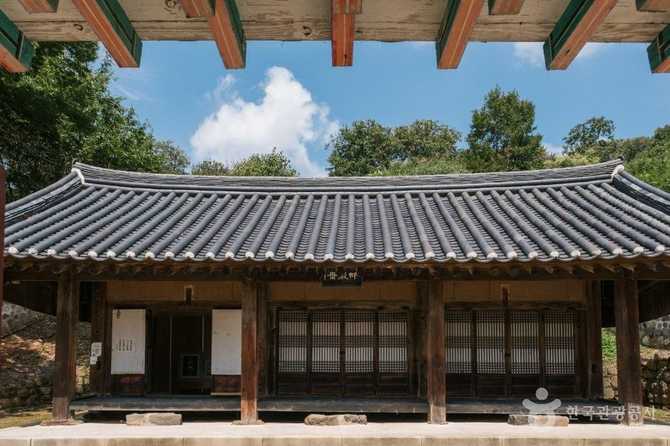
The construction of the shrine began in 1397, under the orders of the Joseon Dynasty, to honor the Goryeo kings and their contributions. It was designed to house the spirit tablets of the monarchs and facilitate traditional memorial rituals. Over time, the shrine played a vital role in the cultural and spiritual life of the region, especially during the Joseon period when ancestral rites were central to Confucian governance and social order. The shrine’s architecture reflects traditional Korean wooden construction, with a main hall called Sunguijeon and several auxiliary buildings used for various ceremonial purposes.

In 1971, Yeoncheon Sunguijeon was designated as a cultural heritage site, ensuring its preservation amidst Korea’s rapid modernization. Today, visitors can explore the restored main hall, along with remaining structures such as the Bae-shin Cheong (a shrine for memorial tablets), the I-an Cheong, and the Jeon-sa Cheong, which collectively highlight traditional Korean architecture and religious practices. The site is open year-round, free of charge, and accessible to all visitors interested in Korea’s dynastic history. It offers a unique glimpse into the continuity of ancestral worship from the Goryeo to the Joseon era, making it a must-visit for those passionate about Korean history and cultural preservation.

Comparison of Architectural Features & Structures at Yeoncheon Sunguijeon Shrine
| Feature | Details | Remarks |
|---|---|---|
| Main Hall (Sunguijeon) | Three bays wide, three bays deep, traditional wooden structure | Restored to reflect original Joseon architecture |
| Auxiliary Buildings | Includes Bae-shin Cheong (tablet shrine), I-an Cheong, Jeon-sa Cheong, and others | Total of 5 main buildings, all traditional wooden structures |
| Architectural Style | Traditional Korean Hanok style with curved eaves and wooden beams | Maintains historical authenticity through careful restoration |
| Construction Materials | Primarily wood, with tiled roofs and stone foundations | Materials chosen to preserve traditional aesthetics |
| Size & Layout | Main hall: 3×3 bays; auxiliary buildings vary in size | Designed to facilitate ancestral rituals and processions |
Visitor Information & Practical Checklist for Yeoncheon Sunguijeon Shrine
- Opening Hours: 9:00 AM – 6:00 PM, year-round
- Admission Fee: Free
- Parking: Available on-site, free of charge
- Accessibility: The site is accessible for visitors with mobility needs, with pathways and ramps available.
- Best Visiting Times: Spring (April–June) and Autumn (September–November) for pleasant weather and scenic views
- What to Bring: Comfortable walking shoes, camera, water, and a visitor’s guide or brochure
- Important Notice: As a protected cultural heritage site, do not damage or remove any artifacts or structures. Respect the rules and preserve the site for future generations.
- Visitor Etiquette: Speak softly, avoid loud noises, and refrain from smoking or eating within the shrine grounds.
Cultural Significance & Preservation of Yeoncheon Sunguijeon Shrine
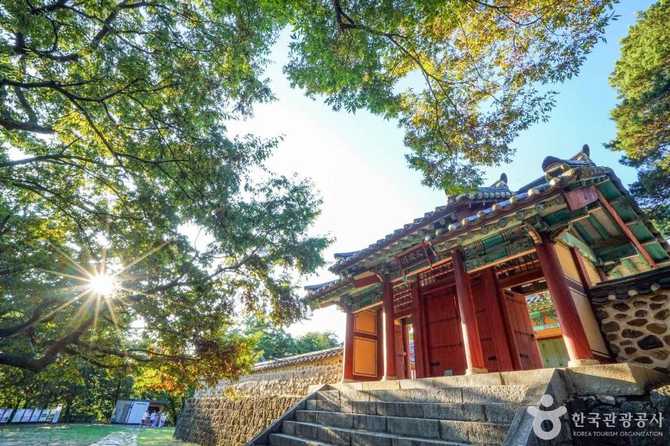
Yeoncheon Sunguijeon Shrine holds a vital place in Korea’s cultural and historical landscape as a preserved site of royal ancestral rites. It exemplifies the nation’s dedication to maintaining its dynastic heritage, representing the continuity of Confucian traditions of ancestor worship from the Goryeo to the Joseon periods. The shrine’s architecture and layout reflect traditional Korean wooden construction techniques, emphasizing harmony with nature and spiritual reverence.

Since its designation as a cultural heritage site in 1971, extensive preservation efforts have been undertaken to safeguard its structural integrity and historical authenticity. These efforts include regular maintenance, careful restoration of original architectural elements, and strict regulations to prevent damage or deterioration. The site is protected under national cultural heritage laws, ensuring that future generations can appreciate its historical and cultural value.
| Preservation Aspect | Details | Remarks |
|---|---|---|
| Cultural Heritage Designation | Designated as a cultural heritage site in 1971 (Sangjeong No. 1971.12.29) | Provides legal protection and recognition |
| Restoration & Maintenance | Ongoing efforts to restore original wooden structures, roofs, and decorative elements | Combines traditional techniques with modern conservation methods |
| Protection Regulations | Designated as a protected area, with restrictions on construction, alterations, and artifact removal | Ensures preservation of authenticity and integrity |
| Visitor Management | Guided tours, informational signage, and monitoring to prevent damage | Promotes respectful visitation and awareness |
Visiting Yeoncheon Sunguijeon Shrine: Essential Checklist & Tips
- Check Opening Hours: 9:00 AM – 6:00 PM, open year-round.
- Confirm Accessibility: The site is accessible for visitors with mobility needs, with pathways and ramps available.
- Prepare Necessary Items: Wear comfortable walking shoes, bring a camera, water, and a visitor’s brochure or guide.
- Plan Your Visit During Peak Seasons: Spring (April–June) and Autumn (September–November) offer ideal weather and scenic views.
- Visit Official Sources: Check the Yeoncheon County official website (www.yeoncheon.go.kr) for updates on special events or maintenance schedules.
- Respect Preservation Rules: Do not damage or remove any artifacts or structures. Follow all signage and guidelines provided on-site.
- Practice Respectful Behavior: Speak softly, avoid loud noises, and refrain from eating or smoking within the shrine grounds to maintain a respectful environment.
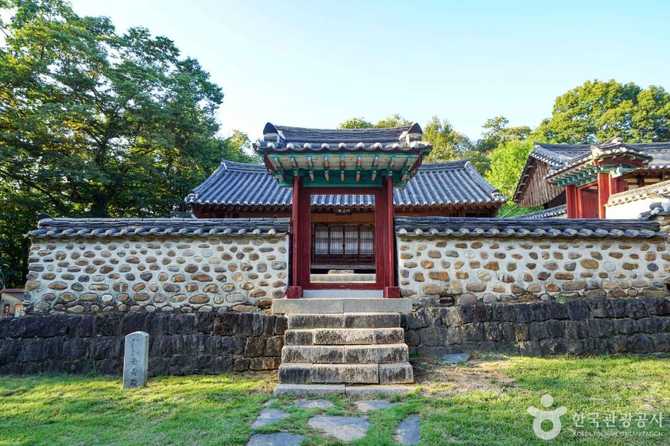
Whether you visit during the day or evening, Discover the Historic Yeoncheon Sunguije is a meaningful stop on any Seoul itinerary for history-minded travelers.
Frequently Asked Questions (FAQ)
Q1: What is the historical significance of Yeoncheon Sunguijeon Shrine?

Yeoncheon Sunguijeon Shrine was established in 1397 to honor the spirits of Goryeo kings and serve as a site for ancestral rites. It was built on the grounds of the ancient Buddhist temple Angamsa, symbolizing Korea’s royal and spiritual heritage. The shrine reflects the continuity of ancestral worship from the Goryeo to the Joseon dynasty.
Q2: What are the main architectural features of Yeoncheon Sunguijeon Shrine?
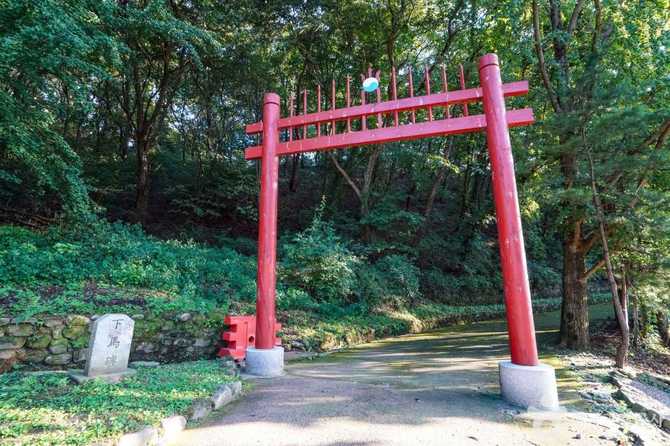
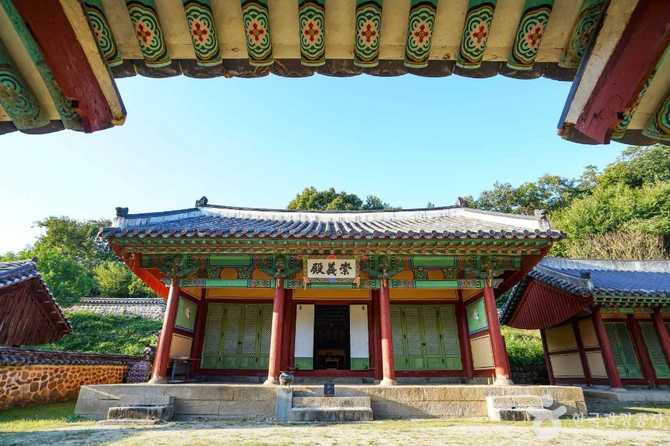
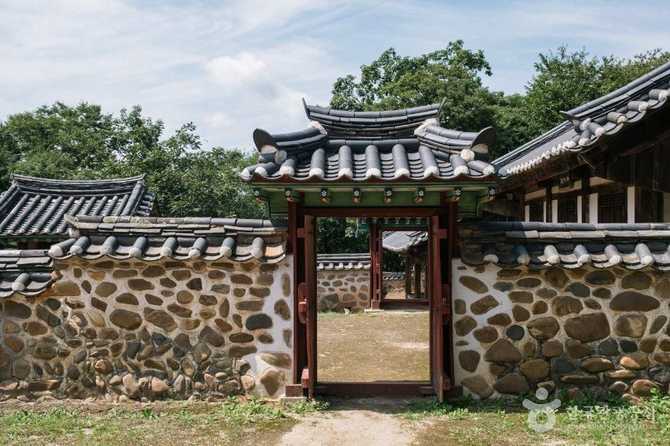
The shrine’s main hall, Sunguijeon, is a traditional Korean wooden structure with three bays wide and deep, restored to reflect Joseon-era architecture. It includes auxiliary buildings such as Bae-shin Cheong, I-an Cheong, and Jeon-sa Cheong, all built in the Hanok style with curved eaves and wooden beams. The entire complex maintains historical authenticity through careful restoration.

Q3: When is the best time to visit Yeoncheon Sunguijeon Shrine?
The shrine is open year-round from 9 AM to 6 PM, with no restrictions on visiting days. The most favorable seasons are spring (April to June) and autumn (September to November), when the weather is pleasant and the scenery is picturesque. Early mornings or late afternoons offer a quieter experience.
Q4: Is there an entrance fee to visit Yeoncheon Sunguijeon Shrine?
No, admission to the shrine is free of charge. Visitors can explore the main hall and surrounding structures without any fee, and parking facilities are available nearby at no cost. This makes it accessible for all visitors interested in Korea’s cultural heritage.

Q5: How is Yeoncheon Sunguijeon Shrine protected and preserved?
The site was designated as a cultural heritage site in 1971, ensuring legal protection. Preservation efforts include regular maintenance, careful restoration of original architectural elements, and strict regulations against damage or artifact removal. These measures help maintain its historical integrity for future generations.

Q6: What precautions should visitors take when visiting Yeoncheon Sunguijeon Shrine?

Visitors should respect the site’s status as a protected cultural heritage, avoiding any damage or removal of artifacts. It is important to follow posted rules, speak softly, and refrain from smoking or eating within the shrine grounds. Wearing comfortable shoes and bringing a camera will enhance the visit.
Conclusion: Discover the Rich Heritage of Yeoncheon Sunguijeon Shrine
Visiting Yeoncheon Sunguijeon Shrine offers a meaningful journey into Korea’s royal history and cultural traditions. As a significant historical site, it beautifully embodies the legacy of the Goryeo and Joseon dynasties through its preserved architecture and spiritual significance. Whether you are a history enthusiast, a cultural explorer, or a curious traveler, this shrine provides a unique window into Korea’s ancestral worship practices and architectural craftsmanship. The site’s careful preservation ensures that visitors can experience its historical authenticity firsthand, making it a must-visit destination in Yeoncheon County. Remember to plan your visit ahead by checking the official website for updates on opening hours and special events, and always respect the cultural heritage regulations to help protect this invaluable site for future generations. Exploring Yeoncheon Sunguijeon Shrine enriches your understanding of Korea’s historical depths and cultural continuity, leaving you with lasting impressions of Korea’s proud heritage. Make sure to include this remarkable site in your travel itinerary for an educational and inspiring experience that connects you with Korea’s storied past.