

Hyangnam Dŭkchŏnri Carved Buddha Image: A Key Early Goryeo Buddhist Artifact
Discover the historical and artistic significance of the Hyangnam Dŭkchŏnri carved Buddha image, a precious relic representing early Goryeo Buddhist sculpture. This ancient monument offers insight into Korea’s rich cultural heritage and the development of Buddhist art during the Goryeo Dynasty.
At a glance
- Who this is for
-
- Visitors interested in Korean cultural heritage
- History and art researchers studying Buddhist sculptures
- Travelers planning to explore Hyangnam region
- Key takeaways
-
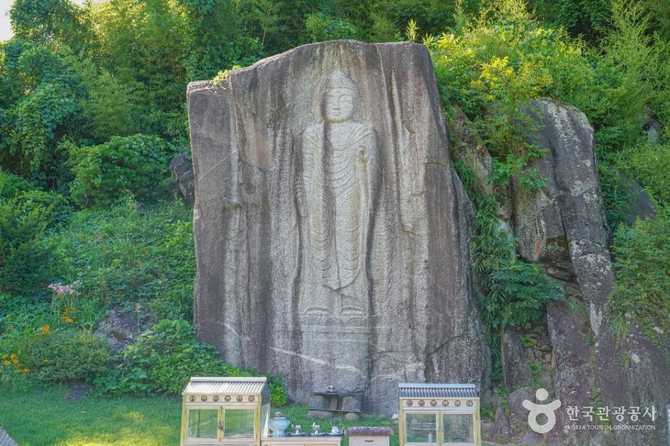
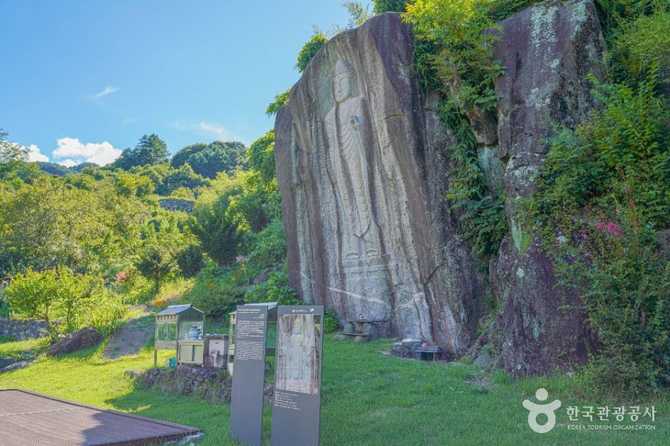
- Height of approximately 5.8 meters, carved into natural rock
- Features typical early Goryeo Buddhist stylistic elements
- Decorative details include lotus motifs and flame patterns
- Represents the early phase of Korean Buddhist sculpture development
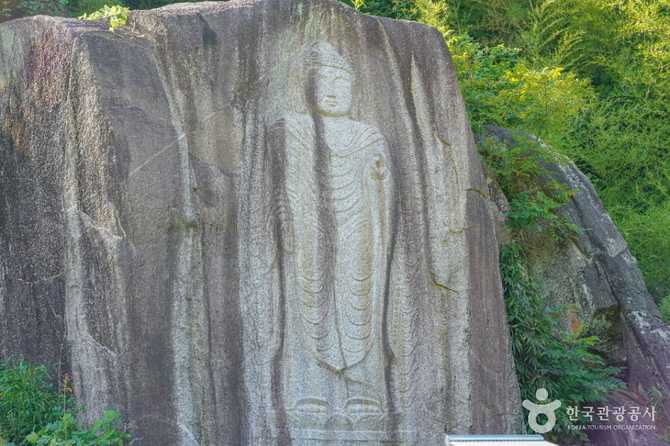
- Designs include U-shaped robes and intricate carvings
- Tips & cautions
-
- The lower body is carved longer than the upper, which may appear unbalanced
- Small hand proportions can seem disproportionate
- Some details follow early Goryeo stylistic conventions
- Visit year-round; no entrance fee required
- Bottom line
- Hyangnam Dŭkchŏnri carved Buddha image is a valuable cultural heritage that embodies early Goryeo Buddhist art and spiritual symbolism.
Exploring the Hyangnam Dŭkchŏnri carved Buddha image provides a unique glimpse into Korea’s ancient religious art and craftsmanship. This large-scale rock-carved Buddha, standing at 5.8 meters, is a prime example of early Goryeo Buddhist sculpture, showcasing the artistic skills and spiritual expressions of the period. Located in the scenic Hyangnam region, this historic site is accessible all year round and free of charge, making it an ideal destination for cultural enthusiasts, historians, and travelers seeking to deepen their understanding of Korea’s rich religious and artistic traditions.
The monument’s detailed carvings, including lotus motifs, flame patterns, and U-shaped robes, reflect the stylistic features characteristic of the early Goryeo era, roughly dating back to the 10th century. Recognized as a national treasure since 1963, the site not only offers aesthetic appreciation but also serves as a vital cultural and religious symbol. Visitors can enjoy the peaceful natural surroundings while contemplating the spiritual significance of this ancient sculpture.
For those interested in Korean Buddhist art or planning a trip to the Hyangnam area, this carved Buddha image provides a meaningful and educational experience. The site is managed by local authorities, and additional information can be obtained through the Hyangnam County Office. Whether you are an art historian, a devout Buddhist, or a curious traveler, understanding the historical context and artistic features of this relic enriches your appreciation of Korea’s ancient cultural landscape.
Hyangnam Dŭkchŏnri Carved Buddha Image Overview
The Hyangnam Dŭkchŏnri carved Buddha image is a significant cultural relic representing early Goryeo Buddhist sculpture. Located in the scenic Hyangnam region of Korea, this large-scale rock-carved Buddha stands approximately 5.8 meters tall and is a prime example of the artistic and religious craftsmanship of the early Goryeo Dynasty, roughly dating back to the 10th century. Recognized as a national treasure since 1963, the monument holds immense historical, artistic, and spiritual value.
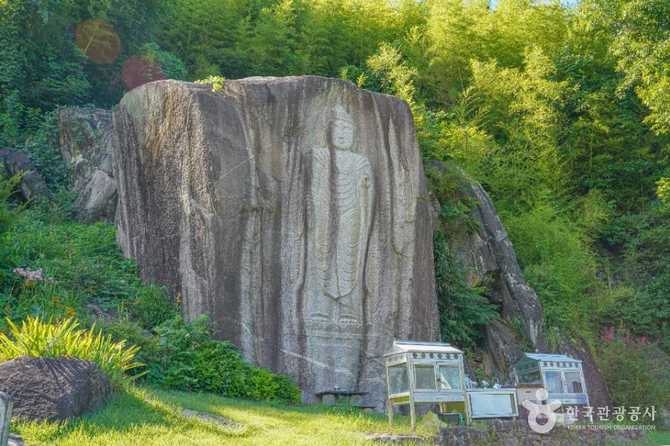
This carved Buddha is created from natural rock, utilizing the existing geological features to form a majestic figure that embodies the spiritual ideals of Buddhism during the Goryeo period. The figure features a broad face, a powerful expression, and detailed carvings that highlight the artistic skills of the period. The body is adorned with U-shaped robes, lotus motifs, flame patterns, and other decorative elements that reflect the stylistic features characteristic of early Goryeo Buddhist art.
The significance of this relic extends beyond its artistic beauty. It symbolizes the spread of Buddhism in Korea and the regional religious devotion during the early Goryeo era. The sculpture’s detailed carvings, including the lotus motifs and flame patterns on the halo, are emblematic of the period’s spiritual symbolism. The monument’s preservation and accessibility, being open year-round and free of charge, make it an important educational resource and a must-visit site for those interested in Korea’s cultural heritage.
Visitors to the Hyangnam Dŭkchŏnri carved Buddha image can appreciate not only the artistic mastery but also the historical context in which it was created. It exemplifies the integration of natural geology with religious sculpture, making it a unique and invaluable part of Korea’s national heritage. Understanding this relic provides insight into the spiritual life and artistic achievements of early Goryeo Korea.
Comparison of Features: Hyangnam Dŭkchŏnri Carved Buddha and Typical Early Goryeo Buddhist Sculptures
| Feature | Hyangnam Dŭkchŏnri Carved Buddha | Typical Early Goryeo Buddhist Sculpture |
|---|---|---|
| Material | Natural rock, carved directly from geological formations | Stone or bronze, often crafted separately and installed |
| Height | Approximately 5.8 meters | Typically smaller, ranging from 1 to 3 meters |
| Carving Technique | Integrated into natural rock face, with detailed relief work | Separate sculpture, often with more refined polish and finish |
| Design Style | Powerful facial features, broad face, short neck, U-shaped robes, lotus motifs, flame patterns | More delicate facial features, flowing robes, detailed iconography |
| Symbolic Elements | Halo with lotus and flame motifs, short neck with threefold (삼도) pattern | Lotus throne, detailed mudras, intricate halo designs |
| Historical Significance | Represents early Goryeo Buddhist sculpture, reflecting regional religious devotion | Varies by period, but often more refined and symbolic of evolving artistic styles |
Historical Background and Significance of the Hyangnam Dŭkchŏnri Carved Buddha
- Construction Period: Estimated to be from the 10th century, during the early Goryeo Dynasty, a period marked by significant Buddhist influence and cultural development.
- Location and Material: Carved into a natural granite rock face in Dŭkchŏnri, Hyangnam region, Korea. The choice of natural rock reflects the integration of geology with religious art.
- Historical Context: During the Goryeo era, Buddhism was a state religion, and many rock-carved temples and sculptures were created across the Korean peninsula. The Hyangnam Buddha exemplifies this tradition, emphasizing spiritual devotion and artistic expression.
- Artistic Features: The sculpture’s bold facial features, U-shaped robes, and decorative halo motifs are characteristic of early Goryeo Buddhist art. These features symbolize strength, spiritual power, and divine presence.
- Religious Significance: The monument served as a site of worship and pilgrimage, embodying the religious fervor of the period. It also functioned as a symbol of regional Buddhist authority and community devotion.
Visitor Information and Location of the Hyangnam Dŭkchŏnri Carved Buddha
| Item | Details |
|---|---|
| Location | Gyeongsangnam-do, Hamyang-gun, Machon-myeon, Deokjeon-ri 768-6 |
| Opening Hours | Open year-round, 24 hours |
| Admission Fee | Free of charge |
| Contact for Inquiries | Hamyang County Office, Culture and Sports Department Phone: 055-960-4640 |
| Accessibility | Parking available nearby; easy access by car |
Conservation and Cultural Significance of the Hyangnam Dŭkchŏnri Carved Buddha
- The site is designated as a national treasure, ensuring legal protection and preservation efforts.
- Ongoing conservation work aims to prevent weathering and environmental damage to the natural rock sculpture.
- Visitors are encouraged to respect the site by not touching or defacing the sculpture to maintain its integrity.
- Local authorities regularly monitor the condition of the monument to address any deterioration promptly.
- Promoting awareness of the cultural and religious importance of the site helps ensure its long-term preservation.
Frequently Asked Questions (FAQ)
Q1: What is the Hyangnam Dŭkchŏnri carved Buddha image?
The Hyangnam Dŭkchŏnri carved Buddha image is a 5.8-meter-tall rock-carved Buddhist sculpture from the early Goryeo Dynasty, located in Gyeongsangnam-do, Korea. It is a natural granite relief that embodies early Buddhist art and religious symbolism.
Q2: What are the distinctive features of this carved Buddha?
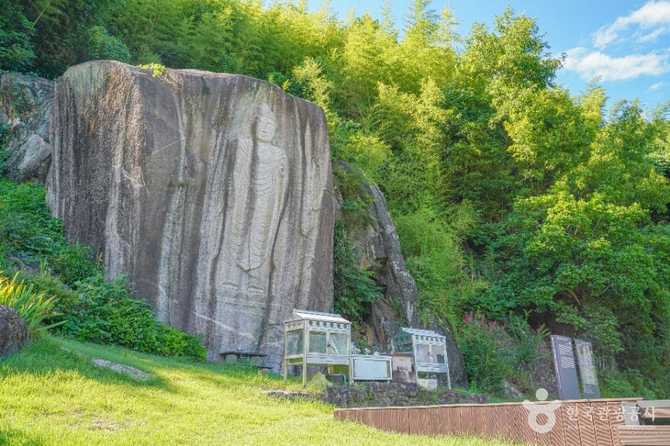
This Buddha features a broad, powerful face with large, flat features, a short neck with threefold (삼도) pattern, and U-shaped robes. The halo includes lotus motifs and flame patterns, reflecting early Goryeo stylistic elements.

Q3: When was the Hyangnam Dŭkchŏnri Buddha created?
It is estimated to have been created in the 10th century during the early Goryeo Dynasty, reflecting the period’s Buddhist artistic style and religious devotion.
Q4: Where exactly is the carved Buddha located?
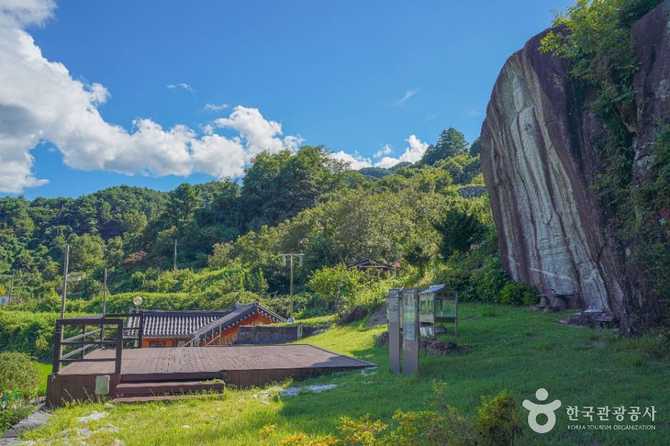
The sculpture is situated at Dŭkchŏnri, Machon-myeon, Hamyang-gun, Gyeongsangnam-do, Korea. It is accessible year-round and free to visit.
Q5: How is the site protected and preserved?
The monument was designated as a Korean national treasure in 1963 and is protected as a cultural heritage site. Preservation efforts focus on maintaining its natural rock environment and preventing damage.
Q6: Why is the Hyangnam Dŭkchŏnri Buddha considered an important cultural asset?
It is a prime example of early Goryeo Buddhist sculpture, showcasing the artistic and religious developments of the period. Its historical significance lies in representing regional Buddhist devotion and craftsmanship.
Final Thoughts on the Hyangnam Dŭkchŏnri Carved Buddha Image
Visiting the Hyangnam Dŭkchŏnri carved Buddha image offers a unique opportunity to connect with Korea’s rich Buddhist heritage and appreciate the artistry of early Goryeo sculpture. This remarkable monument, carved into natural granite, exemplifies the spiritual devotion and artistic mastery of its time. As a designated national treasure, it stands as a testament to Korea’s cultural and religious history, providing visitors with a meaningful experience that deepens understanding of Korea’s ancient traditions. Whether you are an art enthusiast, a history researcher, or a curious traveler, exploring this site allows you to witness the harmonious integration of natural geology and religious expression. The accessibility of the site—open year-round and free of charge—makes it an ideal destination for anyone interested in Korea’s cultural landscape. Remember to respect the preservation efforts and treat the monument with care, ensuring that future generations can also enjoy and learn from this invaluable cultural asset. Visiting the Hyangnam Dŭkchŏnri carved Buddha image is truly a profound step into Korea’s spiritual and artistic past.